
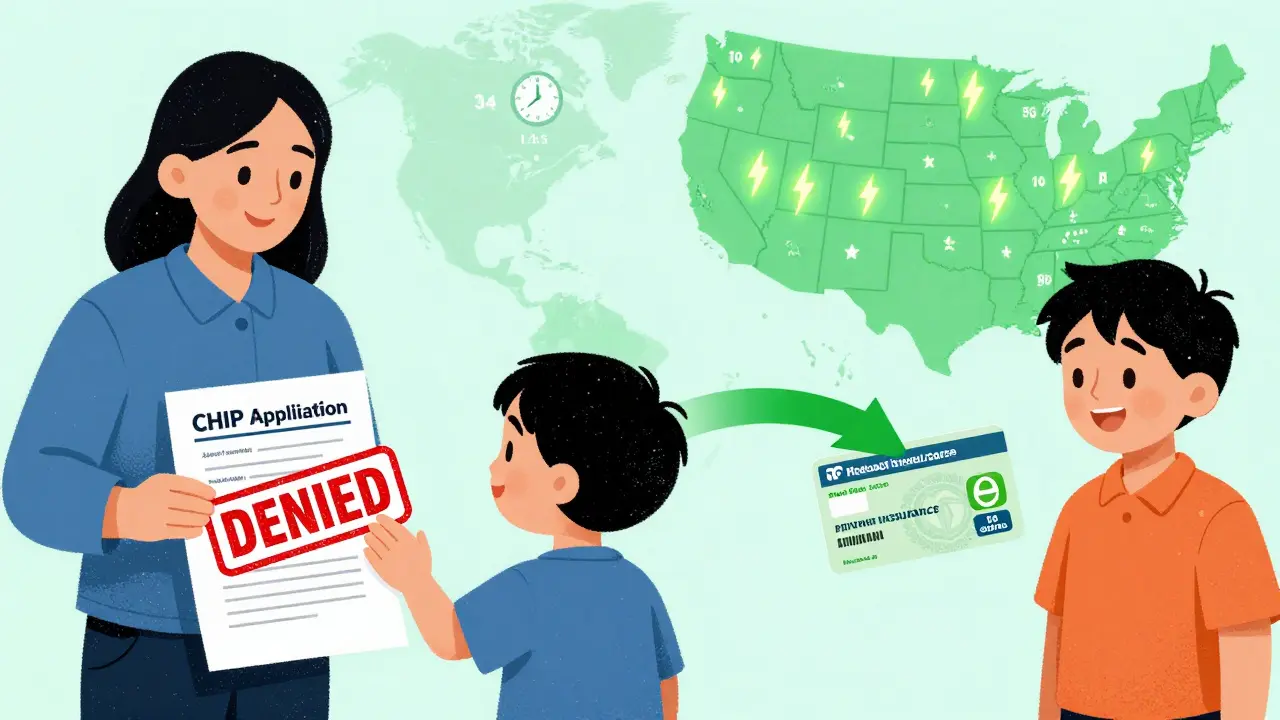
Medicaid substitution rules prevent public insurance from replacing affordable private coverage. States vary widely in how they enforce these rules - some use waiting periods, others use real-time data. Learn how your state handles it and what changes came in 2024.

Seasonal affective disorder causes winter depression with fatigue, low mood, and cravings. Bright light therapy is a proven, drug-free treatment that resets your body clock and lifts mood in just days.
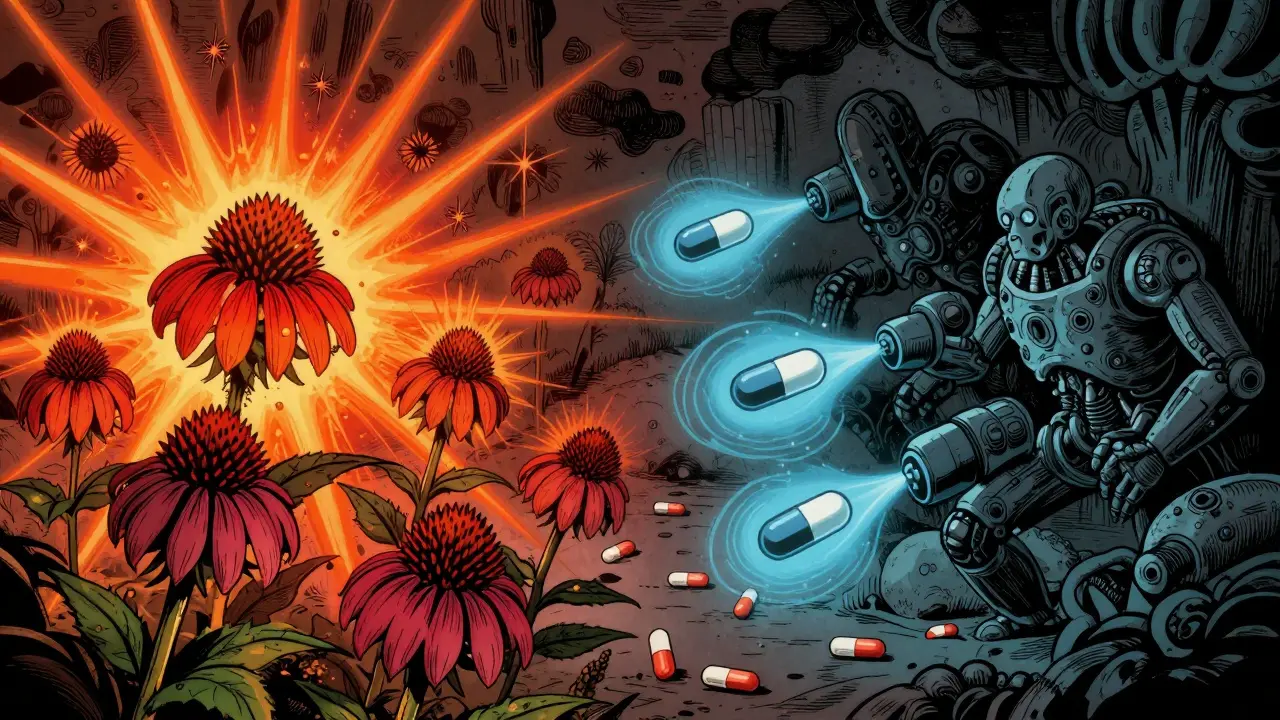
Echinacea may seem like a safe immune booster, but for people on immunosuppressants, it can interfere with life-saving medications. Learn why experts warn against using it after transplants or for autoimmune conditions.
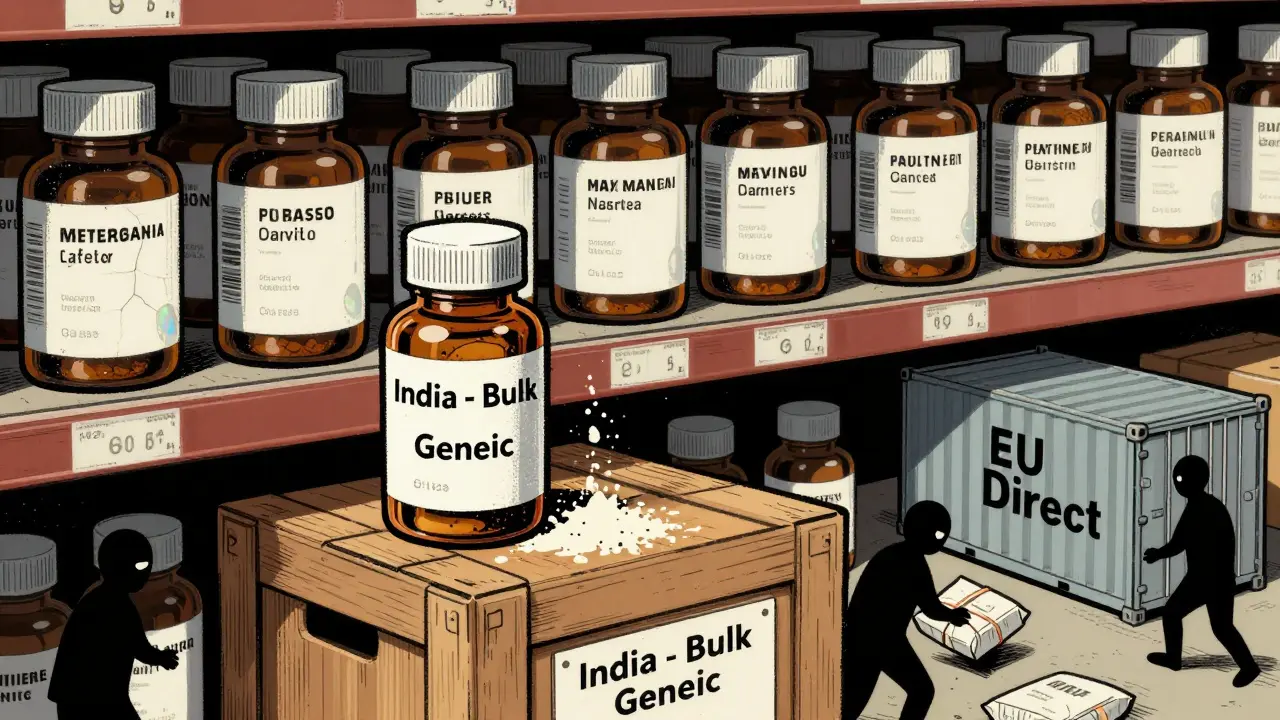
Fake generic drugs are a growing global threat, slipping into supply chains through unregulated distributors, online pharmacies, and weak tracking systems. Learn how they're made, where they come from, and how to protect yourself.
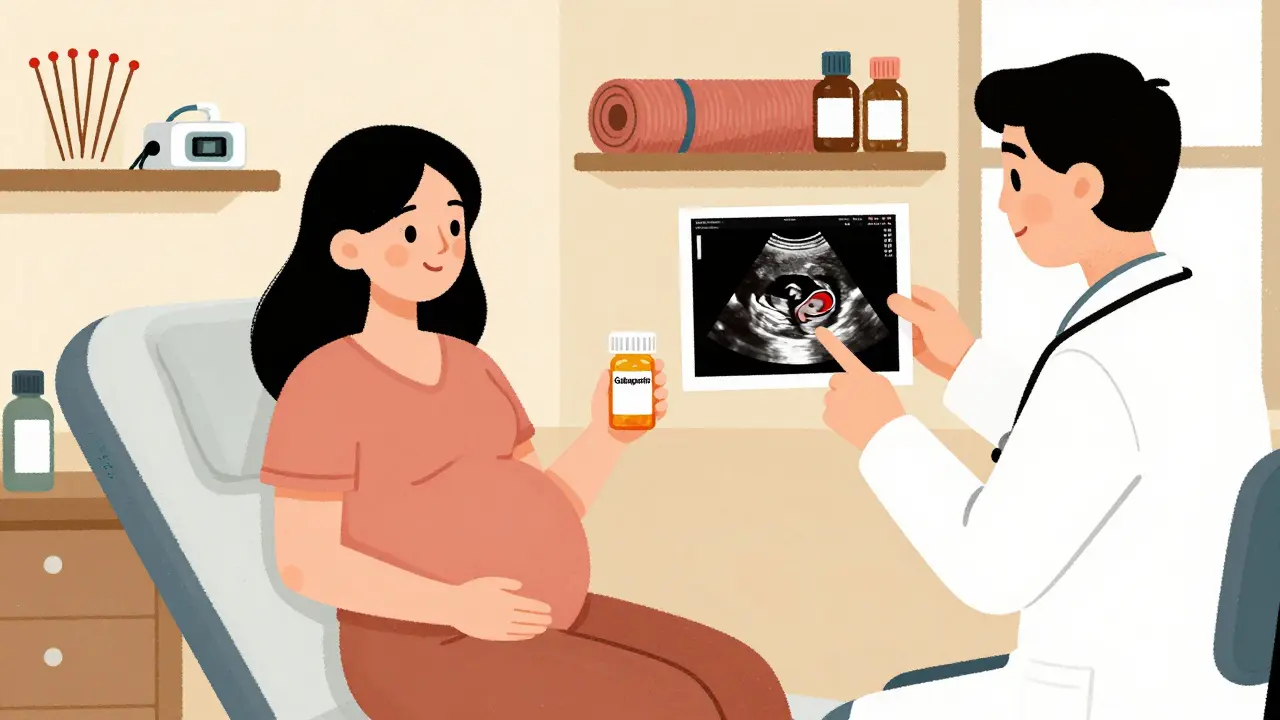
Current evidence shows gabapentin and pregabalin may increase risks of preterm birth, heart defects, and neonatal withdrawal in pregnancy. Safer alternatives exist, and careful monitoring is essential if these drugs are used.
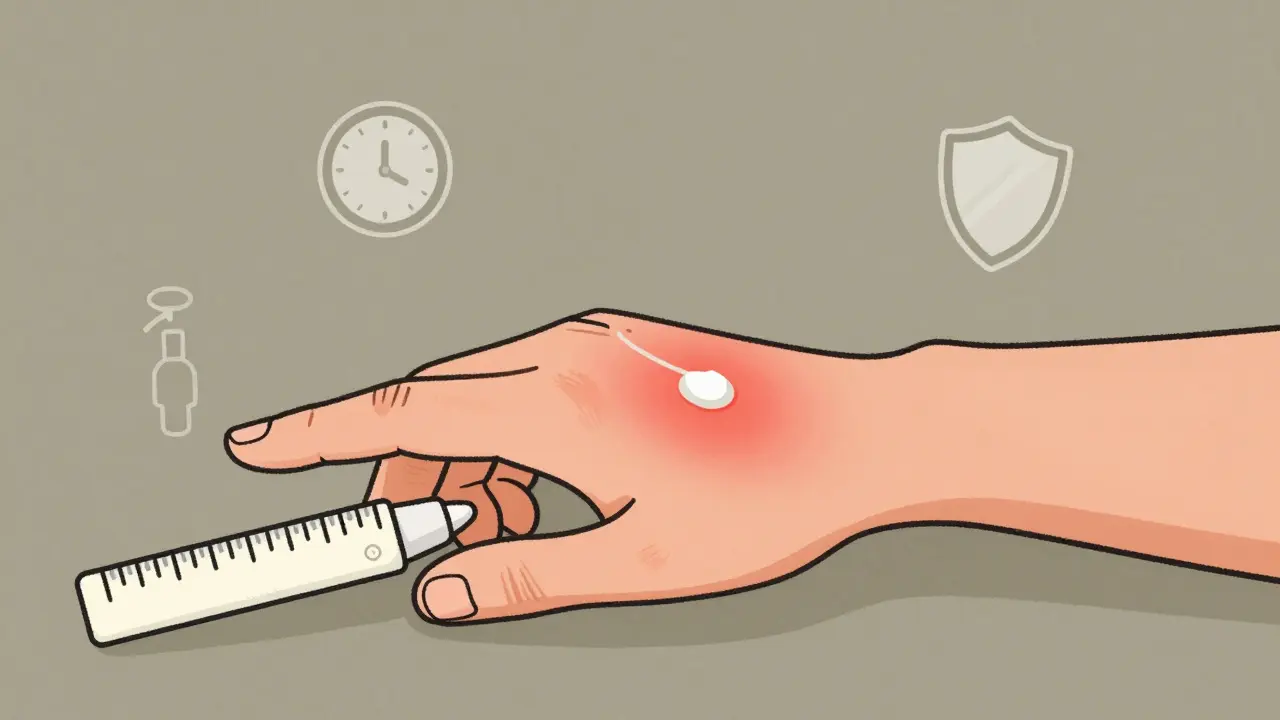
Topical steroids treat eczema and psoriasis effectively but can cause skin thinning if misused. Learn how to use them safely with the right dose, duration, and strength to avoid permanent damage.
Learn how to ethically obtain free medication samples from trusted platforms and track expiration dates to avoid health risks. Save money on prescriptions without compromising safety or integrity.

Prior authorization is a common but confusing step in getting your prescription covered by insurance. Learn what drugs require it, how the process works, what to do if it's denied, and how to avoid delays.

Medicare can now negotiate drug prices for the first time under the Inflation Reduction Act. Discover how this cuts costs for seniors, changes insurer discounts, and reshapes the entire U.S. drug pricing system.
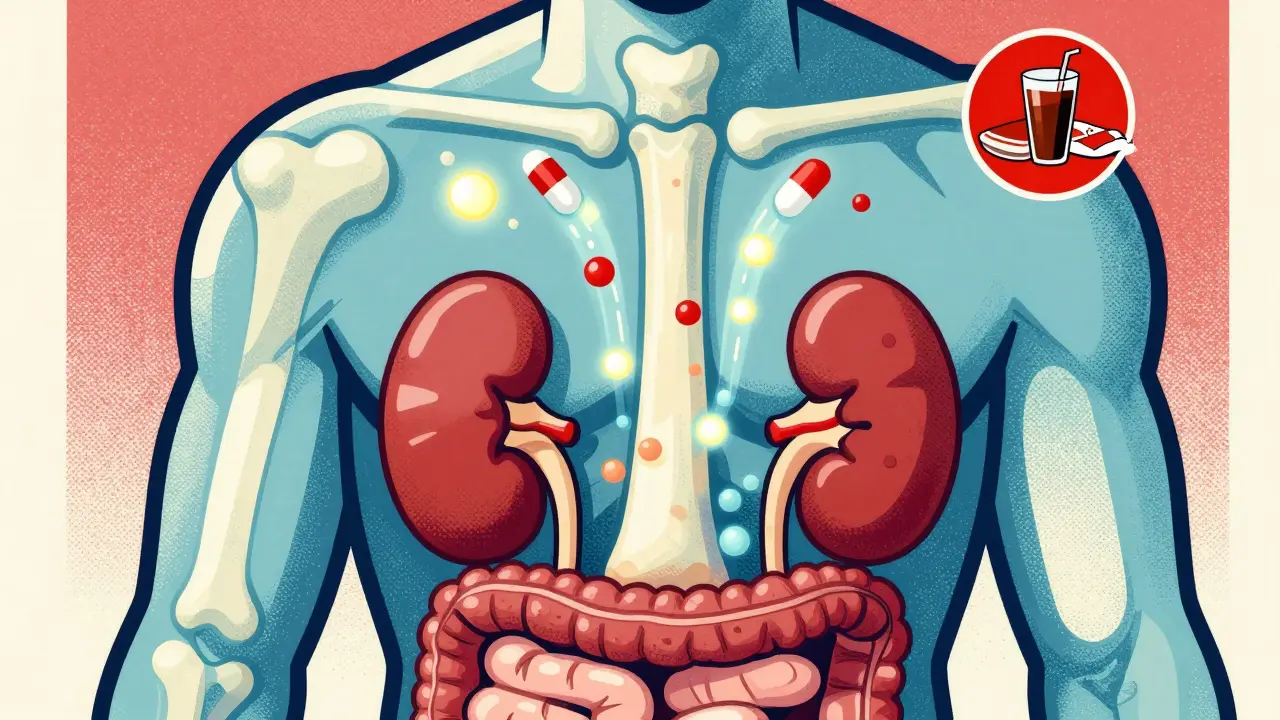
Learn how to manage hypoparathyroidism with calcium and vitamin D, including dosing, diet, monitoring, and when to consider newer PTH therapies. Avoid kidney damage and stabilize your symptoms with proven strategies.
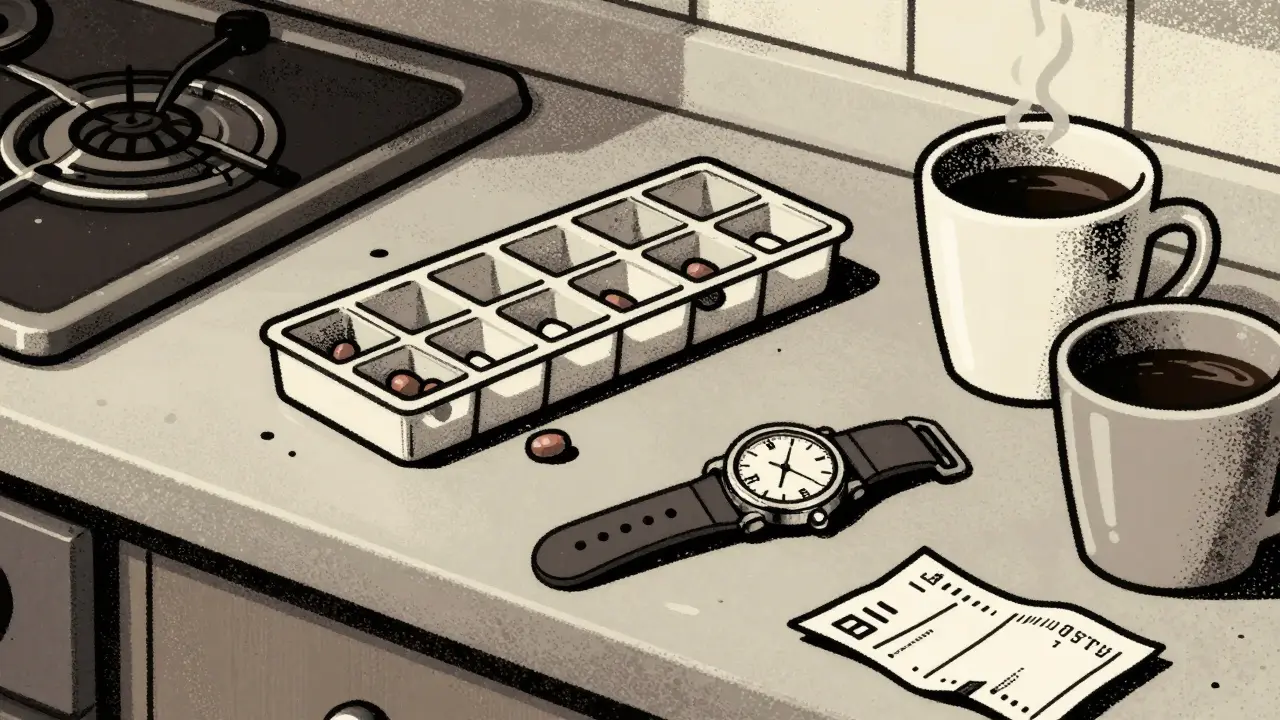
Over half of patients with chronic conditions skip or forget their medications due to cost, confusion, complex schedules, and fear of side effects. Understanding these barriers is the first step to better health outcomes.
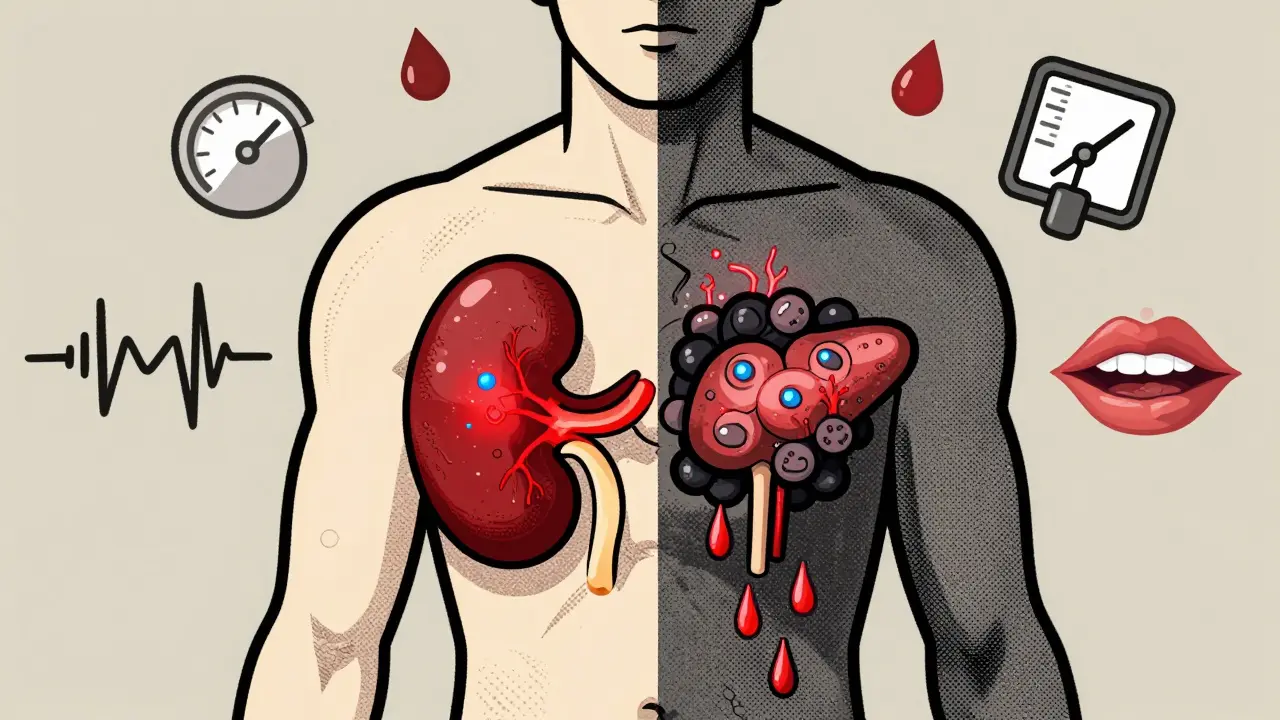
Cyclosporine and tacrolimus are essential for transplant patients but come with serious side effects like kidney damage, tremors, and diabetes. Learn how these drugs compare, what to watch for, and how doctors are now reducing their use to improve long-term health.
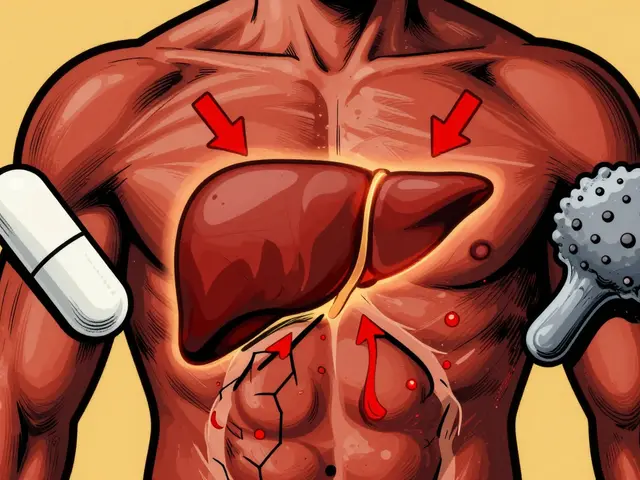
Statins and antifungal medications can dangerously interact, increasing the risk of rhabdomyolysis-a severe muscle breakdown condition. Learn which statins are safest, which antifungals to avoid, and what to do if you're on both.
Prescription assistance programs from drug manufacturers help millions afford costly medications. Learn how copay cards and PAPs work, who qualifies, what you can save, and the hidden rules that could block your help.
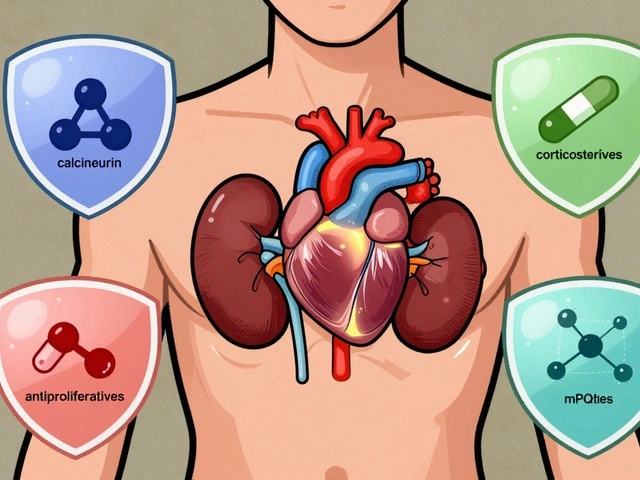
Immunosuppressants prevent organ rejection after transplant but carry serious risks like infection, cancer, and kidney damage. Learn how to manage these drugs safely, avoid missed doses, and reduce long-term side effects.
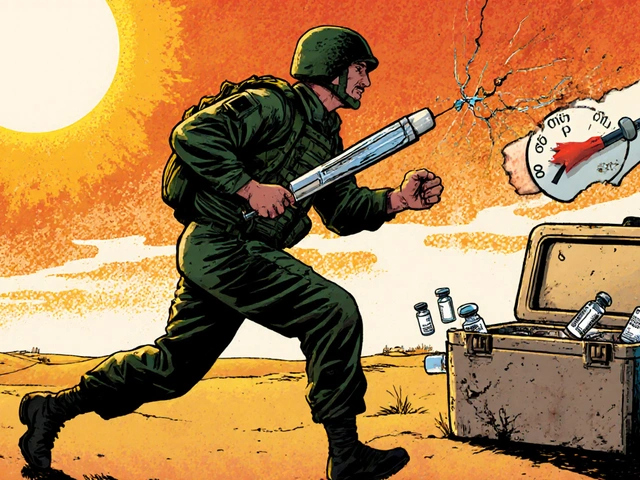
Military deployment exposes medications to extreme heat, storage failures, and access delays that can render life-saving drugs ineffective. From vaccines to insulin, improper storage threatens soldier readiness-and the military is racing to fix it.
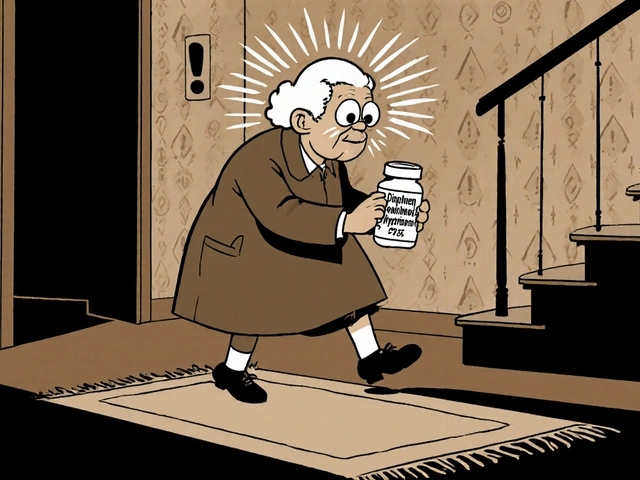
Sedating antihistamines like diphenhydramine significantly increase fall risk in older adults. Learn why first-generation options are dangerous, which safer alternatives exist, and practical steps to prevent falls through medication changes and home safety.