
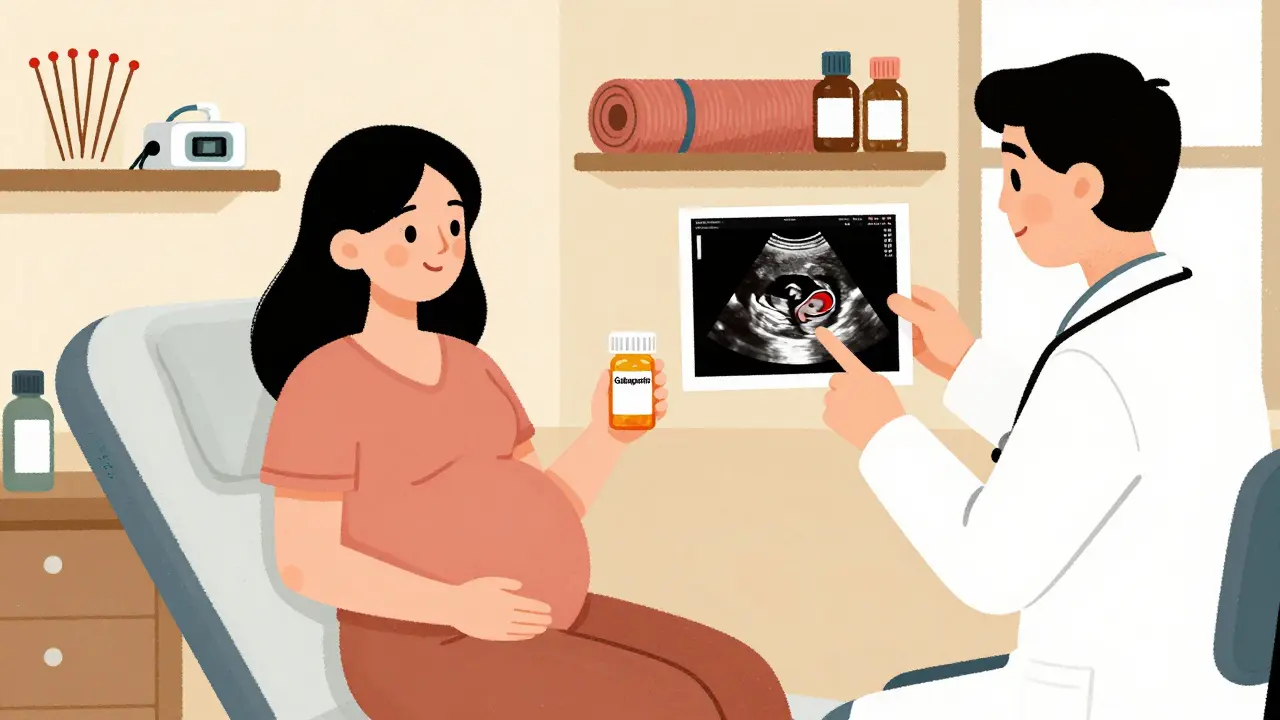
When a woman is pregnant and struggling with chronic pain, anxiety, or seizures, the question isn’t just gabapentin pregnancy safety-it’s whether the relief she needs is worth the potential risk to her baby. Gabapentin and pregabalin, two drugs commonly prescribed for nerve pain, epilepsy, and even insomnia, are being used more than ever during pregnancy. But what does the science actually say about their impact on fetal development? The answer isn’t simple, and it’s changing fast.
What Are Gabapentinoids, and Why Are They Used in Pregnancy?
Gabapentin and pregabalin are not traditional painkillers like ibuprofen or opioids. They’re GABA analogues-drugs designed to calm overactive nerves. Originally created for epilepsy, they’re now prescribed for fibromyalgia, diabetic nerve pain, post-shingles pain, and even anxiety disorders. In pregnancy, they’re often used when other options fail. A woman with severe sciatica or restless legs syndrome might find gabapentin the only thing that lets her sleep. A mother with treatment-resistant anxiety might rely on it to function.
Between 2000 and 2014, prescriptions for gabapentin in pregnant women in the U.S. jumped nearly 20-fold. By 2023, about 4.2% of all pregnancies involved gabapentinoid use. Most of these cases aren’t for epilepsy-they’re for pain. That’s important. When a drug is used for seizures, doctors expect some risk. But when it’s used for back pain or anxiety, the risk-benefit calculation shifts dramatically.
Does Gabapentin Cause Birth Defects?
The biggest fear for any pregnant person is a major birth defect. The good news? Large studies, including a 2020 analysis of over 1.7 million pregnancies published in PLOS Medicine, found no strong link between gabapentin and overall major congenital malformations. The risk increase was tiny: 3.21% in exposed pregnancies versus 3.00% in unexposed ones. That’s not a meaningful difference.
But there’s one exception: heart defects. Specifically, conotruncal defects-problems with the outflow tracts of the heart, like tetralogy of Fallot. When gabapentin was taken consistently (two or more prescriptions during pregnancy), the risk went up by 40%. The absolute risk is still low-0.82% versus 0.59% in unexposed pregnancies-but it’s real. This signal didn’t show up with lamotrigine, a common alternative for epilepsy in pregnancy. And it wasn’t seen with pregabalin in the same studies, but animal data raises concerns there too.
That’s why experts now recommend a fetal echocardiogram if gabapentin is used regularly after the first trimester. It’s not routine for every pregnancy, but if you’re on gabapentin, this scan becomes part of your care plan.
What About Premature Birth and Low Birth Weight?
The risks don’t stop at birth defects. Studies show consistent gabapentin use during pregnancy increases the chance of preterm birth (before 37 weeks) by 34%. It also raises the risk of having a baby smaller than expected for their gestational age-by 22%. These aren’t minor issues. Preterm babies face higher risks of breathing problems, feeding difficulties, and long-term developmental delays. Small babies often need extended hospital stays and specialized care.
These outcomes are more common than major malformations. In fact, they affect more babies than heart defects do. That’s why some doctors now see the biggest danger not in physical abnormalities, but in the baby’s ability to adapt after birth.
Neonatal Adaptation Syndrome: The Hidden Risk
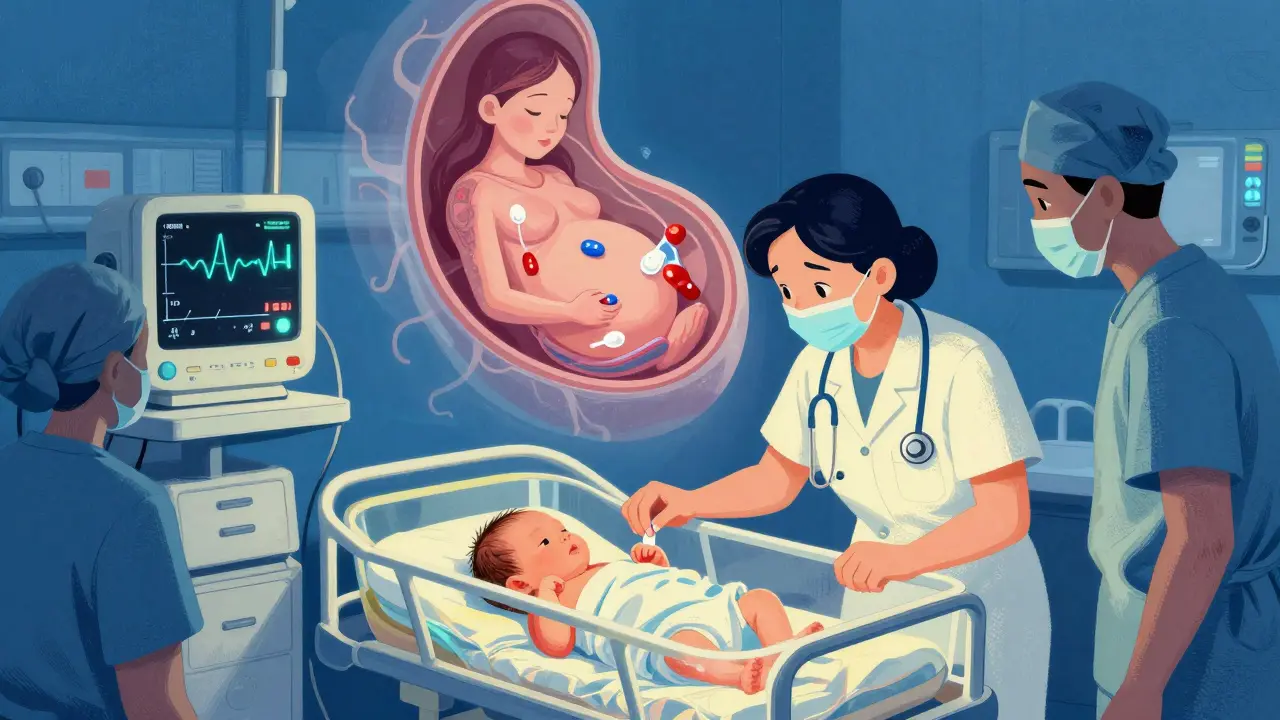
Think of newborns like sensitive instruments. When they’re exposed to a drug in the womb, their bodies adapt. When the drug is suddenly cut off after birth, they can go into withdrawal. This isn’t the same as opioid withdrawal, but it’s real. In one study of 209 pregnant women taking gabapentin, 37.7% of their newborns needed NICU care-compared to just 2.9% of babies whose mothers didn’t take the drug.
Why? Symptoms included jitteriness, trouble feeding, high-pitched crying, and breathing irregularities. These aren’t always obvious right away. Some babies seem fine at birth, then crash 12-48 hours later. That’s why hospitals now watch newborns exposed to gabapentin for at least 48 hours after delivery. If the mother was taking gabapentin until delivery, the baby gets monitored like a baby born to someone on opioids-not because the risks are the same, but because the pattern is similar.
How Does Gabapentin Affect the Baby’s Brain?
Beyond physical outcomes, there’s growing concern about brain development. A 2022 lab study exposed developing nerve cells to therapeutic levels of gabapentin. The results were alarming: the cells showed 37-42% less growth in their nerve branches. Key genes needed for brain development-Nurr1, En1, and Bdnf-were turned down by over 50%. These genes help shape dopamine-producing neurons, which are critical for movement, mood, and attention.
This doesn’t mean every baby exposed to gabapentin will have autism or ADHD. But it does suggest a biological pathway for long-term neurodevelopmental effects. That’s why the NIH is funding a major study tracking 1,200 children exposed to gabapentin in the womb until age five. Results are expected in late 2025. Until then, we’re working with incomplete data.
What Do Guidelines Say Now?
Regulators are catching up. The European Medicines Agency says pregabalin should be avoided in pregnancy unless benefits clearly outweigh risks. The British National Formulary now labels gabapentin as requiring “special consideration.” The FDA still lists both drugs as Category C-meaning animal studies show risk, but human data is limited. That’s outdated. The real message from recent studies is this: gabapentin isn’t as dangerous as valproic acid, but it’s not harmless either.
The American College of Obstetricians and Gynecologists (ACOG) recommends gabapentin only when non-drug options have failed and the condition is severe. That means: if you have mild back pain, try physical therapy first. If you have chronic nerve pain that keeps you from walking or sleeping, gabapentin might be the best option-but only after you’ve ruled out safer alternatives.
What Should You Do If You’re Pregnant and Taking Gabapentin?
If you’re already on gabapentin and just found out you’re pregnant, don’t panic. Stopping suddenly can be dangerous-especially if you’re using it for seizures. Talk to your doctor. Together, you can:
- Review why you’re taking it-is it for pain, anxiety, or seizures?
- Check if the dose can be lowered safely.
- Consider switching to a safer alternative like acetaminophen, physical therapy, or (in some cases) lamotrigine.
- Plan for fetal echocardiography if you’ve been taking it for more than a few weeks.
- Prepare for neonatal monitoring after birth.
If you’re planning a pregnancy and taking gabapentin, talk to your doctor now. Don’t wait. There’s time to adjust your treatment plan before conception. Many women successfully transition to non-drug therapies or safer medications before getting pregnant.
Is Pregabalin Safer Than Gabapentin?
No. In fact, the evidence is leaning the other way. Animal studies show pregabalin causes more developmental toxicity than gabapentin. While human data is still limited, regulatory agencies are already treating pregabalin with greater caution. The market is expected to shift away from pregabalin in pregnancy by 2027. If you’re choosing between the two, gabapentin has slightly more data supporting its use-but that doesn’t mean it’s safe.
What Are the Alternatives?
For pain: physical therapy, acupuncture, transcutaneous electrical nerve stimulation (TENS), and acetaminophen are first-line. For anxiety: cognitive behavioral therapy (CBT), mindfulness, and exercise can be very effective. For seizures: lamotrigine and levetiracetam have better safety profiles in pregnancy. For restless legs: iron supplements and lifestyle changes often help.
There’s no perfect solution. But for many women, combining non-drug therapies with the lowest effective dose of gabapentin works best. The goal isn’t to eliminate all discomfort-it’s to avoid harm while preserving quality of life.
What’s Next?
The FDA now requires manufacturers to track 5,000 pregnancy outcomes involving gabapentinoids by 2027. That’s a big step. We’re moving from guesswork to real data. In the meantime, doctors are being urged to update their protocols-47% of U.S. clinics are still using guidelines from 2018 or earlier.
For now, the message is clear: gabapentinoids aren’t off-limits in pregnancy, but they’re no longer a casual choice. They require careful planning, honest conversation, and close monitoring. If you’re taking them, you’re not alone. But you do need to be informed.
Is gabapentin safe to take while pregnant?
Gabapentin is not considered safe for routine use during pregnancy. While it doesn’t significantly increase the overall risk of major birth defects, it’s linked to higher rates of preterm birth, low birth weight, and neonatal withdrawal symptoms. There’s also a small but real increase in heart defects when taken consistently. It should only be used if non-drug treatments have failed and the condition is severe enough to justify the risks.
Can gabapentin cause autism or developmental delays in babies?
There’s no proven link yet, but early lab studies show gabapentin can interfere with brain cell development in ways that might affect attention, mood, and motor skills. A major NIH-funded study tracking 1,200 exposed children until age five is underway, with results expected in late 2025. Until then, caution is advised, especially with long-term or high-dose use.
Should I stop gabapentin if I’m pregnant?
Don’t stop abruptly. If you’re taking it for seizures, stopping suddenly could cause life-threatening seizures. If you’re using it for pain or anxiety, talk to your doctor about tapering off safely or switching to a safer alternative. The goal is to minimize risk without creating new dangers.
Is pregabalin safer than gabapentin in pregnancy?
No. Animal studies suggest pregabalin may be more harmful to fetal development than gabapentin. Regulatory agencies are already recommending against its use in pregnancy unless absolutely necessary. If you’re choosing between the two, gabapentin has more human data-but neither is considered safe for routine use.
What tests should I get if I took gabapentin during pregnancy?
If you took gabapentin regularly after the first trimester, ask your doctor about a detailed fetal echocardiogram to check for heart defects. After birth, your baby should be monitored in the hospital for at least 48 hours for signs of withdrawal-like jitteriness, poor feeding, or breathing problems. These are standard precautions now for babies exposed to gabapentinoids.
Jeane Hendrix
January 5, 2026 AT 19:24So I just found out I'm 14 weeks and have been on gabapentin for restless legs since last year. I didn't realize the preterm risk was this high. My OB just said 'it's probably fine' but now I'm freaked out. Anyone else in this boat? Also, is the fetal echo covered by insurance? Asking for a friend who's definitely not me.
Tom Swinton
January 5, 2026 AT 23:36I'm a neonatal nurse, and I've seen more than a few babies come in with jitteriness, poor feeding, and high-pitched crying after moms were on gabapentin-sometimes they didn't even know they were taking it until delivery. The 48-hour monitoring rule? Non-negotiable. I've had moms cry because they thought it was 'just anxiety' and didn't tell anyone. Please, if you're on this med, speak up. Your baby's first hours matter more than your fear of being judged.
Ashley S
January 7, 2026 AT 00:09Of course it's dangerous. Everything is dangerous now. Next they'll ban coffee and oxygen. I'm 32 weeks and still taking it-my back hurts, I can't sleep, and now I'm supposed to feel guilty for not being a perfect pregnant person? Newsflash: I'm not a lab rat.
Molly McLane
January 7, 2026 AT 05:47My sister took gabapentin for anxiety during both pregnancies. First baby: fine. Second baby: NICU for 72 hours because of withdrawal symptoms. She didn't tell her doctor she was still taking it because she thought it was 'just a sleep aid.' Please, if you're using it for anything other than seizures-talk to someone. Even if you think it's 'not a big deal.' It is.
Beth Templeton
January 8, 2026 AT 05:34Stop taking it. Done.
Leonard Shit
January 9, 2026 AT 10:04so like… if i’m on gabapentin for anxiety and i’m preggo and i just read this and now i’m panicking… should i just… quit cold turkey? or is that worse? i’m not a doctor but i think i’m one in my head.
Lily Lilyy
January 10, 2026 AT 21:13To anyone scared right now: you’re not alone. I was on gabapentin for fibromyalgia during my pregnancy. My OB was hesitant, but we lowered my dose, added physical therapy, and did the echo. My daughter is now 3 and hitting all her milestones. It’s not perfect, but it’s not a death sentence. You’re doing your best. That’s enough.
Matt Beck
January 11, 2026 AT 15:40Brain cells grow 42% less? 😳 So gabapentin is basically a brain-ruining drug? Like… is my future child gonna be a zombie? I mean, I get that science is scary, but also… I just want to nap without my legs screaming. 🤷♀️
Venkataramanan Viswanathan
January 11, 2026 AT 21:46In India, many women use gabapentin for chronic pain without awareness of risks. We need better education. Doctors here rarely discuss fetal outcomes. This article should be translated into regional languages. Awareness saves lives.
Kiran Plaha
January 13, 2026 AT 18:50My wife took it for nerve pain in her second trimester. We did the echo, baby was fine. She tapered off slowly after 28 weeks. No NICU. Just… communication. Talk to your team. Don’t hide it. It’s not shame, it’s safety.
Gabrielle Panchev
January 14, 2026 AT 19:31Wait-so you're telling me that the same drug that helps me sleep through my third trimester sciatica is now a 'potential heart defect trigger'? And the FDA is 'catching up'? Catching up to what? The fact that women have been taking this for 20 years and most babies are fine? This feels like fear-mongering dressed up as science. Also, why is pregabalin suddenly the villain? Did it offend someone?
Katie Schoen
January 15, 2026 AT 03:32My OB didn’t even mention gabapentin risks until I brought it up. She said, ‘Oh, you’re on that? Yeah, I’ve seen a few cases.’ That’s it. No echo, no warning, no nothing. If this is standard care, we’re failing. I’m switching doctors. No more passive-aggressive medical advice.