
Ever wonder why rush hour feels like a never‑ending line of stop‑and‑go? The answer isn’t just more cars on the road; it’s also how those cars behave. Self‑driving vehicles promise smoother flow, shorter trips, and fewer accidents. In this guide we’ll break down what autonomous tech brings to traffic, what cities are testing right now, and what you should keep an eye on as the road changes.
Human drivers make tiny mistakes every second – sudden braking, missed gaps, or just getting distracted. Those little blips add up to big bottlenecks. Autonomous cars use sensors and algorithms to keep a steady speed, keep safe gaps, and coordinate with nearby vehicles. The result? Less stop‑and‑go, tighter lane usage, and higher road capacity without building new highways.
Another win is platooning. When a group of self‑driving trucks or cars travel together, they can cut air resistance and stay only a few feet apart. Studies from a 2022 European pilot showed a 15% reduction in fuel use and a 12% cut in travel time for platooned routes. If more drivers adopt this behavior, the ripple effect could ease city congestion for everyone.
Several cities have already let autonomous shuttles run on downtown streets. Phoenix, for example, operates a fleet that picks up riders every few minutes and follows a fixed route. Early data shows a 20% drop in average wait time compared with the old bus line. Meanwhile, Singapore’s smart traffic system now talks directly to connected cars, adjusting signal timing in real time. The city reports smoother flows during peak hours and fewer idle seconds at intersections.Policy plays a big role too. Governments are tweaking zoning laws to allow dedicated lanes for autonomous vehicles, and insurance regulators are creating new coverage frameworks. When these rules line up with tech, you get faster rollouts and clearer benefits for drivers.
If you’re curious about how soon this will affect your daily commute, look for three signs: (1) more “connected car” logos on new vehicle ads, (2) city council meetings discussing dedicated AV lanes, and (3) local news covering pilot programs with real‑time traffic dashboards. Those clues usually mean the technology is moving from test tracks to real streets.
Bottom line: autonomous vehicles aren’t just a futuristic buzzword. They’re already reshaping traffic patterns in pockets around the world, and the lessons learned are quickly spreading. Whether you’re a commuter, a city planner, or just someone who hates sitting in a jam, keeping tabs on these developments can help you plan smarter routes, choose better travel options, and stay ahead of the curve as transportation evolves.

Explore how self‑driving cars could reshape traffic jams, the tech behind them, policy levers, real‑world pilots, and what it means for commuters and cities.
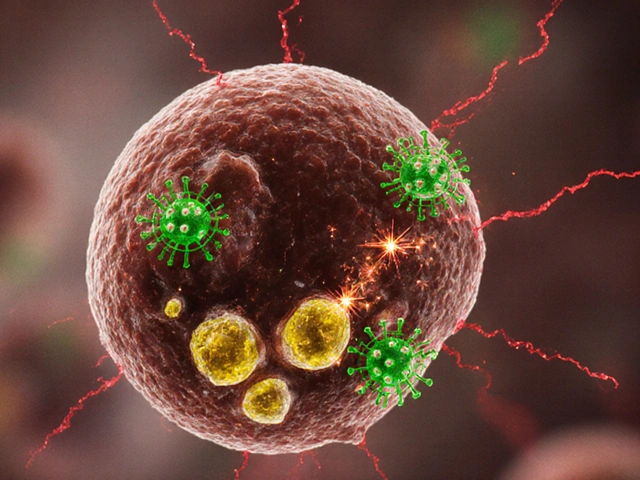
Explore why genotype 3 hepatitis C often causes stubborn fatigue, the biological reasons behind it, and practical steps to manage and recover from this symptom.
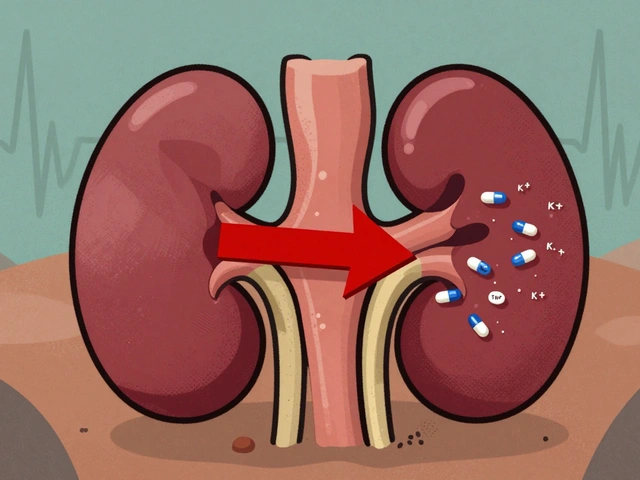
Trimethoprim can cause dangerous spikes in potassium levels, especially in older adults or those on blood pressure meds. Learn who's at risk, how to prevent life-threatening hyperkalemia, and safer antibiotic alternatives.

Floaters after cataract surgery are common and usually harmless, but sudden changes can signal serious issues. Learn what’s normal, when to worry, and what to do next.
A personal medication list saves lives by preventing dangerous drug interactions. Learn exactly what to include-prescriptions, OTC drugs, supplements, allergies-and how to keep it updated for maximum safety.
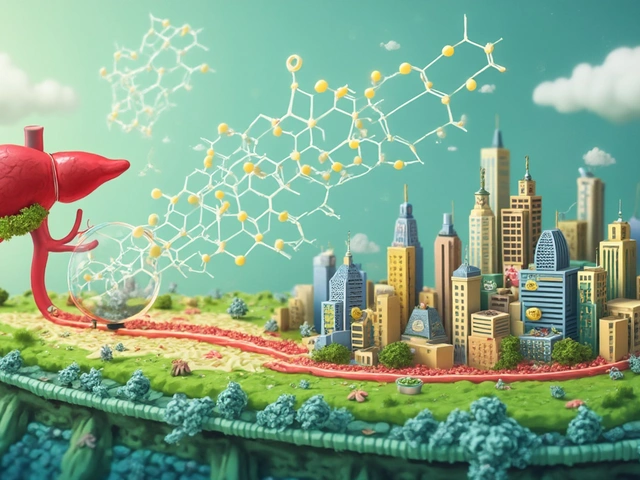
Ursodeoxycholic acid (UDCA) plays a pivotal role in bile acid metabolism, offering numerous benefits for individuals with liver health concerns. It's fascinating how this substance can improve the breakdown and absorption of dietary fats and vitamins. For those grappling with liver disorders, understanding UDCA's impact is key to better health outcomes. This article explores the science behind UDCA, its practical advantages, and offers tips for maximizing its benefits.