
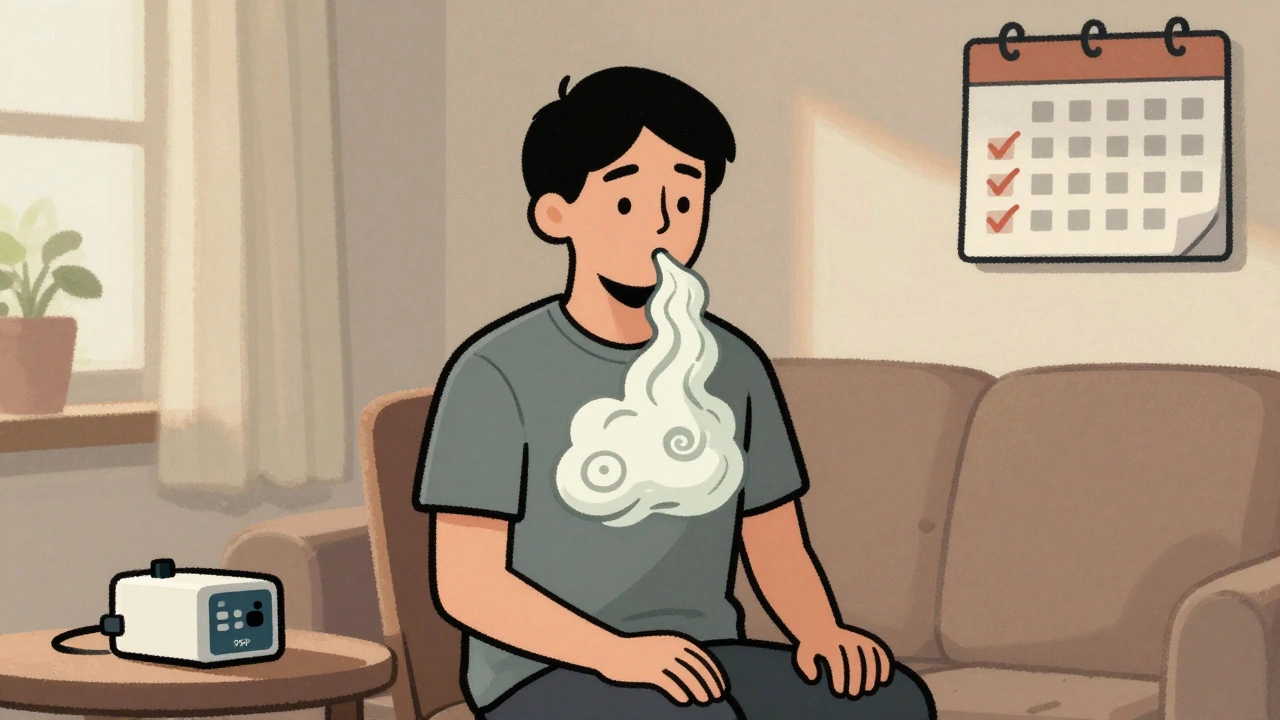
Bronchiectasis causes chronic cough and mucus buildup, leading to frequent infections. Daily airway clearance and targeted antibiotics can break this cycle, slow lung damage, and improve quality of life - even if the condition can't be cured.
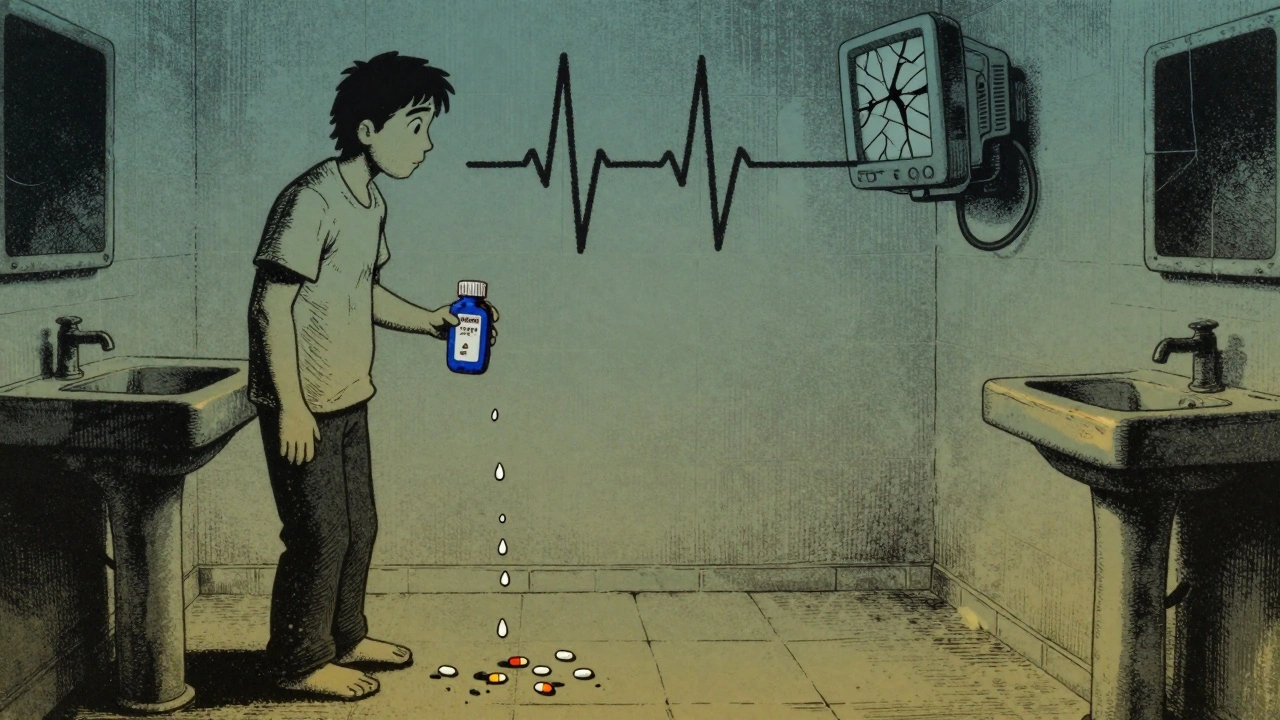
Loperamide, found in OTC antidiarrheals like Imodium, is being misused by people trying to self-treat opioid withdrawal. At high doses, it causes life-threatening heart rhythms and can be fatal. Learn the warning signs and why this isn't just another drug trend.
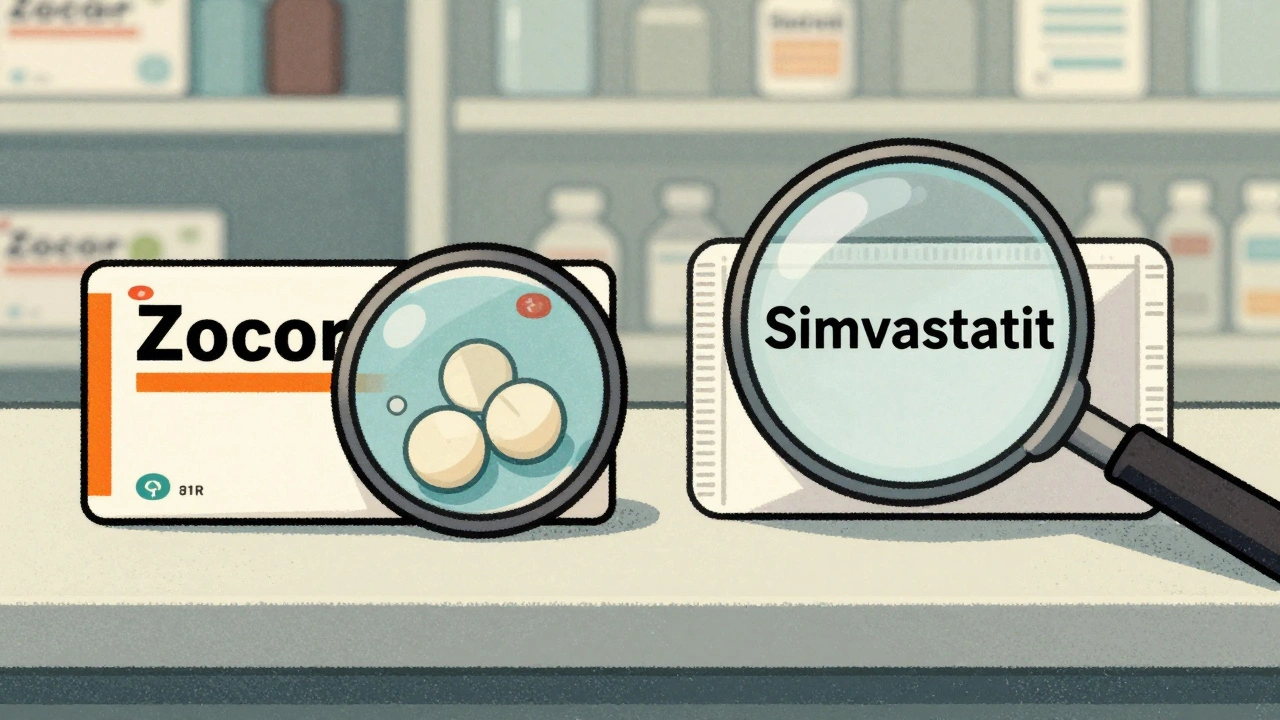
Authorized generics are the exact same drug as the brand-name version, made by the same company, but sold under a generic label. Learn how they work, why they exist, and how to spot them to save money without sacrificing quality.
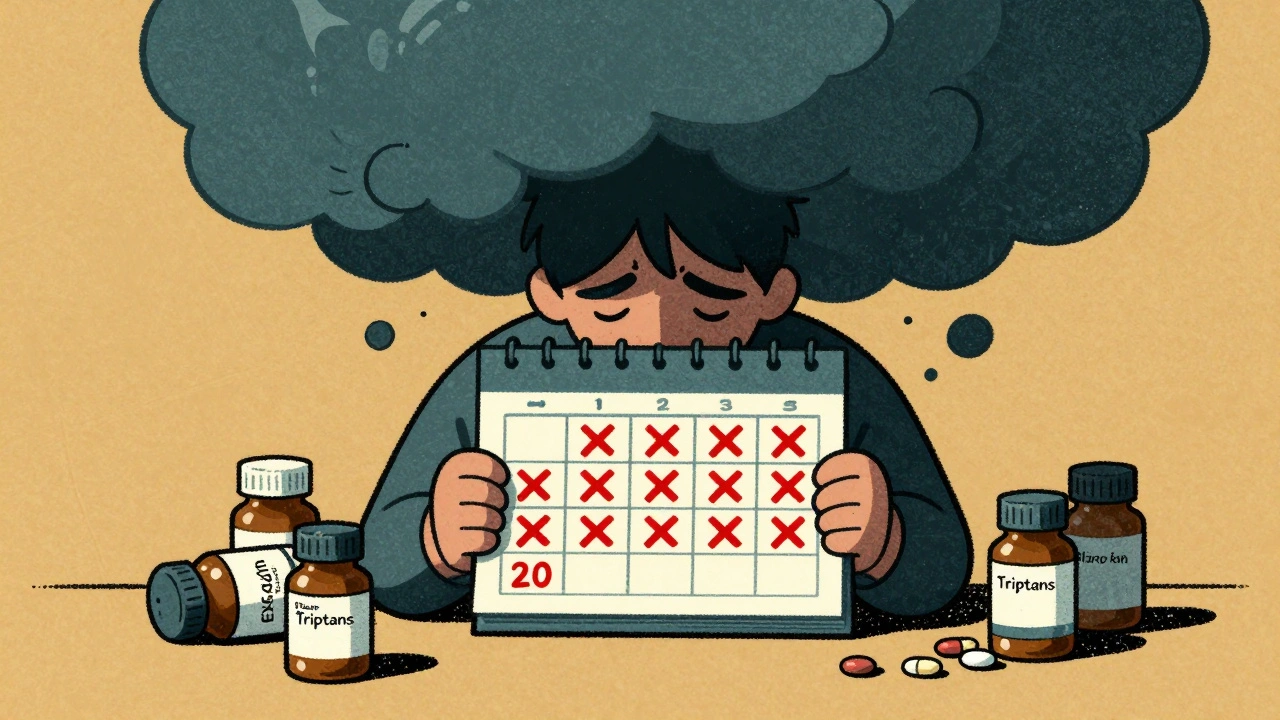
Medication overuse headaches are a hidden cause of chronic pain, triggered by too-frequent use of common painkillers. Learn how to identify them, safely stop the cycle, and find lasting relief with proven treatments.
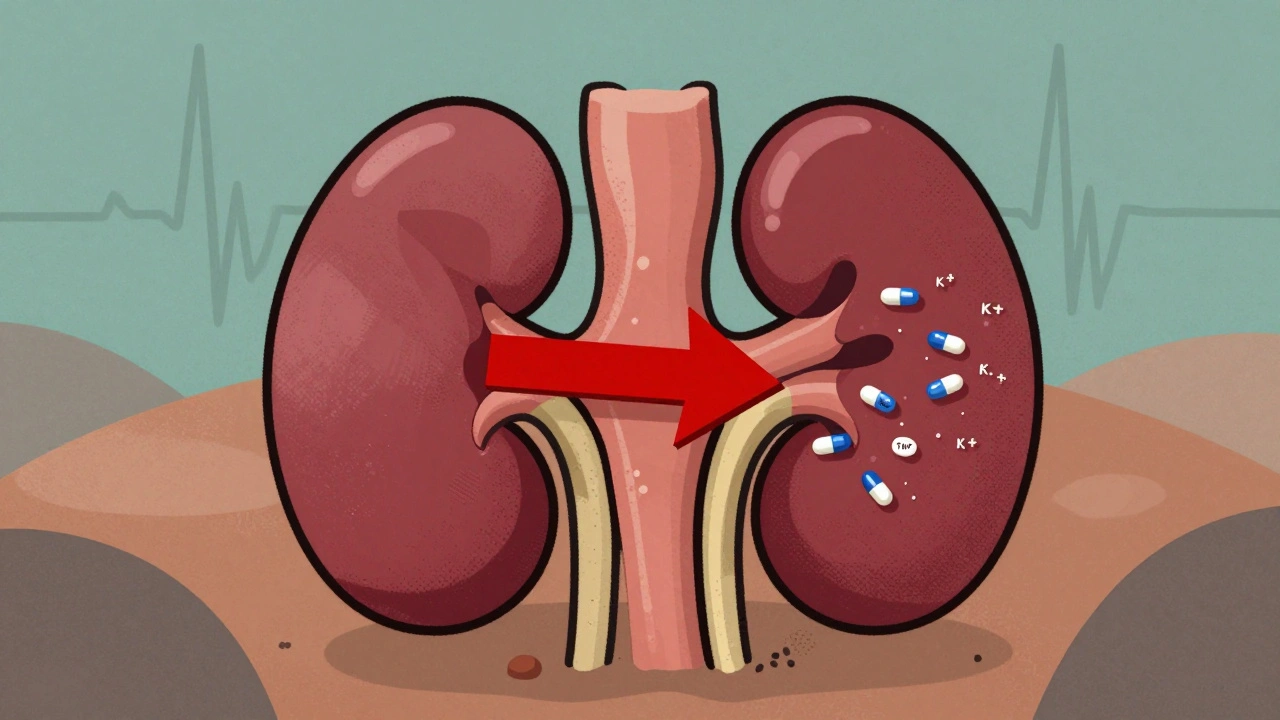
Trimethoprim can cause dangerous spikes in potassium levels, especially in older adults or those on blood pressure meds. Learn who's at risk, how to prevent life-threatening hyperkalemia, and safer antibiotic alternatives.
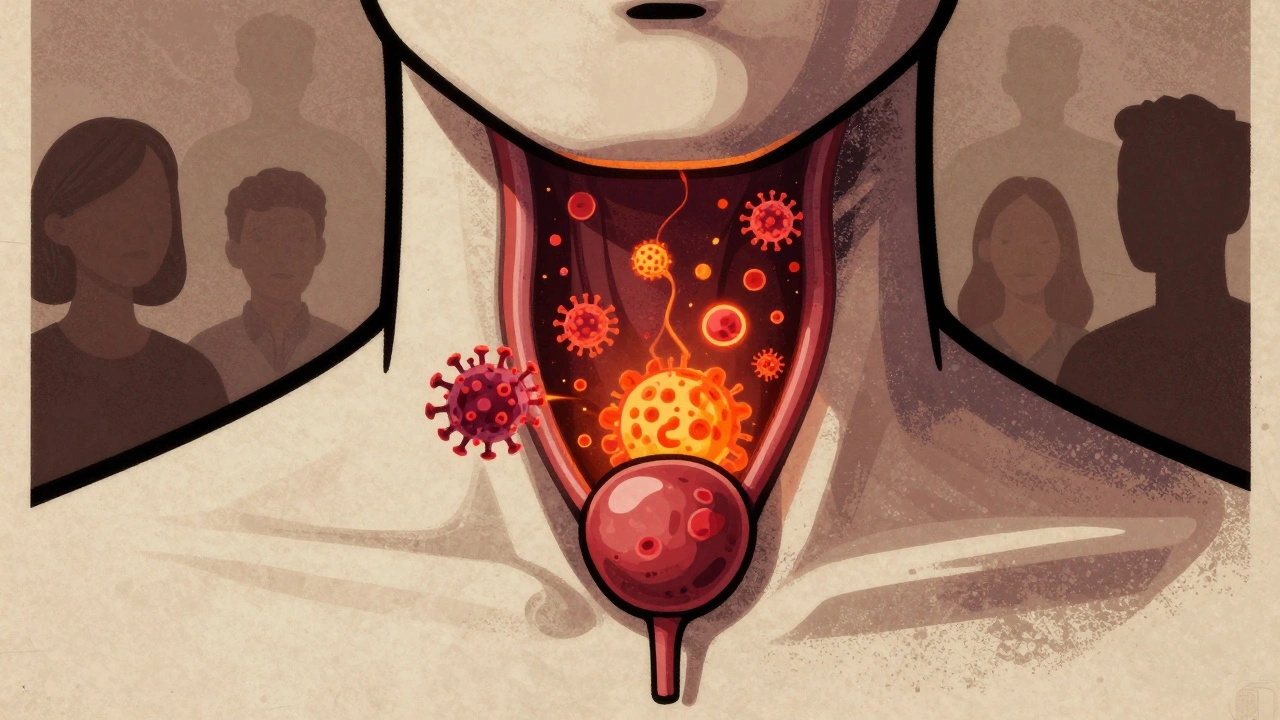
HPV causes thousands of throat and anal cancers each year in the U.S., with rising rates among men. Vaccination is the most effective way to prevent these cancers - yet coverage remains too low. Learn how HPV leads to cancer and what you can do to stop it.
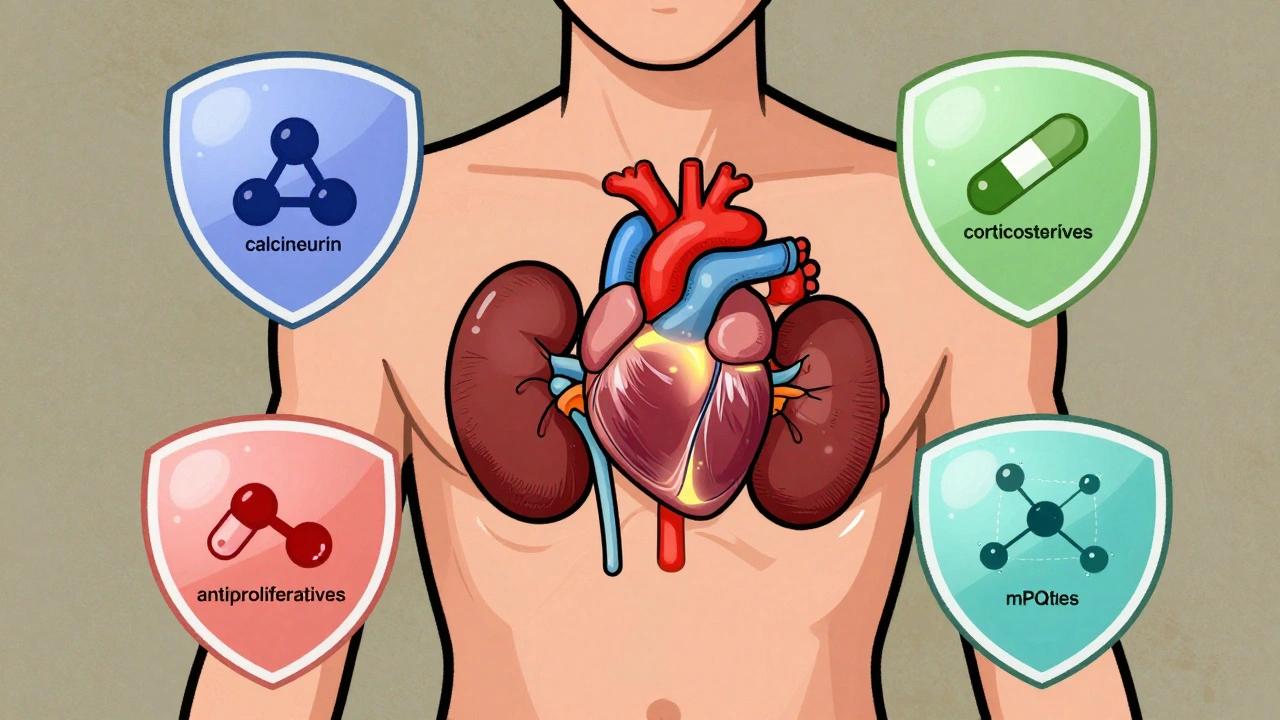
Immunosuppressants prevent organ rejection after transplant but carry serious risks like infection, cancer, and kidney damage. Learn how to manage these drugs safely, avoid missed doses, and reduce long-term side effects.
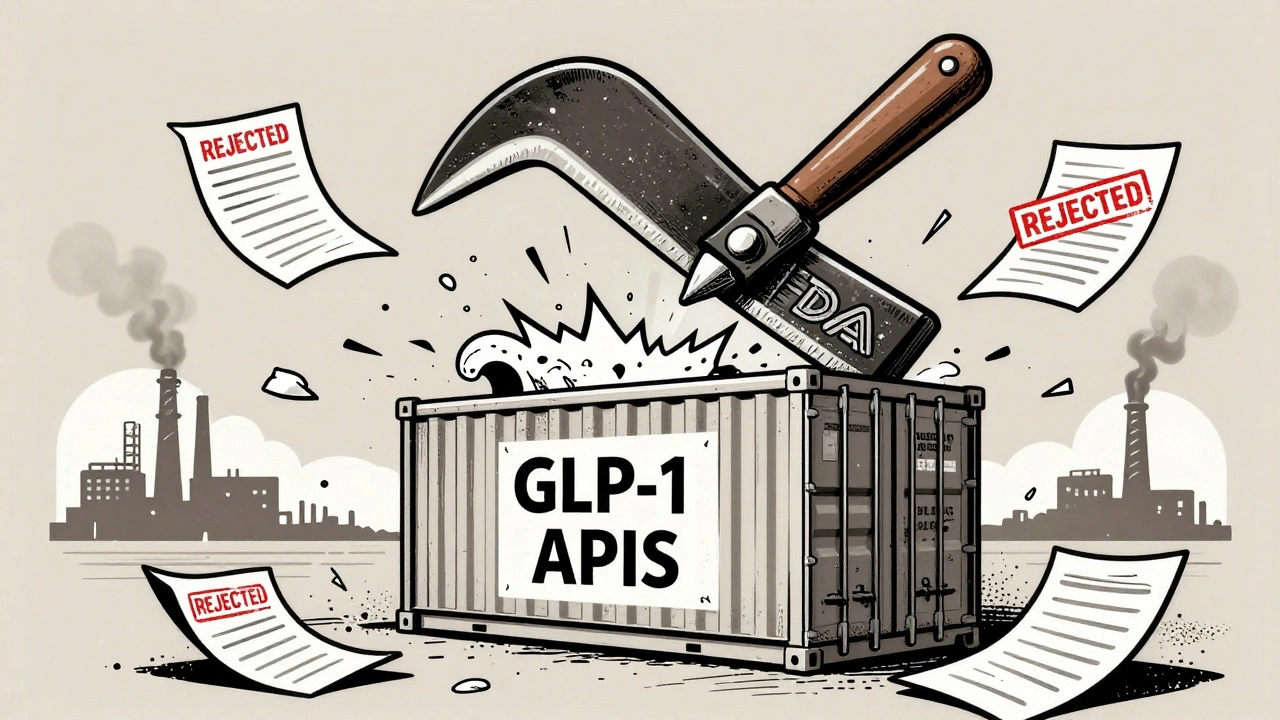
The FDA uses Import Alerts to automatically block drug shipments from non-compliant manufacturers. With the 2025 Green List initiative, enforcement against GLP-1 APIs has become the strictest in history-reshaping global supply chains and raising compliance standards.
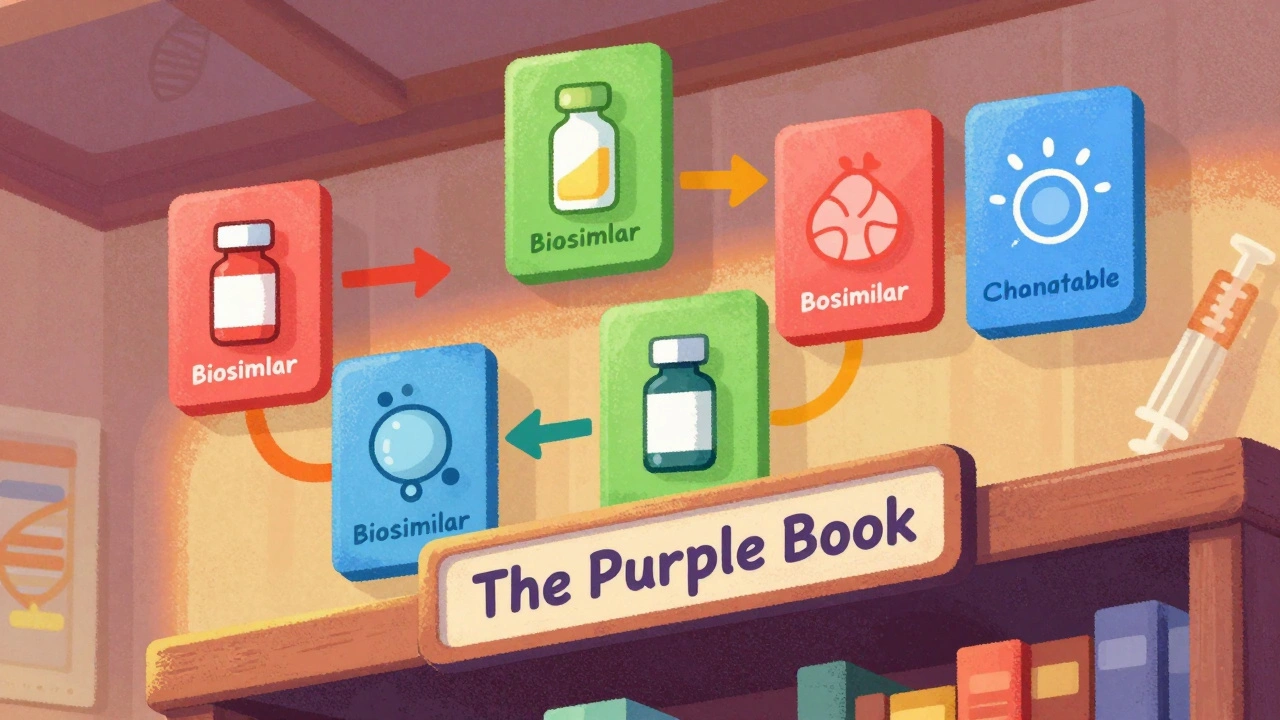
The FDA's Purple Book is the official guide to biosimilars and interchangeable biological drugs. Learn how it works, what the difference is between biosimilars and interchangeable products, and how pharmacists use it to make safe substitutions.
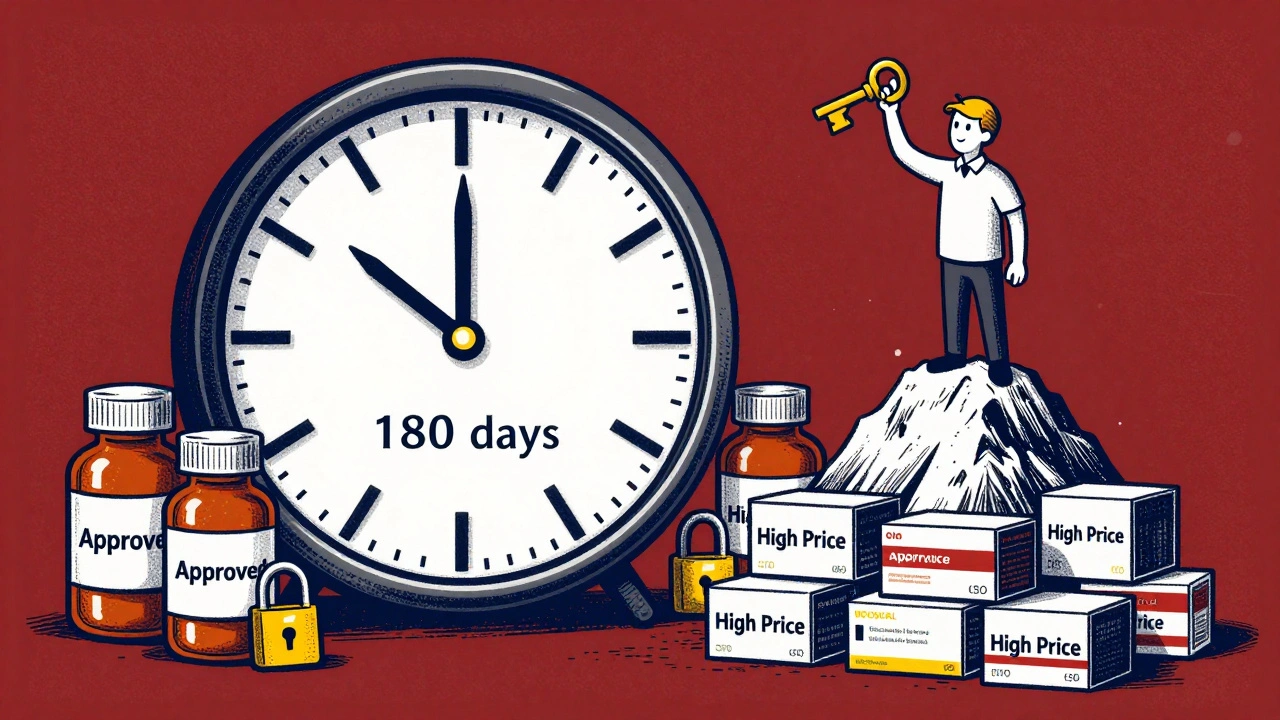
The 180-day exclusivity rule under the Hatch-Waxman Act was meant to speed up generic drug entry-but now it often delays it. Learn how patent challenges, FDA rules, and corporate strategy keep prices high and patients waiting.
The nocebo effect explains why people feel side effects from medications even when the drug has no active ingredient. Expectations, not chemistry, often drive these reactions - and they're more common than you think.
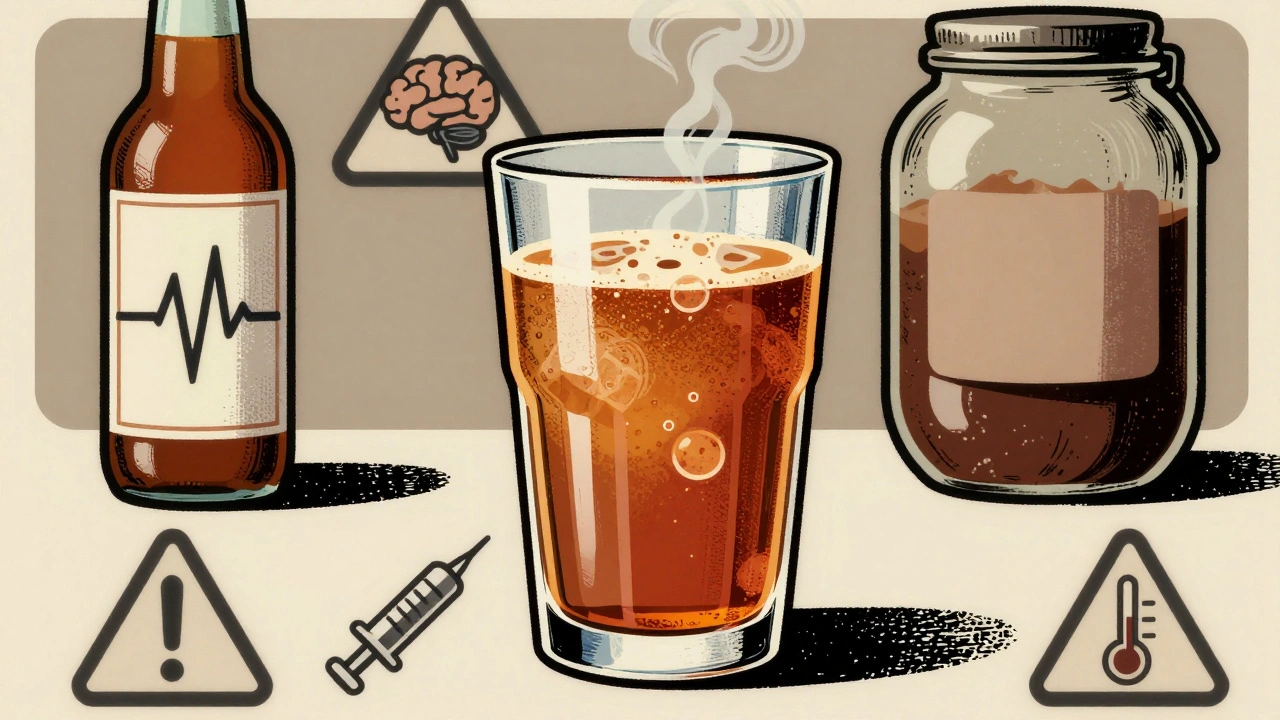
Kombucha contains trace alcohol that can interact dangerously with medications like metronidazole, SSRIs, and diabetes drugs. Learn what levels are safe, how to spot risky products, and what to do if you're on alcohol-sensitive meds.
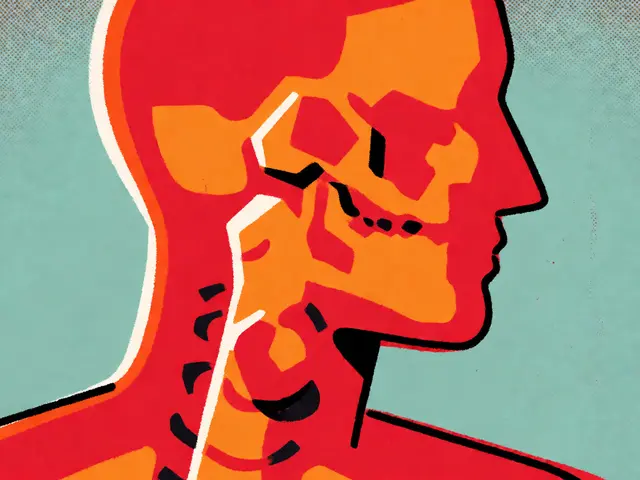
Discover how specialized rehab and occupational therapy tackle functional impairment in autoimmune diseases. Learn about energy conservation, safe exercise dosing, and overcoming the boom-bust cycle.
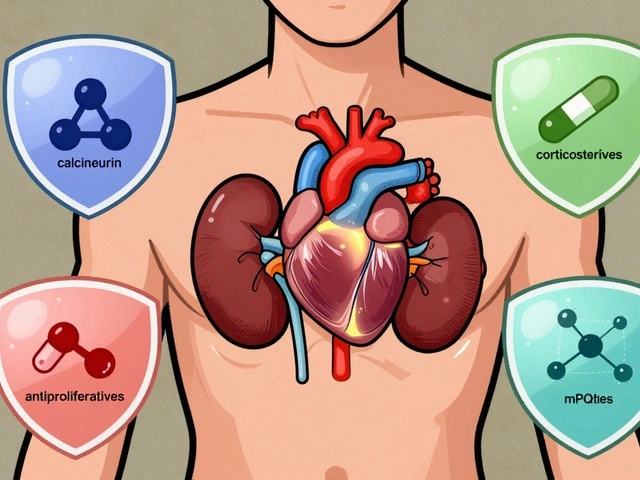
Immunosuppressants prevent organ rejection after transplant but carry serious risks like infection, cancer, and kidney damage. Learn how to manage these drugs safely, avoid missed doses, and reduce long-term side effects.
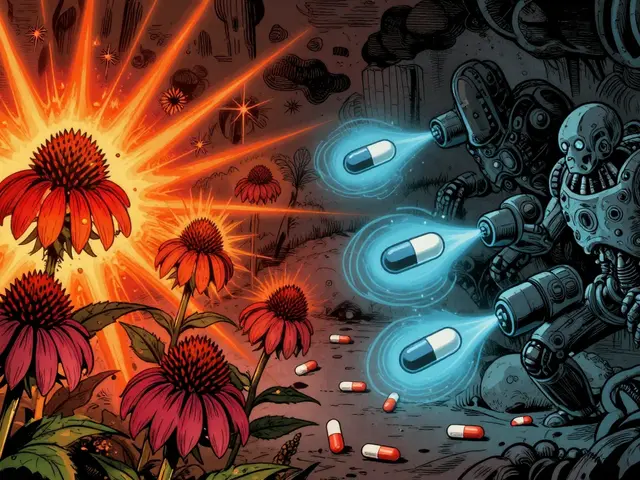
Echinacea may seem like a safe immune booster, but for people on immunosuppressants, it can interfere with life-saving medications. Learn why experts warn against using it after transplants or for autoimmune conditions.
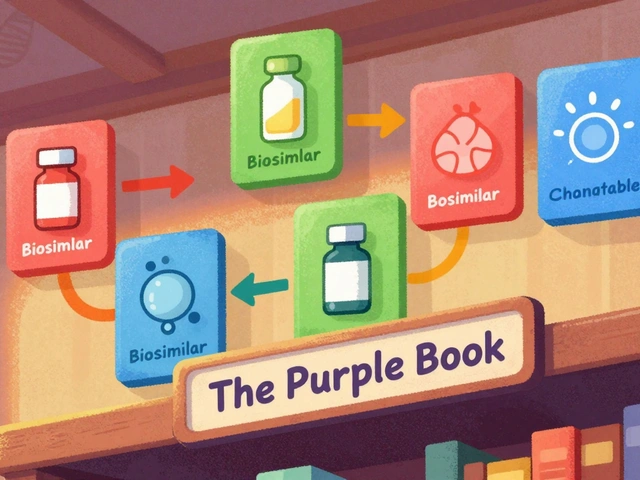
The FDA's Purple Book is the official guide to biosimilars and interchangeable biological drugs. Learn how it works, what the difference is between biosimilars and interchangeable products, and how pharmacists use it to make safe substitutions.
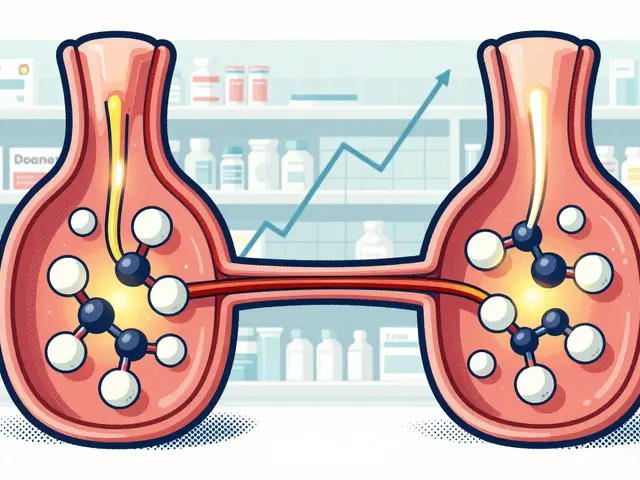
Infographics about generics help patients understand that generic drugs are just as safe and effective as brand-name versions. With clear visuals, they debunk myths, explain FDA approval, and show how generics save money-without sacrificing quality.