

Dependence on foreign manufacturing for pharmaceutical ingredients is causing widespread drug shortages. With over 80% of active ingredients coming from just a few countries, disruptions in China or India directly impact patient access to life-saving medications.
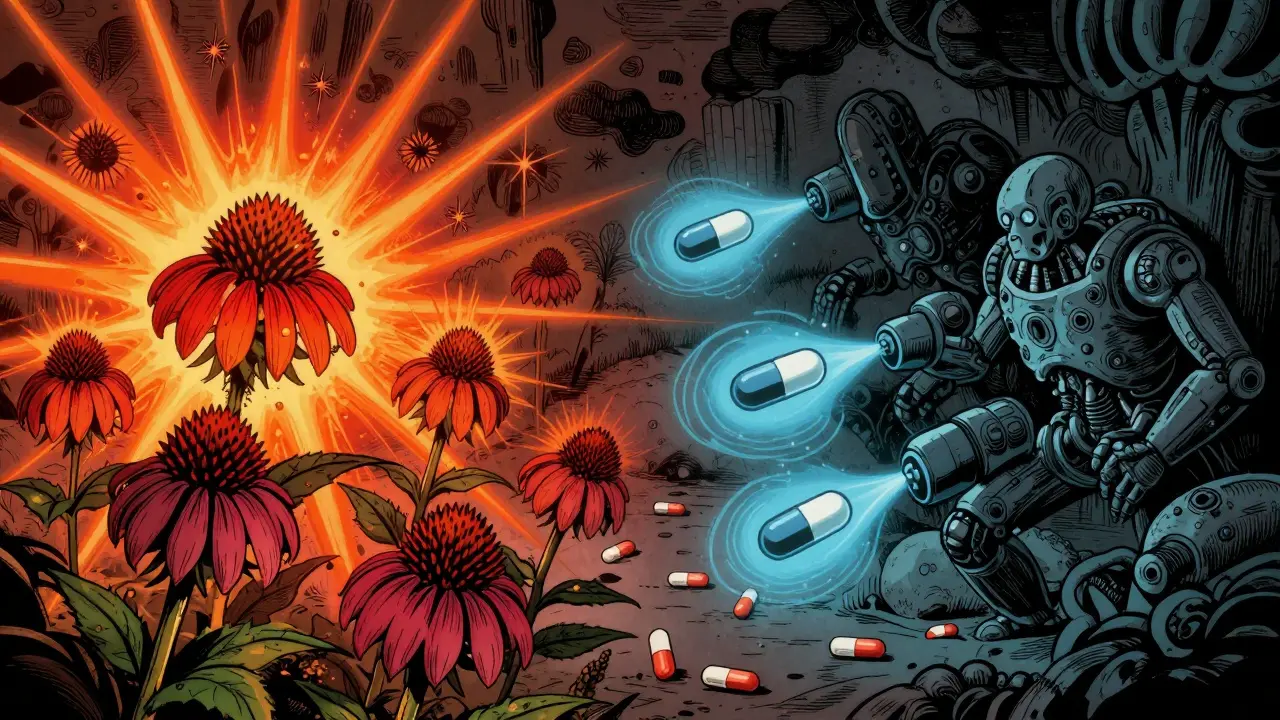
Echinacea may seem like a safe immune booster, but for people on immunosuppressants, it can interfere with life-saving medications. Learn why experts warn against using it after transplants or for autoimmune conditions.
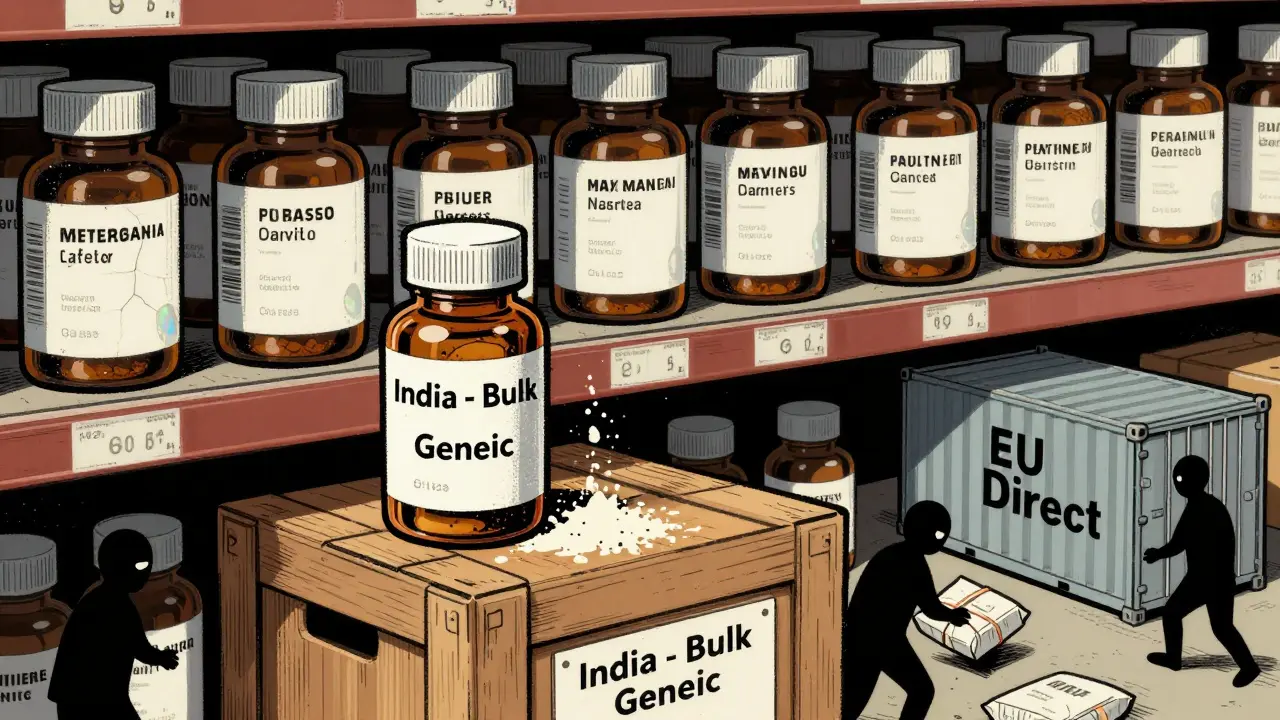
Fake generic drugs are a growing global threat, slipping into supply chains through unregulated distributors, online pharmacies, and weak tracking systems. Learn how they're made, where they come from, and how to protect yourself.
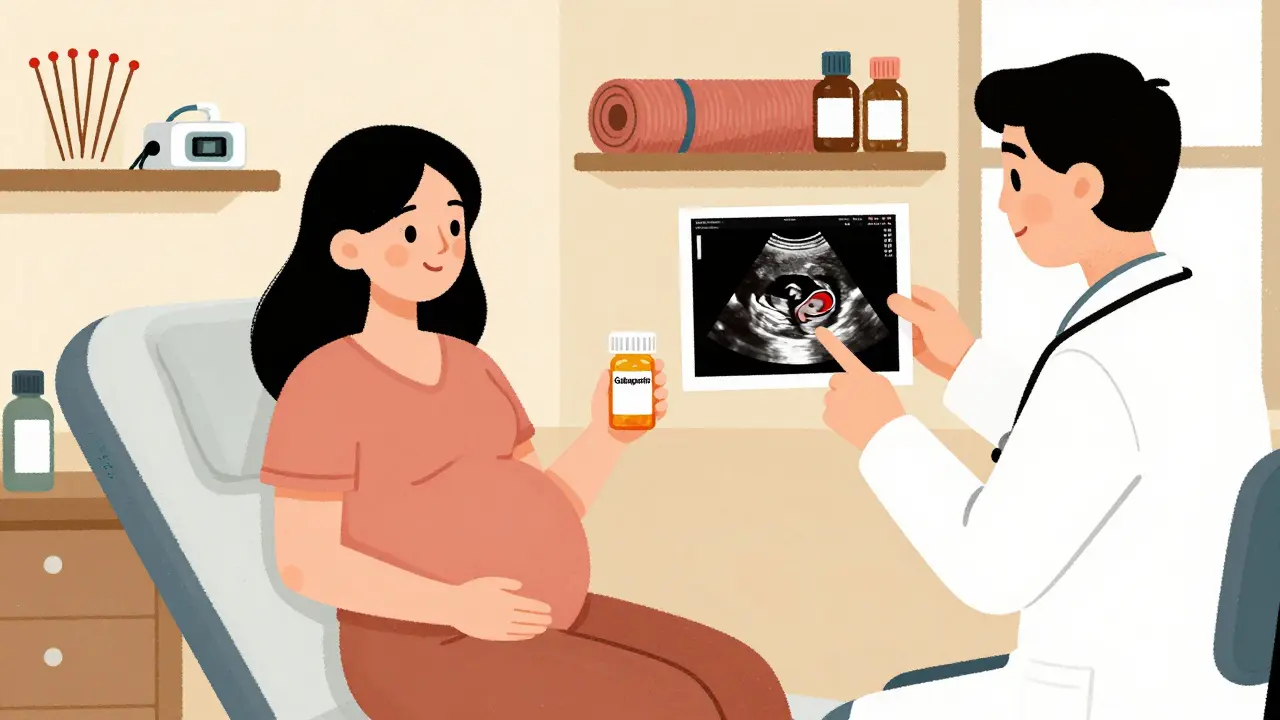
Current evidence shows gabapentin and pregabalin may increase risks of preterm birth, heart defects, and neonatal withdrawal in pregnancy. Safer alternatives exist, and careful monitoring is essential if these drugs are used.
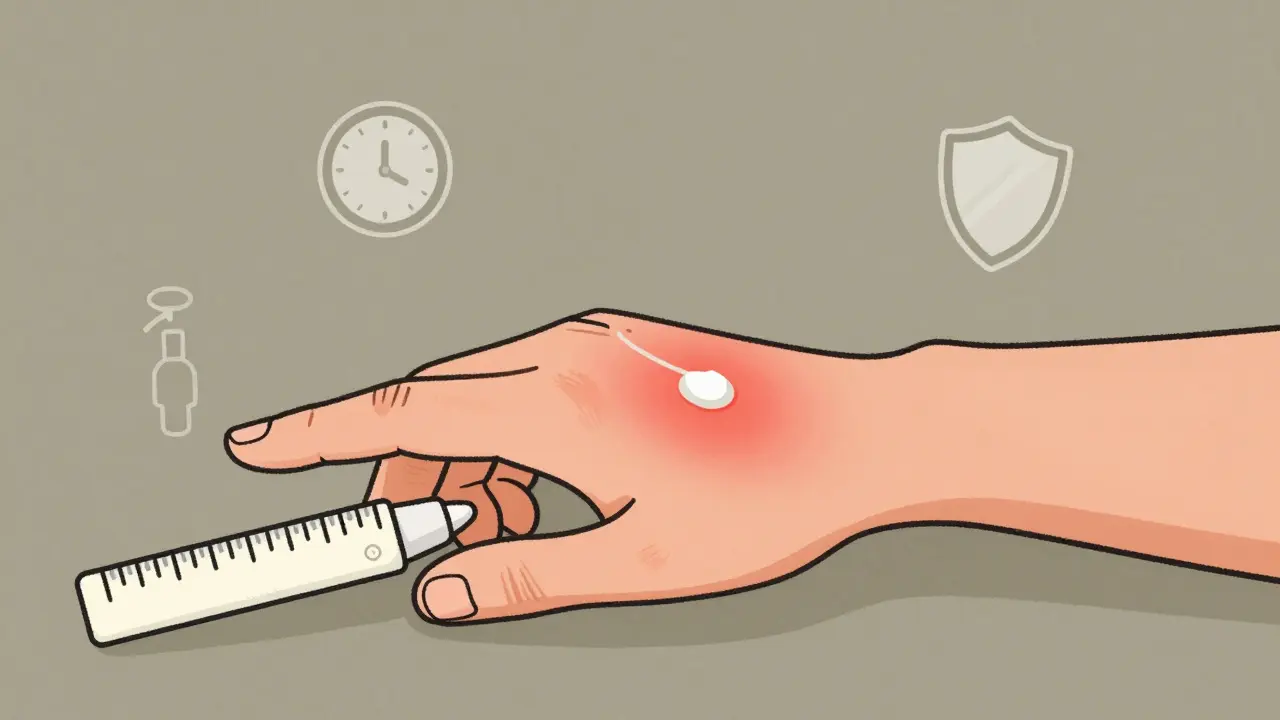
Topical steroids treat eczema and psoriasis effectively but can cause skin thinning if misused. Learn how to use them safely with the right dose, duration, and strength to avoid permanent damage.
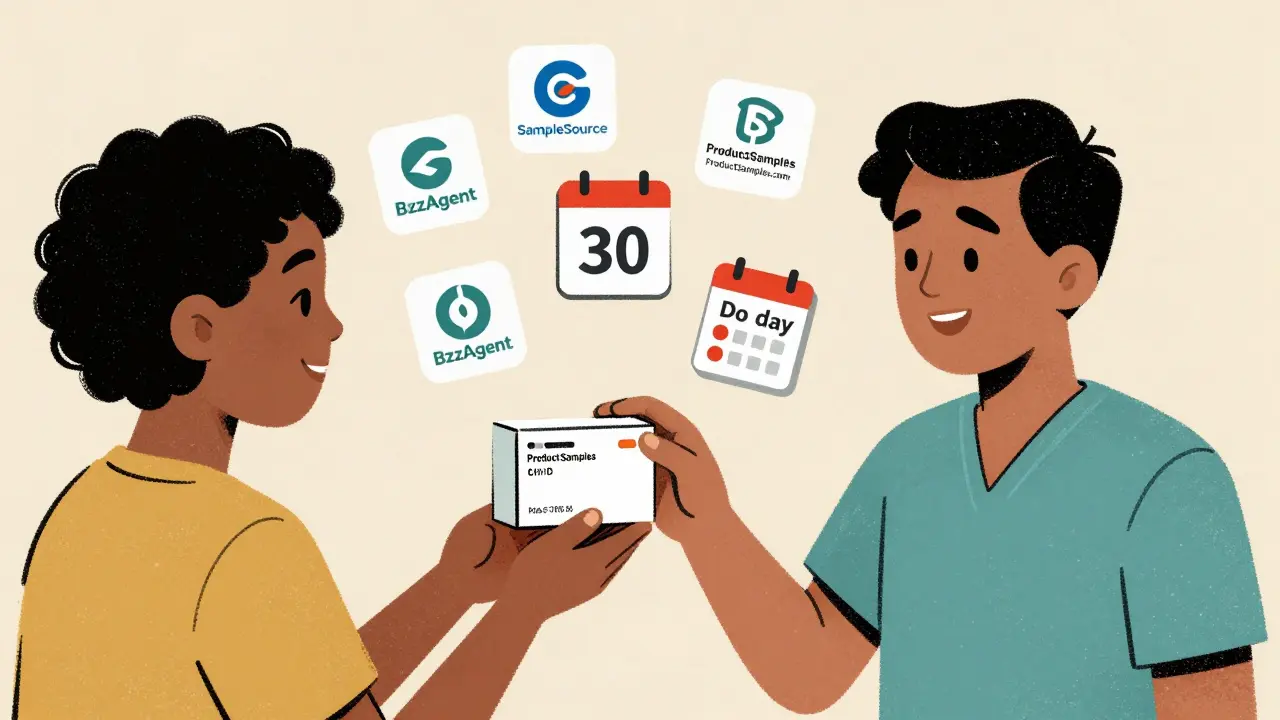
Learn how to ethically obtain free medication samples from trusted platforms and track expiration dates to avoid health risks. Save money on prescriptions without compromising safety or integrity.

Prior authorization is a common but confusing step in getting your prescription covered by insurance. Learn what drugs require it, how the process works, what to do if it's denied, and how to avoid delays.

Medicare can now negotiate drug prices for the first time under the Inflation Reduction Act. Discover how this cuts costs for seniors, changes insurer discounts, and reshapes the entire U.S. drug pricing system.

Over half of patients with chronic conditions skip or forget their medications due to cost, confusion, complex schedules, and fear of side effects. Understanding these barriers is the first step to better health outcomes.
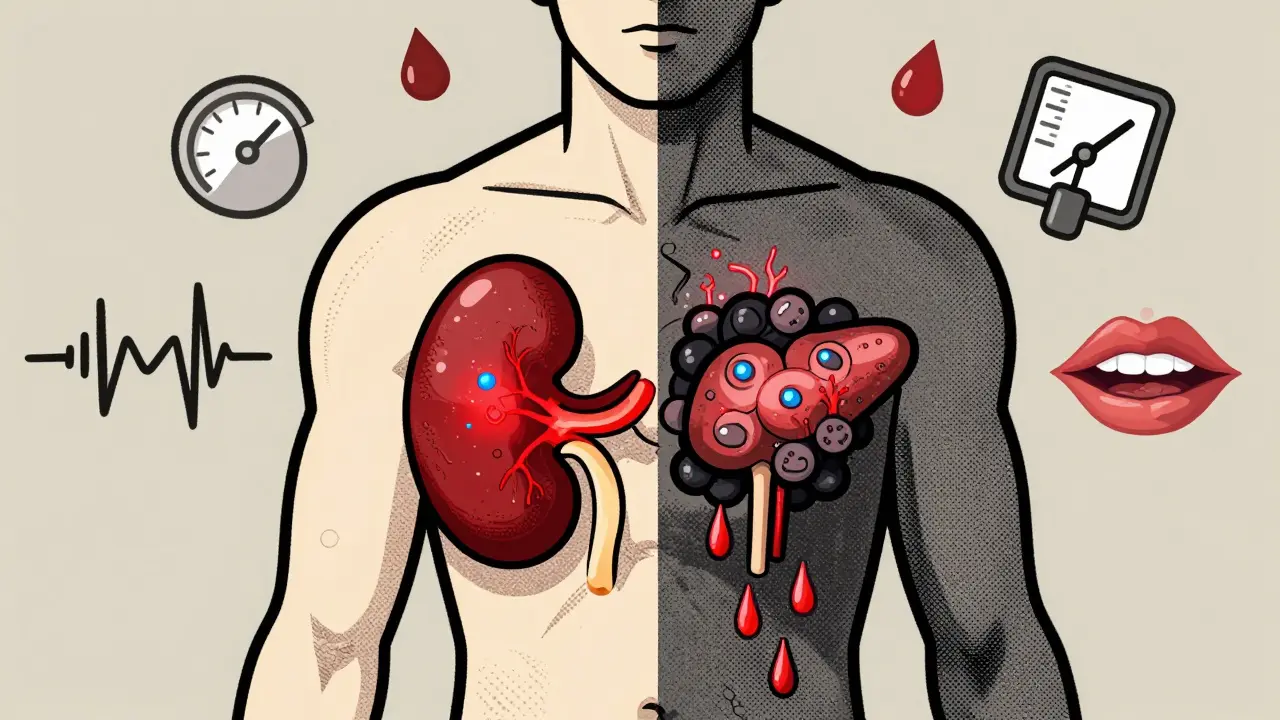
Cyclosporine and tacrolimus are essential for transplant patients but come with serious side effects like kidney damage, tremors, and diabetes. Learn how these drugs compare, what to watch for, and how doctors are now reducing their use to improve long-term health.
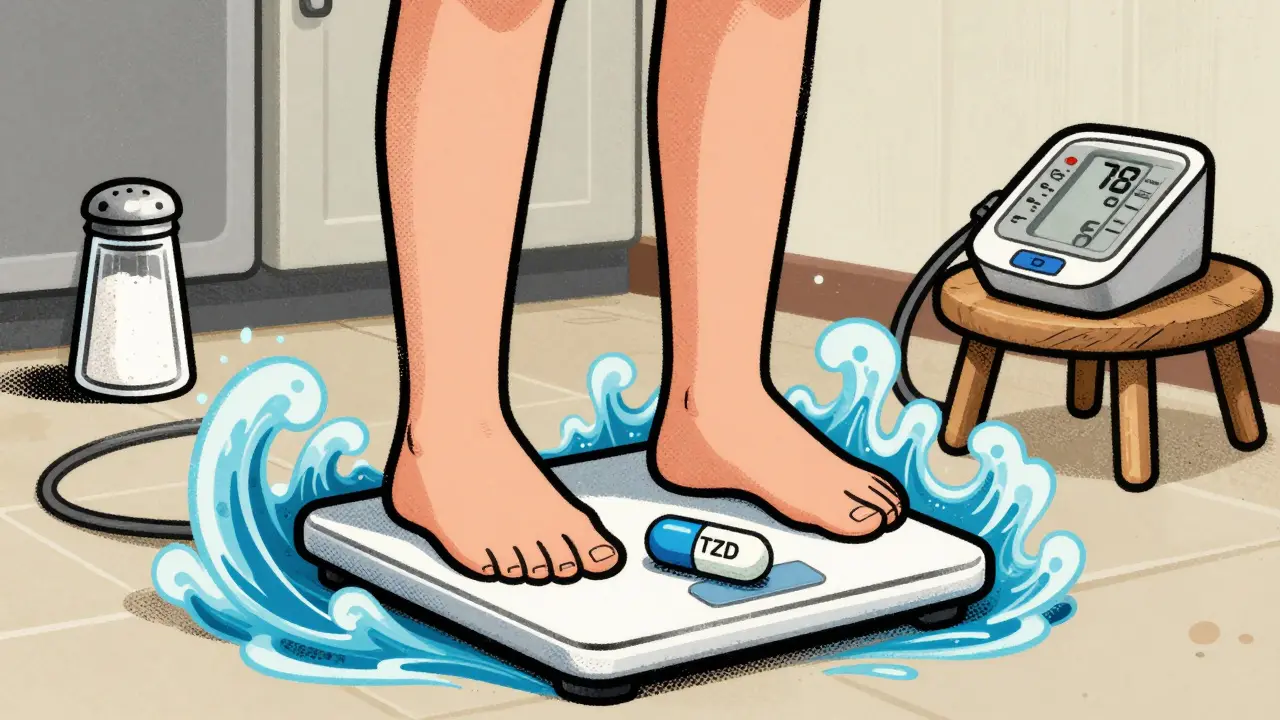
TZDs like pioglitazone help control blood sugar but often cause weight gain and swelling. Learn proven strategies to reduce fluid retention, lower doses safely, and combine with better alternatives like SGLT2 inhibitors.

Warfarin and DOACs are both blood thinners used to prevent clots, but DOACs are now preferred for most patients due to better safety, fewer interactions, and no need for regular blood tests. Learn the key differences and what to do in an emergency.

Sunburn and heatstroke often strike during hot days but are not the same thing. This article spotlights key differences, how to recognize early warning signs, and real-life ways to treat each condition if you or someone else gets hit. It covers prevention tips, real facts, and the science behind both sunburn and heatstroke. Whether you're sunbathing, working outdoors, or just enjoying a sunny weekend, you'll find clear guidance to keep yourself safe. Read on to know what to do if the summer heat gets the better of you.
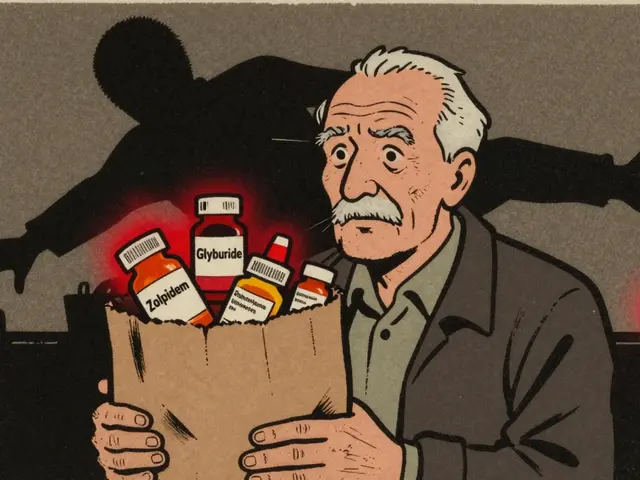
Many common medications are dangerously risky for seniors. Learn which drugs increase fall risk, dementia, and hospitalizations-and what safer alternatives exist. A practical guide based on the 2023 Beers Criteria.
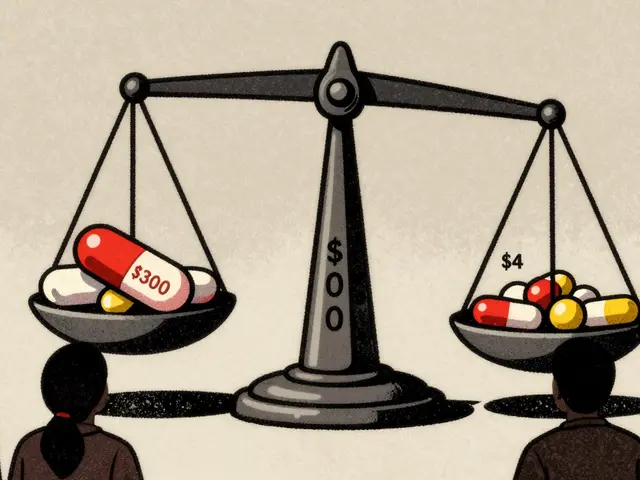
Buyers like Medicare use the presence of generic drugs to negotiate lower prices for brand-name medications. Generic competition drives prices down by over 90% in many cases, making it a key tool for controlling drug costs.

Learn how to safely buy Femara (letrozole) online in 2026. Compare telemedicine services, Canadian mail-order pharmacies, and US options. Get tips on saving money with GoodRx and avoiding counterfeit drugs.
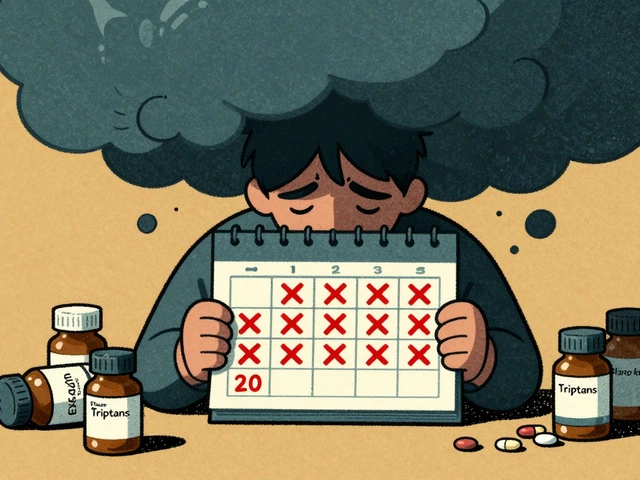
Medication overuse headaches are a hidden cause of chronic pain, triggered by too-frequent use of common painkillers. Learn how to identify them, safely stop the cycle, and find lasting relief with proven treatments.