
Medication Overuse Headache Risk Calculator
This calculator helps you determine if your pain medication usage may be increasing your risk of medication overuse headaches (MOH). According to medical guidelines, taking certain pain medications too frequently can actually cause or worsen headaches.
Your Risk Assessment
What to Do Next
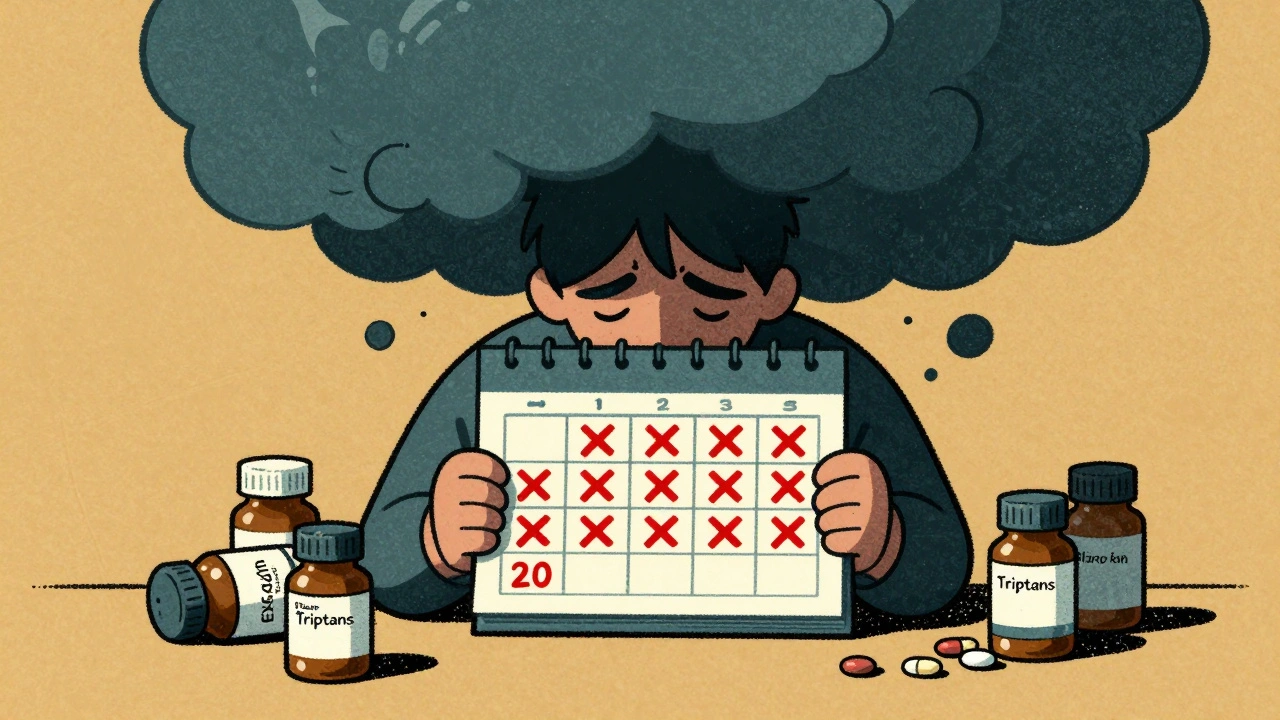
Most people reach for painkillers when a headache hits. It’s simple, quick, and feels like the right thing to do. But what if those same pills are making your headaches worse? This isn’t rare. In fact, medication overuse headache (MOH) affects 1-2% of the general population, and it’s far more common in women-up to 80% of cases. If you’re taking headache meds more than 10-15 days a month, you might be stuck in a cycle you didn’t even know existed.
What Exactly Is a Drug-Related Headache?
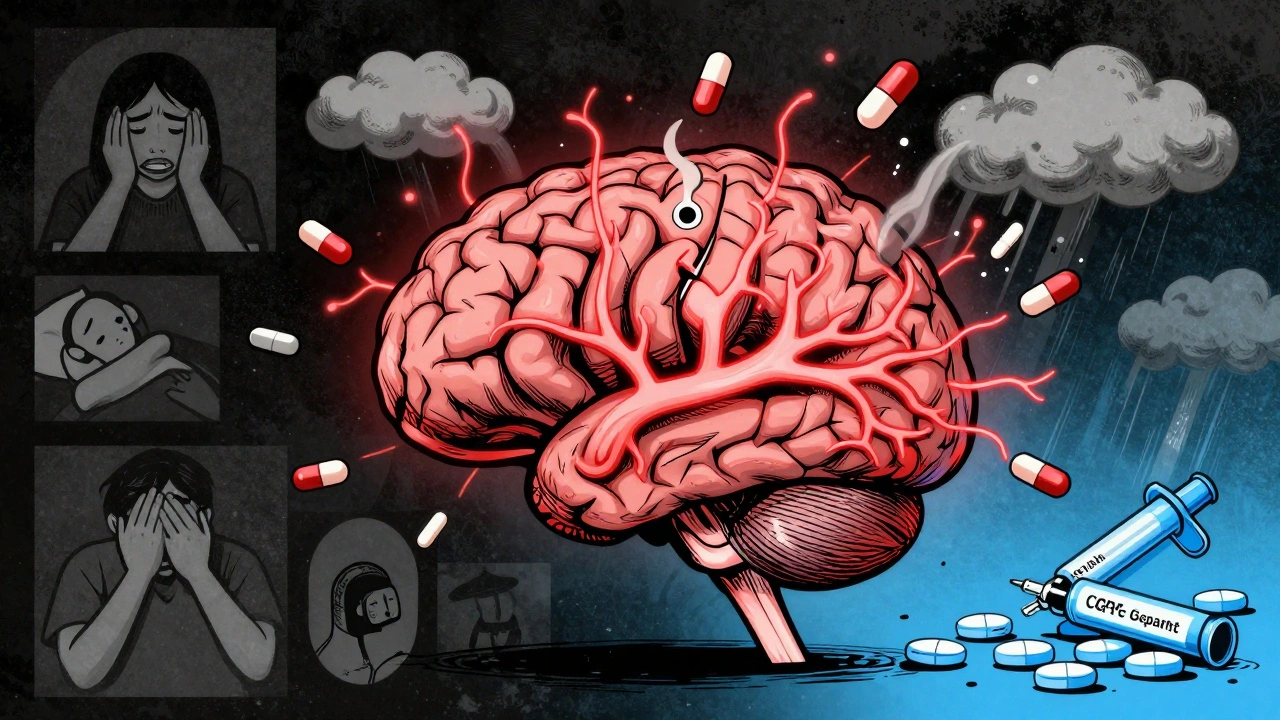
Medication overuse headache isn’t just a bad reaction. It’s a neurological rewiring. When you use acute headache medications too often-whether it’s ibuprofen, Excedrin, triptans, or even opioids-your brain starts to depend on them. Instead of relieving pain, they begin to trigger it. The result? Headaches that happen 15 or more days a month, often daily, with no clear trigger.
This isn’t a myth or a scare tactic. It’s a clinically defined condition recognized by the International Headache Society since 2018. The pattern is unmistakable: you start with occasional migraines or tension headaches, then turn to painkillers for relief. Over time, the headaches become more frequent, more intense, and less responsive to the very drugs you rely on.
Which Medications Cause the Most Problems?
Not all pain relievers carry the same risk. Some are far more likely to trigger MOH than others.
- High-risk drugs: Triptans (like Imitrex or Zomig), opioids (oxycodone, tramadol), and butalbital combinations (like Lanorinal or Butapap). Just 10 days a month of use can be enough to set off MOH.
- Moderate-risk drugs: Combination analgesics with caffeine, aspirin, and acetaminophen-think Excedrin. Over 15 days a month increases risk significantly.
- Lower-risk drugs: Simple NSAIDs like ibuprofen (Advil, Motrin) and naproxen (Aleve). But even these can cause problems if you’re taking more than 15 days a month, especially at high doses. The FDA limits ibuprofen to 1,200mg daily and naproxen to 660mg daily for over-the-counter use.
What’s surprising? Even if you’re taking these meds exactly as directed, you can still develop MOH. It’s not about being careless-it’s about how your brain responds to repeated exposure.
How Your Brain Gets Trapped
The science behind MOH is complex, but the core idea is simple: your brain loses its ability to regulate pain.
Studies show that people with MOH have altered activity in the brain’s pain pathways. Specifically, the somatosensory system becomes hypersensitive. When you’re exposed to pain signals, your brain doesn’t calm down-it overreacts. Animal studies point to changes in serotonin and endocannabinoid systems, meaning your body’s natural painkillers stop working the way they should.
This isn’t psychological. It’s biological. You’re not imagining the pain. Your brain has literally changed how it processes it. That’s why simply “trying harder” to cope doesn’t work. You need to reset the system.
How to Know If You Have MOH
Here’s the checklist doctors use:
- Headaches on 15 or more days per month for at least 3 months
- Regular use of acute headache medication (as defined above)
- No other medical condition causing the headaches
If you’re taking triptans or opioids 10+ days a month, or NSAIDs/combination meds 15+ days a month, and your headaches are getting worse-not better-you’re likely dealing with MOH.
Keep a headache diary for at least four weeks. Write down:
- When the headache started and how long it lasted
- What medication you took and when
- How effective it was
- Any other symptoms (nausea, light sensitivity, fatigue)
This isn’t just busywork. It’s the key to breaking the cycle. Without data, it’s easy to misjudge how often you’re really taking meds.
Stopping the Medication: What to Expect
Stopping the drug that’s causing the problem is the only way to fix MOH. But it’s not easy.
Withdrawal symptoms are real and often severe:
- Worsened headaches (92% of patients)
- Nausea (68%)
- Vomiting (42%)
- Low blood pressure (29%)
- Anxiety, insomnia, or mood swings
These symptoms usually peak within the first week and can last 2-4 weeks. For people using opioids or butalbital, withdrawal can be dangerous without medical supervision. Inpatient care is often recommended in these cases.
For most others, outpatient withdrawal works-but only if you have a plan.
How to Withdraw Safely
There are two main approaches: abrupt stop or gradual taper.
- Immediate stop: Works for NSAIDs, triptans, and combination meds. Success rate: 65-70% within two months. But withdrawal is intense. You’ll need support.
- Gradual taper: Used for opioids and butalbital. Reduces withdrawal severity but lowers success rate to 45-50%. Takes longer and requires close monitoring.
Regardless of the method, you need a rescue plan. You’re allowed up to 2 days per week of non-overused medication during withdrawal. That means you can use acetaminophen or a low-dose NSAID-but only on those two days. No more.
Many people fail because they don’t have a clear plan. One Reddit user wrote: “My clinic gave me no plan for the rebound week-had to miss 3 days of work with vomiting and 24/7 headache.” That’s avoidable.
What Comes After Withdrawal?
Stopping the meds is only half the battle. If you don’t address the root cause-your underlying migraine or tension headache-you’ll likely start back at square one.
Preventive treatment is critical. Studies show 78% of people relapse within three months if they don’t start prevention right away.
Effective options include:
- Topiramate: 40-100mg daily. Reduces headache frequency by 50% in many patients.
- Propranolol: 80-160mg daily. A beta-blocker with decades of use in migraine prevention.
- CGRP monoclonal antibodies: Erenumab (Aimovig), fremanezumab (Ajovy). Injected monthly. 50-60% of users see at least half their headache days reduced.
- Atogepant (Qulipta): FDA-approved in January 2024 for chronic migraine and MOH. Taken daily as a pill.
And here’s a game-changer: gepants. Drugs like ubrogepant (Ubrelvy), rimegepant (Nurtec ODT), and zavegepant (Zavzpret) are new acute treatments that don’t cause overuse headaches. They’re not for daily use, but they’re safe to use as needed-even if you’ve had MOH before. They’re expensive ($750/month), but for many, they’re worth it.
Why Some Doctors Get It Wrong
There’s confusion in the medical community. The American Headache Society says NSAIDs are safe up to 15 days a month. The European Headache Federation says 10 days is the limit. This gray area leads to mixed messages.
Dr. Peter Goadsby, a leading migraine researcher, puts it bluntly: “MOH represents a failure of treatment strategy, not patient behavior.” Most people aren’t misusing meds-they’re following what they were told. The system failed them.
That’s why the best outcomes happen when withdrawal and prevention start at the same time. Waiting to start preventive meds until after withdrawal is a mistake. Your brain needs support during recovery.
Real Stories, Real Results
Reddit’s r/Migraine community has over 12,500 members sharing experiences. A review of 157 posts from early 2023 showed:
- 68% didn’t believe their headaches were caused by their meds at first.
- 82% saw major improvement within 4-6 weeks of stopping.
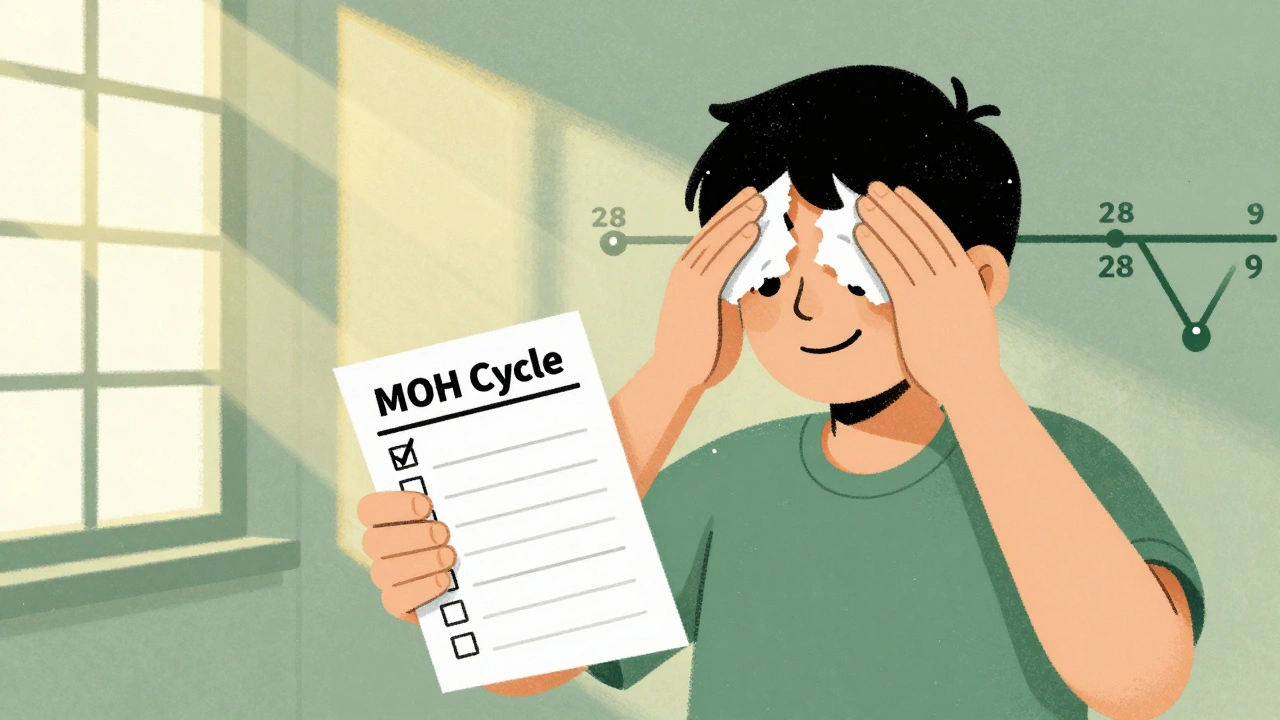
- One user: “After 5 weeks off Excedrin, my headache days dropped from 28 to 9 per month.”
The common thread? Relief didn’t come from stronger drugs. It came from stopping the ones they’d been taking too long.
What’s Next for MOH Treatment?
The future is looking better. Researchers are exploring:
- Genetic testing: 12 genetic markers linked to MOH susceptibility have been identified. In the next few years, we may be able to screen people at high risk before they start taking meds.
- Non-drug therapies: Transcranial magnetic stimulation (TMS) is being tested as a way to ease withdrawal symptoms without meds.
- Smart drugs: Scientists are designing new headache medications with built-in limits-molecules that stop working after a certain number of doses to prevent overuse.
Dr. Richard Lipton predicts these innovations could cut MOH rates by 40-50% in the next decade.
What You Can Do Today
If you’ve been taking headache meds more than 10-15 days a month:
- Start a headache diary. Track every headache and every pill for four weeks.
- Don’t panic. MOH is reversible.
- Make an appointment with a neurologist or headache specialist. General practitioners often miss MOH.
- Ask about gepants for acute relief and CGRP blockers for prevention.
- Prepare for withdrawal. Have a plan for nausea, sleep, and pain management.
- Don’t restart your old meds. Even one or two days can restart the cycle.
You didn’t do anything wrong. You just needed better tools. The good news? Once you break the cycle, most people return to having headaches only a few days a month-or less. It takes work, but it’s possible.
Can I still take ibuprofen if I have medication overuse headaches?
You can use ibuprofen sparingly during withdrawal-no more than 2 days per week. But if you’ve been taking it 15 or more days a month, it’s likely part of the problem. After withdrawal, aim to keep it under 10 days a month to avoid relapse. The European Headache Federation recommends this limit, while the American Headache Society allows up to 15 days. When in doubt, aim lower.
How long does it take to recover from medication overuse headaches?
Most people see improvement within 2-4 weeks after stopping the overused medication. Headache frequency typically drops by half within 2 months. Full recovery-returning to your original headache pattern-can take up to 3 months. Withdrawal symptoms peak in the first week and gradually fade. Patience and consistency matter more than speed.
Is it safe to quit painkillers cold turkey?
It depends on the drug. For NSAIDs, triptans, and Excedrin-like combinations, abrupt stopping is usually safe with proper support. But if you’ve been using opioids (like oxycodone) or butalbital (in combination meds), quitting cold turkey can be dangerous. Withdrawal can cause seizures, severe blood pressure drops, or psychosis. Always consult a doctor before stopping these drugs.
Can caffeine cause medication overuse headaches?
Caffeine itself doesn’t cause MOH, but it’s a common ingredient in many headache meds like Excedrin and Fioricet. Regular caffeine intake-more than 200mg a day (about two cups of coffee)-can worsen headaches and make withdrawal harder. Many people find that cutting caffeine entirely helps reduce headache frequency and improves medication effectiveness.
Are there any new drugs that don’t cause rebound headaches?
Yes. Gepants-like ubrogepant (Ubrelvy), rimegepant (Nurtec ODT), and zavegepant (Zavzpret)-are the first acute migraine drugs shown in clinical trials to not trigger medication overuse headaches. They work differently than triptans and opioids, targeting a pain pathway that doesn’t lead to sensitization. They’re more expensive, but for people with MOH, they’re often the safest option for occasional use.
Final Thought: You’re Not Alone
MOH is one of the most misunderstood conditions in neurology. It’s not laziness. It’s not addiction. It’s a biological trap created by well-intentioned treatment. The good news? You can get out. Thousands have. It’s not quick, and it’s not easy-but it’s possible. With the right plan, the right support, and the right meds, your headaches can go back to being occasional, manageable events-not daily life sentences.
David Palmer
December 10, 2025 AT 21:06Michaux Hyatt
December 12, 2025 AT 02:02Aileen Ferris
December 13, 2025 AT 02:54Nikki Smellie
December 14, 2025 AT 04:30Jack Appleby
December 15, 2025 AT 21:42Queenie Chan
December 16, 2025 AT 05:17Stephanie Maillet
December 18, 2025 AT 01:22Raj Rsvpraj
December 19, 2025 AT 22:19Frank Nouwens
December 20, 2025 AT 21:48Kaitlynn nail
December 22, 2025 AT 06:19Rebecca Dong
December 23, 2025 AT 20:14