
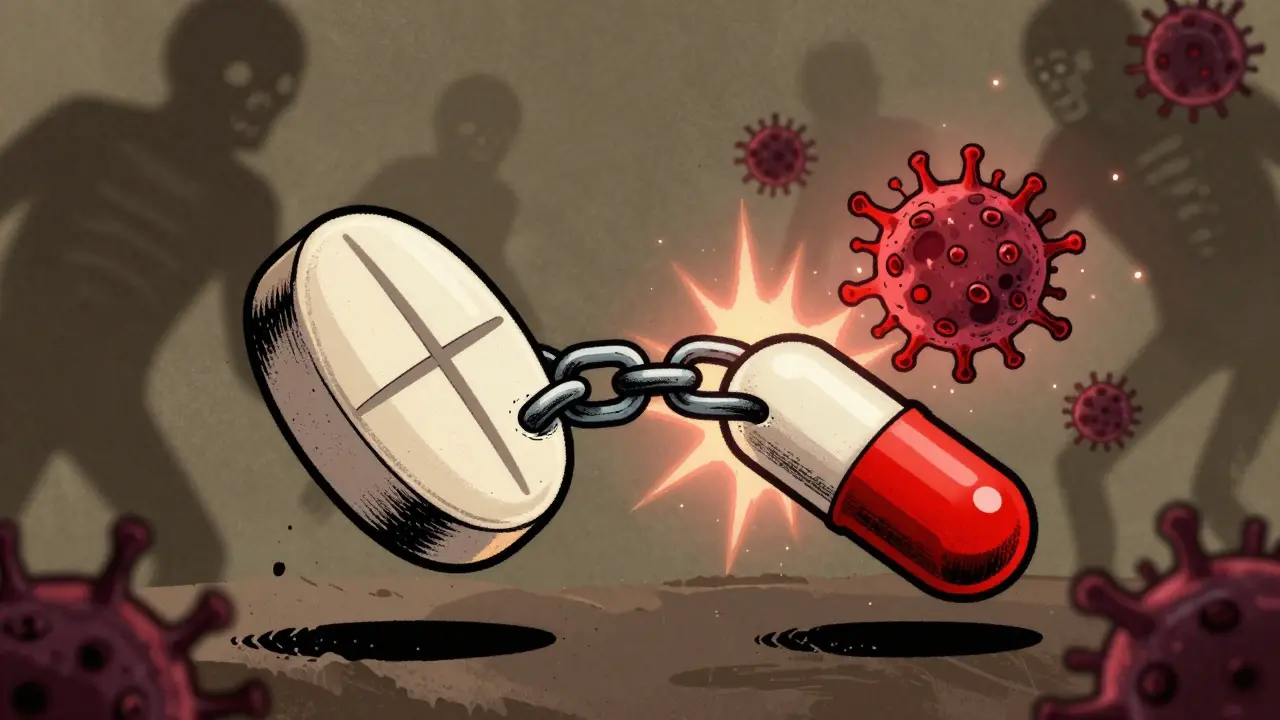
Calcium and iron supplements can block antibiotics, thyroid meds, and heartburn pills from working. Learn how to time your supplements so your medications actually work-and avoid hidden health risks.
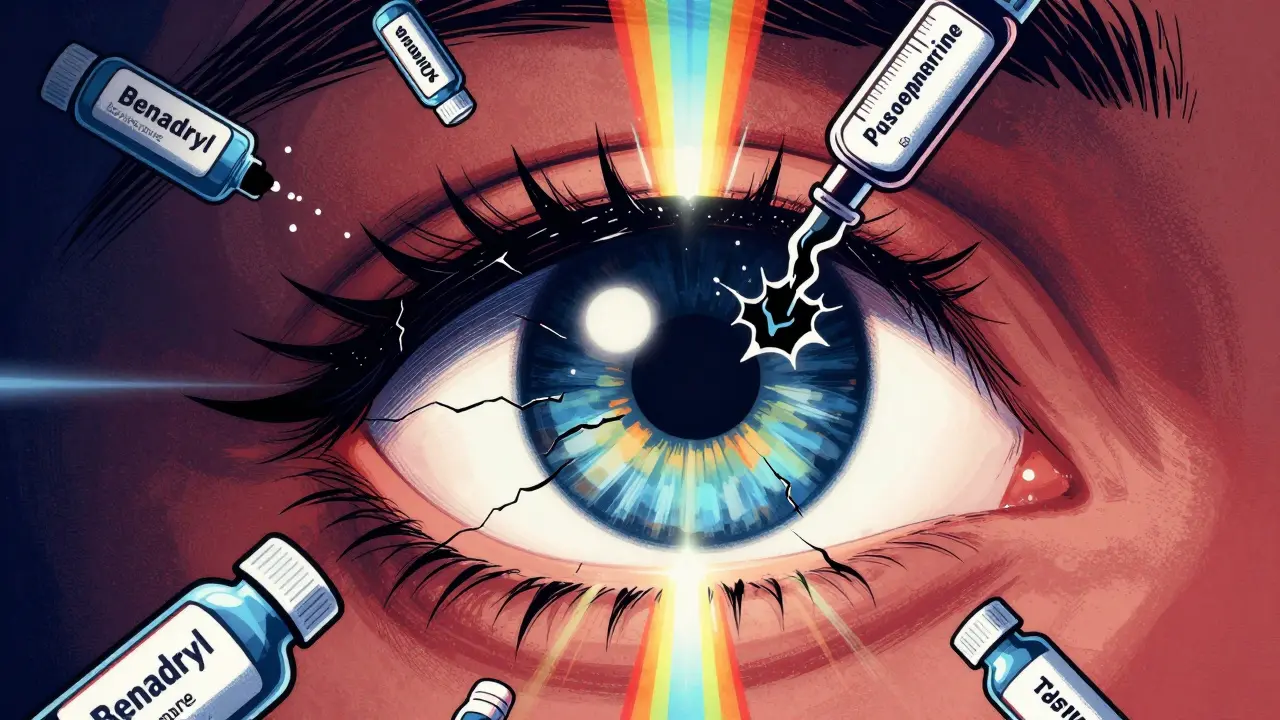
Medication-induced acute angle-closure glaucoma is a sudden, sight-threatening eye emergency triggered by common drugs like decongestants, antihistamines, and antidepressants. Learn who's at risk, which meds cause it, and how to prevent permanent vision loss.
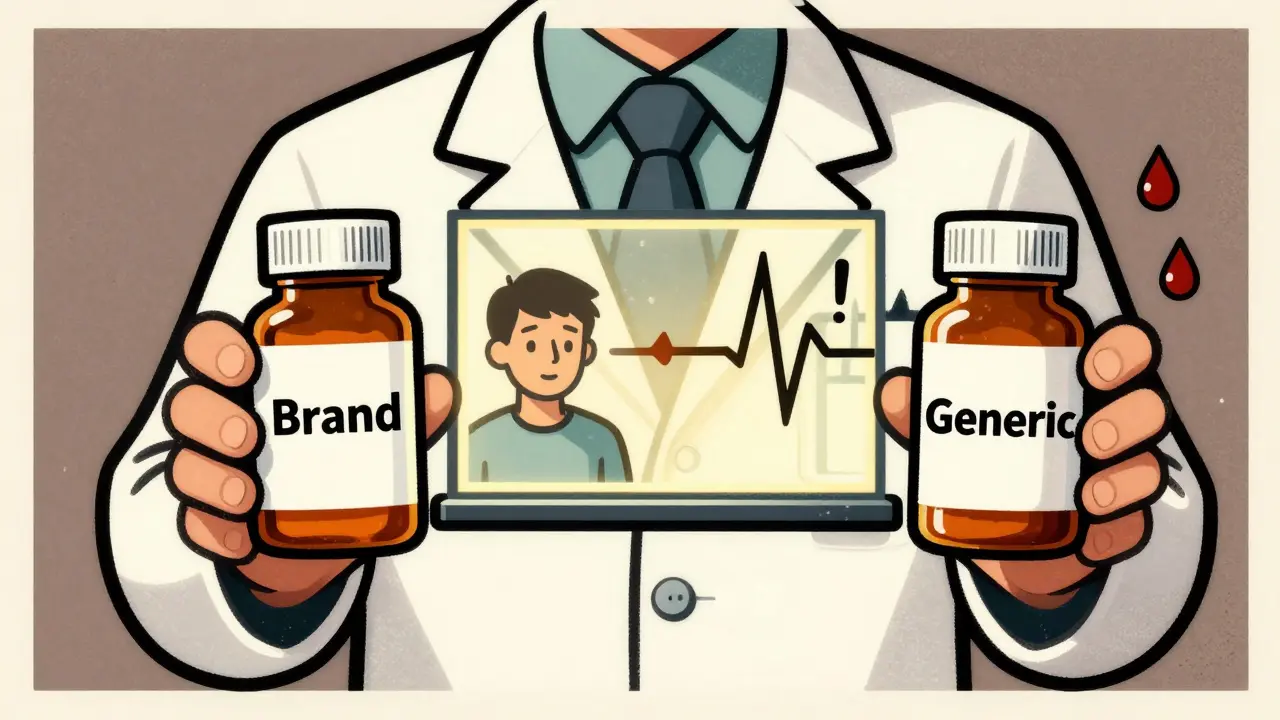
Switching to generic medications can be safe - but for drugs with a narrow therapeutic index, even small changes in absorption can cause serious effects. Learn when dose adjustments are needed and how to protect yourself.
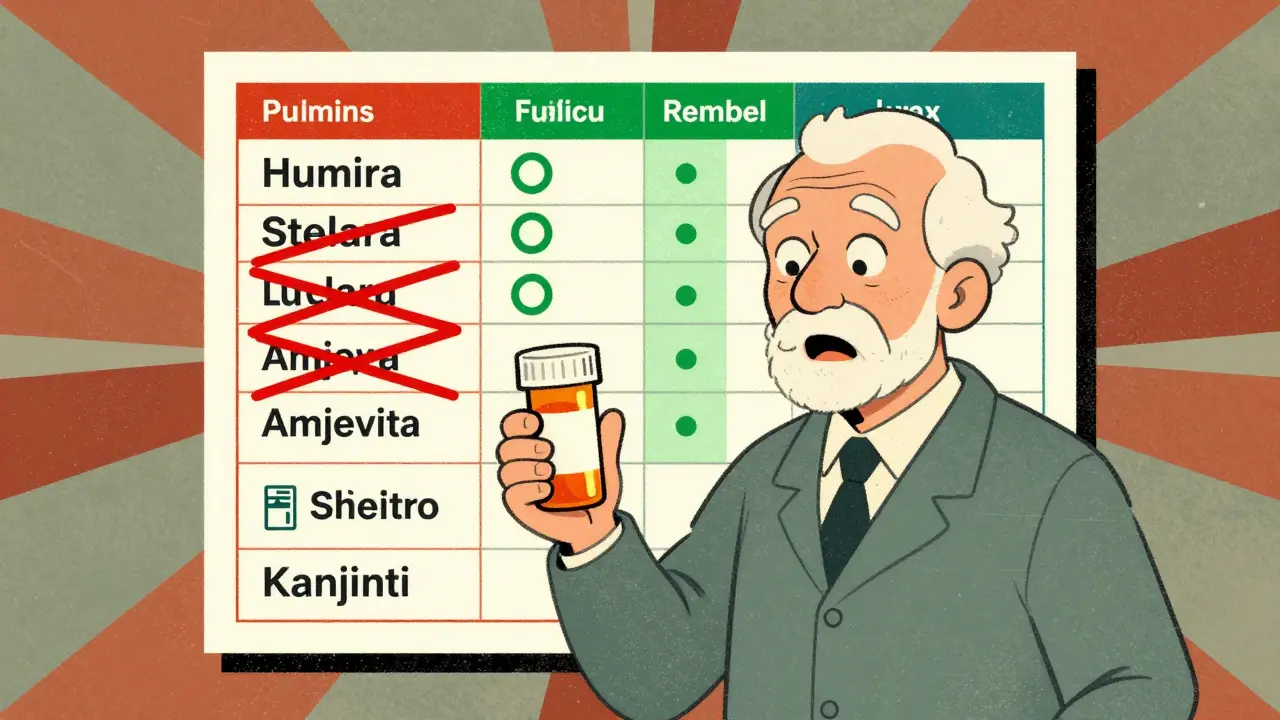
Understand how 2025 Medicare Part D formulary updates are forcing generic and biosimilar switches, what drugs are affected, and how to protect your coverage before January 1.
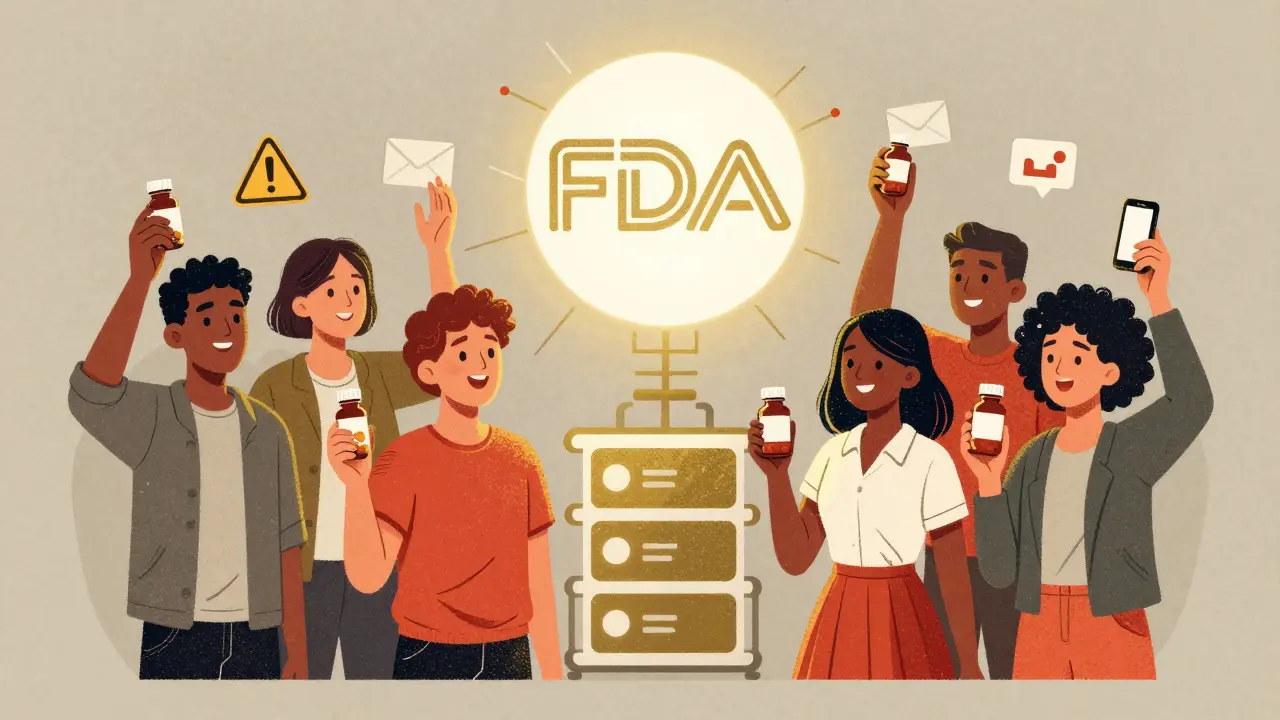
Learn how to stay informed about FDA drug recalls and safety alerts. Get practical steps to sign up for alerts, report side effects, and protect yourself from dangerous medications.
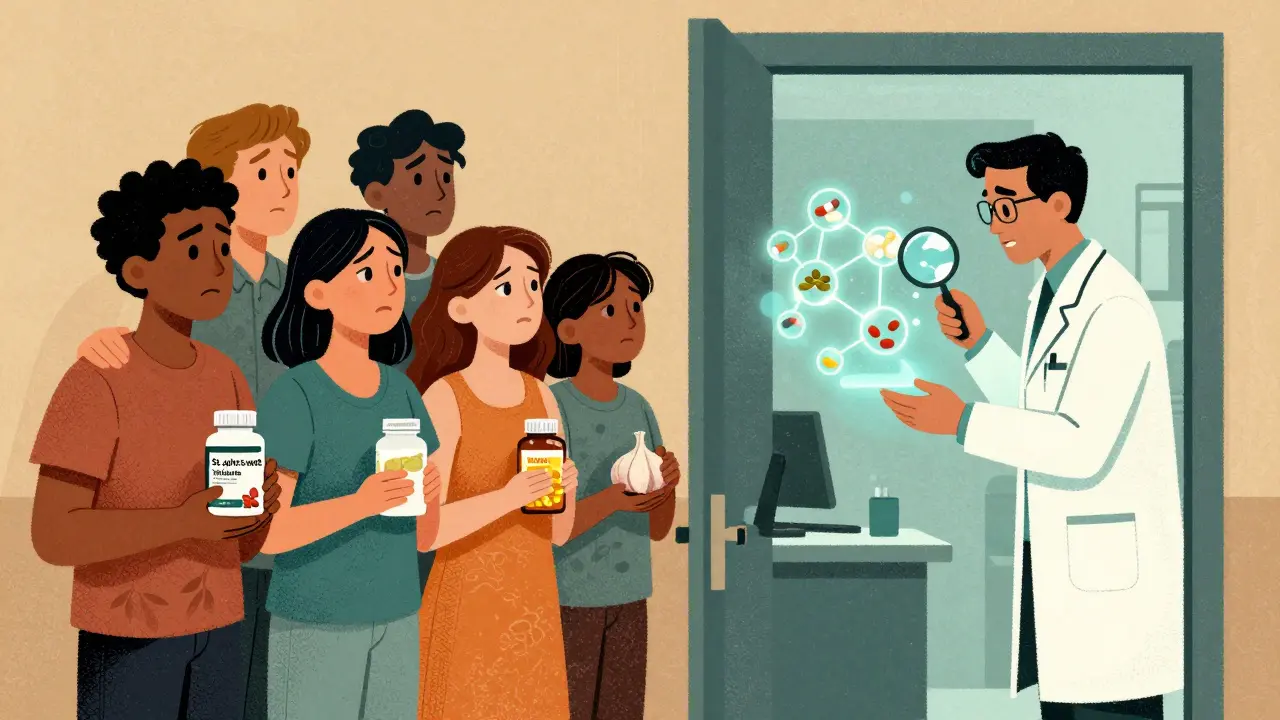
Most people don't tell their doctors about dietary supplements-even though they can interact dangerously with medications. Learn why full disclosure matters, which supplements are riskiest, and how to talk to your care team safely.
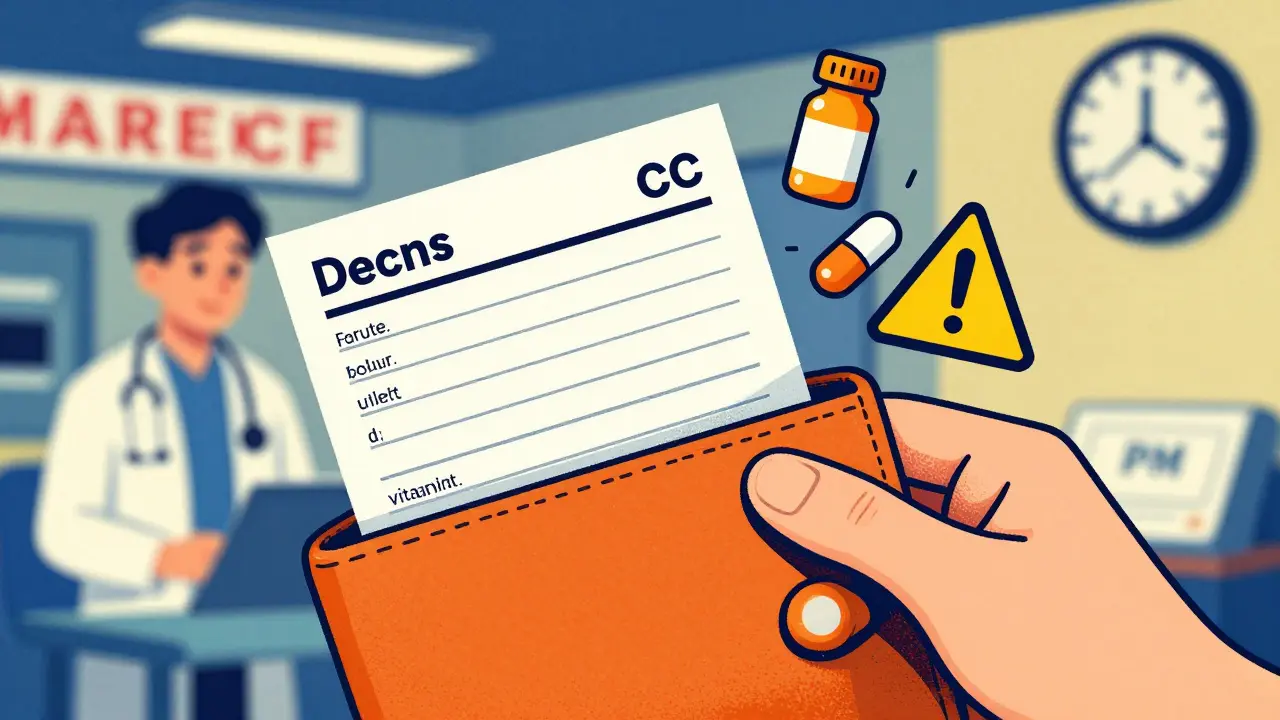
A personal medication list saves lives by preventing dangerous drug interactions. Learn exactly what to include-prescriptions, OTC drugs, supplements, allergies-and how to keep it updated for maximum safety.

Fiber supplements like psyllium help with constipation but can interfere with medications. Learn the safest timing rules to avoid reduced drug effectiveness and side effects.
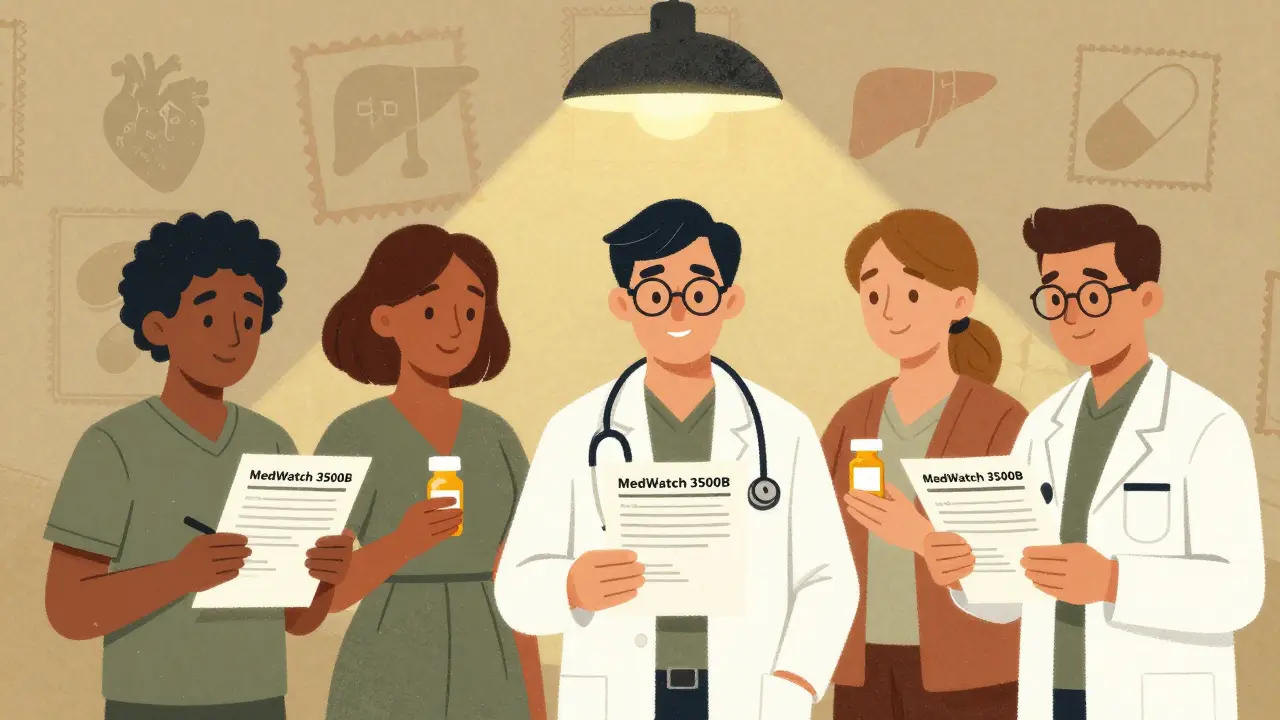
Learn how to report adverse drug reactions to the FDA's MedWatch program. Understand what counts as reportable, how to fill out the form, and why your report matters for drug safety.
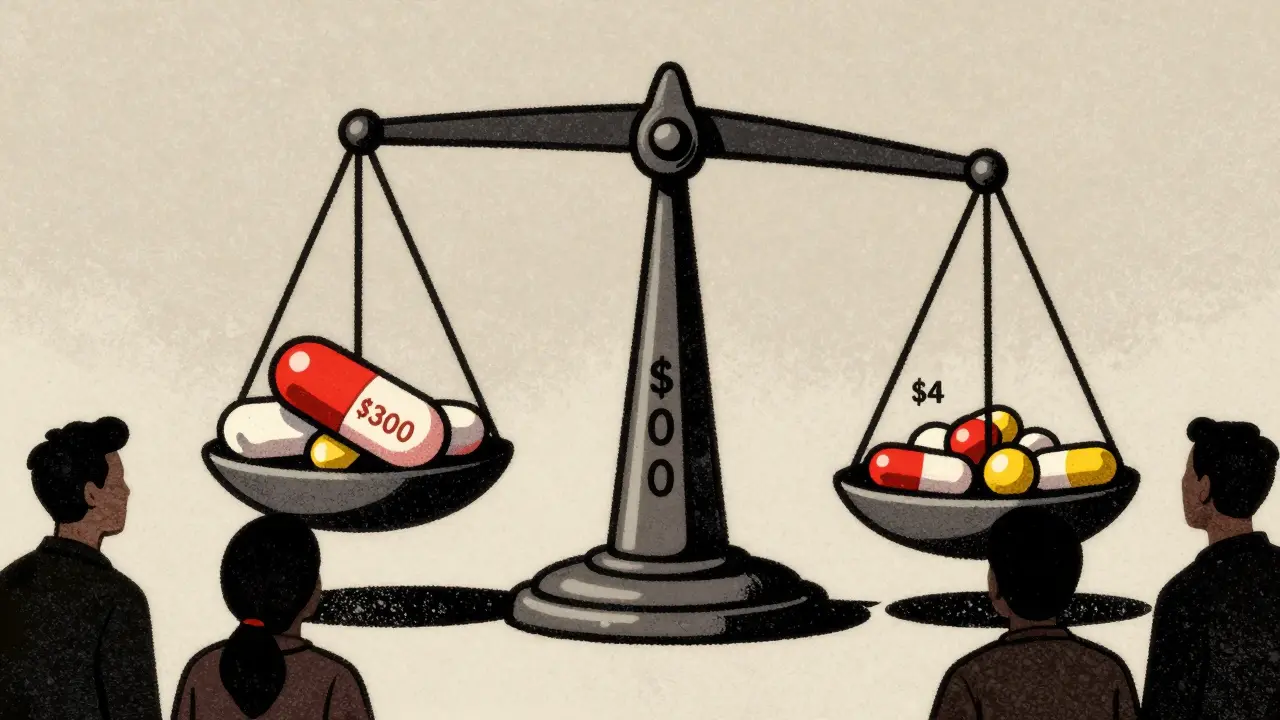
Buyers like Medicare use the presence of generic drugs to negotiate lower prices for brand-name medications. Generic competition drives prices down by over 90% in many cases, making it a key tool for controlling drug costs.
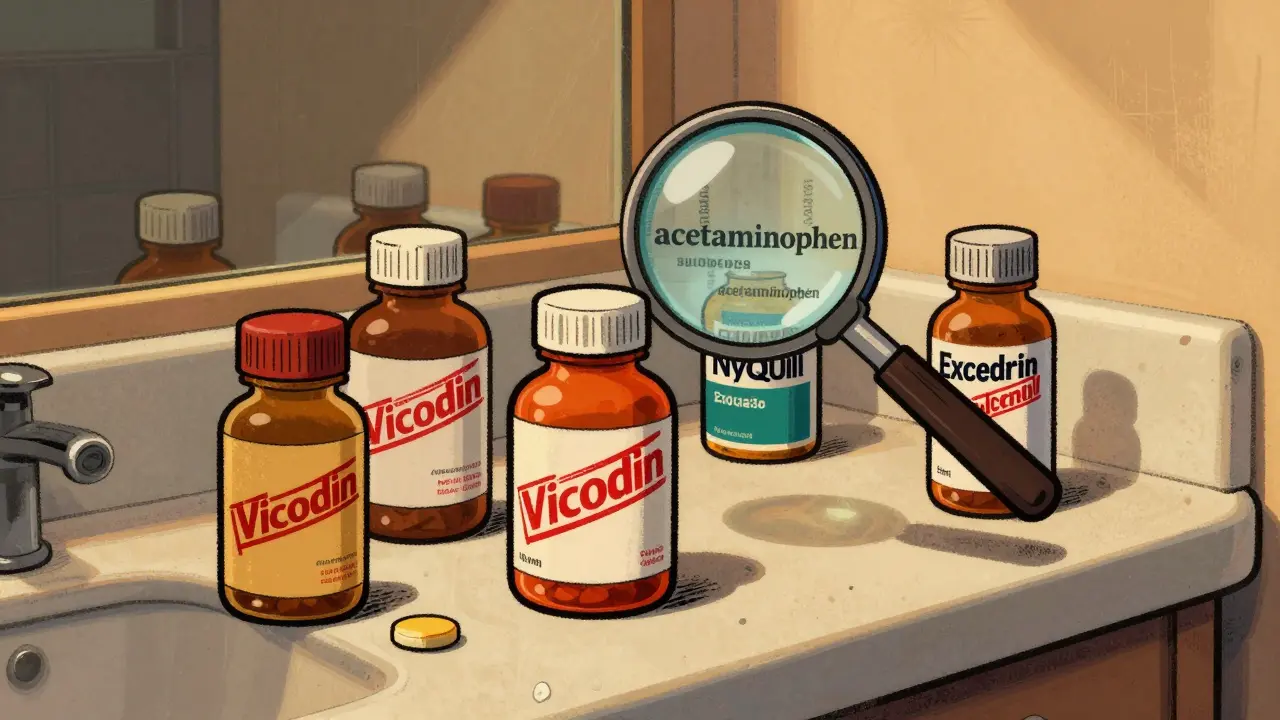
Acetaminophen combination products like Vicodin and Percocet can cause silent liver damage when taken with other meds. Learn how to avoid overdose, recognize risks, and use safer pain management strategies.
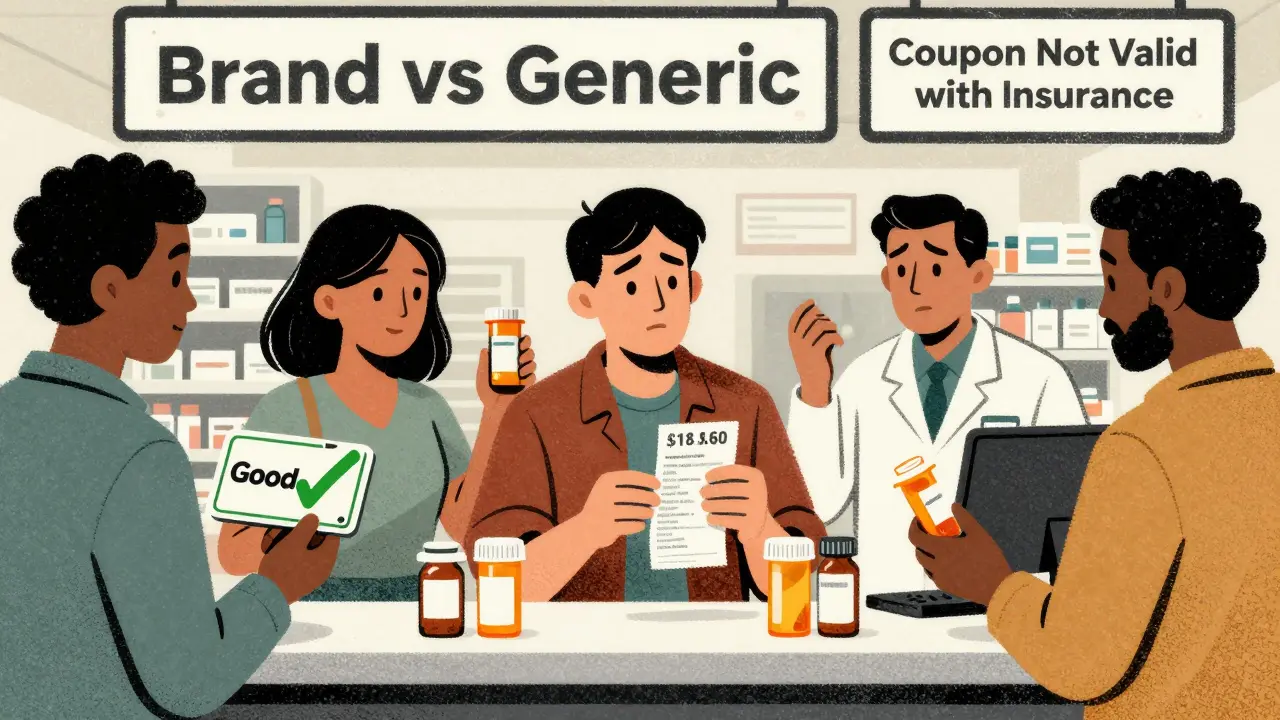
Prescription discount programs like GoodRx and manufacturer coupons can slash medication costs - but only if you use them right. Learn who saves the most, when they backfire, and how to avoid costly mistakes.
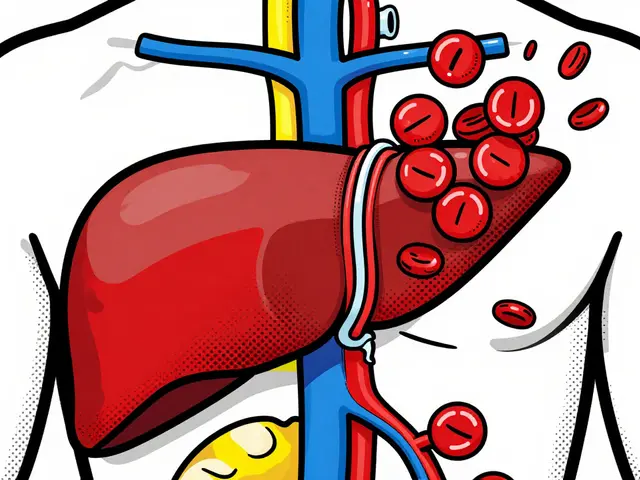
Explore how portal hypertension leads to varices and ascites. Learn about management strategies including beta-blockers, band ligation, and TIPS procedures for better liver health.
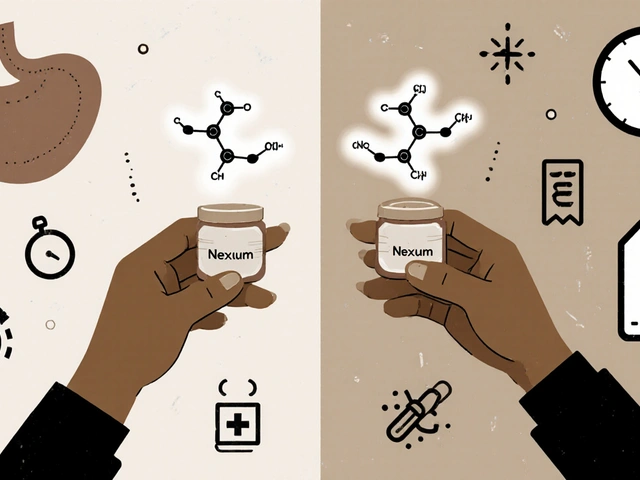
Compare Nexium (esomeprazole) with generic alternatives like omeprazole, lansoprazole, and pantoprazole. Learn which PPI works best for acid reflux, how to switch safely, and when lifestyle changes can replace medication.
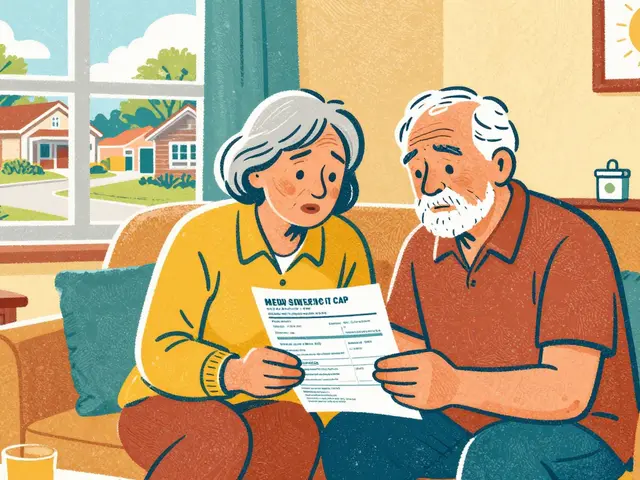
Learn how to maximize savings on generic drugs with Medicare Part D. Explore the $2,000 out-of-pocket cap, copay structures, and the Inflation Reduction Act's impact.
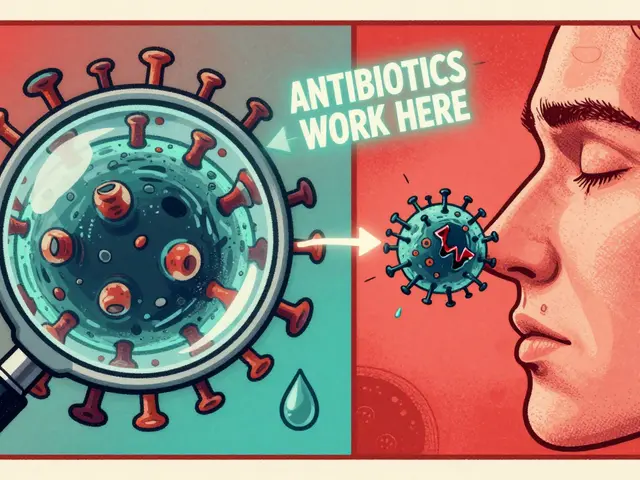
Learn how to tell bacterial and viral infections apart, why antibiotics don't work on viruses, and what treatments actually help. Stop unnecessary antibiotic use and protect yourself from superbugs.
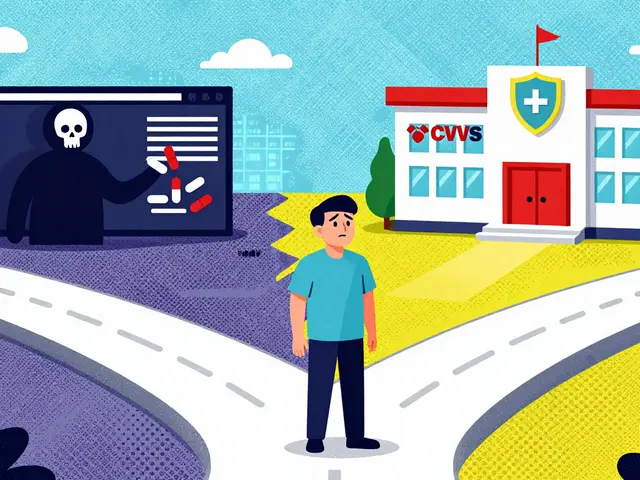
Learn how to safely buy erythromycin online in 2026. Discover trusted pharmacies, save money with discount tips, and avoid fake drug scams with this comprehensive guide.