
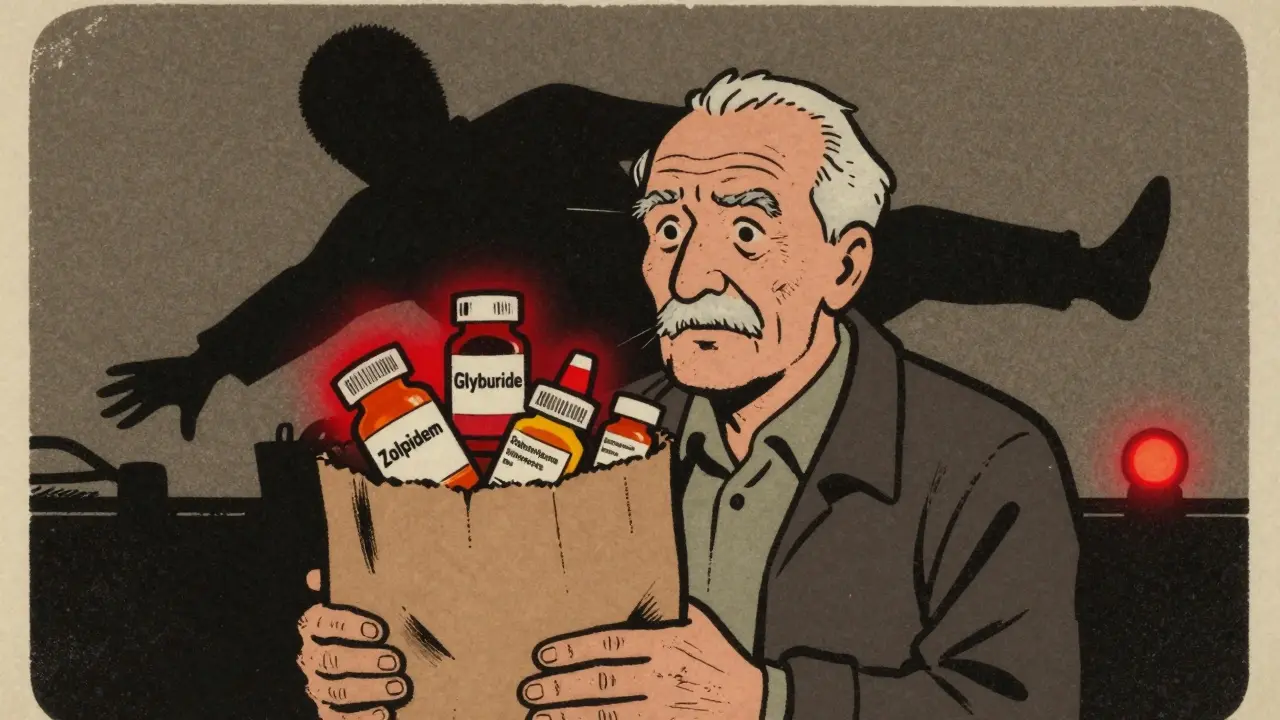
Many common medications are dangerously risky for seniors. Learn which drugs increase fall risk, dementia, and hospitalizations-and what safer alternatives exist. A practical guide based on the 2023 Beers Criteria.
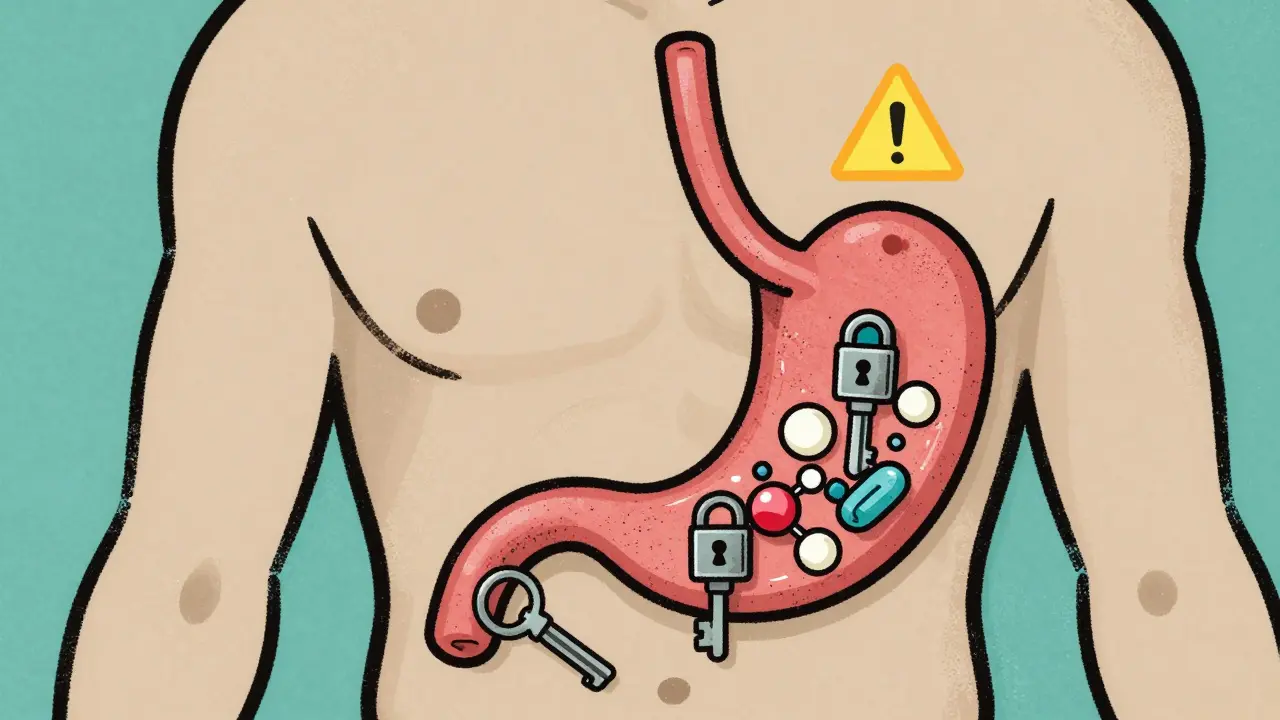
Medicines work through precise chemical interactions in your body. Understanding their mechanism of action helps you use them safely, avoid dangerous interactions, and recognize early warning signs of side effects.
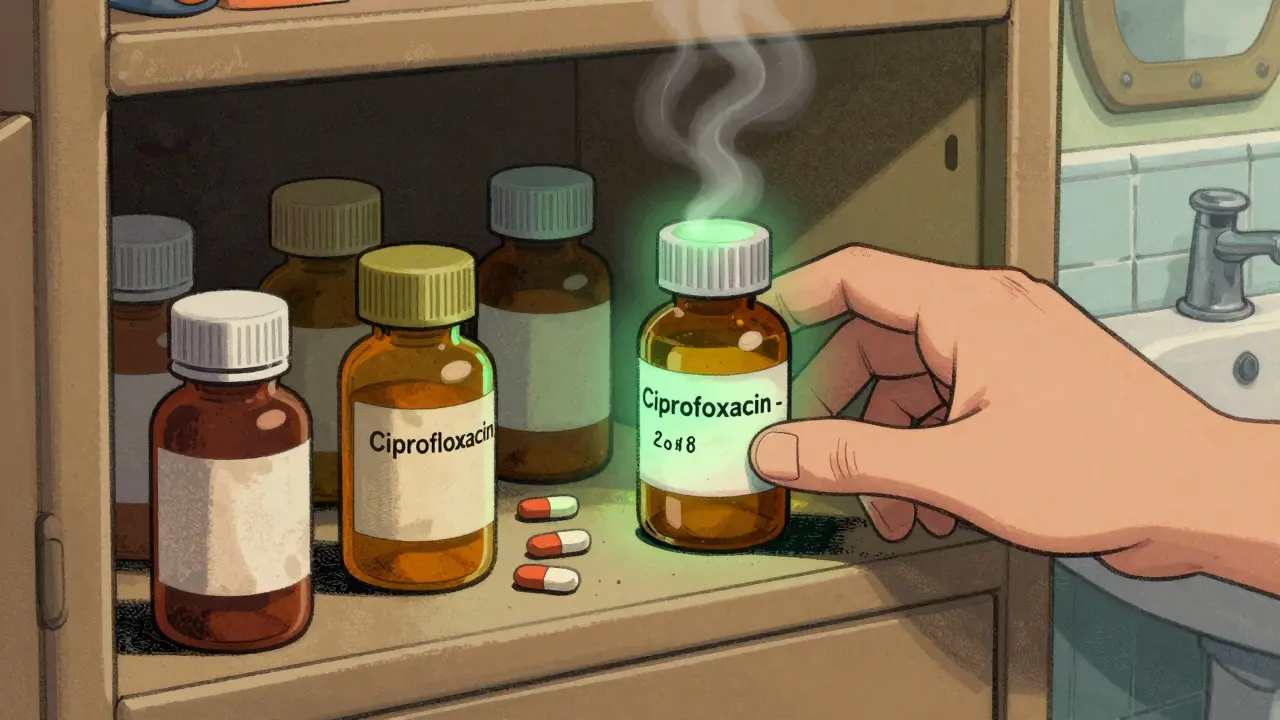
Expiration dates on medications guarantee potency, not safety. Most drugs remain effective years past their label date if stored properly-but some, like insulin and EpiPens, degrade dangerously fast. Know which ones to toss and which are still safe.
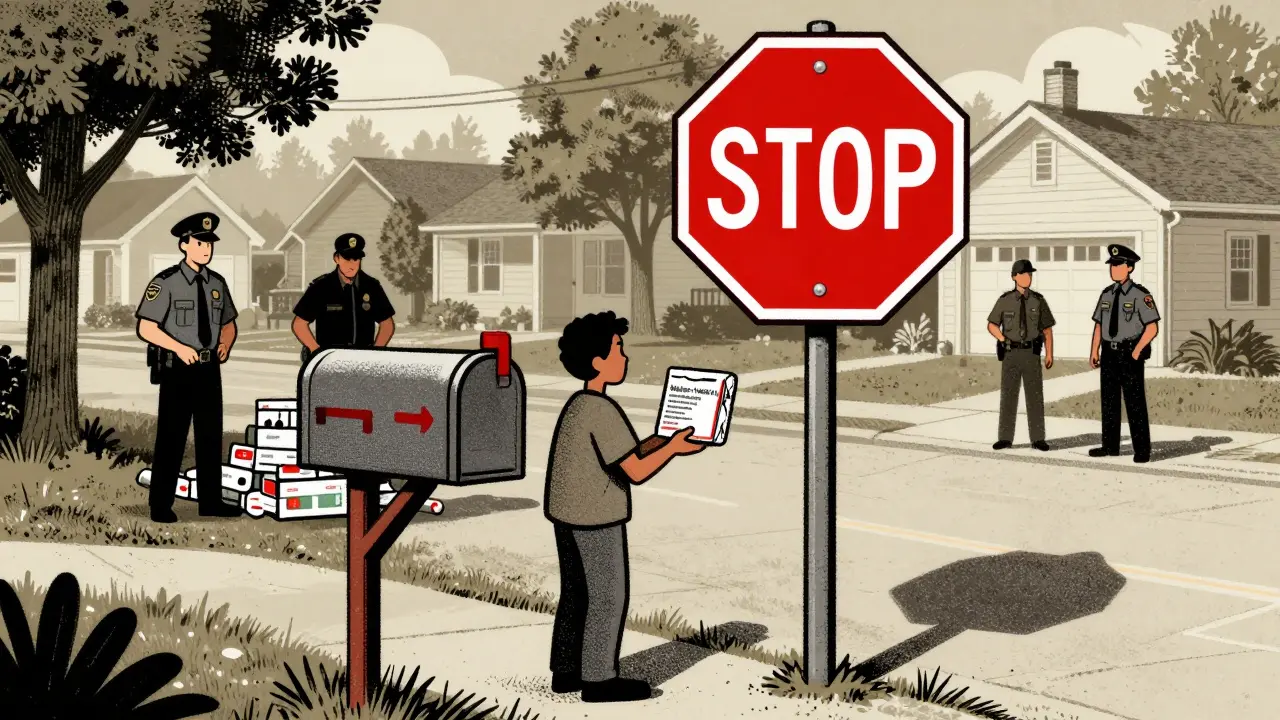
Learn how to legally and safely order prescription medications through international mail-order in 2026 after major U.S. customs changes. Avoid seizures, scams, and unexpected fees with this practical guide.

Statins and antifungal medications can dangerously interact, increasing the risk of rhabdomyolysis-a severe muscle breakdown condition. Learn which statins are safest, which antifungals to avoid, and what to do if you're on both.
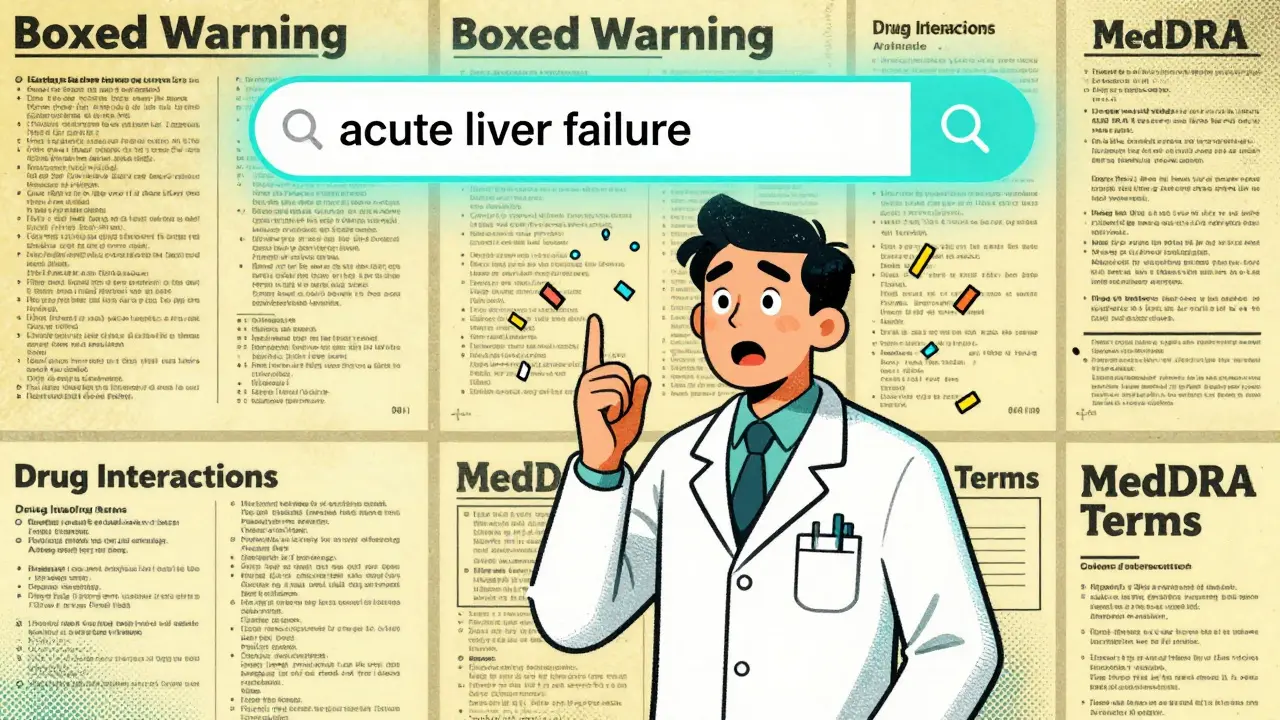
FDALabel is the FDA's free, searchable database of over 149,000 drug labels. Learn how to search by section, pharmacologic class, and MedDRA terms to find accurate drug safety information for research, compliance, and clinical use.
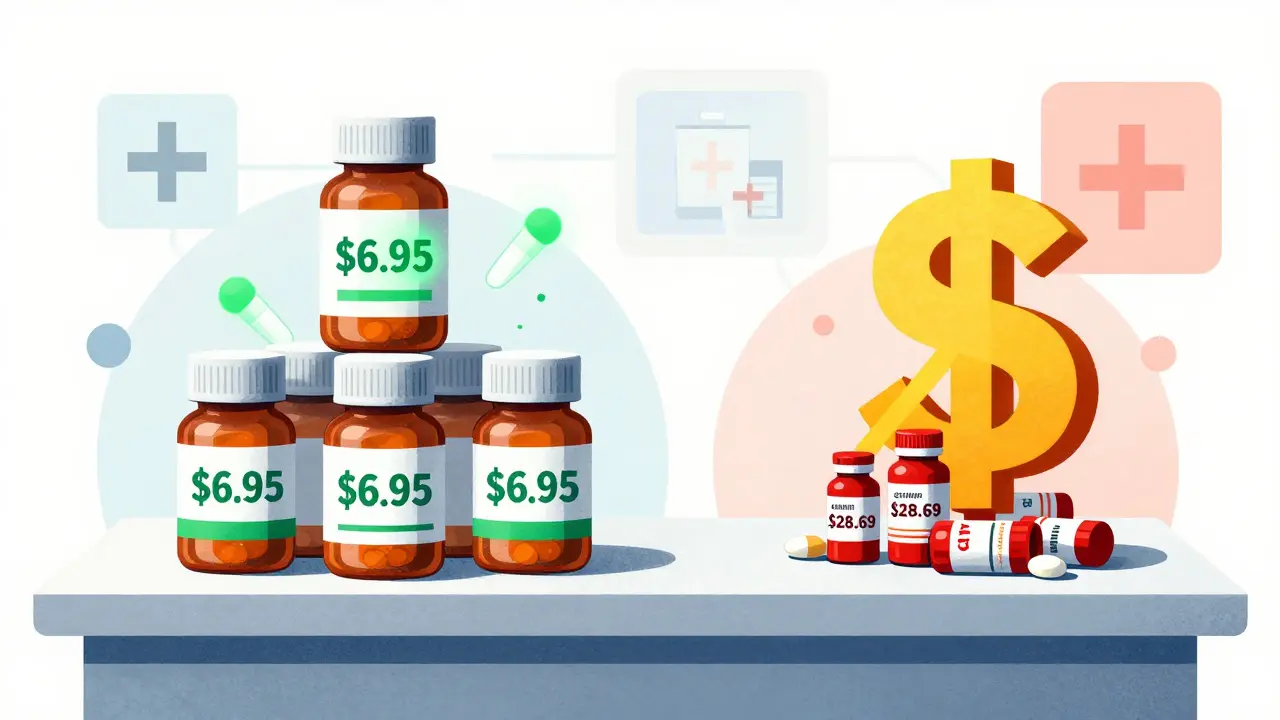
Generic drugs save Americans over $445 billion annually, making up 90% of prescriptions but only 12% of drug spending. Learn the real numbers behind generic vs. brand-name drug costs and how to save on prescriptions.
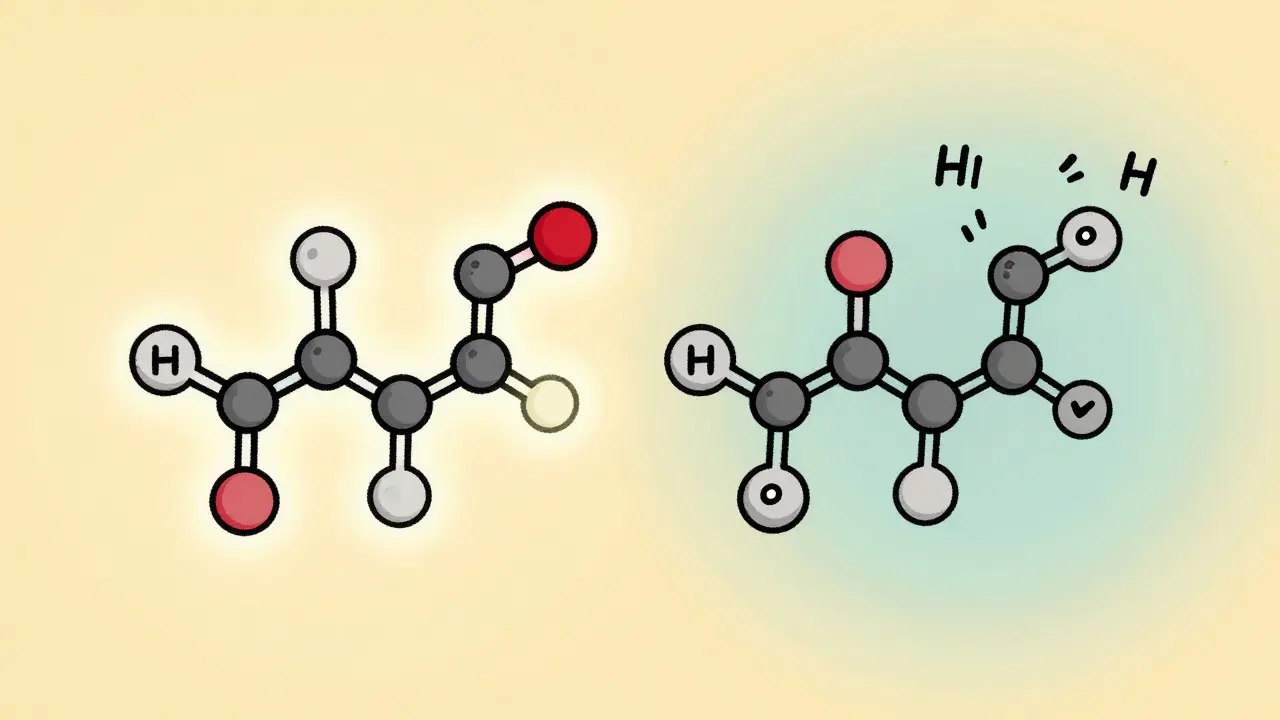
Cetirizine and levocetirizine both treat allergies, but levocetirizine causes less drowsiness. Learn why one might be better for daytime use and how to choose based on your needs.
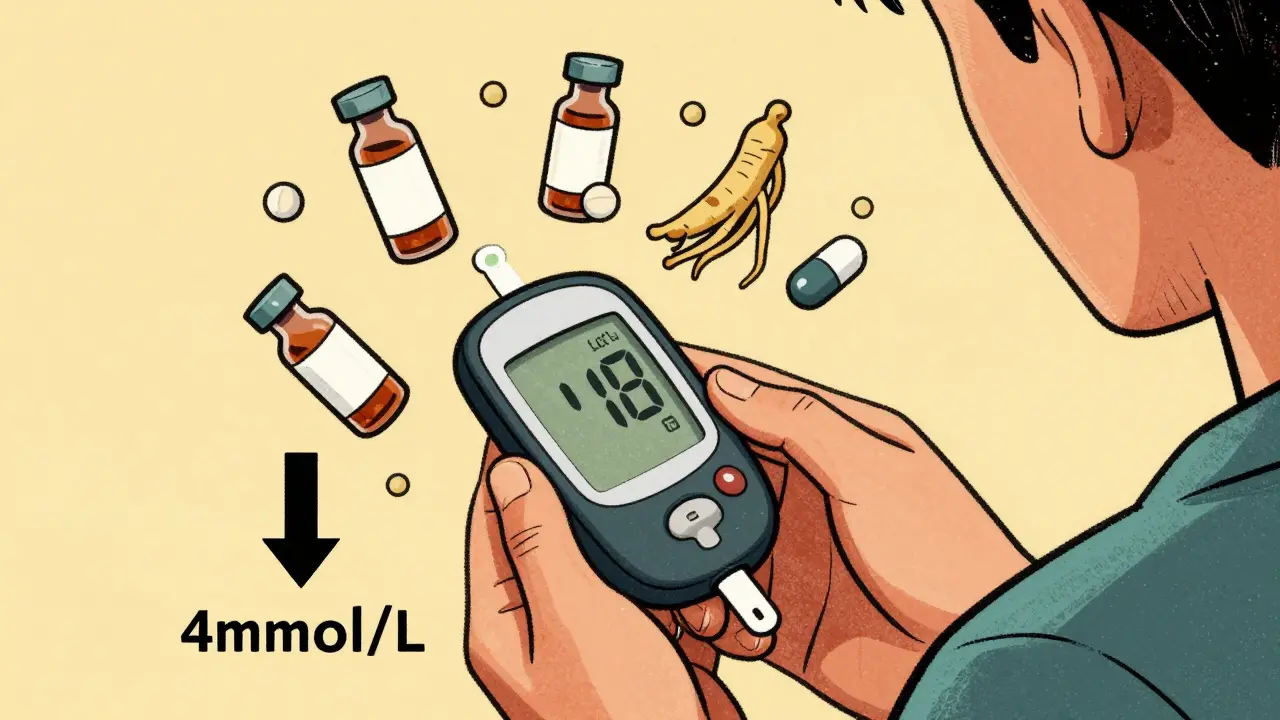
Ginseng may help lower blood sugar in type 2 diabetes, but it can dangerously interact with insulin and oral meds. Learn how to monitor your levels, avoid risks, and use it safely if approved by your doctor.
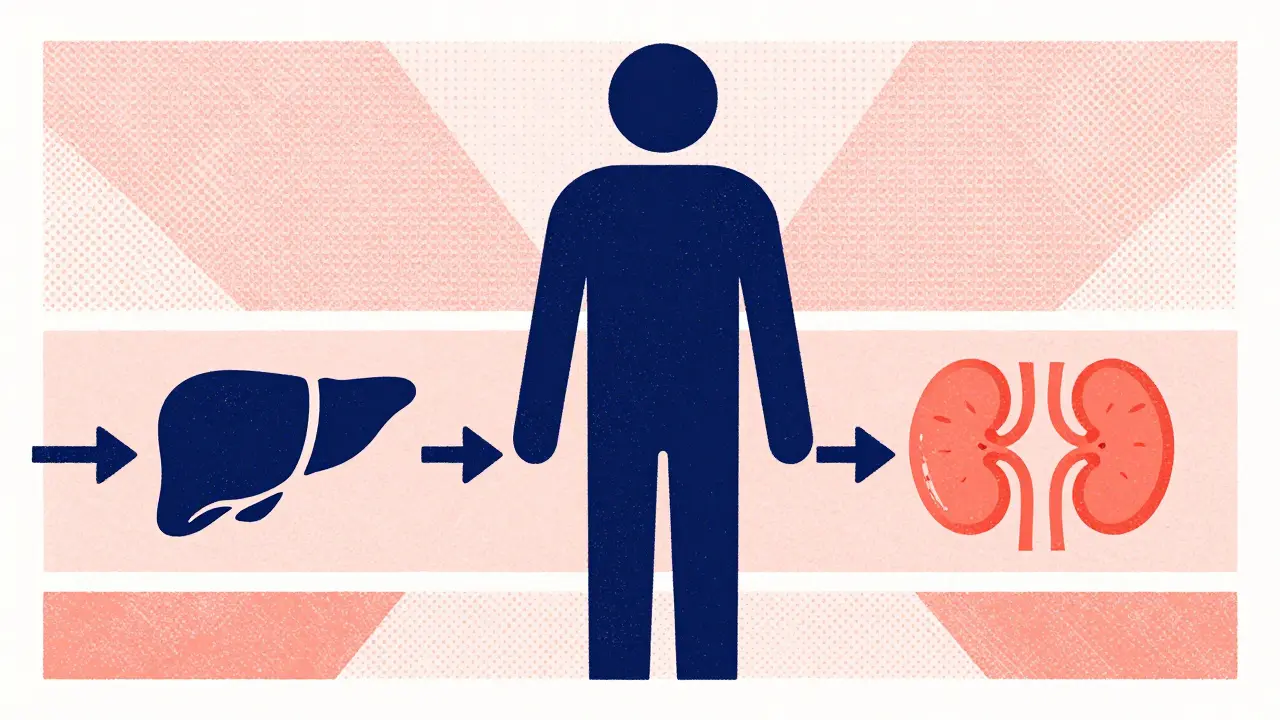
Pitavastatin is a cholesterol-lowering drug with a lower risk of increasing diabetes compared to other statins. Research shows it's a safer option for people with prediabetes, though cost and access can be barriers. Learn how it stacks up against common alternatives and what experts recommend.
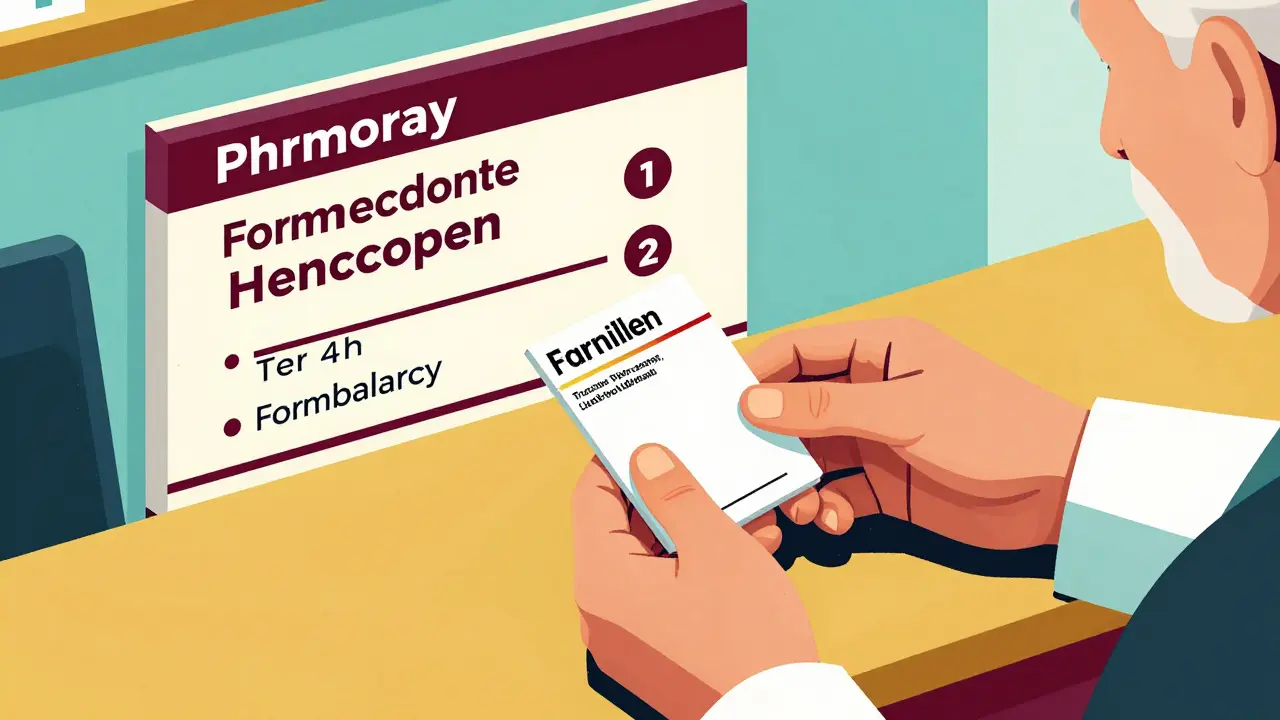
Medicare Part D saves billions by prioritizing generics. This article explains how formulary tiers, recent laws, and plan choices impact prescription costs. Learn real-world savings examples and practical steps to maximize benefits.
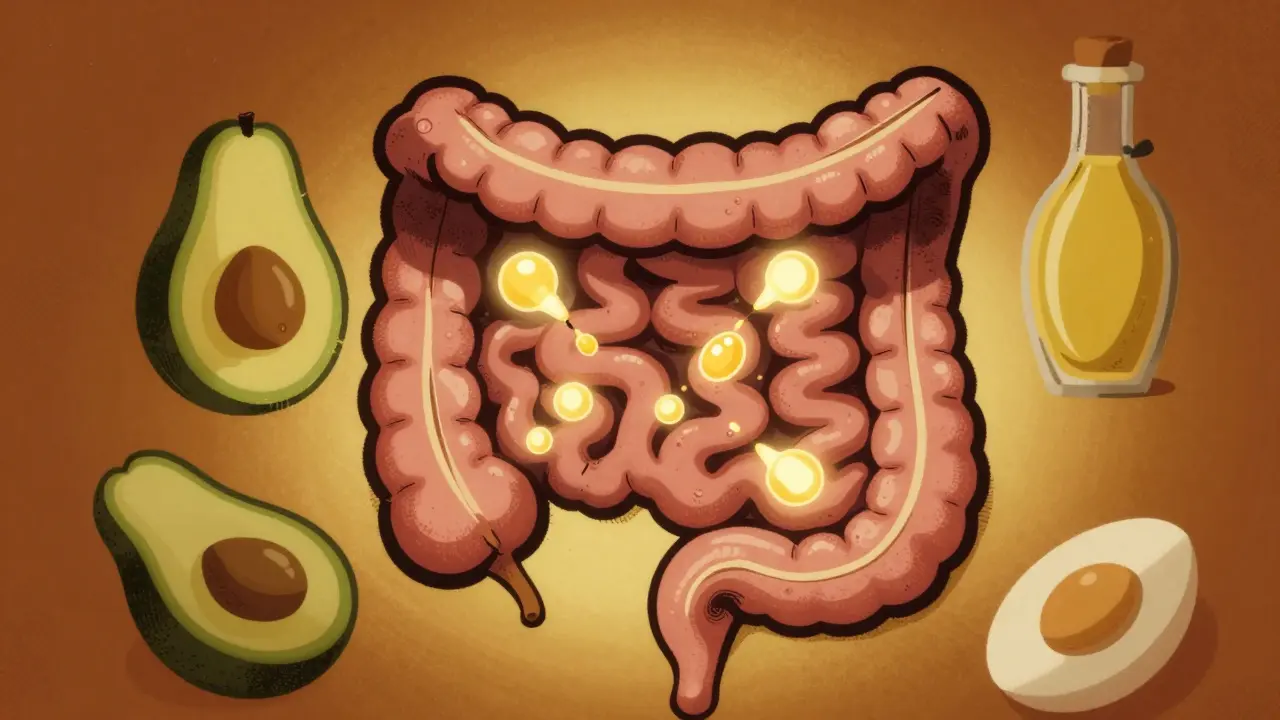
Fatty foods enhance absorption of lipid-based medications by triggering bile release and forming micelles that carry poorly soluble drugs into the bloodstream. This food effect improves bioavailability by up to 300% for certain drugs.
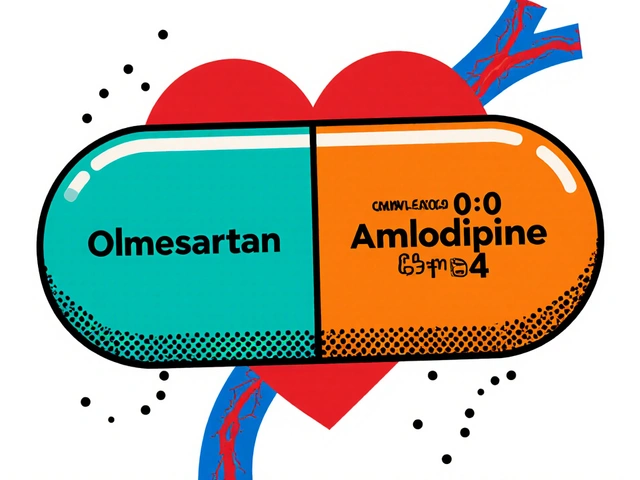
Explore how Olmesartan/Amlodipine evolved, its clinical impact, and future developments in hypertension therapy.

A complete guide to buying Verapamil online safely in 2026. Learn where to find affordable generic options, verify pharmacy legitimacy, and compare prices across top platforms.
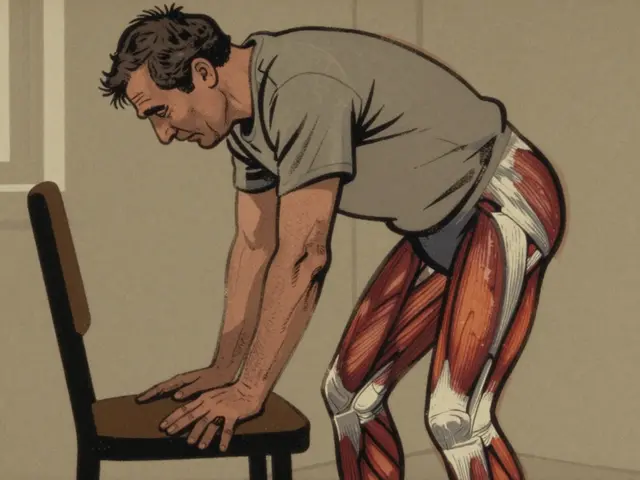
Steroid myopathy causes painless, progressive muscle weakness in people on long-term corticosteroids. Learn how to recognize early signs, avoid misdiagnosis, and start safe, effective physical therapy to regain strength.
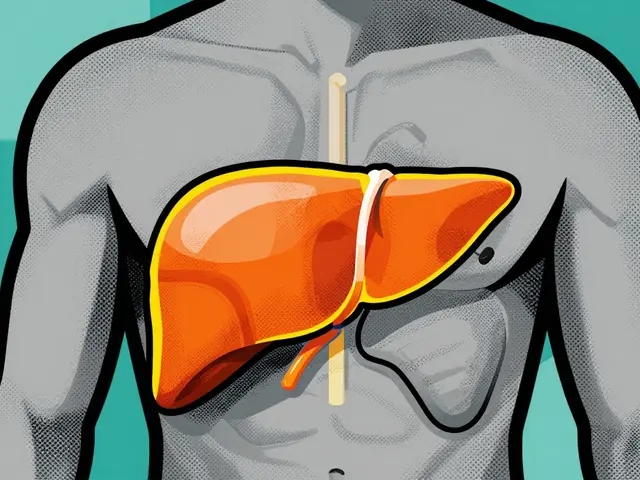
Explore how GLP-1 agonists like semaglutide are transforming the treatment of Metabolic-Associated Fatty Liver Disease (MASLD). Learn about weight loss targets, drug comparisons, and real-world challenges.
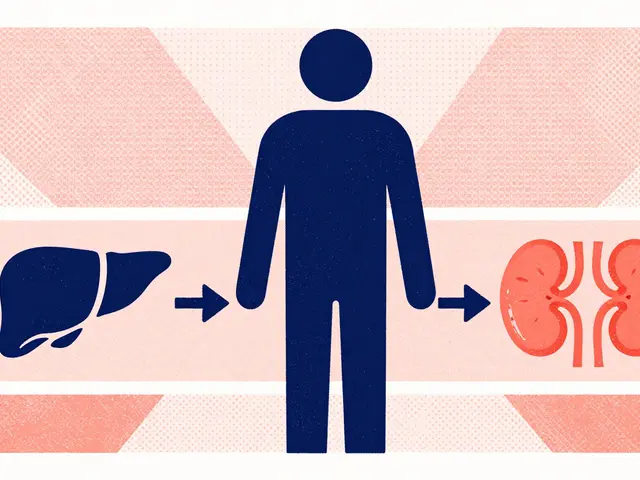
Pitavastatin is a cholesterol-lowering drug with a lower risk of increasing diabetes compared to other statins. Research shows it's a safer option for people with prediabetes, though cost and access can be barriers. Learn how it stacks up against common alternatives and what experts recommend.