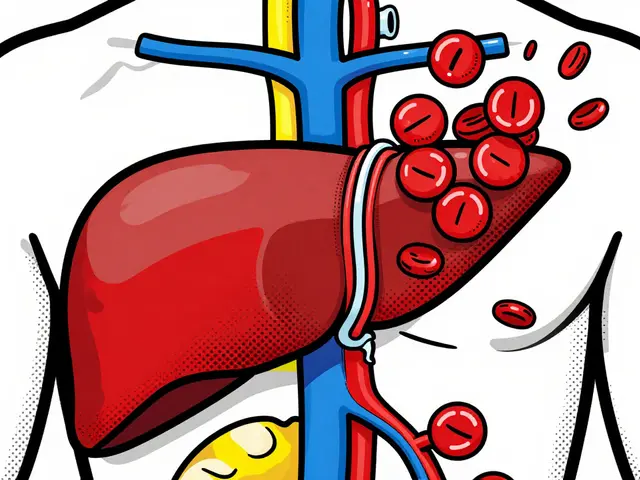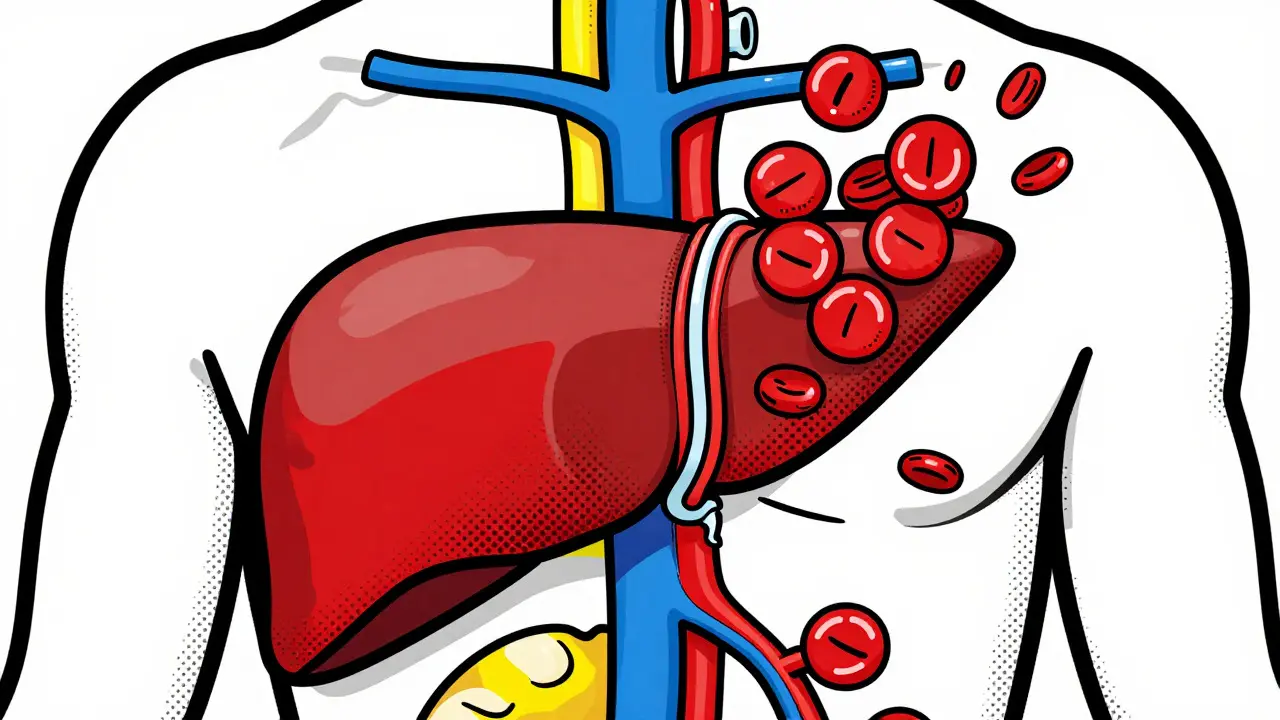
Imagine the blood flowing to your liver hitting a roadblock. Instead of moving smoothly through the organ to filter toxins, pressure builds up behind the blockage. This is portal hypertension, defined as increased pressure within the portal venous system where the hepatic venous pressure gradient exceeds 5 mmHg. It’s not just a number on a chart; it’s the engine driving some of the most dangerous complications in liver disease. For patients with cirrhosis, which accounts for roughly 90% of these cases, this condition often marks the transition from stable liver disease to critical illness.
If you or a loved one has been diagnosed with advanced liver disease, understanding how this pressure spike affects the body is crucial. The goal isn’t always to cure the underlying liver damage immediately, but to manage the fallout-specifically esophageal varices (swollen veins that can burst) and ascites (fluid buildup in the abdomen). Getting ahead of these issues can mean the difference between living at home and spending months in the hospital.
Understanding the Pressure Buildup
To grasp why portal hypertension is so dangerous, you have to look at the plumbing. Normally, blood flows from your digestive organs into the liver via the portal vein. In a healthy liver, this flow is easy. But when scar tissue from cirrhosis forms, it squeezes the tiny vessels inside the liver. Think of it like kinking a garden hose; the water (blood) still tries to push through, but the pressure behind the kink skyrockets.
This high pressure forces blood to find alternative routes back to the heart. These detours are called collateral circulation. Unfortunately, the veins in your esophagus, stomach, and rectum aren’t built to handle high-pressure traffic. They stretch out, becoming thin-walled and fragile. We call these swollen veins varices. When the pressure gets too high, they rupture. That’s when the emergency starts.
Clinically significant portal hypertension is defined as a hepatic venous pressure gradient (HVPG) of 10 mmHg or higher. At this level, the risk of developing varices jumps significantly. About 50% of patients with cirrhosis will develop varices within ten years. Once those varices reach a medium or large size, the annual risk of bleeding sits between 5% and 15%. That’s a roll of the dice nobody wants to take.
Variceal Bleeding: Prevention and Emergency Care
Preventing the first bleed is the single most important step in managing portal hypertension. Doctors use two main strategies to keep those veins quiet: medication and endoscopic therapy.
Non-selective beta-blockers (NSBBs) like propranolol or nadolol work by slowing the heart rate and reducing the amount of blood rushing into the portal system. The target is usually a 25% reduction in resting heart rate or a specific dose, such as 160 mg/day of propranolol. Studies show these drugs can reduce the risk of a first variceal bleed by about 45% compared to placebo. However, they come with side effects like fatigue and dizziness, which can be tough for older patients.
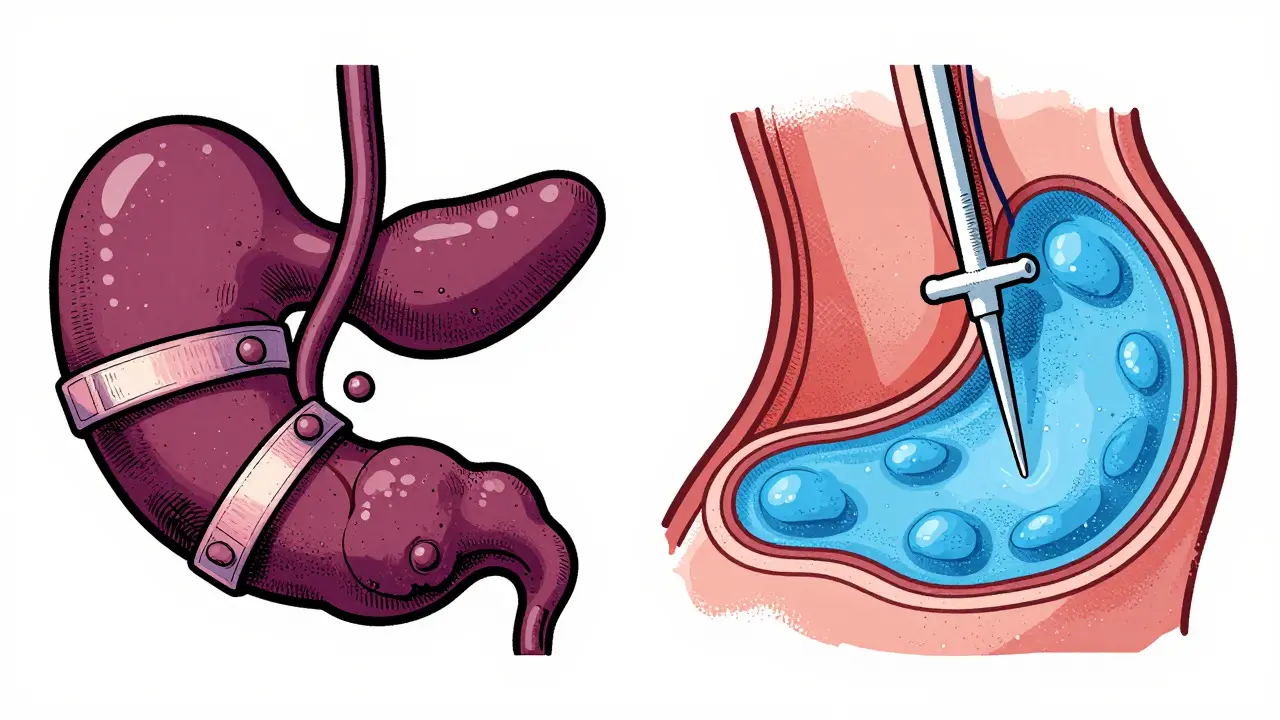
Endoscopic band ligation (EBL) involves passing a scope down the throat to place small rubber bands around the varices. This cuts off blood flow to the vein, causing it to shrink and scar over. EBL is generally preferred over sclerotherapy (injecting chemicals to harden the vein) because it has lower rebleeding rates (20-30% vs. 40-60%) and fewer complications.
If a bleed does happen, it’s a medical emergency. The standard protocol kicks in fast:
- Vasoactive drugs: Medications like terlipressin or octreotide are given intravenously to constrict blood vessels and lower portal pressure immediately.
- Antibiotics: Patients receive antibiotics like ceftriaxone because infections worsen outcomes in bleeding patients.
- Emergency Endoscopy: A specialist performs an endoscopy within 12 hours to band the bleeding varices.
Despite these aggressive measures, mortality from acute variceal bleeding remains high, hovering around 15-20% at six weeks. This underscores why prevention is far better than reaction.
Managing Ascites: Fluid Control Strategies
While varices threaten life directly, ascites threatens quality of life relentlessly. Ascites is the accumulation of fluid in the abdominal cavity. It occurs in about 60% of cirrhosis patients within ten years of diagnosis. The mechanism is complex: high portal pressure pushes fluid out of blood vessels, while hormones cause the kidneys to retain salt and water.
Treating mild ascites starts with lifestyle changes. You need to restrict sodium intake to less than 2,000 mg per day. No, this doesn’t mean no flavor-it means avoiding processed foods, canned soups, and salty snacks. Alongside diet, doctors prescribe diuretics. The gold standard combination is spironolactone (an aldosterone antagonist) and furosemide (a loop diuretic). Starting doses might be 100 mg/day of spironolactone and 40 mg/day of furosemide, adjusted based on weight loss and kidney function.
When pills aren’t enough, or if the abdomen becomes tense and painful, a procedure called paracentesis is performed. A needle is inserted into the abdomen to drain liters of fluid. If more than 5 liters are removed, albumin infusion is required to prevent a drop in blood pressure and kidney failure. Some patients need this every few weeks. One patient described the sensation of severe ascites as feeling like there was a “tire iron in their abdomen,” highlighting the physical burden.
About 10% of patients develop refractory ascites, where fluid returns despite maximum diuretic therapy and strict salt restriction. For these patients, options become limited. They may require frequent paracentesis or consideration for a shunt procedure.
The Role of TIPS in Refractory Cases
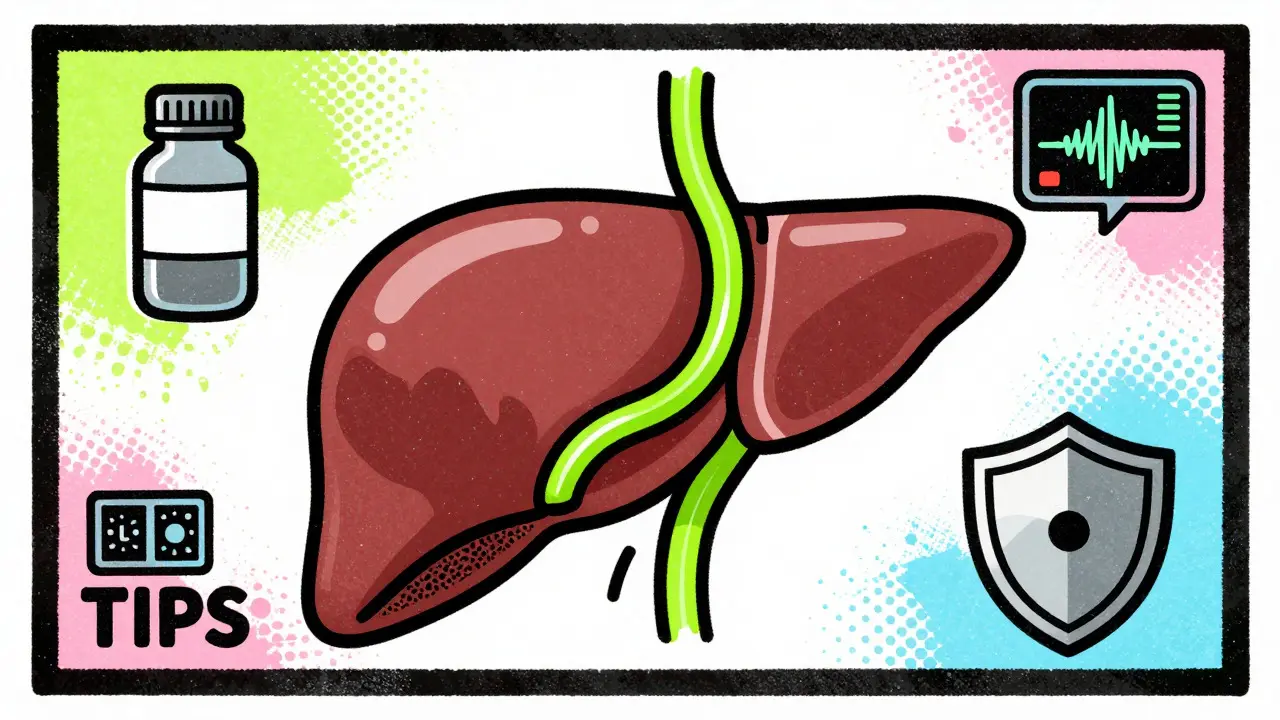
When medications and banding fail, doctors turn to the Transjugular Intrahepatic Portosystemic Shunt (TIPS). This is a major interventional radiology procedure. A doctor creates a channel (shunt) inside the liver connecting the portal vein to the hepatic vein. This bypasses the scarred tissue, allowing blood to flow freely and dropping portal pressure dramatically.
TIPS is highly effective for controlling both refractory ascites and recurrent variceal bleeding. Technical success rates are between 90% and 95%. However, it’s not without risks. By bypassing the liver, toxins that would normally be filtered enter the bloodstream directly. This can lead to or worsen hepatic encephalopathy (confusion, sleepiness, brain fog), affecting 20-30% of patients within a year. Additionally, TIPS can strain the heart due to increased blood volume returning to it.
Because of these trade-offs, TIPS is usually reserved for patients who have failed other treatments or are awaiting a liver transplant.
| Strategy | Primary Use | Success/Efficacy | Key Risks/Side Effects |
|---|---|---|---|
| Beta-Blockers | Primary prophylaxis of variceal bleeding | Reduces first bleed risk by ~45% | Fatigue, dizziness, low blood pressure |
| Endoscopic Band Ligation | Treating existing varices | Rebleeding rate 20-30% | Dysphagia, ulceration at band site |
| Diuretics + Salt Restriction | Mild to moderate ascites | Controls fluid in ~95% of uncomplicated cases | Electrolyte imbalance, kidney injury |
| TIPS Procedure | Refractory ascites or bleeding | Technical success 90-95% | Hepatic encephalopathy (20-30%), heart strain |
Emerging Treatments and Non-Invasive Monitoring
The landscape of portal hypertension management is evolving. Historically, measuring portal pressure required an invasive catheter procedure (HVPG measurement). Today, non-invasive tools are gaining ground. Elastography devices, like FibroScan, can estimate liver stiffness and spleen stiffness. Recent consensus guidelines suggest that combining liver stiffness with platelet count can predict clinically significant portal hypertension with over 85% accuracy, potentially sparing many patients from invasive testing.
New drug therapies are also in development. Simtuzumab, a monoclonal antibody targeting lysyl oxidase-like 2 (LOXL2), has received breakthrough designation for treating non-cirrhotic portal hypertension. Early trials showed it could reduce portal pressure by 35% compared to placebo. While not yet widely available, it represents hope for patients who don’t fit the traditional cirrhosis mold.
Additionally, artificial intelligence models are being trained to predict variceal bleeding risks with high precision, helping doctors personalize surveillance intervals rather than following a one-size-fits-all schedule.
Living with Portal Hypertension: Practical Advice
Living with portal hypertension requires vigilance. Here are practical steps to stay safe:
- Avoid NSAIDs: Drugs like ibuprofen and naproxen can cause kidney failure and increase bleeding risk in cirrhosis patients. Use acetaminophen cautiously (under 2g/day).
- Monitor Weight Daily: Sudden weight gain (more than 2 lbs in a day or 5 lbs in a week) often signals fluid retention before you see visible swelling.
- Watch for Confusion: Changes in sleep patterns, personality, or confusion can signal hepatic encephalopathy. Report this to your doctor immediately.
- Stay Up-to-Date on Vaccinations: Infections trigger decompensation. Ensure you’re vaccinated against hepatitis A/B, flu, and pneumonia.
The journey with portal hypertension is challenging, but it’s manageable. With regular monitoring, adherence to medication, and open communication with your hepatology team, you can mitigate risks and maintain quality of life.
What is the normal range for portal vein pressure?
Normal portal venous pressure ranges from 5 to 10 mmHg. Portal hypertension is diagnosed when the hepatic venous pressure gradient (HVPG) exceeds 5 mmHg, and it is considered clinically significant when HVPG is 10 mmHg or higher.
Can portal hypertension be cured without a liver transplant?
In most cases caused by cirrhosis, portal hypertension cannot be completely cured without a liver transplant because the scar tissue is permanent. However, the complications (like bleeding and fluid buildup) can be effectively managed with medications, procedures, and lifestyle changes. In rare cases of non-cirrhotic causes, treating the underlying issue may reverse the condition.
What are the signs of a bleeding varix?
The most common sign is vomiting bright red blood or coffee-ground material. Other signs include black, tarry stools (melena), dizziness, fainting, rapid heart rate, and pale skin. This is a life-threatening emergency requiring immediate hospital care.
How much salt should I limit myself to if I have ascites?
Patients with ascites are typically advised to restrict sodium intake to less than 2,000 mg (2 grams) per day. This helps prevent the kidneys from retaining excess water, which worsens fluid buildup in the abdomen.
Is TIPS a permanent solution?
TIPS provides long-term relief from high portal pressure, but it is not necessarily permanent. The shunt can narrow or close over time (stenosis), requiring follow-up ultrasounds and possibly additional interventions to keep it open. It also carries a risk of worsening hepatic encephalopathy.