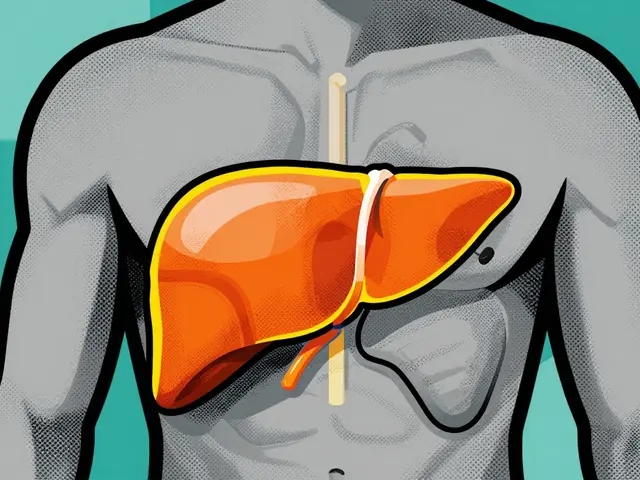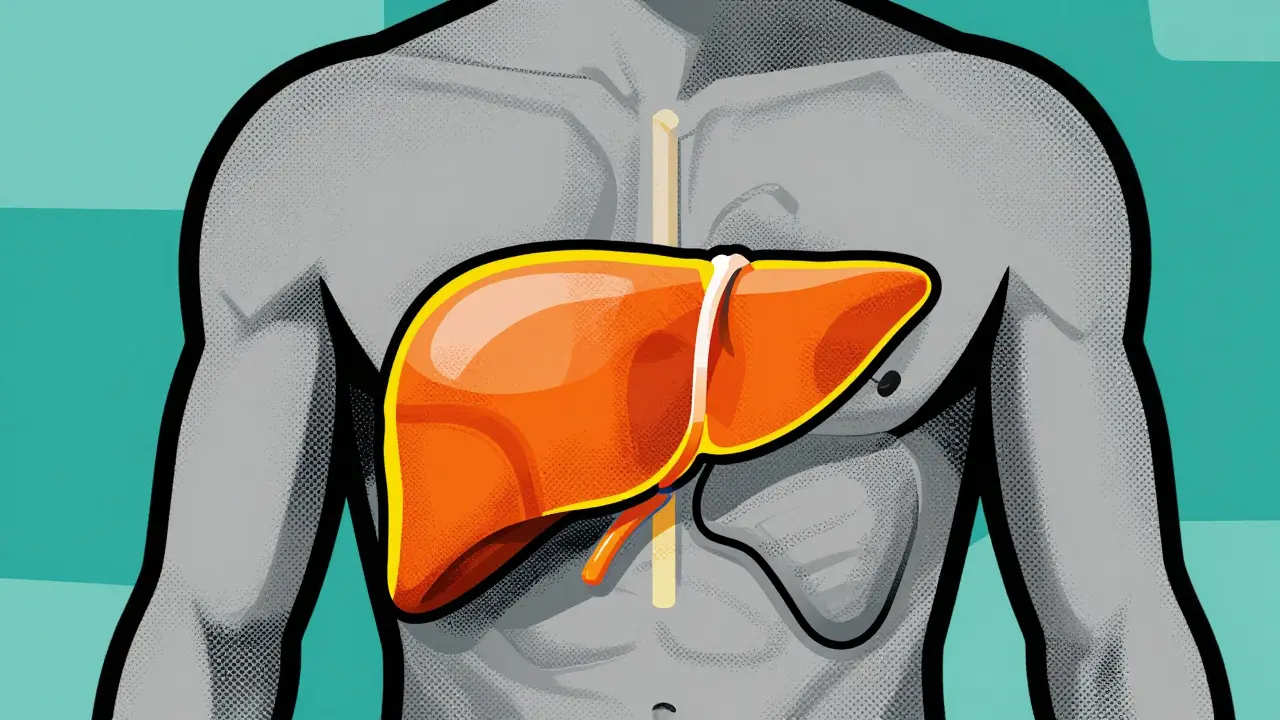
You might have heard the term NAFLD-Non-Alcoholic Fatty Liver Disease-for years. But in 2023, the medical community officially changed the name to Metabolic Dysfunction-Associated Steatotic Liver Disease, or MASLD. This isn't just a rebranding exercise; it’s a shift in how we understand the disease. The new name highlights that this condition is directly linked to metabolic issues like obesity, type 2 diabetes, and high blood pressure, rather than just being defined by what it *isn’t* (alcohol-related). With global prevalence hitting 25-30% of the population, understanding how to treat it has never been more urgent.
The good news? We now have powerful tools to fight back. Weight loss remains the gold standard for reversing liver fat, but achieving that 10% weight loss target is notoriously difficult for many people. Enter GLP-1 receptor agonists, a class of medications originally designed for diabetes that have revolutionized weight management. Drugs like semaglutide and liraglutide are showing remarkable promise not just for shrinking waistlines, but for healing the liver itself. Here is how they work, what the data says, and how you can navigate this evolving landscape of care.
Why the Name Change Matters for Your Treatment
To understand the treatment, you first need to understand the diagnosis. The old term, NAFLD, was a diagnosis of exclusion-you had to rule out alcohol and other causes first. The new term, MASLD, is a positive diagnosis. If you have excess fat in your liver (steatosis) plus at least one metabolic risk factor, you fit the criteria. These risk factors include a BMI over 30, type 2 diabetes, hypertension, or high cholesterol.
This distinction matters because it shifts the focus from simply avoiding alcohol to actively managing your metabolism. The underlying problem is often insulin resistance. When your body doesn’t respond well to insulin, your fat cells release free fatty acids into your bloodstream. About 59% of the fat that accumulates in your liver comes from these circulating free fatty acids. Another 26% comes from your liver making new fat from carbohydrates (de novo lipogenesis). By targeting the metabolic dysfunction, we address the root cause, not just the symptom.
Weight Loss: The Proven Gold Standard
Before looking at medication, it is crucial to acknowledge that lifestyle change is the foundation of all MASLD treatment. Clinical research has established specific thresholds for weight loss that correlate with liver improvement:
- 5-7% weight loss: This amount reduces liver fat (steatosis) significantly. You may see improvements in liver enzymes, but inflammation often persists.
- 10% weight loss: This is the magic number. Losing 10% or more of your total body weight can resolve lobular inflammation and even reverse early-stage fibrosis (scarring). In some studies, 45% of patients achieved complete resolution of MASH (the inflammatory form of the disease) with this level of loss.
The Look AHEAD trial showed that intensive lifestyle intervention could reduce the incidence of MASH by 90%. However, sustaining this kind of weight loss through diet and exercise alone is incredibly challenging. Long-term adherence rates drop significantly after the first year, which is why pharmacological support has become so critical.
How GLP-1 Receptor Agonists Work on the Liver
GLP-1 receptor agonists mimic a natural hormone called glucagon-like peptide-1. While most people know them for slowing down digestion and reducing appetite, their effects on the liver are multifaceted and profound.
First, they improve insulin sensitivity in adipose (fat) tissue. When your fat cells become more sensitive to insulin, they stop releasing excessive free fatty acids into the blood. This cuts off the primary supply line of fat going to your liver. Second, these drugs activate an enzyme called AMPK in the liver, which suppresses de novo lipogenesis-the process where your liver turns carbs into fat. Third, they have direct anti-inflammatory effects by inhibiting NF-κB signaling, a pathway involved in chronic inflammation.
It’s a triple threat: less fat coming in, less fat being made, and less inflammation causing damage.

Semaglutide vs. Liraglutide: What the Data Shows
Not all GLP-1 drugs are created equal when it comes to liver outcomes. Two stand out in current clinical literature: semaglutide and liraglutide.
| Drug | Average Weight Loss | Liver Fat Reduction | MASH Resolution Rate | Dosing Frequency |
|---|---|---|---|---|
| Semaglutide (Wegovy/Ozempic) | 15.1% | 55% reduction in MRI-PDFF | 52% (vs 22% placebo) | Weekly injection |
| Liraglutide (Saxenda) | 7.2% | Significant histological improvement | 39% (vs 17% placebo) | Daily injection |
Semaglutide, particularly at the higher dose of 2.4 mg/week, has shown superior efficacy in recent trials. The REGENERATE trial substudy found that semaglutide achieved a 52% MASH resolution rate compared to 22% for placebo. Liraglutide is effective too, especially for those who cannot tolerate weekly injections or have contraindications to semaglutide, but the magnitude of liver benefit appears lower due to less overall weight loss.
Real-World Challenges: Side Effects and Adherence
While the clinical trial data is impressive, real-world use tells a different story. The biggest hurdle is gastrointestinal intolerance. Nausea is the most common side effect, affecting up to 76% of users in patient forums. For many, this nausea is manageable (Grade 1), but for others, it leads to discontinuation. Approximately 30-40% of patients stop taking GLP-1 RAs within the first year due to these side effects.
Another major issue is weight regain. If you stop the medication, the appetite-suppressing effects wear off. Studies show that 42% of patients regain more than half of their lost weight within two years of stopping therapy. This suggests that for many, GLP-1 agonists may need to be a long-term or lifelong treatment, similar to medication for hypertension or diabetes.
Cost is also a significant barrier. Semaglutide can cost over $1,300 per month without insurance coverage. While Medicare Part D covers it for diabetes, coverage for obesity indications varies widely by plan. This financial burden affects adherence and access, particularly for those without robust private insurance.

Combining Therapies for Advanced Disease
If you have advanced fibrosis (Stage F3 or F4), GLP-1 agonists alone may not be enough. Dr. Elizabeth Marchiori of Mayo Clinic notes that while these drugs are excellent for steatosis and early inflammation, they have limited efficacy for reversing advanced scarring. In these cases, combination therapy is emerging as a key strategy.
Newer agents like resmetirom, an FXR agonist, are being studied in combination with semaglutide. Early data suggests that combining a GLP-1 RA with an FXR agonist could provide additive benefits, addressing both the metabolic drivers and the fibrotic progression of the disease. As the FDA approves more targeted therapies, expect to see more personalized treatment plans that layer medications based on your specific stage of liver disease.
Practical Steps for Starting Treatment
If you suspect you have MASLD or have been diagnosed with it, here is a practical roadmap to discuss with your healthcare provider:
- Get Baseline Testing: Ensure you have a FibroScan (transient elastography) or MRI-PDFF to quantify liver fat and stiffness. Blood tests for FIB-4 score are also essential.
- Set Realistic Goals: Aim for 7-10% weight loss over 6-12 months. Don’t chase rapid loss; steady progress protects your liver.
- Discuss GLP-1 Options: Ask if semaglutide or liraglutide is appropriate for you. Consider your history of pancreatitis, thyroid cancer, or severe GI issues before starting.
- Titrate Slowly: Start low and go slow. Beginning at 0.25 mg/week for semaglutide helps mitigate nausea. Stay on each dose for at least four weeks before increasing.
- Combine with Lifestyle: Medication is a tool, not a cure. Pair it with a Mediterranean-style diet (low fructose, high fiber) and 150 minutes of moderate exercise weekly.
Remember, the goal is not just weight loss-it’s metabolic health. Even if the scale moves slowly, improvements in insulin sensitivity and liver enzymes are signs that the treatment is working.
Can GLP-1 agonists completely cure fatty liver disease?
They can resolve MASH (inflammation) and reduce liver fat significantly, effectively 'curing' the active disease process in many patients. However, because the underlying metabolic tendency remains, stopping the medication often leads to recurrence. It is best viewed as a long-term management strategy rather than a one-time cure.
Is semaglutide safe for everyone with MASLD?
Most people tolerate it well, but it is not suitable for everyone. Contraindications include a personal or family history of medullary thyroid carcinoma, Multiple Endocrine Neoplasia syndrome type 2, and a history of pancreatitis. Patients with severe gastroparesis should also use caution due to slowed gastric emptying.
How long does it take to see liver improvements on GLP-1s?
Liver fat reduction can be seen within 3-6 months via MRI-PDFF. Histological improvements in inflammation and fibrosis typically require 12-72 weeks of consistent treatment and sustained weight loss. Regular monitoring with blood tests and imaging is recommended every 6 months.
What happens if I stop taking the medication?
The appetite-suppressing effects will wear off, and hunger levels may return to baseline or increase temporarily. Most patients experience weight regain, which can lead to the return of liver fat and inflammation. Maintaining lifestyle changes is critical to preserving any benefits gained during treatment.
Are there cheaper alternatives to semaglutide?
Liraglutide is sometimes less expensive, though still costly. Older medications like metformin or pioglitazone have weaker evidence for liver-specific benefits but are much cheaper. Always discuss cost concerns with your doctor, as they may help apply for patient assistance programs or suggest generic alternatives if clinically appropriate.