
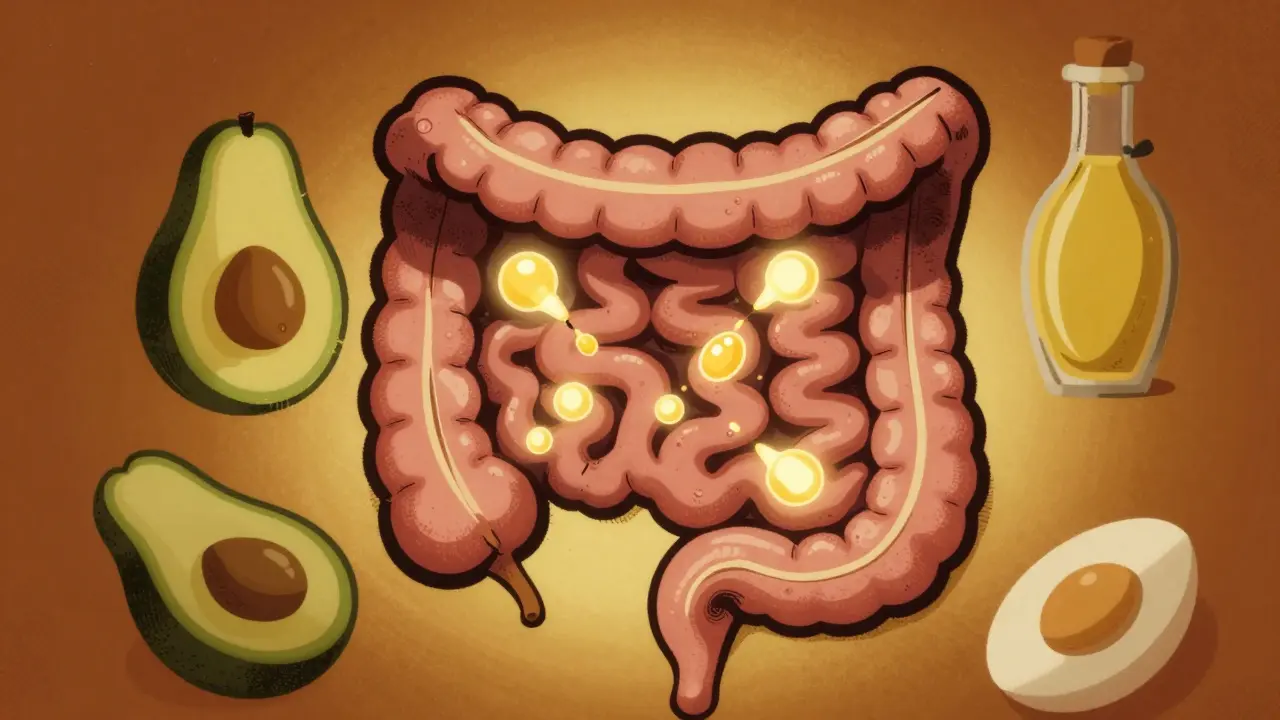
Fatty foods enhance absorption of lipid-based medications by triggering bile release and forming micelles that carry poorly soluble drugs into the bloodstream. This food effect improves bioavailability by up to 300% for certain drugs.
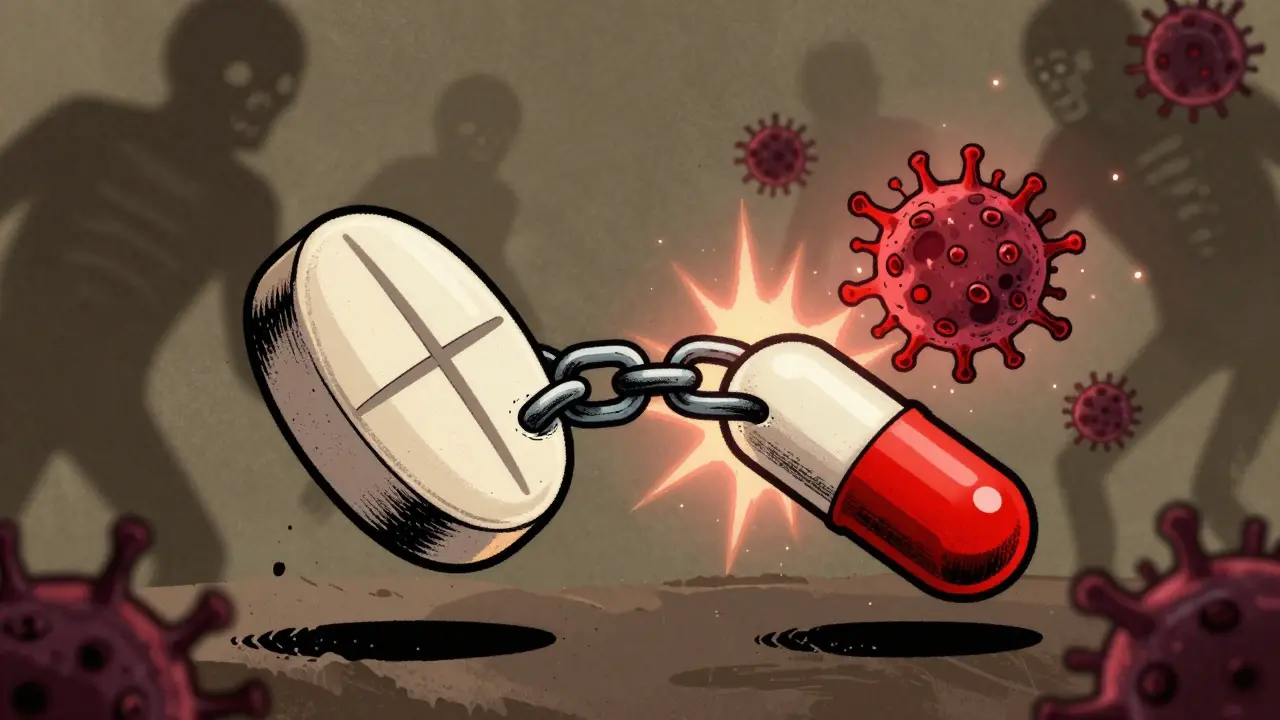
Calcium and iron supplements can block antibiotics, thyroid meds, and heartburn pills from working. Learn how to time your supplements so your medications actually work-and avoid hidden health risks.
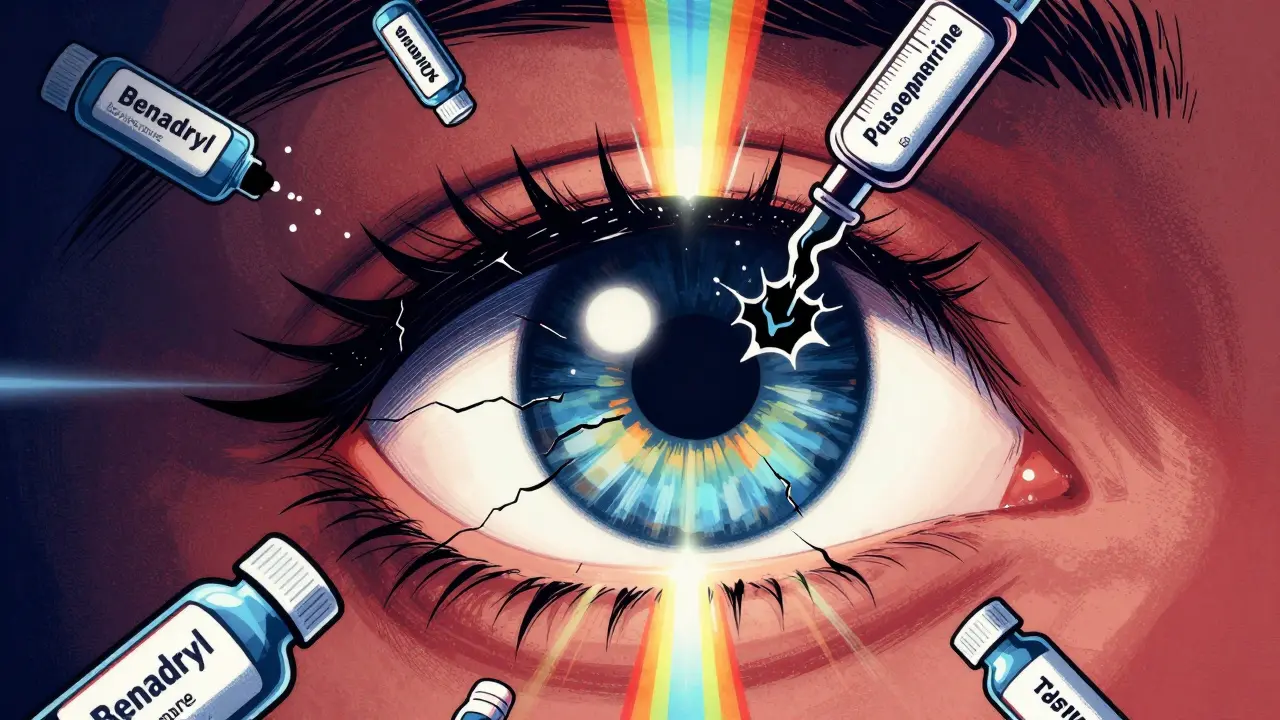
Medication-induced acute angle-closure glaucoma is a sudden, sight-threatening eye emergency triggered by common drugs like decongestants, antihistamines, and antidepressants. Learn who's at risk, which meds cause it, and how to prevent permanent vision loss.
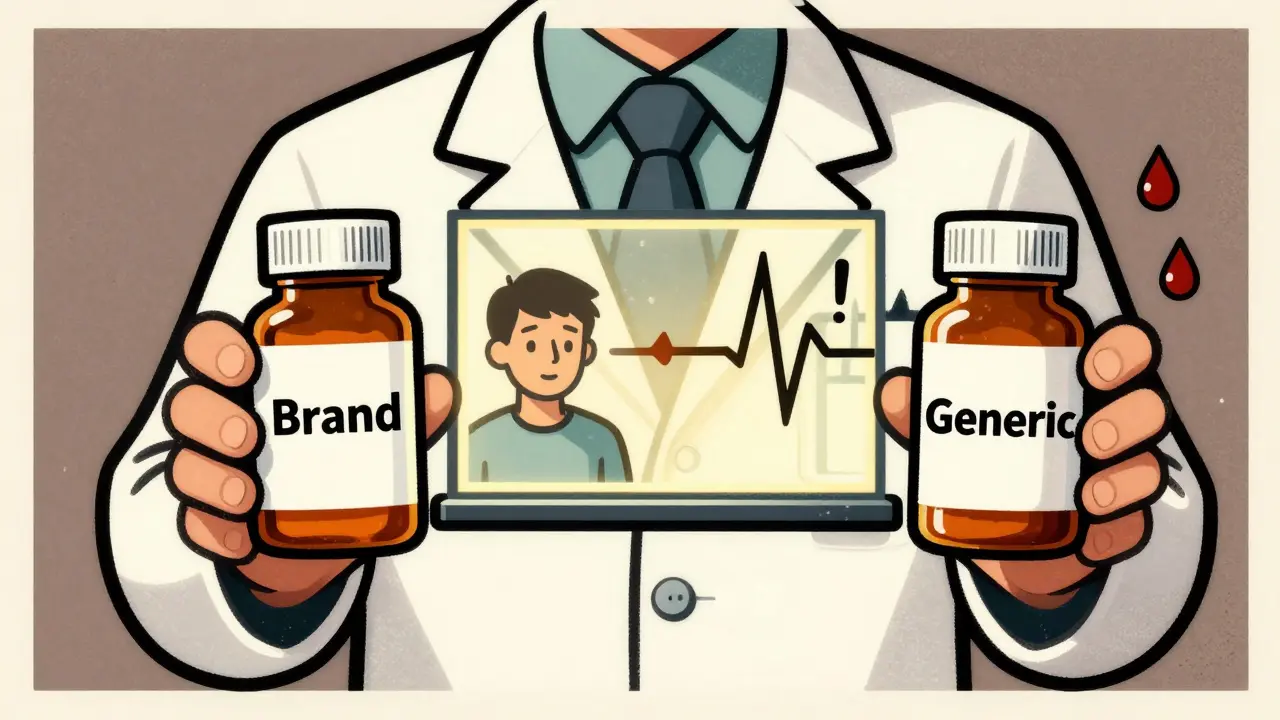
Switching to generic medications can be safe - but for drugs with a narrow therapeutic index, even small changes in absorption can cause serious effects. Learn when dose adjustments are needed and how to protect yourself.
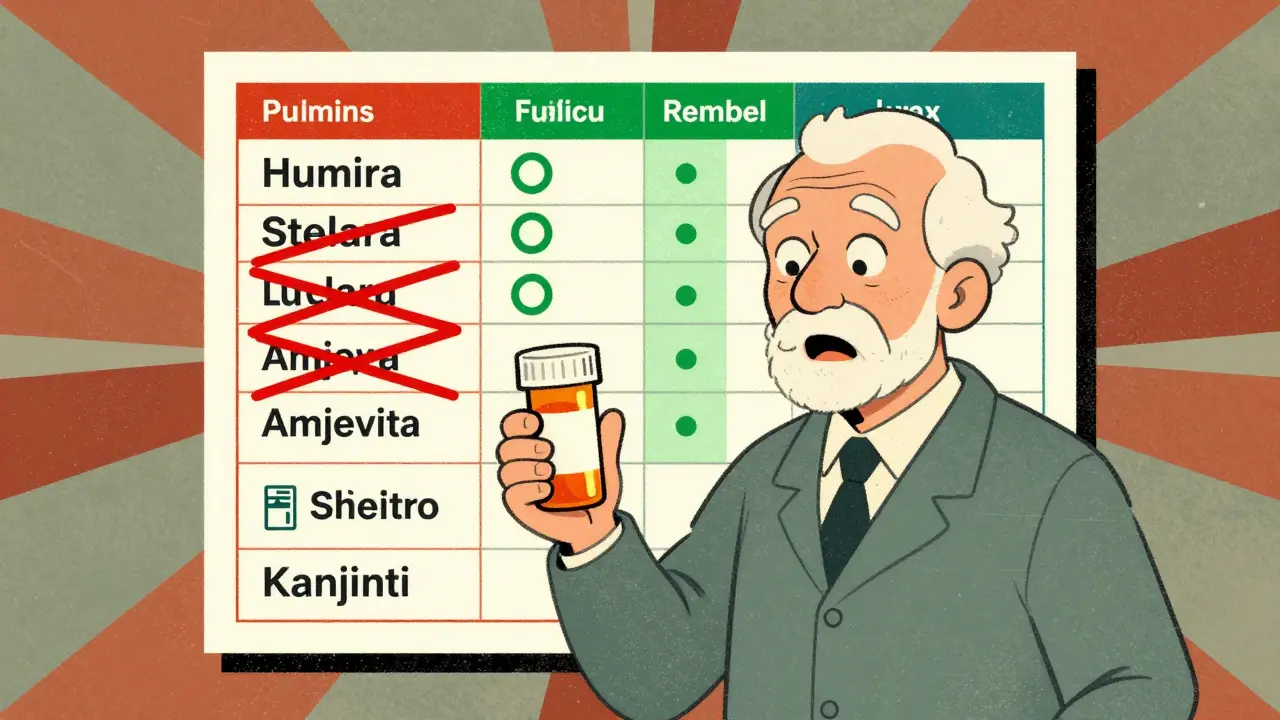
Understand how 2025 Medicare Part D formulary updates are forcing generic and biosimilar switches, what drugs are affected, and how to protect your coverage before January 1.
Learn how to stay informed about FDA drug recalls and safety alerts. Get practical steps to sign up for alerts, report side effects, and protect yourself from dangerous medications.
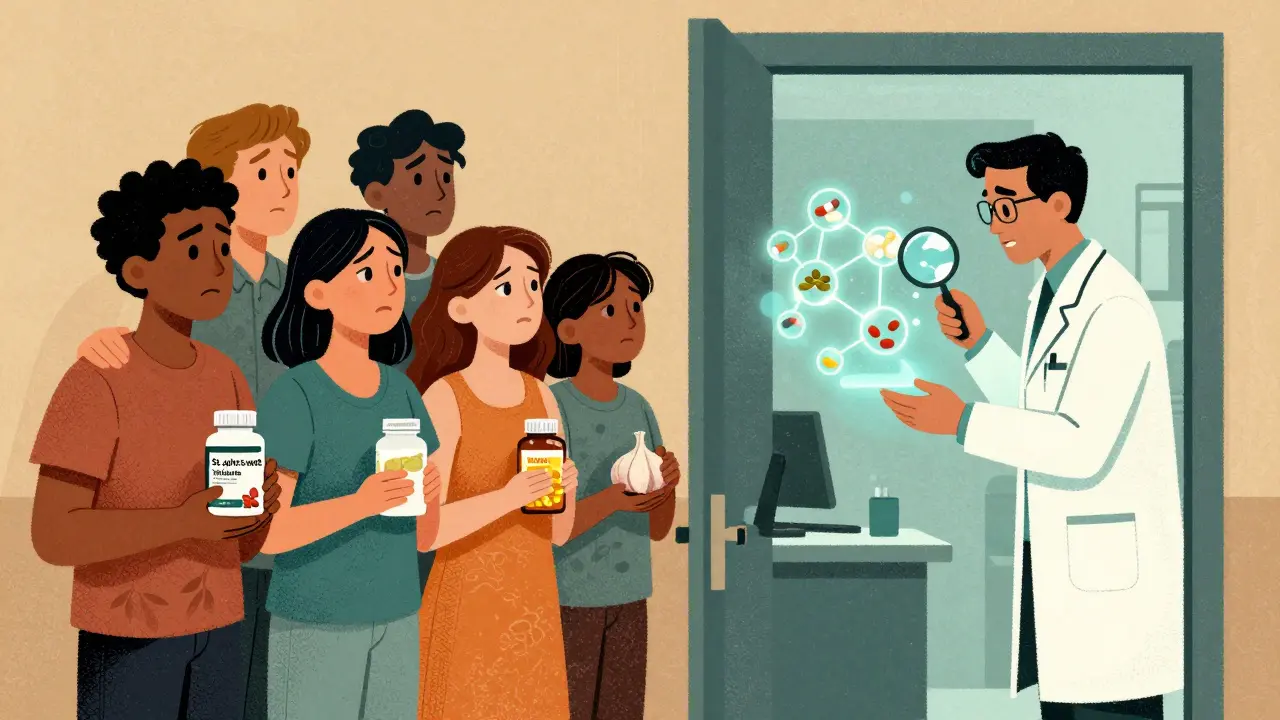
Most people don't tell their doctors about dietary supplements-even though they can interact dangerously with medications. Learn why full disclosure matters, which supplements are riskiest, and how to talk to your care team safely.
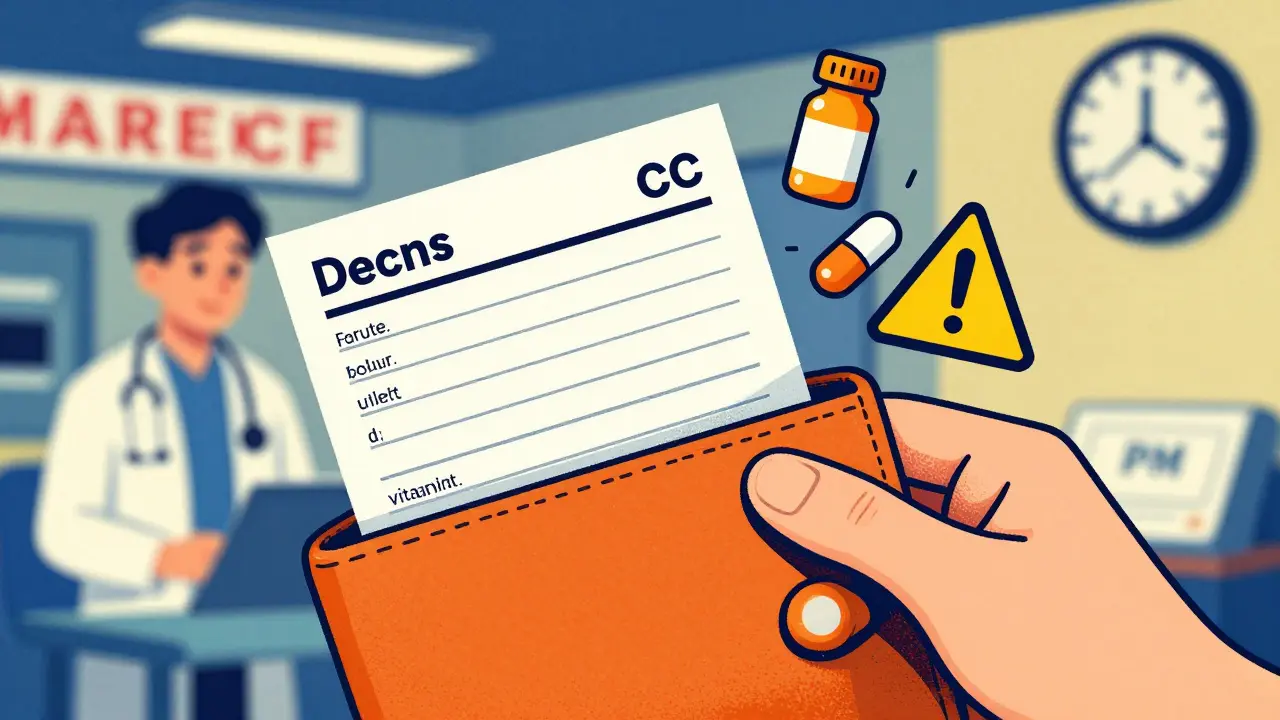
A personal medication list saves lives by preventing dangerous drug interactions. Learn exactly what to include-prescriptions, OTC drugs, supplements, allergies-and how to keep it updated for maximum safety.

Fiber supplements like psyllium help with constipation but can interfere with medications. Learn the safest timing rules to avoid reduced drug effectiveness and side effects.
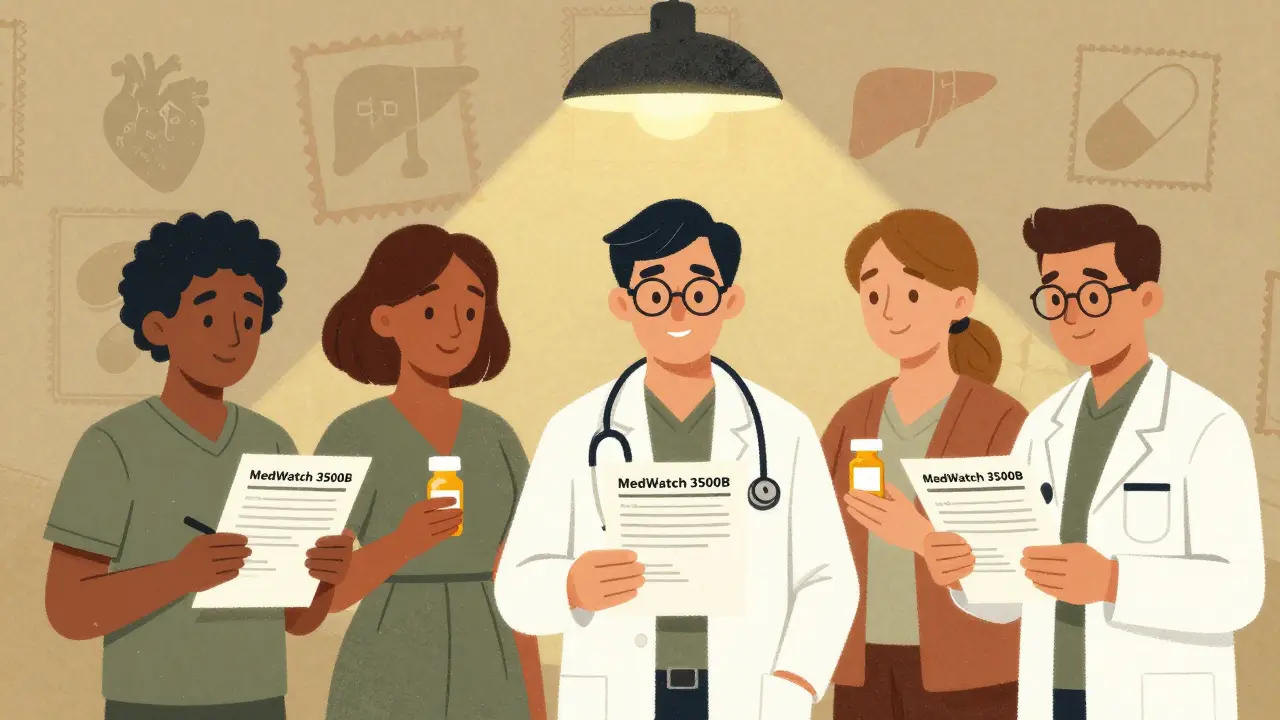
Learn how to report adverse drug reactions to the FDA's MedWatch program. Understand what counts as reportable, how to fill out the form, and why your report matters for drug safety.
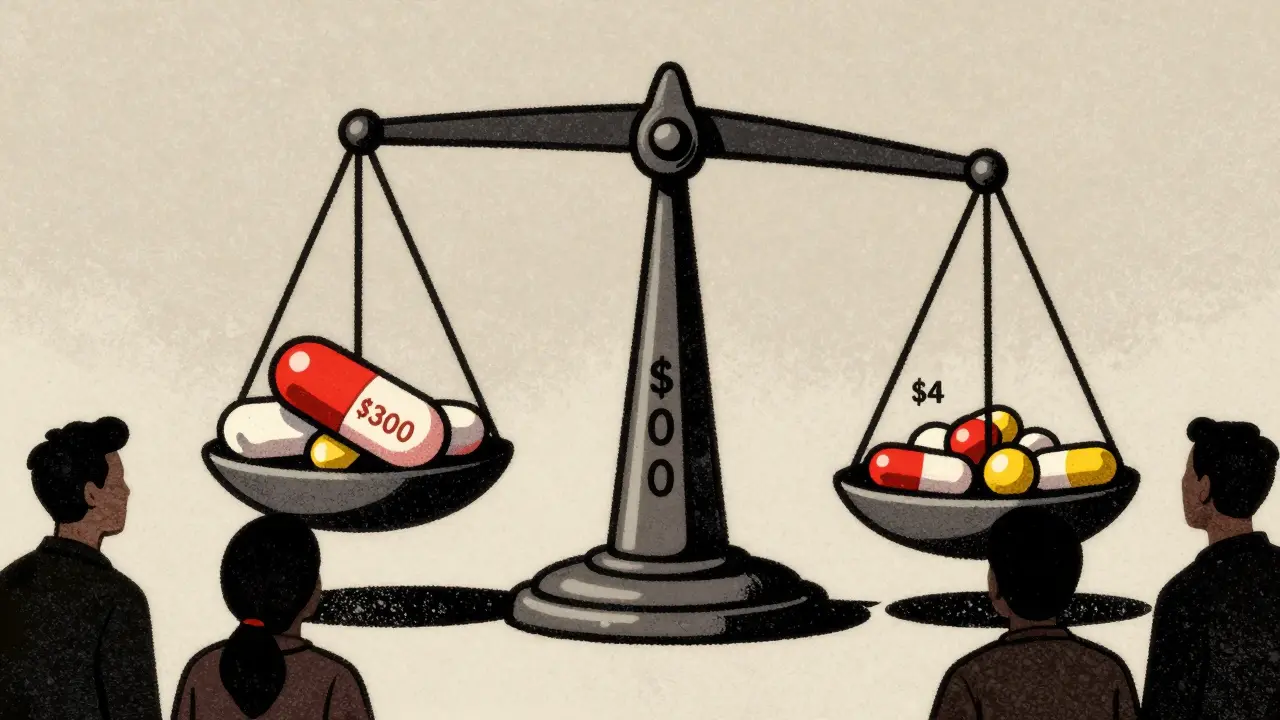
Buyers like Medicare use the presence of generic drugs to negotiate lower prices for brand-name medications. Generic competition drives prices down by over 90% in many cases, making it a key tool for controlling drug costs.
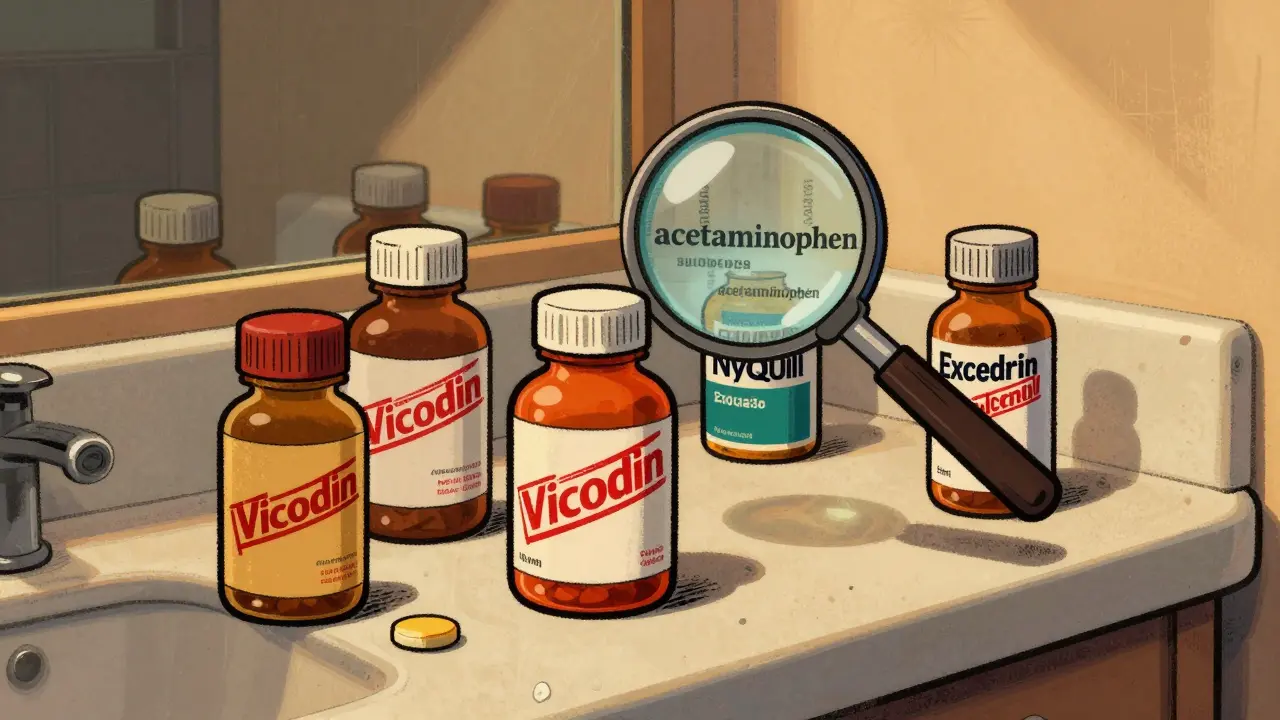
Acetaminophen combination products like Vicodin and Percocet can cause silent liver damage when taken with other meds. Learn how to avoid overdose, recognize risks, and use safer pain management strategies.

Explore how support groups improve life for those with partial onset seizures, covering benefits, types, finding options, and tips for active participation.

Fluoxetine, an antidepressant, is often prescribed to treat depression, anxiety, and various mood disorders. Understanding its medical effects, potential side effects, and interactions with other medications can help users make informed decisions. This article also covers common dosages and recommendations, ensuring safety and effectiveness. Discover ways to access the best deals with practical tips and considerations.
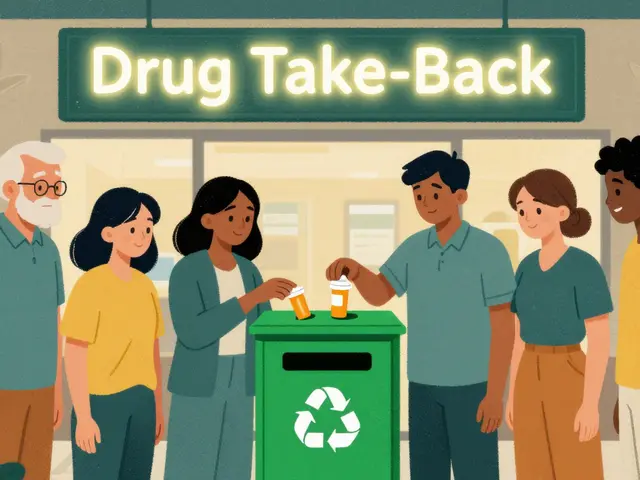
Learn how drug take-back programs safely dispose of unused medications through permanent drop boxes, mail-back envelopes, and nationwide events. Find out what you can and can’t dispose of, and how to locate the nearest collection site.
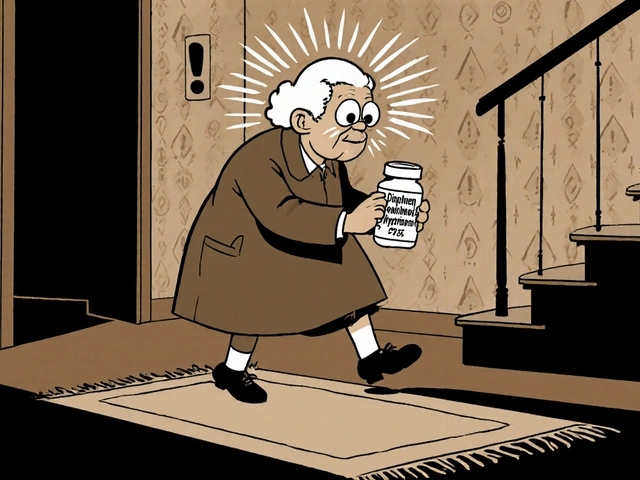
Sedating antihistamines like diphenhydramine significantly increase fall risk in older adults. Learn why first-generation options are dangerous, which safer alternatives exist, and practical steps to prevent falls through medication changes and home safety.

Learn how to create a home medication storage checklist that prevents accidents, keeps drugs effective, and protects children and seniors. Includes expert-backed storage rules, disposal tips, and a printable checklist.