
Dealing with health problems can be frustrating, especially when they make daily life harder. Whether you're struggling with lung inflammation or recovering from surgery and feeling dizzy, knowing some simple, effective steps can really help. It’s all about managing symptoms in ways that fit into your routine without complicating things.
When your lungs are inflamed, breathing feels tough and even small tasks can tire you out. Instead of rushing to medications, some home remedies offer real relief. For example, breathing in steam helps loosen mucus and calms irritation. You can do this by sitting over a bowl of hot water with a towel over your head for 10-15 minutes. Herbal teas like ginger or turmeric add anti-inflammatory power, helping reduce swelling.
It’s also smart to avoid smoky places and pollutants since they make inflammation worse. Drinking plenty of water supports lung function too. If you keep these tips regularly, your lungs will thank you by feeling less labored and more refreshed.
Feeling dizzy after surgery isn’t unusual, but it can be unsettling. Changes in blood pressure, dehydration, or medications might be behind it. Simple steps can keep dizziness in check. Make sure you get up slowly from sitting or lying down to avoid sudden drops in blood pressure.
Also, drinking enough fluids helps because dehydration is a common cause of dizziness. If you feel dizzy, sit or lie down immediately and avoid risky activities like driving. Paying attention to your body and resting as needed supports recovery. And don’t hesitate to talk to your doctor if dizziness lasts or worsens—it’s always better to be safe.
Understanding your condition, whether it’s lung inflammation or post-surgery dizziness, gives you a better grip on managing symptoms. Small lifestyle changes and home remedies often make a big difference and help you get back to your normal pace faster and easier.
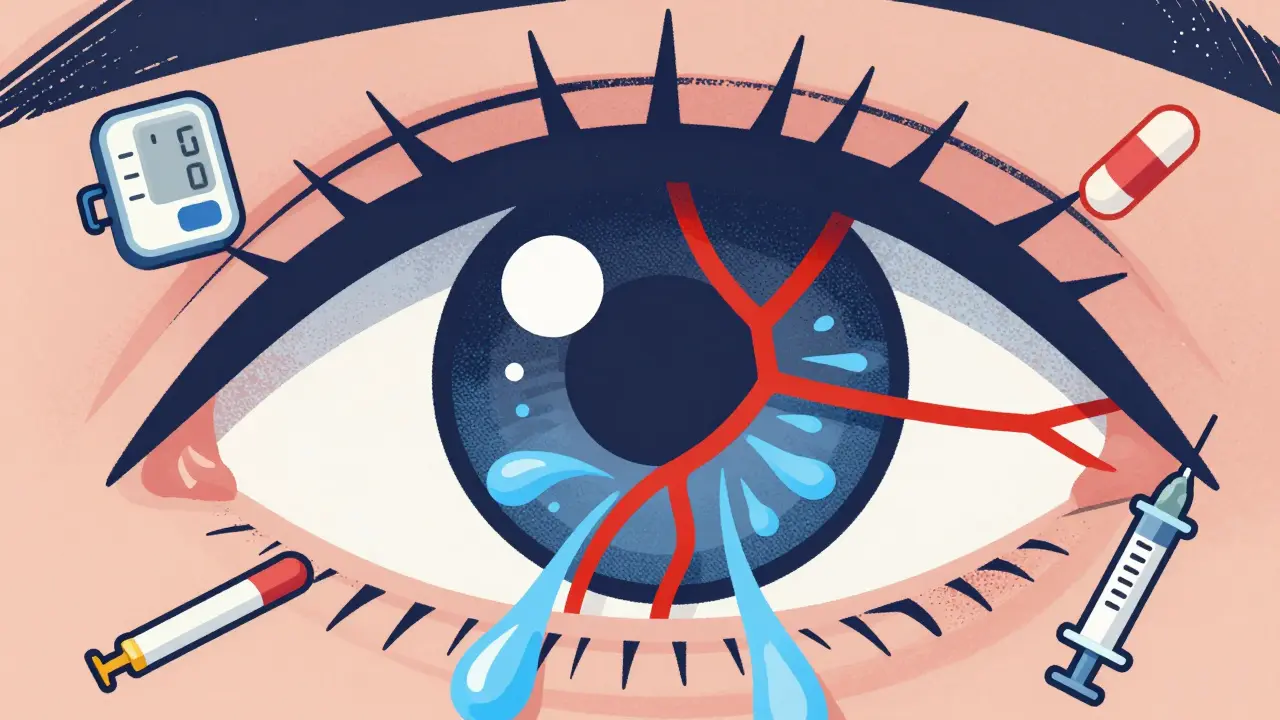
Retinal vein occlusion is a leading cause of sudden vision loss. Learn the key risk factors like high blood pressure and diabetes, and how anti-VEGF and steroid injections help restore vision. Understand treatment realities, costs, and what’s coming next.

Scabies and lice are common, contagious skin infestations that require precise treatment to prevent reinfection. Learn how permethrin, ivermectin, and spinosad work-and why treating everyone at once is critical.

Vitiligo camouflage offers temporary and permanent cosmetic solutions to conceal depigmented skin patches. Learn how specialized makeup and micropigmentation work, their pros and cons, real user experiences, and what experts recommend for best results.

Floaters after cataract surgery are common and usually harmless, but sudden changes can signal serious issues. Learn what’s normal, when to worry, and what to do next.

Hepatitis A spreads easily through contaminated food, often from infected workers who don’t wash their hands. Learn how it’s transmitted, what to do after exposure, and how vaccines and hygiene can stop outbreaks before they start.
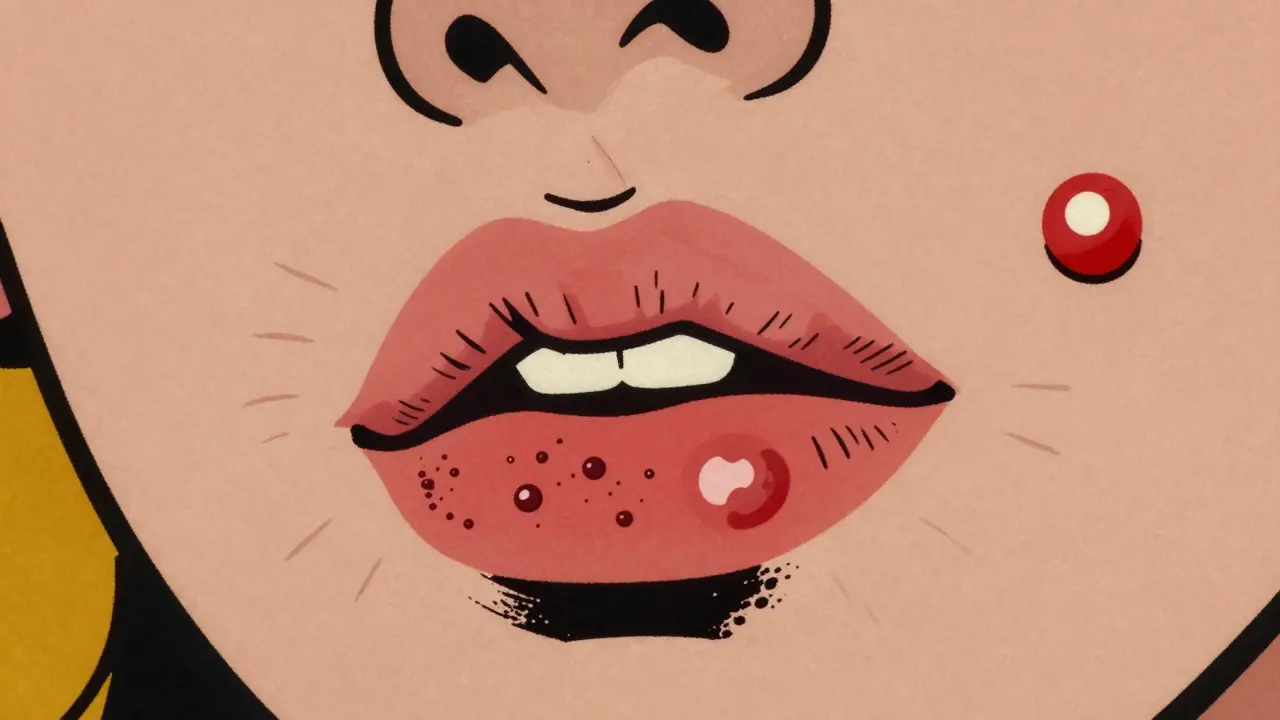
Cold sores and pimples look alike but are caused by completely different things. Learn how to tell them apart, what treatments actually work, and how to avoid making common mistakes that make things worse.
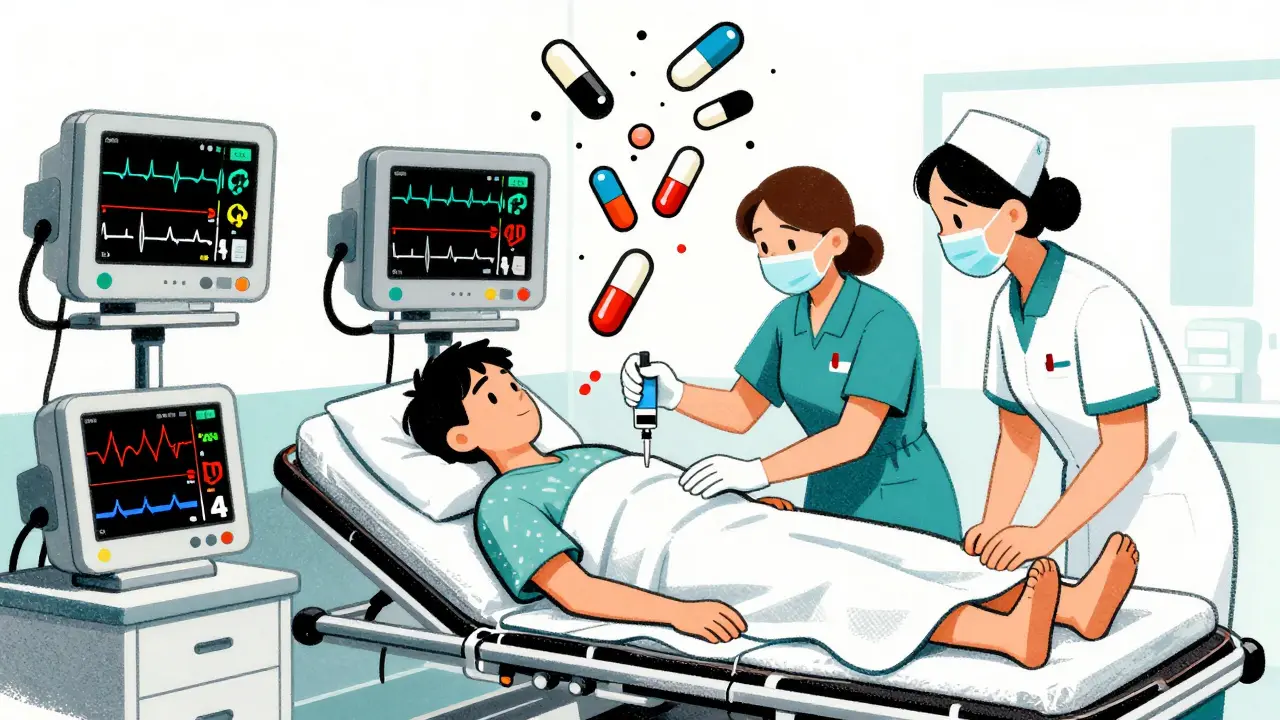
Multiple drug overdoses are deadly because substances interact unpredictably. Learn how naloxone, acetylcysteine, and emergency protocols work together to save lives when opioids, acetaminophen, or benzodiazepines are mixed.

Learn the early and emergency symptoms of hyperglycemia, how to tell the difference between DKA and HHS, and what steps to take when blood sugar spikes dangerously high. This guide gives clear, actionable advice for managing high blood sugar before it becomes life-threatening.

Jet lag and delayed sleep phase disorder disrupt your body's internal clock, leading to chronic fatigue and health risks. Learn how light, melatonin, and consistency can reset your rhythm-backed by science.
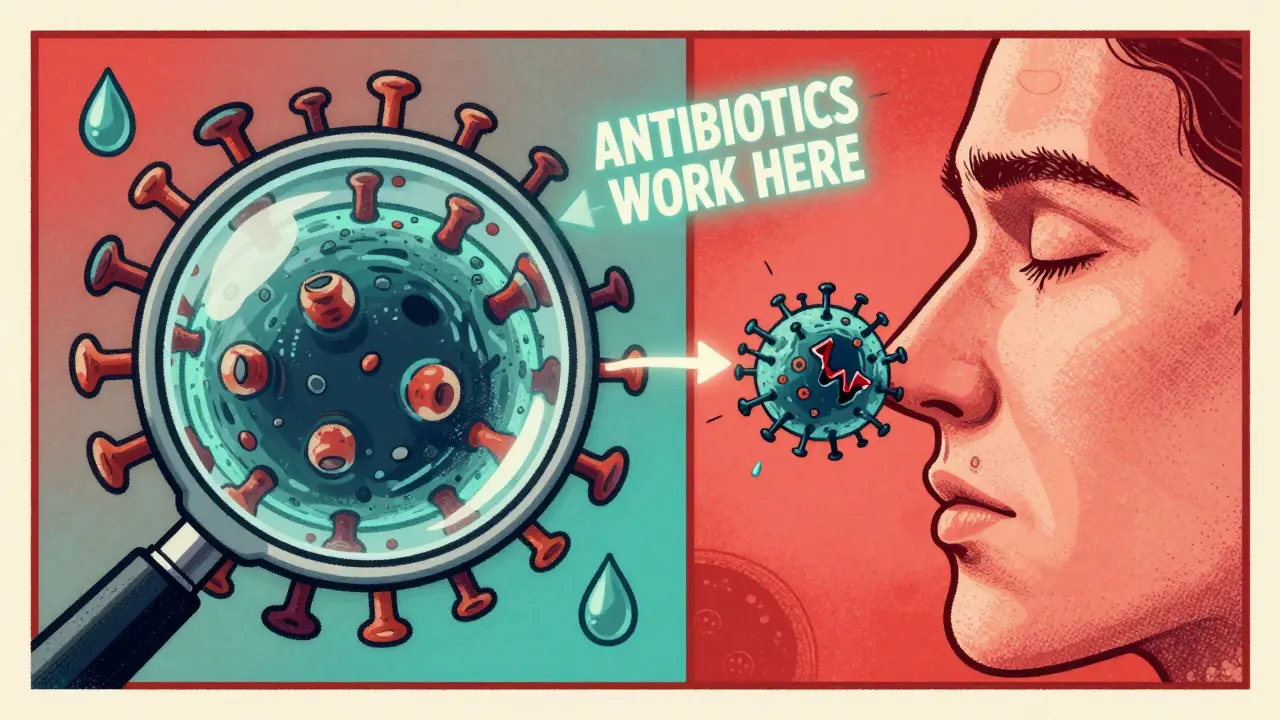
Learn how to tell bacterial and viral infections apart, why antibiotics don't work on viruses, and what treatments actually help. Stop unnecessary antibiotic use and protect yourself from superbugs.

Seasonal affective disorder causes winter depression with fatigue, low mood, and cravings. Bright light therapy is a proven, drug-free treatment that resets your body clock and lifts mood in just days.
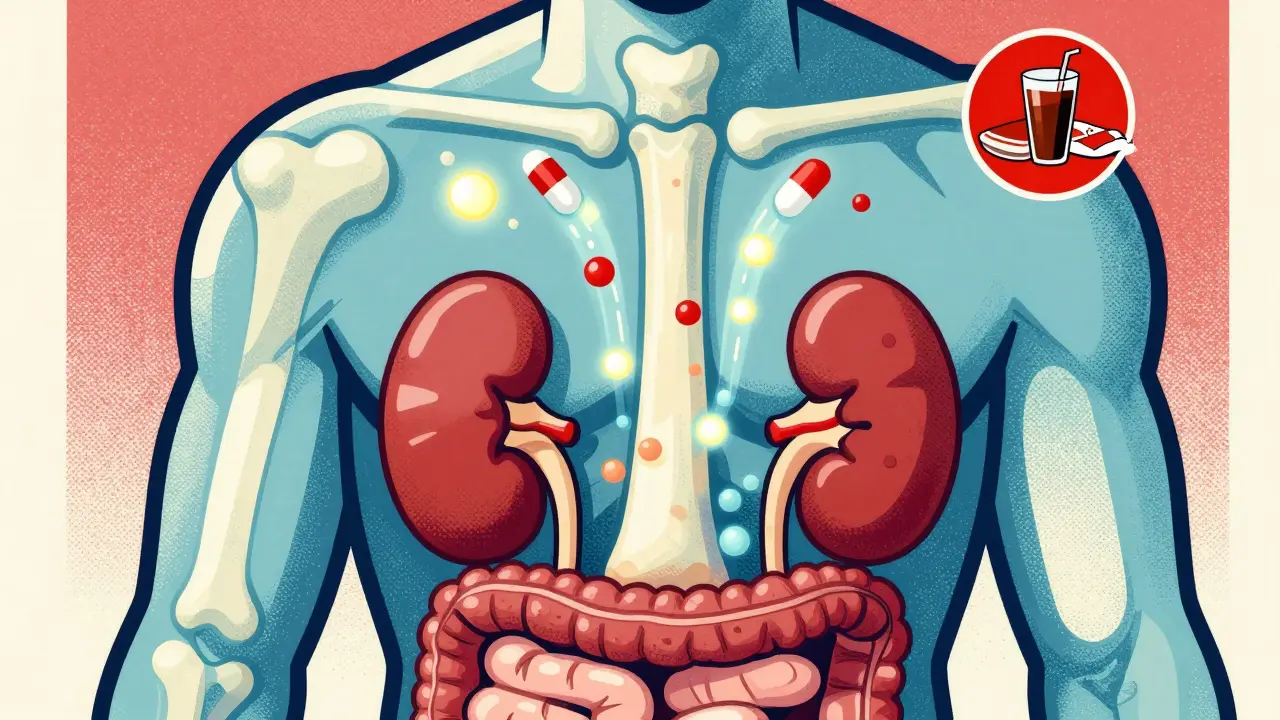
Learn how to manage hypoparathyroidism with calcium and vitamin D, including dosing, diet, monitoring, and when to consider newer PTH therapies. Avoid kidney damage and stabilize your symptoms with proven strategies.
Learn how to safely buy cheap generic Nexium online, verify legit pharmacies, compare prices, avoid counterfeits, and explore affordable alternatives.
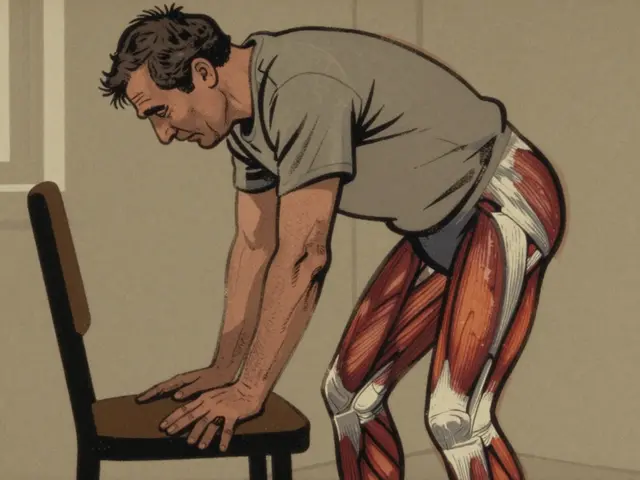
Steroid myopathy causes painless, progressive muscle weakness in people on long-term corticosteroids. Learn how to recognize early signs, avoid misdiagnosis, and start safe, effective physical therapy to regain strength.

The FDA's Purple Book is the official guide to biosimilars and interchangeable biological drugs. Learn how it works, what the difference is between biosimilars and interchangeable products, and how pharmacists use it to make safe substitutions.
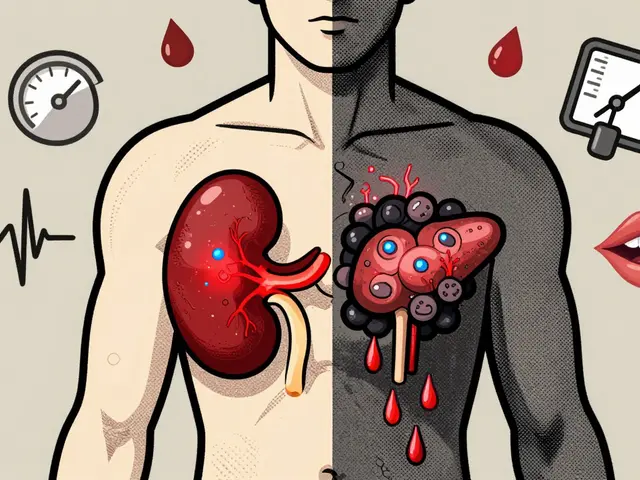
Cyclosporine and tacrolimus are essential for transplant patients but come with serious side effects like kidney damage, tremors, and diabetes. Learn how these drugs compare, what to watch for, and how doctors are now reducing their use to improve long-term health.

Learn how to safely buy cheap generic warfarin online in the UK, compare prices, verify reputable pharmacies, and manage dosage with INR monitoring.