
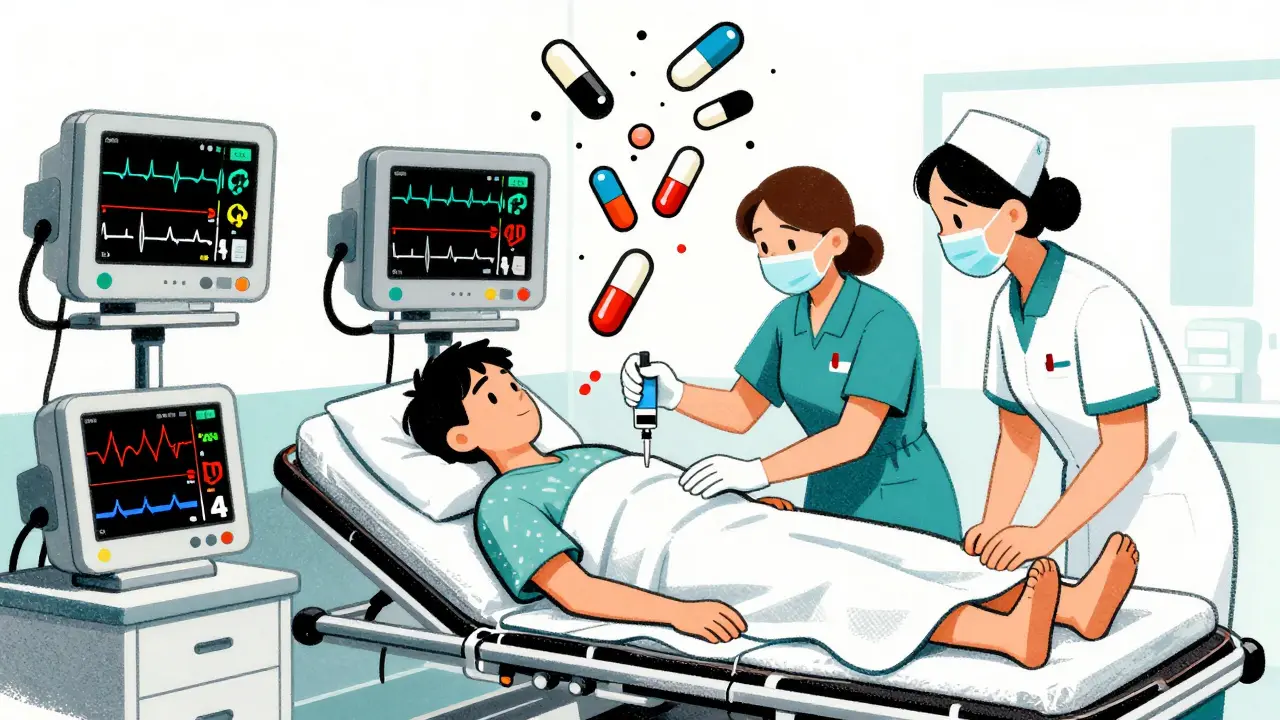
What Happens When Someone Overdoses on Multiple Drugs?
It’s not just one drug that kills - it’s the mix. When someone takes two or more substances together - say, an opioid like oxycodone with acetaminophen, or benzodiazepines with alcohol - the danger multiplies. The body doesn’t process these chemicals in isolation. They interact. One drug can slow breathing, another can shut down the liver, and a third can make the heart unstable. The result? A medical emergency that’s harder to treat than any single overdose.
In the UK and across the world, these cases are rising. The World Health Organization reports that opioids alone killed around 120,000 people globally in 2019. But when you add in acetaminophen - the active ingredient in painkillers like Vicodin and Percocet - the numbers get worse. In the US, acetaminophen causes over 56,000 emergency room visits every year, mostly because people don’t realize they’re already taking it in another medication. Mix that with an opioid, and you’ve got a ticking time bomb.
Why Standard Overdose Protocols Often Fail
Most people think of naloxone as the magic fix for overdoses. And it is - but only if you’re dealing with opioids alone. When multiple drugs are involved, naloxone might bring someone back to life… only for them to crash again hours later. Why? Because naloxone wears off in 30 to 90 minutes. Opioids like fentanyl or heroin can stay in the system for hours longer. If you stop monitoring after the first dose of naloxone, the person can slip back into respiratory arrest.
And then there’s acetaminophen. It doesn’t affect breathing. It quietly destroys the liver. You might feel fine for 24 hours after an overdose - no vomiting, no confusion - but by day two, your liver enzymes are spiking. If you don’t give acetylcysteine in time, irreversible damage begins. In complex cases, you’re not just reversing one problem. You’re managing two, three, or even four at once. And they don’t always play nice together.
The Critical Timeline: What to Do in the First Hours
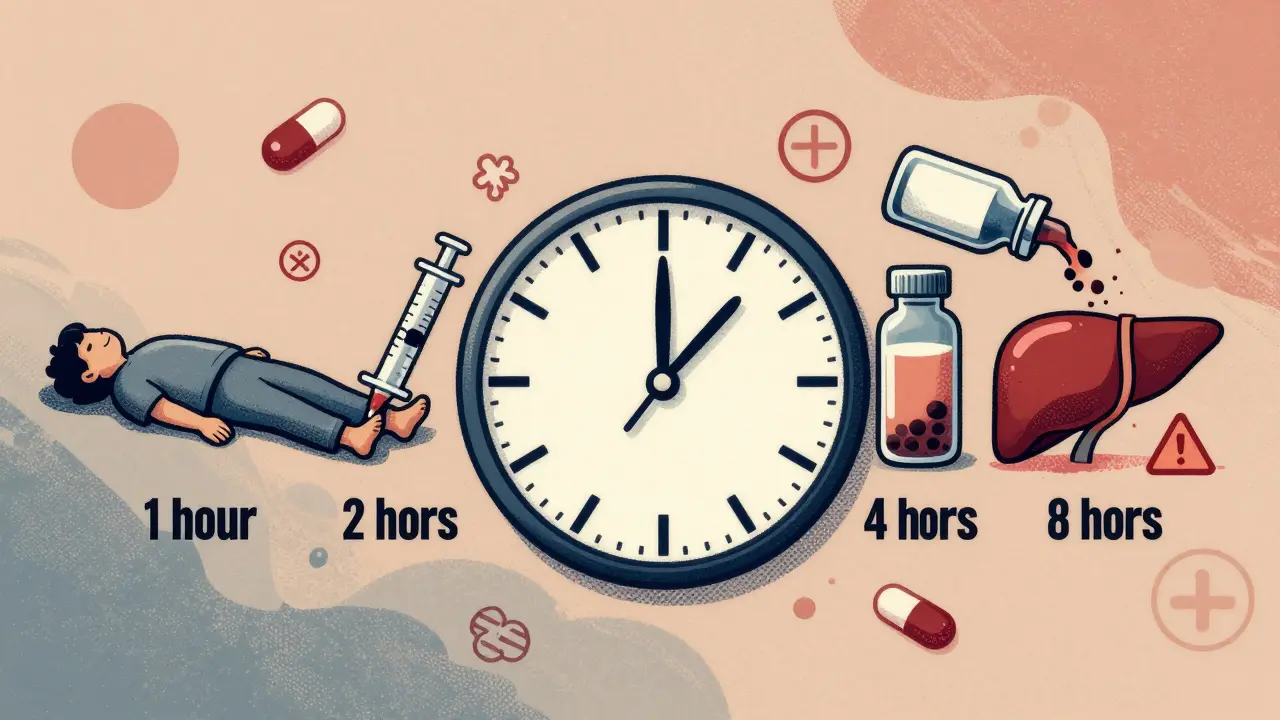
Time isn’t just money in a multiple drug overdose - it’s life. Here’s what matters:
- Within 1 hour: Call emergency services immediately. Don’t wait. Don’t assume they’ll wake up. Even if they’re breathing, their airway could close at any moment.
- Within 2 hours: Administer naloxone if opioids are suspected. Use the full dose - 0.4 mg intramuscular or nasal. If there’s no response in 2-3 minutes, give a second dose. Fentanyl overdoses often need two or three doses. Don’t stop at one.
- Within 4 hours: If acetaminophen was involved and the person ingested it within the last 4 hours, activated charcoal may still help. It binds to the drug in the gut before it’s absorbed. But only if they’re awake and breathing. If they’re unconscious, don’t give it - risk of choking is too high.
- Within 8 hours: Acetylcysteine must start. This is the antidote for acetaminophen. Delay it even by a few hours, and the liver damage becomes harder to reverse. For people over 100 kg, dosing is capped at 100 kg - no more, no less. Giving extra doesn’t help and can cause side effects.
Don’t assume recovery after naloxone means you’re done. The person needs to be monitored for at least 4 hours - longer if they took long-acting opioids like tramadol. Tramadol can last 5-6 hours, and naloxone won’t keep up. Continuous IV infusion might be needed.
What Hospitals Do Differently
Emergency rooms don’t just give drugs and send people home. They follow strict protocols based on the 2023 JAMA Network Open consensus guidelines. Here’s what happens behind the scenes:
- Blood tests: Acetaminophen levels are checked at 4 hours post-ingestion. If it’s above 20 μg/mL, acetylcysteine starts - even if the person feels fine.
- Liver enzymes: AST and ALT levels are tracked. If they’re rising, it means liver damage is happening, and treatment must continue.
- Hemodialysis: For severe cases where acetaminophen hits 900 μg/mL or higher, and the patient has acidosis or confusion, dialysis is used. Acetylcysteine continues during dialysis at 12.5 mg/kg/hour.
- Benzodiazepine risk: If someone took Xanax or Valium with opioids, flumazenil (the reversal agent) is rarely used. Why? It can trigger violent seizures in people who are dependent. The risk outweighs the benefit.
And here’s something most people don’t know: activated charcoal can interfere with other medications. If the patient takes birth control pills, they need backup contraception for the next week. Charcoal binds to everything - including hormones.
The Hidden Dangers: When the Overdose Isn’t Obvious
Not all overdoses look like someone passed out on the floor. Sometimes, it’s subtle. A person takes their regular painkillers - Vicodin - for back pain. But they also take a sleeping pill at night. Then they have a drink. They don’t think it’s a problem. But over 24 hours, they’ve taken five doses of acetaminophen. That’s a supratherapeutic ingestion.
The JAMA guidelines define this as multiple doses over more than 24 hours. Even if the total amount seems low, the liver gets overwhelmed. No single dose is toxic - but the constant drip is. These cases are missed all the time because the patient doesn’t seem “overdosed.” They’re just tired, nauseous, or jaundiced. By the time they get to the hospital, their liver is failing.
Same with tramadol. It’s not a classic opioid, but it acts like one. It also lowers the seizure threshold. If someone takes tramadol with an SSRI antidepressant, they’re at risk for serotonin syndrome - which can look like an overdose. Naloxone helps, but often needs repeated doses. And if they’ve been taking it daily, withdrawal can cause seizures too.
What Comes After the Emergency
Surviving the overdose is only half the battle. The real work starts after the hospital. Studies show that people who survive an opioid overdose have a 1 in 5 chance of dying within the next year - often from another overdose. Why? Because the system doesn’t follow up.
Good hospitals now connect patients to treatment. That means:
- Referrals to methadone or buprenorphine programs - proven to cut overdose risk by 50%.
- Screening for depression, anxiety, trauma - common triggers for substance misuse.
- Connecting them with peer support groups or case managers who help with housing, jobs, and meds.
The WHO recommends that naloxone be given to anyone who might witness an overdose - family, friends, even people leaving prison. In the UK, community pharmacies now offer free naloxone kits without a prescription. That’s huge. But it’s not enough. People need training too. Knowing how to use naloxone is useless if you don’t know to call 999, or how long to monitor someone after revival.
What You Can Do - Even If You’re Not a Doctor
You don’t need a medical degree to save a life. Here’s what works:
- Keep naloxone on hand. If you know someone using opioids, keep a kit nearby. Store it at room temperature. Check the expiry date.
- Learn the signs. Blue lips, slow breathing, unresponsive to shouting - these are red flags. Don’t wait for them to stop breathing.
- Call 999 first. Then give naloxone. Don’t waste time trying to wake them up with cold showers or shaking. That doesn’t work.
- Stay with them. Even if they wake up, stay until paramedics arrive. Their breathing can drop again.
- Don’t shame. People who overdose are not “weak.” They’re sick. Compassion saves lives. Judgment kills.
And if you’re a caregiver or family member - talk to your GP about naloxone. Ask about liver health if someone takes painkillers regularly. Ask if they’re mixing meds. Don’t assume they know the risks.
Final Thought: It’s Not Just About Drugs - It’s About Systems
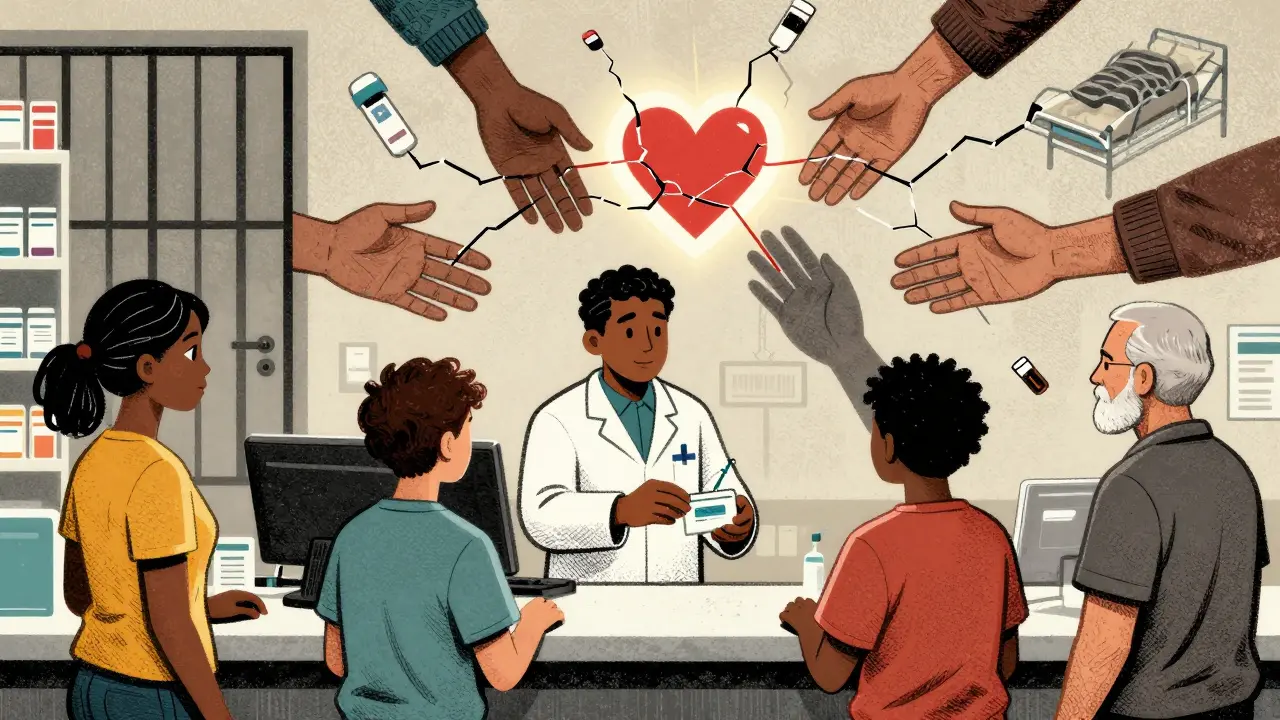
Multiple drug overdoses aren’t accidents. They’re symptoms of broken systems. People are prescribed multiple painkillers without warning. They’re discharged from hospitals without follow-up. They’re left alone after prison with no support. Naloxone and acetylcysteine are lifesavers - but they’re not solutions.
Real progress means better prescribing. Better monitoring. Better access to treatment. And better training for everyone - from pharmacists to police officers to neighbors.
One person can’t fix this. But one person can carry a naloxone kit. One person can learn the signs. One person can say, “I’m here,” instead of walking away.
Can naloxone reverse an acetaminophen overdose?
No. Naloxone only reverses opioid overdoses. Acetaminophen overdose damages the liver and requires acetylcysteine as the antidote. Giving naloxone to someone who took only acetaminophen will do nothing. But if they took both, naloxone will help with the opioid part - while acetylcysteine must be given separately for the liver.
Is it safe to give naloxone if I’m not sure opioids are involved?
Yes. Naloxone is safe to give even if opioids aren’t present. It has no effect on non-opioid drugs and won’t harm someone who didn’t take them. If someone is unresponsive and breathing shallowly, giving naloxone could save their life. It’s better to give it and be wrong than to wait and lose them.
How long after an overdose can acetylcysteine still work?
Acetylcysteine is most effective if started within 8 hours of ingestion. But it still helps up to 24 hours after - even if liver damage has started. The goal isn’t just prevention - it’s limiting how bad the damage gets. Delayed treatment is better than no treatment.
Can activated charcoal be used for all types of overdoses?
No. Activated charcoal works best for drugs absorbed in the stomach within the last 1-2 hours. It’s not effective for alcohol, iron, lithium, or cyanide. It’s also risky if the person is unconscious or vomiting. For acetaminophen, it’s only recommended if given within 4 hours of ingestion and the patient is alert.
Why is flumazenil not used in opioid-benzodiazepine overdoses?
Flumazenil reverses benzodiazepines, but it can trigger seizures in people who are dependent on them - especially if they’re also taking opioids. The risk of a seizure outweighs the benefit of reversing sedation. The safer approach is supportive care: breathing support and monitoring until the drugs wear off.
What should I do after someone recovers from an overdose?
Get them to a doctor immediately. Even if they feel fine, liver damage or brain injury from lack of oxygen might not show up for days. They need blood tests, mental health screening, and a referral to addiction treatment. Recovery starts the moment they wake up - not weeks later.
Donna Macaranas
February 2, 2026 AT 04:06And yeah, staying with someone after they wake up? Non-negotiable.
Rachel Liew
February 2, 2026 AT 06:51Lisa Rodriguez
February 2, 2026 AT 16:21Also, the bit about activated charcoal messing with birth control? Wild. I had no idea. Now I tell every patient I talk to who’s on meds.
Lilliana Lowe
February 4, 2026 AT 01:23vivian papadatu
February 4, 2026 AT 02:42And yes - naloxone isn’t a cure. It’s a pause button. The real work is what happens after. We’ve started handing out laminated cards with the timeline on them - ‘What to do after naloxone’ - and it’s made a difference. 🙏
Melissa Melville
February 5, 2026 AT 15:18Deep Rank
February 6, 2026 AT 14:20Naomi Walsh
February 7, 2026 AT 03:03Bob Cohen
February 8, 2026 AT 20:19Aditya Gupta
February 9, 2026 AT 12:22Jaden Green
February 10, 2026 AT 01:07Angel Fitzpatrick
February 11, 2026 AT 22:54