

Scabies and lice are common, contagious skin infestations that require precise treatment to prevent reinfection. Learn how permethrin, ivermectin, and spinosad work-and why treating everyone at once is critical.

Vitiligo camouflage offers temporary and permanent cosmetic solutions to conceal depigmented skin patches. Learn how specialized makeup and micropigmentation work, their pros and cons, real user experiences, and what experts recommend for best results.
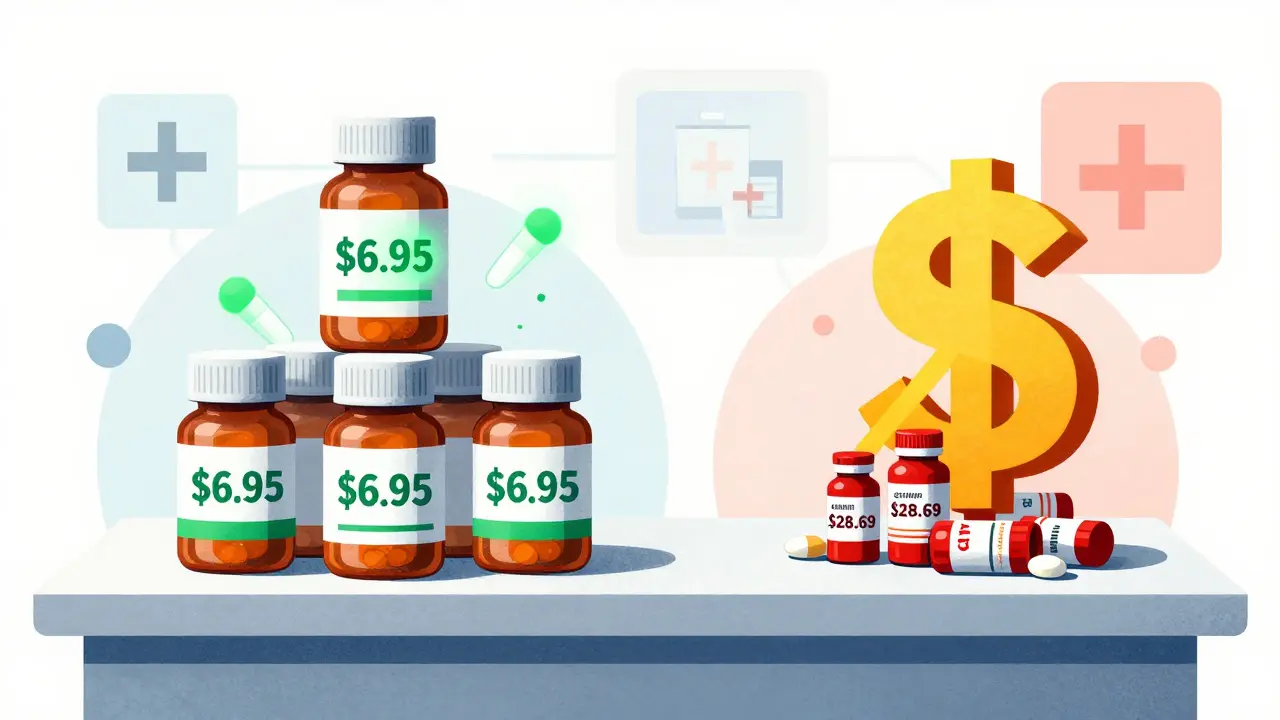
Generic drugs save Americans over $445 billion annually, making up 90% of prescriptions but only 12% of drug spending. Learn the real numbers behind generic vs. brand-name drug costs and how to save on prescriptions.
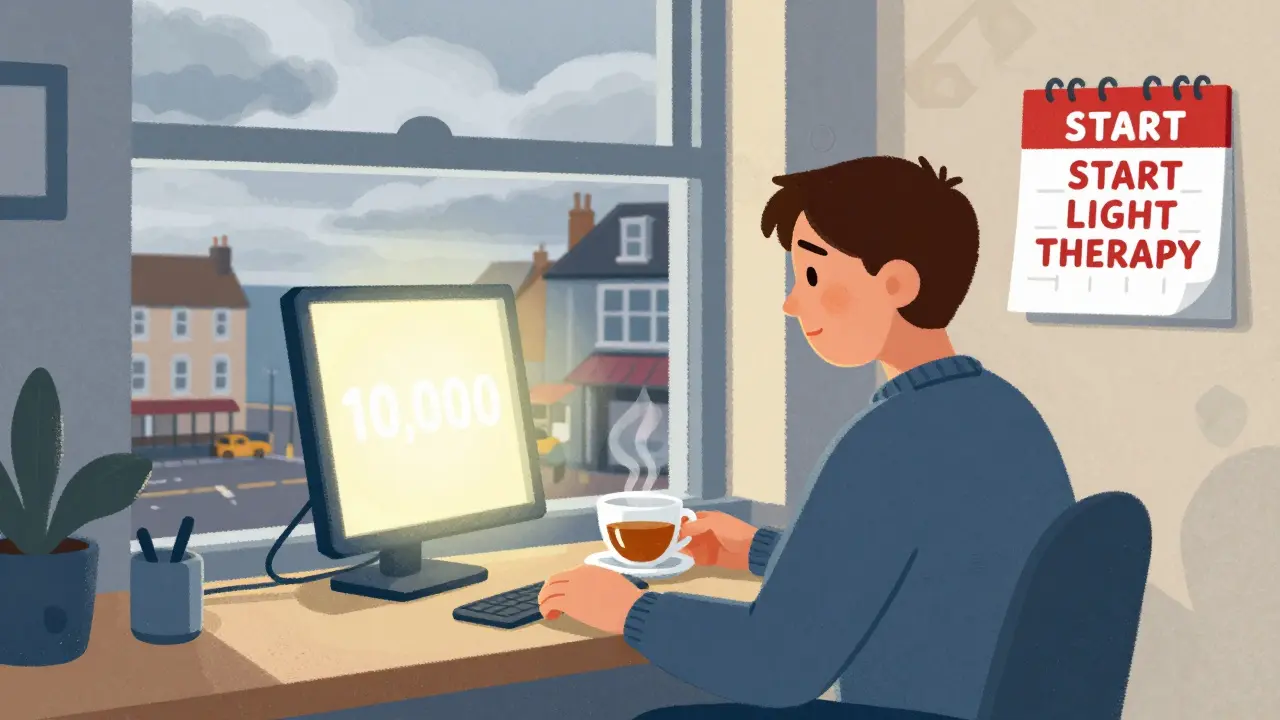
Prevent seasonal depression with light therapy, vitamin D, and a consistent daily routine. Learn how to start early, use the right equipment, and build habits that keep your mood stable all winter.
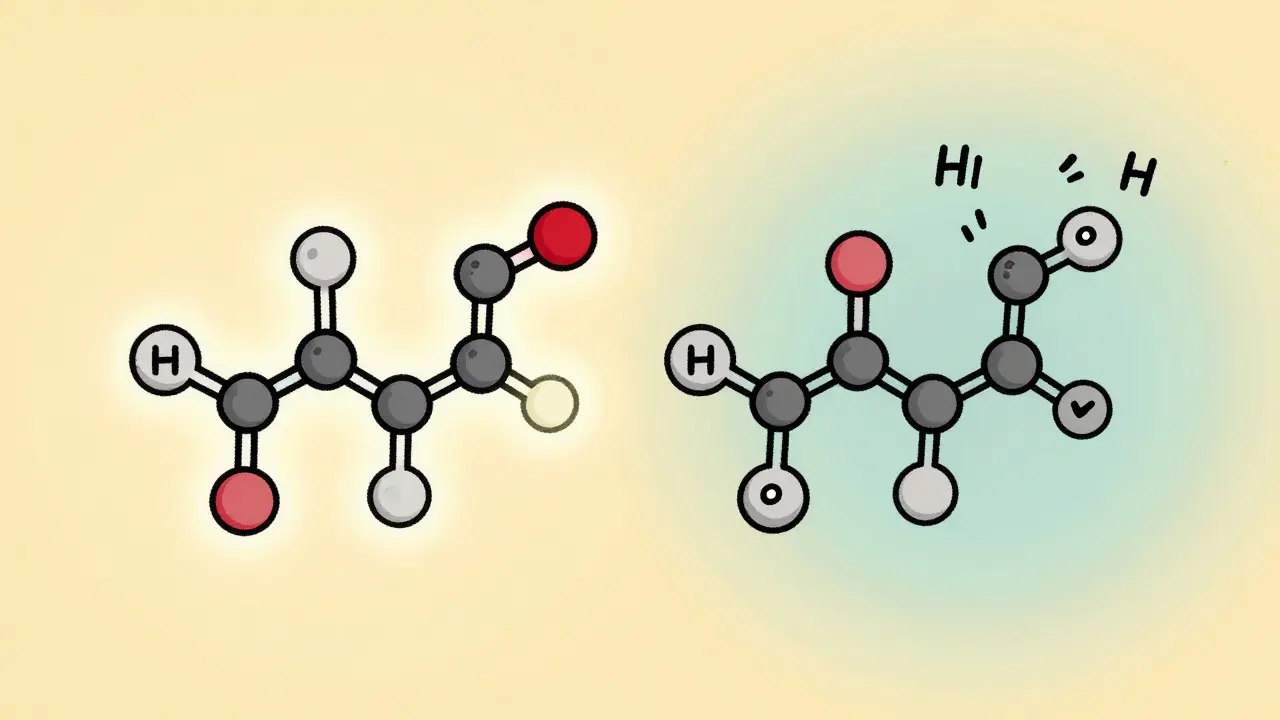
Cetirizine and levocetirizine both treat allergies, but levocetirizine causes less drowsiness. Learn why one might be better for daytime use and how to choose based on your needs.

Floaters after cataract surgery are common and usually harmless, but sudden changes can signal serious issues. Learn what’s normal, when to worry, and what to do next.
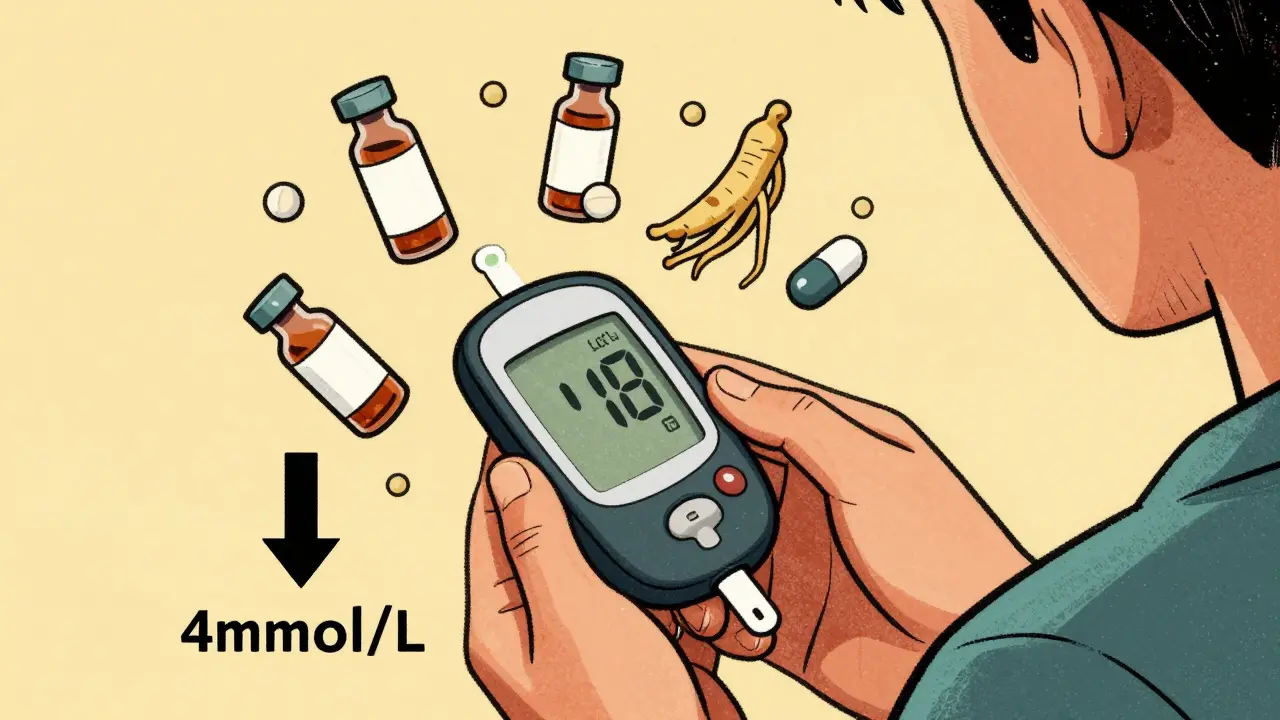
Ginseng may help lower blood sugar in type 2 diabetes, but it can dangerously interact with insulin and oral meds. Learn how to monitor your levels, avoid risks, and use it safely if approved by your doctor.
Pitavastatin is a cholesterol-lowering drug with a lower risk of increasing diabetes compared to other statins. Research shows it's a safer option for people with prediabetes, though cost and access can be barriers. Learn how it stacks up against common alternatives and what experts recommend.
Medicare Part D saves billions by prioritizing generics. This article explains how formulary tiers, recent laws, and plan choices impact prescription costs. Learn real-world savings examples and practical steps to maximize benefits.
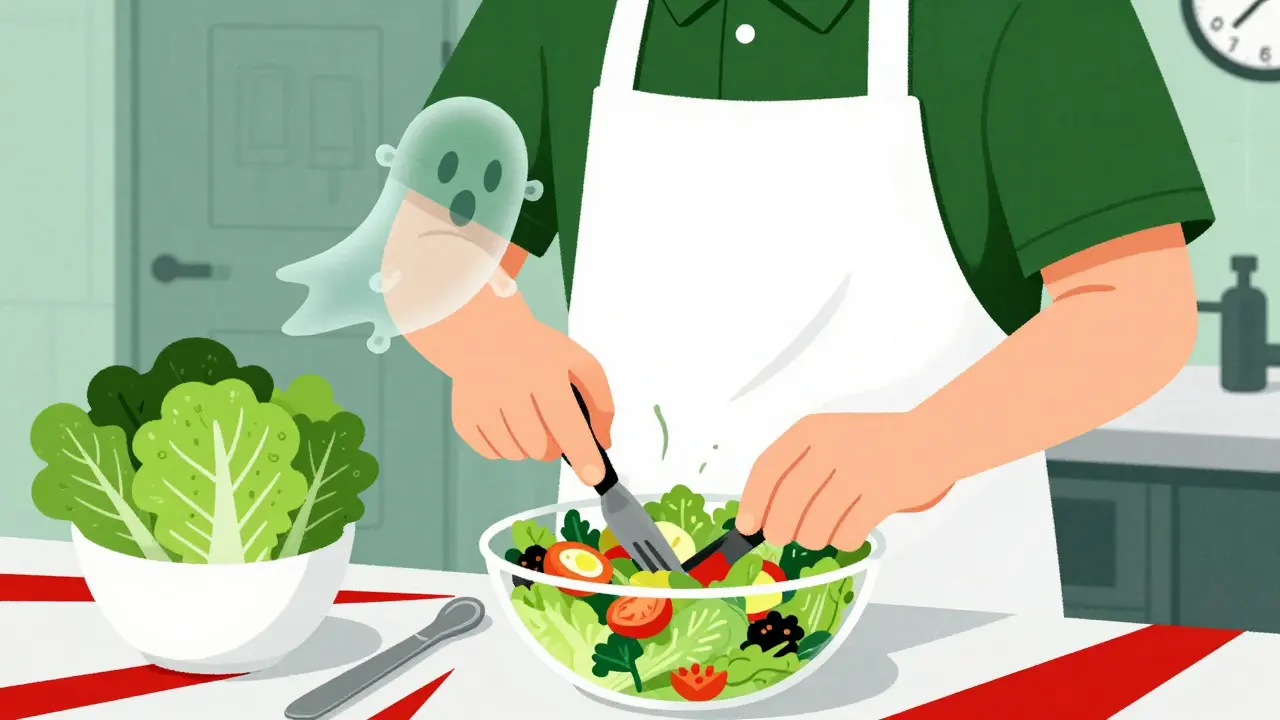
Hepatitis A spreads easily through contaminated food, often from infected workers who don’t wash their hands. Learn how it’s transmitted, what to do after exposure, and how vaccines and hygiene can stop outbreaks before they start.
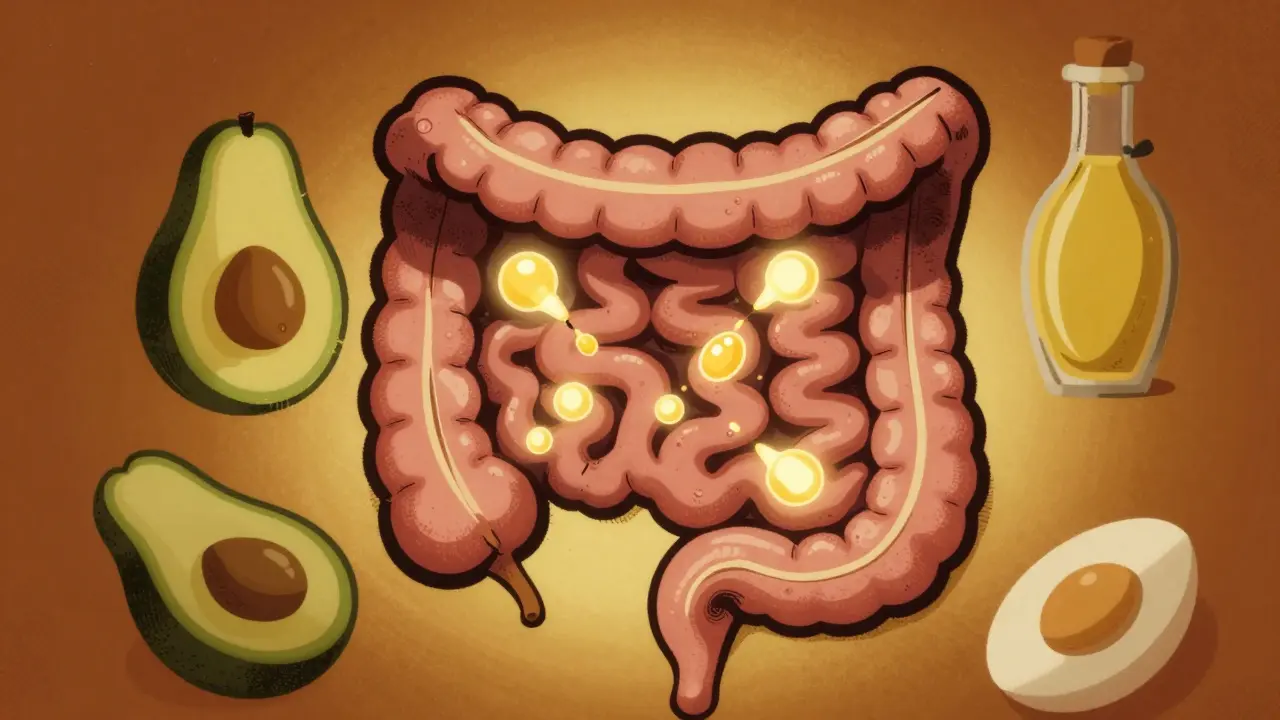
Fatty foods enhance absorption of lipid-based medications by triggering bile release and forming micelles that carry poorly soluble drugs into the bloodstream. This food effect improves bioavailability by up to 300% for certain drugs.
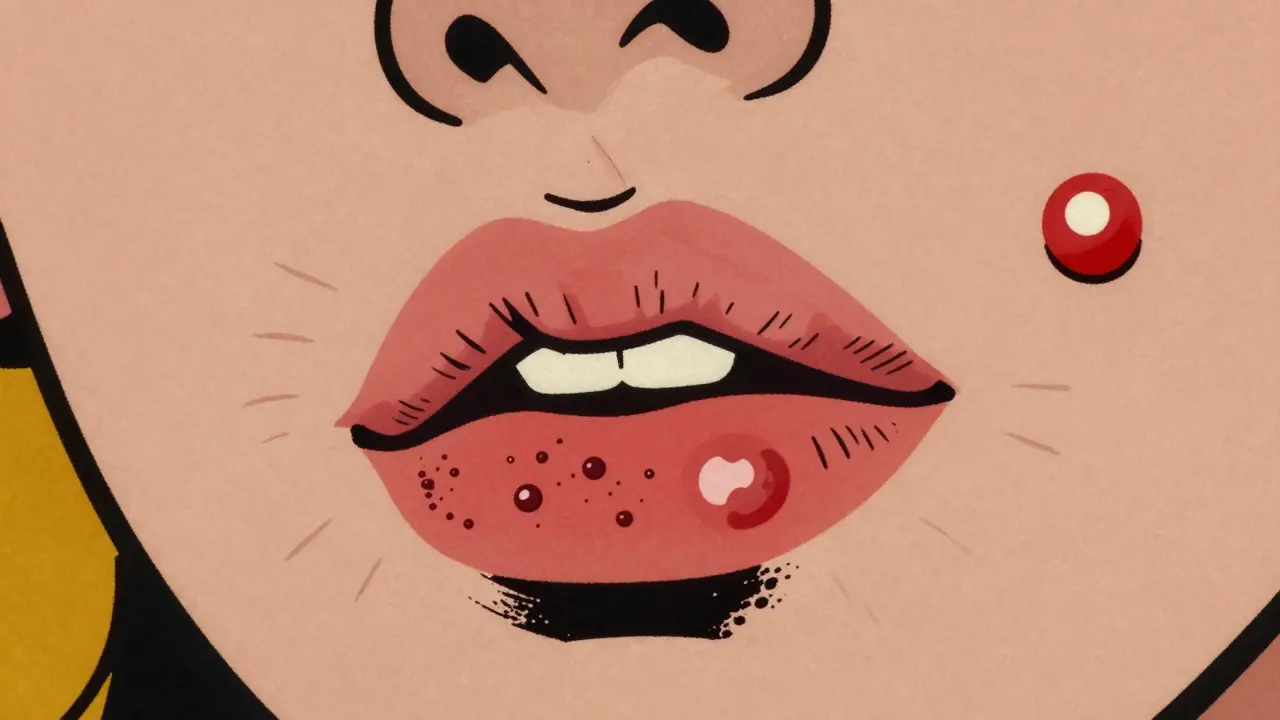
Cold sores and pimples look alike but are caused by completely different things. Learn how to tell them apart, what treatments actually work, and how to avoid making common mistakes that make things worse.
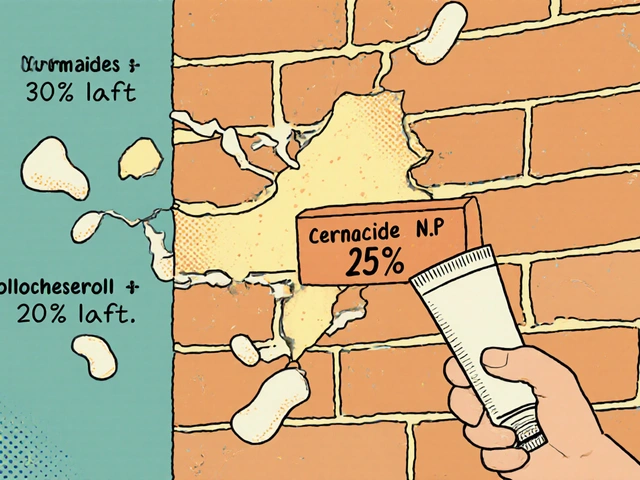
Ceramides restore the skin barrier in eczema by replacing missing lipids. Proper bathing-short, lukewarm soaks followed by immediate moisturizing-boosts results. Learn how to use ceramides effectively for lasting relief.
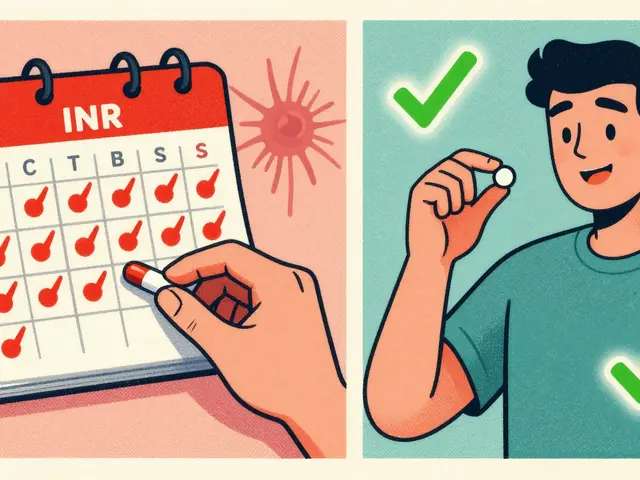
Warfarin and DOACs are both blood thinners used to prevent clots, but DOACs are now preferred for most patients due to better safety, fewer interactions, and no need for regular blood tests. Learn the key differences and what to do in an emergency.
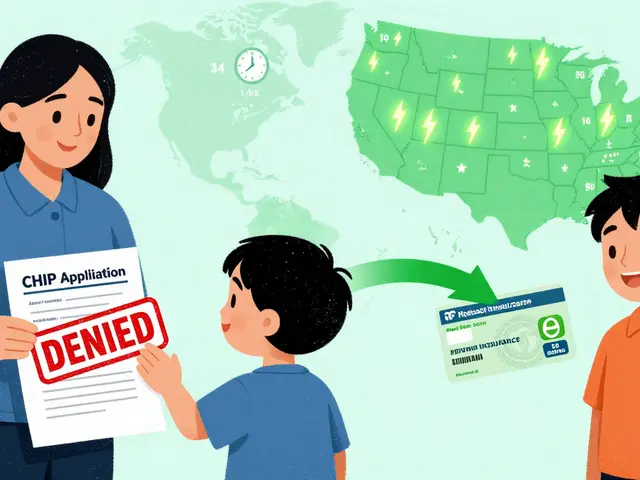
Medicaid substitution rules prevent public insurance from replacing affordable private coverage. States vary widely in how they enforce these rules - some use waiting periods, others use real-time data. Learn how your state handles it and what changes came in 2024.
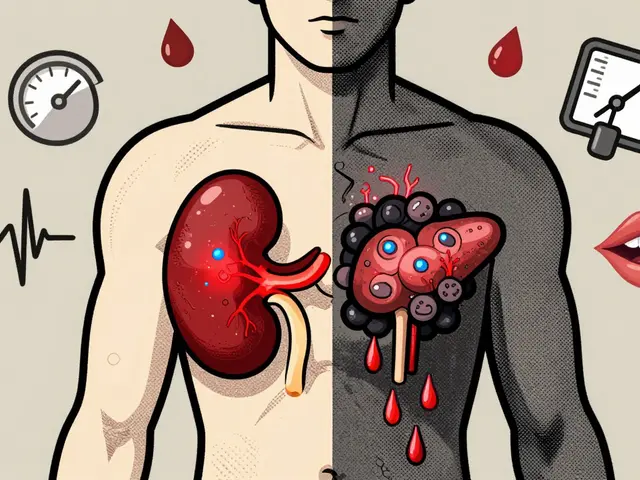
Cyclosporine and tacrolimus are essential for transplant patients but come with serious side effects like kidney damage, tremors, and diabetes. Learn how these drugs compare, what to watch for, and how doctors are now reducing their use to improve long-term health.
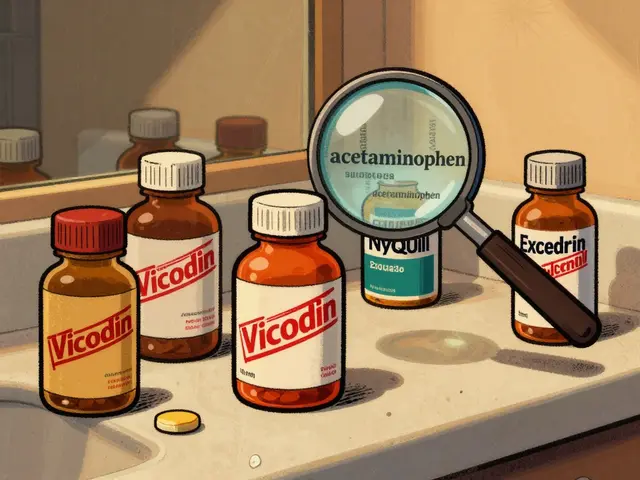
Acetaminophen combination products like Vicodin and Percocet can cause silent liver damage when taken with other meds. Learn how to avoid overdose, recognize risks, and use safer pain management strategies.