
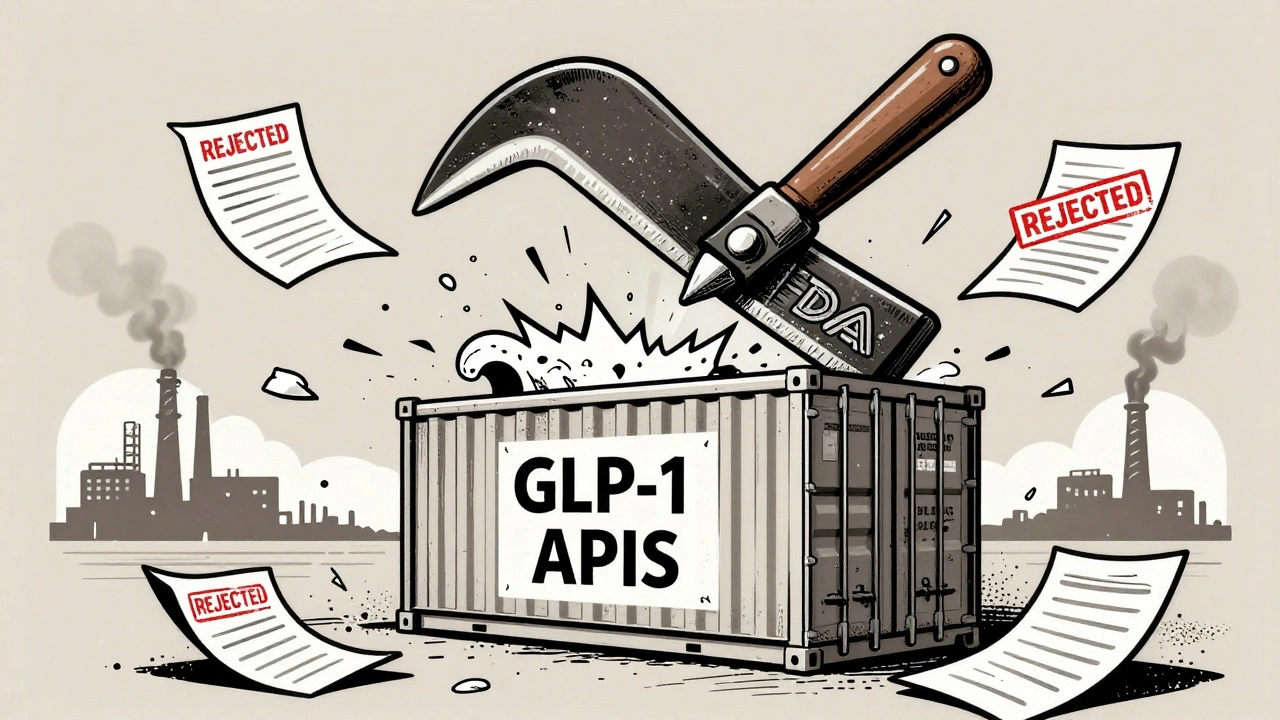
The FDA uses Import Alerts to automatically block drug shipments from non-compliant manufacturers. With the 2025 Green List initiative, enforcement against GLP-1 APIs has become the strictest in history-reshaping global supply chains and raising compliance standards.
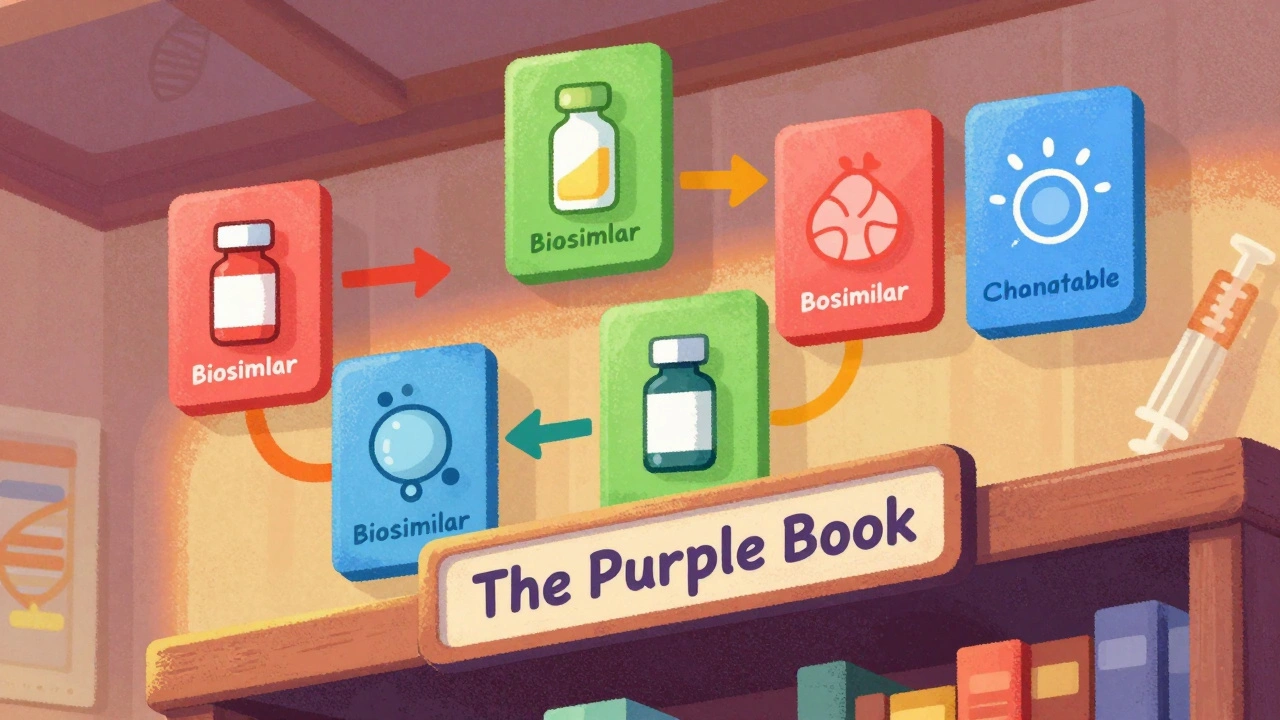
The FDA's Purple Book is the official guide to biosimilars and interchangeable biological drugs. Learn how it works, what the difference is between biosimilars and interchangeable products, and how pharmacists use it to make safe substitutions.
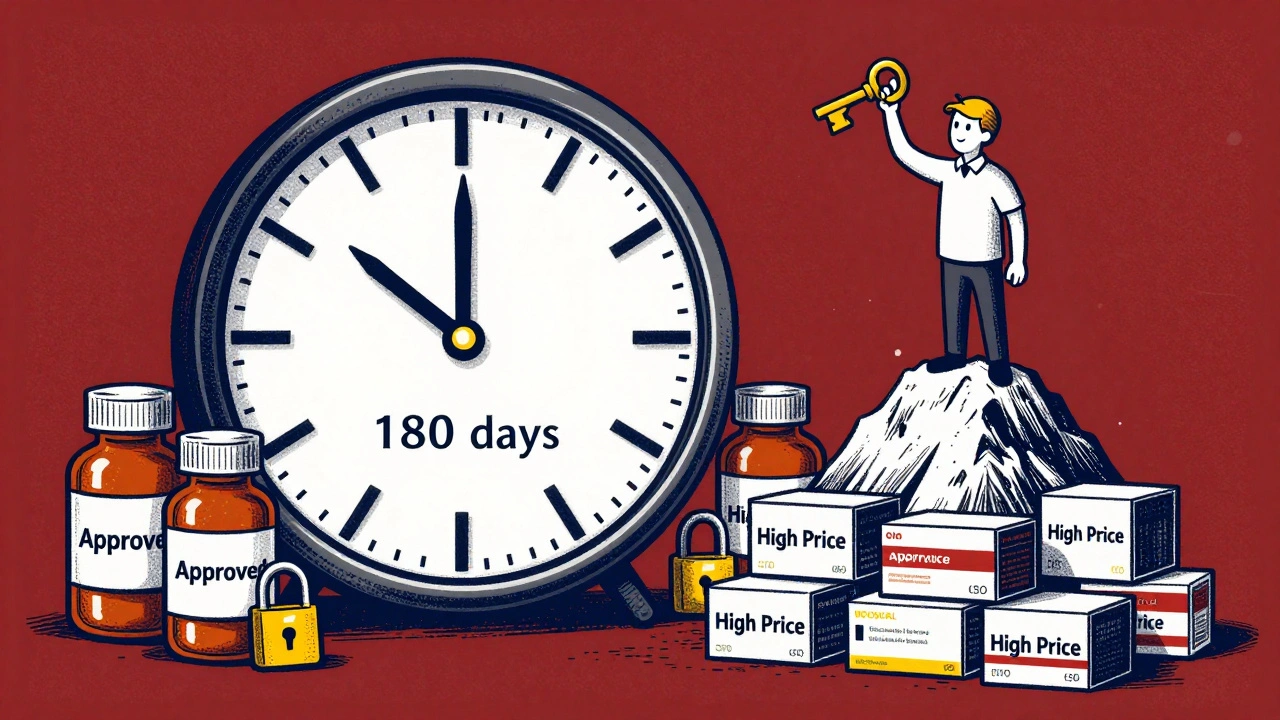
The 180-day exclusivity rule under the Hatch-Waxman Act was meant to speed up generic drug entry-but now it often delays it. Learn how patent challenges, FDA rules, and corporate strategy keep prices high and patients waiting.
The nocebo effect explains why people feel side effects from medications even when the drug has no active ingredient. Expectations, not chemistry, often drive these reactions - and they're more common than you think.
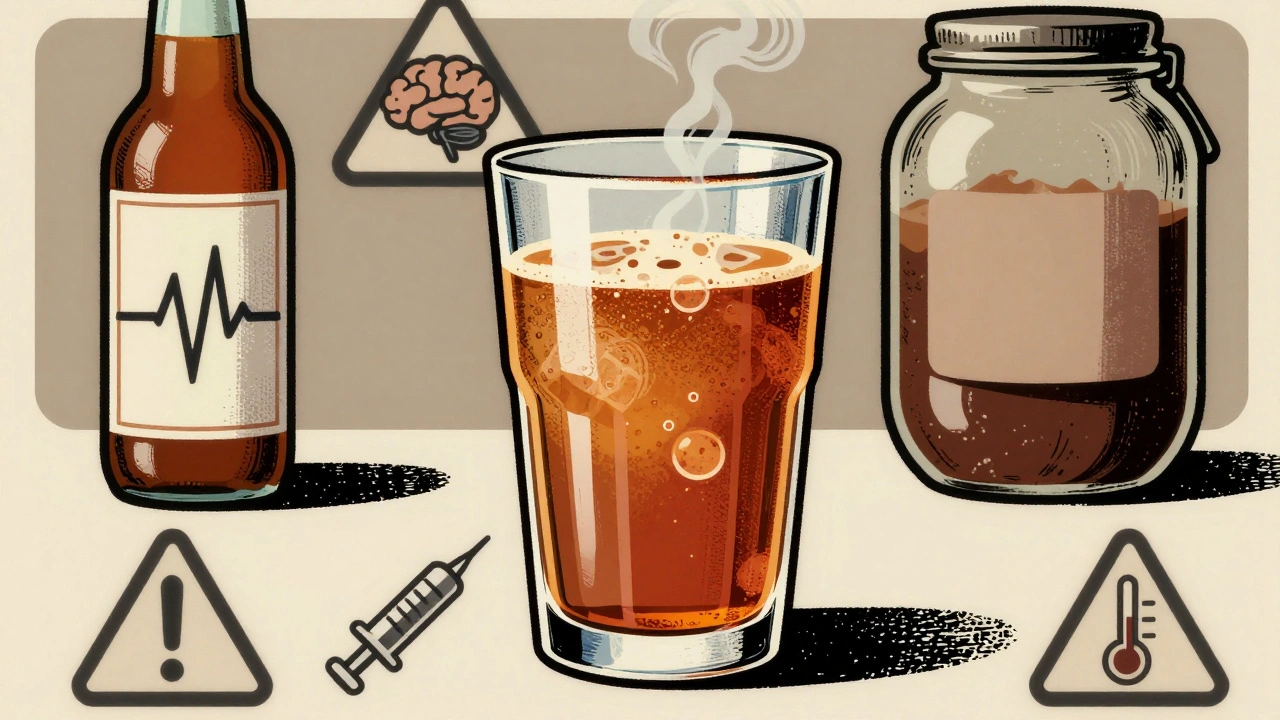
Kombucha contains trace alcohol that can interact dangerously with medications like metronidazole, SSRIs, and diabetes drugs. Learn what levels are safe, how to spot risky products, and what to do if you're on alcohol-sensitive meds.
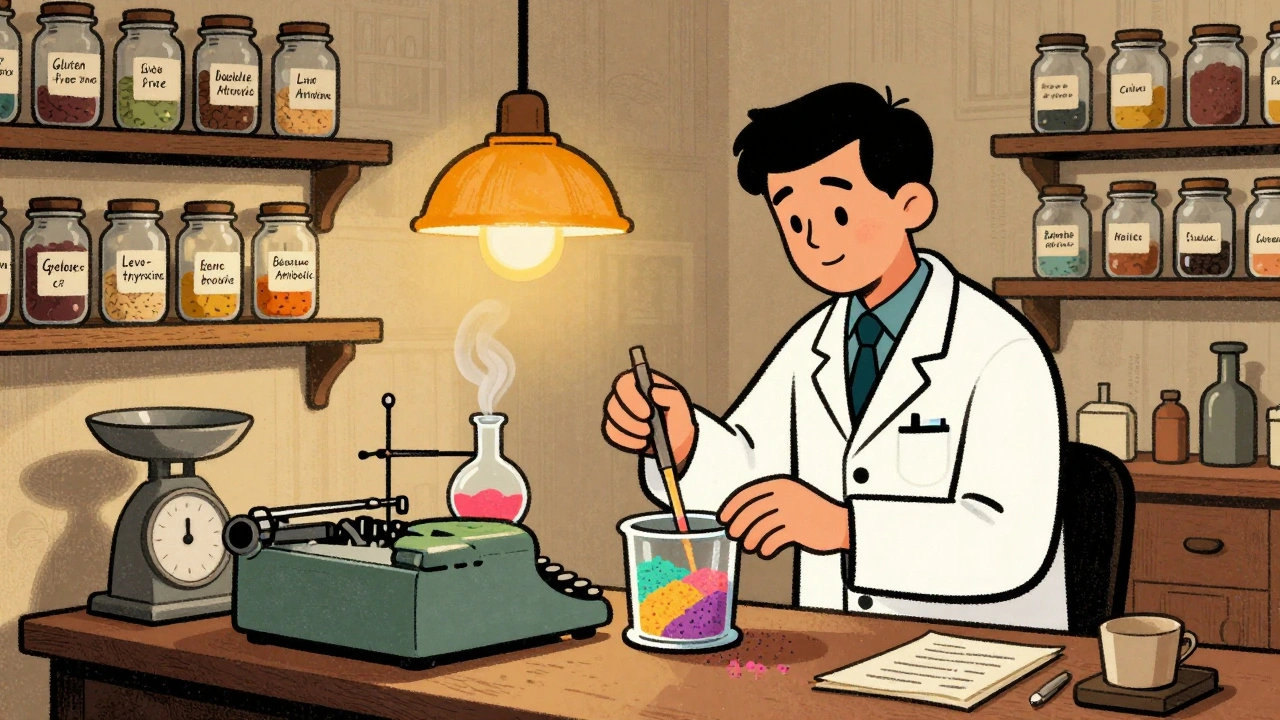
When drugs are unavailable due to shortages or allergies, compounding pharmacies offer customized solutions-like allergen-free pills, flavored liquids for kids, or topical gels. Learn how they work, when to use them, and what to ask before starting.
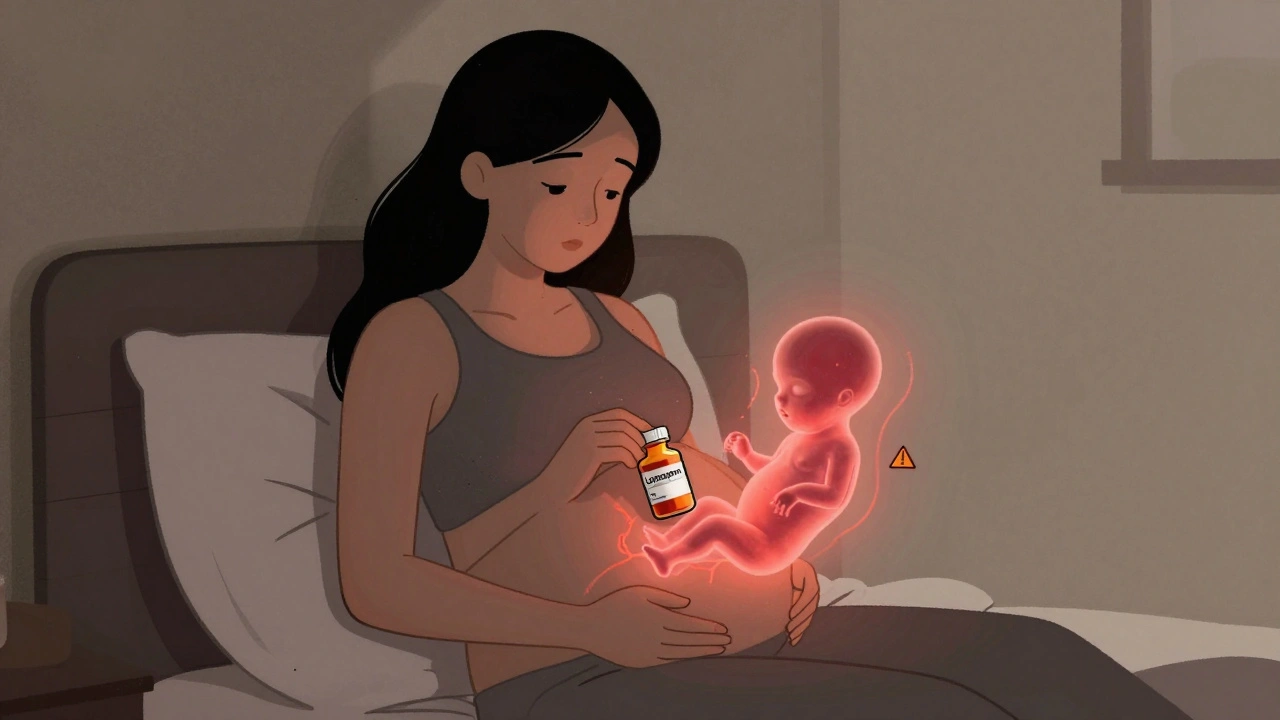
Benzodiazepines like Xanax and Valium may help with anxiety during pregnancy, but studies link them to increased risks of birth defects, miscarriage, and preterm birth. Learn what the latest research says and what alternatives exist.
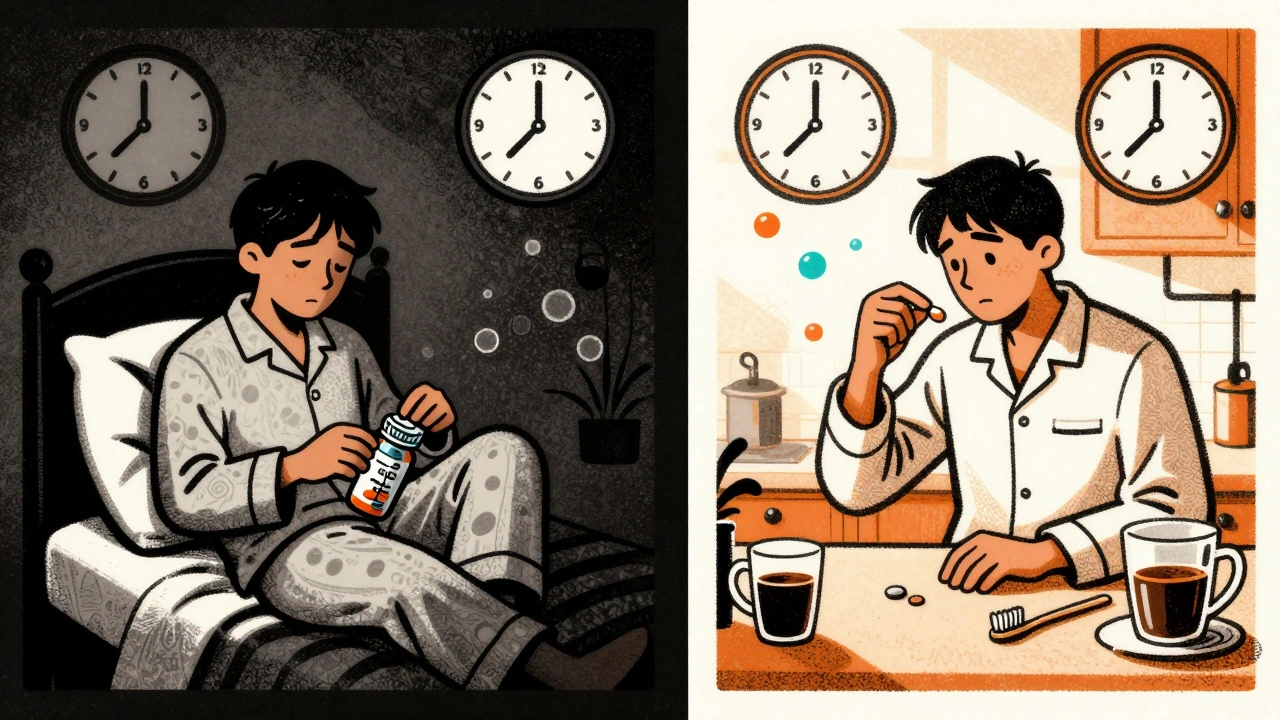
The best time to take statins isn't about night or morning-it's about consistency. Learn how statin timing affects side effects and cholesterol lowering, and why adherence beats clock time.
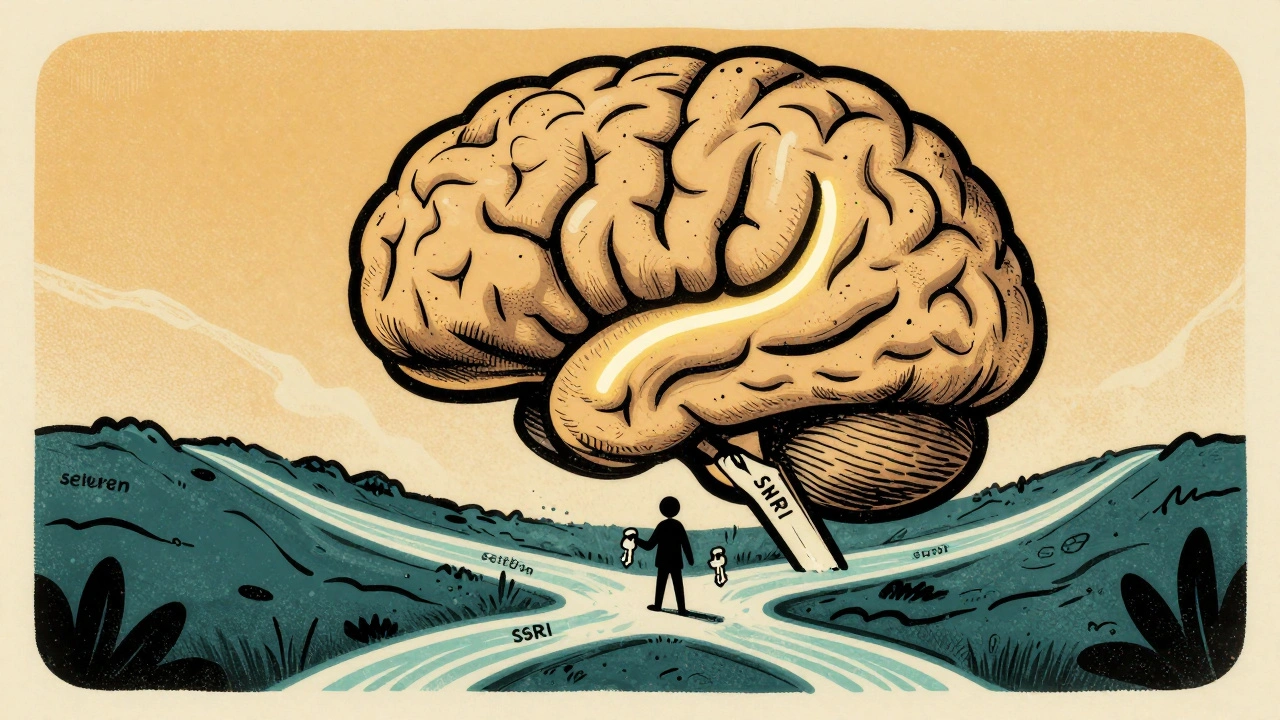
SNRI medications offer a dual-action approach to treating depression and chronic pain by boosting serotonin and norepinephrine. Learn how they compare to SSRIs, their real-world effectiveness, side effects, and why they're a key option for treatment-resistant cases.
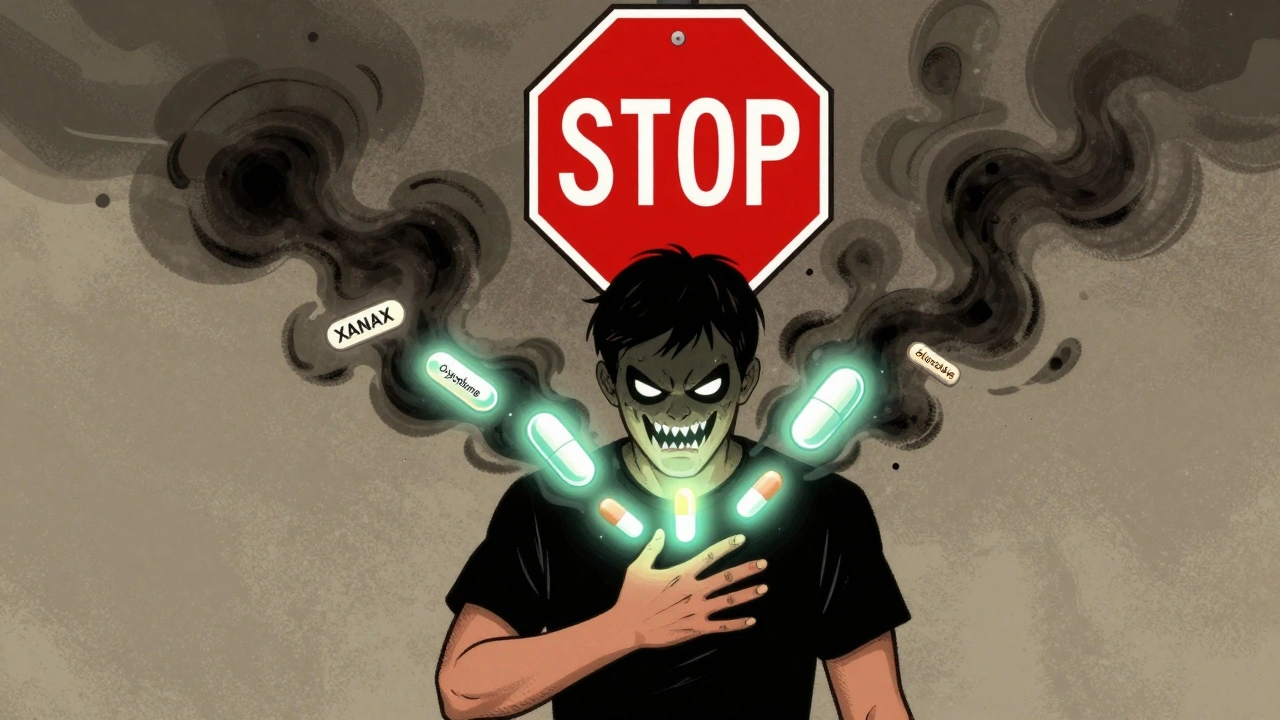
Benzodiazepines like Xanax and Ativan work fast for anxiety but carry serious risks when mixed with opioids, alcohol, or sleep meds. Learn the real dangers, safe alternatives, and what to do if you're already on one.
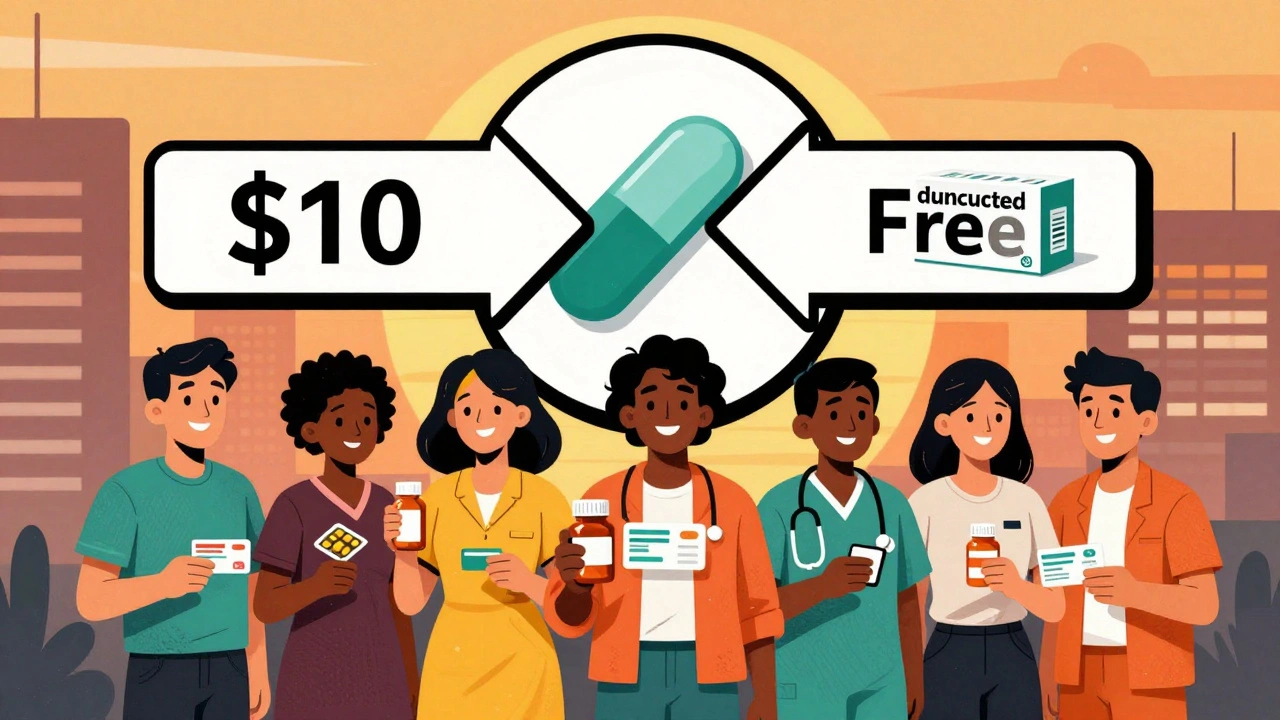
Prescription assistance programs from drug manufacturers help millions afford costly medications. Learn how copay cards and PAPs work, who qualifies, what you can save, and the hidden rules that could block your help.

Explore how support groups improve life for those with partial onset seizures, covering benefits, types, finding options, and tips for active participation.
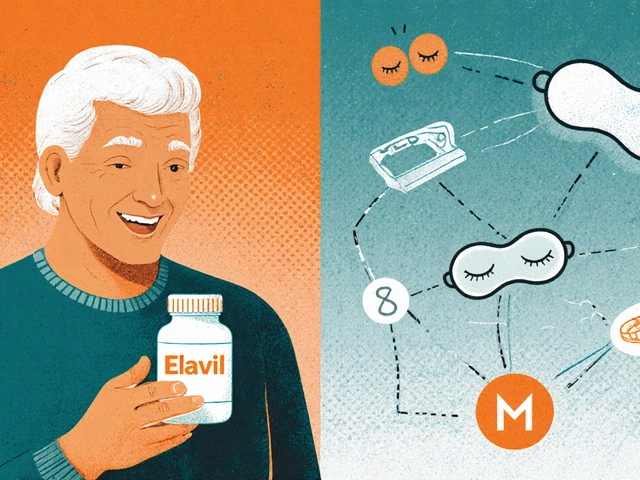
Elavil (amitriptyline) is still used for pain, sleep, and depression, but many patients seek alternatives due to side effects. Compare duloxetine, pregabalin, mirtazapine, SSRIs, and non-drug options to find what works best for you.
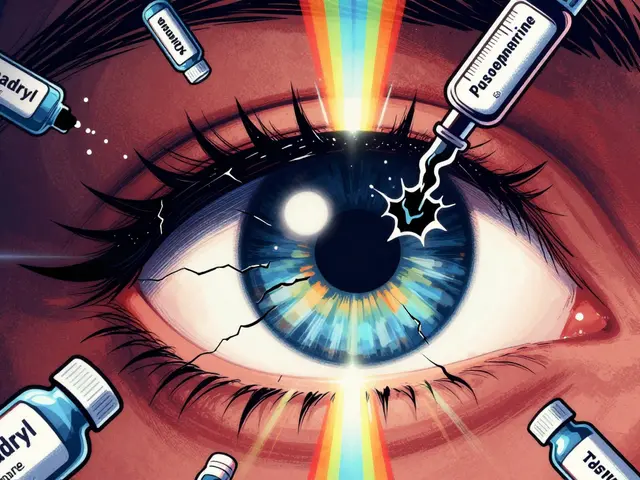
Medication-induced acute angle-closure glaucoma is a sudden, sight-threatening eye emergency triggered by common drugs like decongestants, antihistamines, and antidepressants. Learn who's at risk, which meds cause it, and how to prevent permanent vision loss.
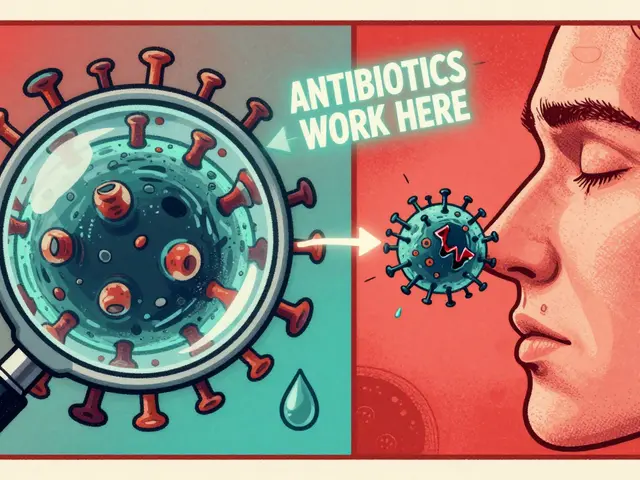
Learn how to tell bacterial and viral infections apart, why antibiotics don't work on viruses, and what treatments actually help. Stop unnecessary antibiotic use and protect yourself from superbugs.
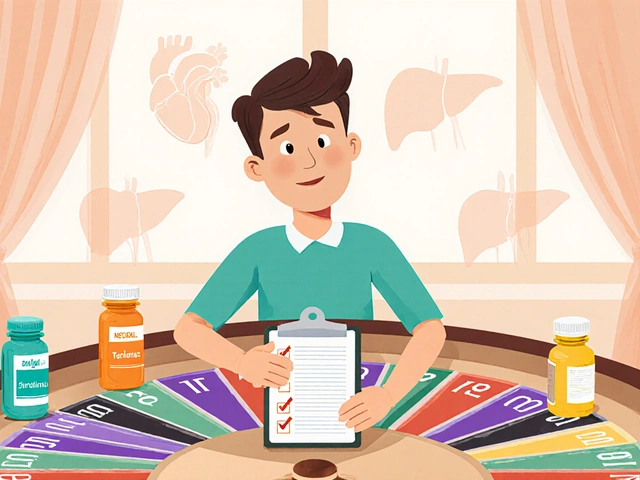
A detailed side‑by‑side comparison of Neoral (Cyclosporine) with Tacrolimus, Sirolimus, Mycophenolate, and Azathioprine, covering mechanisms, dosing, side effects, cost and monitoring.