
When your regular prescription runs out and the pharmacy says it’s backordered-again-you’re not alone. In 2025, the U.S. saw over 350 drug shortages, from simple antibiotics to life-saving heart medications. For many, the answer isn’t waiting weeks or switching to a less effective brand. It’s compounding pharmacies.
What exactly is a compounding pharmacy?
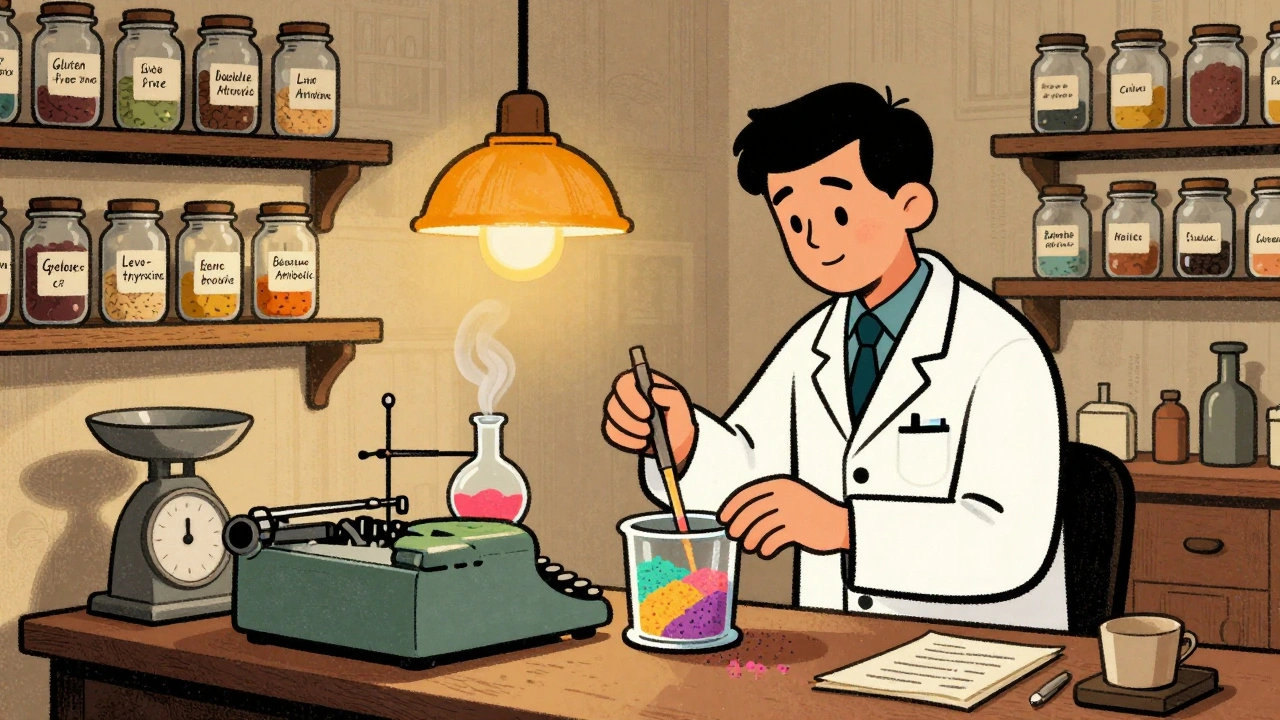
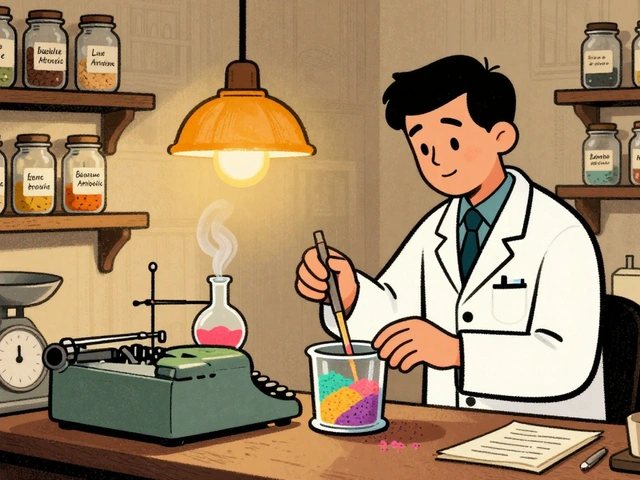
A compounding pharmacy doesn’t just fill prescriptions. It builds them. These specialized labs take raw pharmaceutical ingredients and mix them into custom formulations that aren’t available in stores. Think of it like ordering a cake from a bakery instead of buying a pre-made one from the supermarket. You get exactly what you need: no gluten, no dyes, the right dose, or even a flavor your child will actually take. Unlike regular pharmacies that stock mass-produced pills, compounding pharmacies work with doctors to create medications tailored to individual needs. They can turn a tablet into a liquid, a cream, or a gel. They can remove allergens like lactose or gluten. They can make a 5mg dose when only 10mg or 25mg pills exist. This isn’t science fiction-it’s daily practice in over 7,500 U.S. pharmacies.Why do people turn to compounding pharmacies?
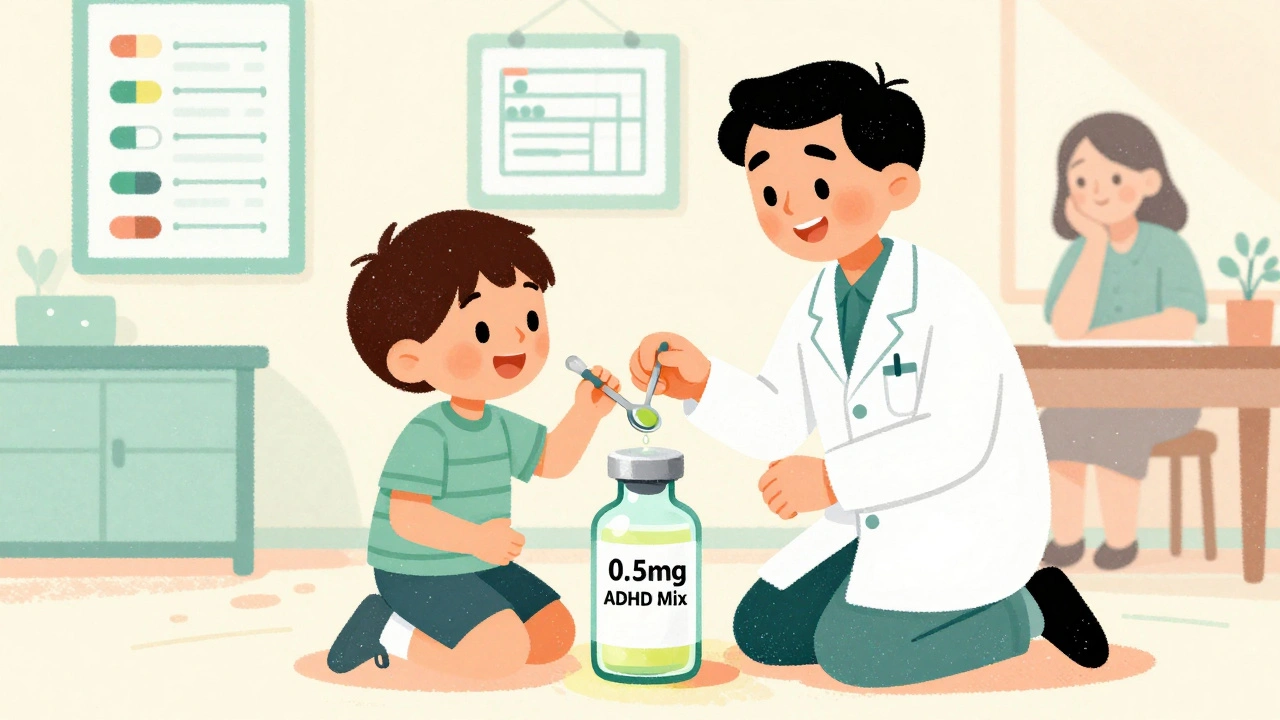
There are three main reasons: drug shortages, allergies, and physical challenges. First, drug shortages are more common than most realize. The FDA tracks over 300 shortages every year. When a hospital runs out of a key IV antibiotic or a child’s ADHD medication disappears from shelves, compounding pharmacies often step in. They can replicate the exact active ingredient and deliver it in a usable form-even if the brand-name version isn’t available. Second, many people react to fillers in commercial drugs. Dyes, preservatives, lactose, or gluten can trigger rashes, stomach pain, or worse. About 1 in 5 people have sensitivities to these additives. A compounding pharmacist can make a version without them. One patient I know switched from a commercial thyroid pill to a compounded version after years of unexplained fatigue. The only difference? No red dye. Within weeks, her energy returned. Third, swallowing pills isn’t easy for everyone. Around 40% of kids can’t swallow tablets. About 30% of seniors have trouble too. Compounding pharmacies make flavored liquids, dissolvable troches, or even topical gels that absorb through the skin. One parent told me her 7-year-old wouldn’t take liquid antibiotics until the pharmacist made it taste like bubblegum. Adherence jumped from 20% to 90%.What can they make?
Compounding pharmacies aren’t limited to pills. Their tools let them create:- Liquids with precise doses (down to 0.1mg)
- Topical creams for pain or hormone therapy
- Transdermal gels that replace injections
- Troches (lozenges) that dissolve under the tongue
- Flavored suspensions for children
- Combination pills that merge multiple drugs into one
How is it different from regular pharmacies?
Regular pharmacies dispense FDA-approved drugs made by big manufacturers. They’re reliable, fast, and usually covered by insurance. Compounding pharmacies make custom drugs from scratch. They’re not FDA-approved as products-each batch is made for one patient, based on a doctor’s order. That means:- They can’t make drugs that are already available commercially
- They can’t make complex biologics (like insulin or monoclonal antibodies)
- They require special equipment: clean rooms, precision scales, stability testing
When should you NOT use a compounding pharmacy?
Compounding isn’t a magic fix. It’s not cheaper, faster, or safer than a regular drug-when that drug is available. The American Pharmacists Association says about 15% of compounded prescriptions could have been filled with standard medications. That’s risky. Compounded drugs don’t go through the same safety trials as FDA-approved ones. They’re made in small batches. One mistake, one contaminated batch, and the consequences can be serious. Use compounding only when:- A commercial drug is truly unavailable
- You have a confirmed allergy or intolerance
- You can’t take the standard form (e.g., can’t swallow pills)
- Your doctor and pharmacist agree it’s medically necessary
What’s the process like?
It’s not instant. If your doctor thinks you need a compounded medication, here’s how it works:- Your doctor writes a prescription with the exact formula, dose, and reason (e.g., “patient allergic to FD&C Red No. 40”)
- You take it to a compounding pharmacy-ask your doctor for a recommendation or search PCAB-accredited ones online
- The pharmacist reviews the formula for safety and feasibility
- They prepare it: 24 to 72 hours, depending on complexity
- You pick it up, and they explain how to use it
Cost and insurance
This is the tough part. Insurance rarely covers compounded drugs the way it covers brand-name pills. About 45% of patients pay out of pocket. Costs vary widely-from $30 for a simple liquid to $300+ for a complex hormone cream. Some insurers will cover it if your doctor documents a medical necessity and the drug is on their exception list. Others won’t touch it. Always call your insurer before you start. Ask: “Do you cover compounded medications under my plan? What’s the prior authorization process?” Some pharmacies offer cash discounts or payment plans. Don’t assume it’s too expensive-ask.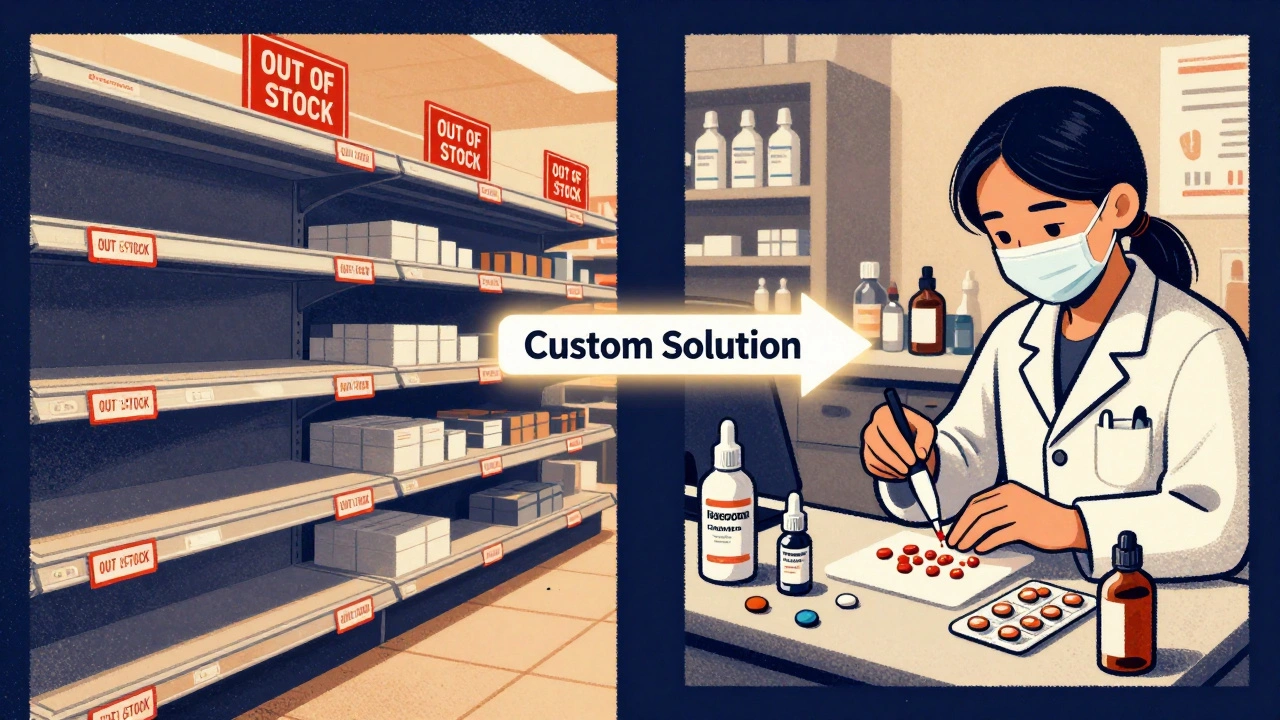
Real stories, real results
A 68-year-old woman in Ohio couldn’t tolerate her blood pressure pill because of the filler. She developed severe nausea and skipped doses. Her pharmacist compounded a version without the allergen. Her BP stabilized. She stopped vomiting. A teen with severe acne couldn’t use the standard topical treatment-it burned. A compounding pharmacy made a gentler formula with lower concentrations and added soothing aloe. His skin cleared up in weeks. A cancer patient needed a custom oral solution of a chemotherapy drug because IV access was failing. Her oncologist worked with a sterile compounding lab to make a stable liquid she could take at home. She avoided hospital visits for months. These aren’t rare cases. They’re everyday wins.What’s changing in 2025?
The compounding field is growing fast. The market hit $11.2 billion in 2022 and is on track for $15.8 billion by 2027. Why? More drug shortages. More demand for personalized medicine. More doctors who understand the value. New tech is helping too. Digital formulation tools cut errors by 37%. Better stability testing means compounded creams now last 25-40% longer. Some pharmacies even use genetic data to tailor doses-like adjusting thyroid meds based on a patient’s metabolism profile. Regulations are tightening too. Since the 2012 fungal meningitis outbreak, the FDA has cracked down. The Drug Quality and Security Act created two paths: 503A (traditional compounding) and 503B (larger outsourcing facilities). The FDA now requires clearer rules for when compounding is allowed during shortages.What to ask before you start
If you’re considering a compounded medication, ask these questions:- Is the pharmacy PCAB-accredited?
- Can you see their clean room or quality control records?
- What’s the exact formula? Can I get a copy?
- How long will it take to prepare?
- Will my insurance cover it? If not, what’s the cash price?
- What’s the expiration date? How should I store it?

Shannara Jenkins
December 3, 2025 AT 01:21I had no idea compounding pharmacies existed until my kid couldn't swallow his ADHD med. We tried everything-flavored versions, crushing pills, even hiding them in peanut butter. Then we found a local compounding pharmacy that made it taste like bubblegum. He takes it like candy now. Game changer. 🙌
Jay Everett
December 5, 2025 AT 00:44Compounding pharmacies are the unsung heroes of modern medicine. 🌟 While Big Pharma chases profit margins, these labs are out here playing God with beakers and precision scales-crafting magic potions for people who’ve been failed by the system. It’s not just medicine-it’s personalized alchemy. And yeah, it’s expensive. But when your life depends on a pill that doesn’t make you vomit or break out in hives? Worth every penny. 💊✨
मनोज कुमार
December 5, 2025 AT 13:08Joel Deang
December 5, 2025 AT 22:21bro i had a friend who got a compounded thyroid med and like… she went from zombie mode to hiking mountains. no joke. also the pharmacist made her pill into a lil lollipop?? i thought that was fake but she showed me the receipt 😭
Alicia Marks
December 6, 2025 AT 09:57This is exactly why we need more access to these pharmacies. So many people are suffering unnecessarily.
Paul Keller
December 6, 2025 AT 12:21While the anecdotal evidence presented is compelling, one must consider the broader systemic implications. The proliferation of compounded medications, while addressing individual patient needs, simultaneously undermines the standardization and scalability of pharmaceutical delivery. One must ask: are we patching a broken system, or enabling its collapse? The absence of FDA oversight for these formulations introduces a latent risk profile that is both statistically significant and ethically concerning.
Elizabeth Grace
December 7, 2025 AT 02:42I used to cry every time I had to take my blood pressure pill. The fillers made me feel like I was being poisoned. Then I found a compounding pharmacy. Now I take it like a champ. I don’t even think about it anymore. I just… feel human again. Thank you to whoever wrote this. I needed to read this today.
Steve Enck
December 7, 2025 AT 21:22It is an incontrovertible fact that the commodification of healthcare has rendered the pharmaceutical industry incapable of serving the needs of the marginalized patient. Compounding pharmacies, though technically non-compliant with the Federal Food, Drug, and Cosmetic Act, represent a form of civil disobedience in pharmacology. The real tragedy is not their existence-it is that they are necessary at all.
Ella van Rij
December 9, 2025 AT 12:08Oh wow, so we're just gonna let random pharmacists play chemist now? How quaint. I'm sure the FDA is just *dying* to approve bubblegum-flavored antibiotics. 😌
ATUL BHARDWAJ
December 11, 2025 AT 10:33Shannara Jenkins
December 13, 2025 AT 01:38Just talked to my pharmacist again-she’s been compounding my mom’s hormone cream for 3 years now. Said the new stability tech means it lasts 6 months instead of 3. And she’s got PCAB certification. Asked her if she could make it lavender-scented. She laughed and said, ‘We’re not making candles, honey.’ But I think she’s gonna try. 🌿