
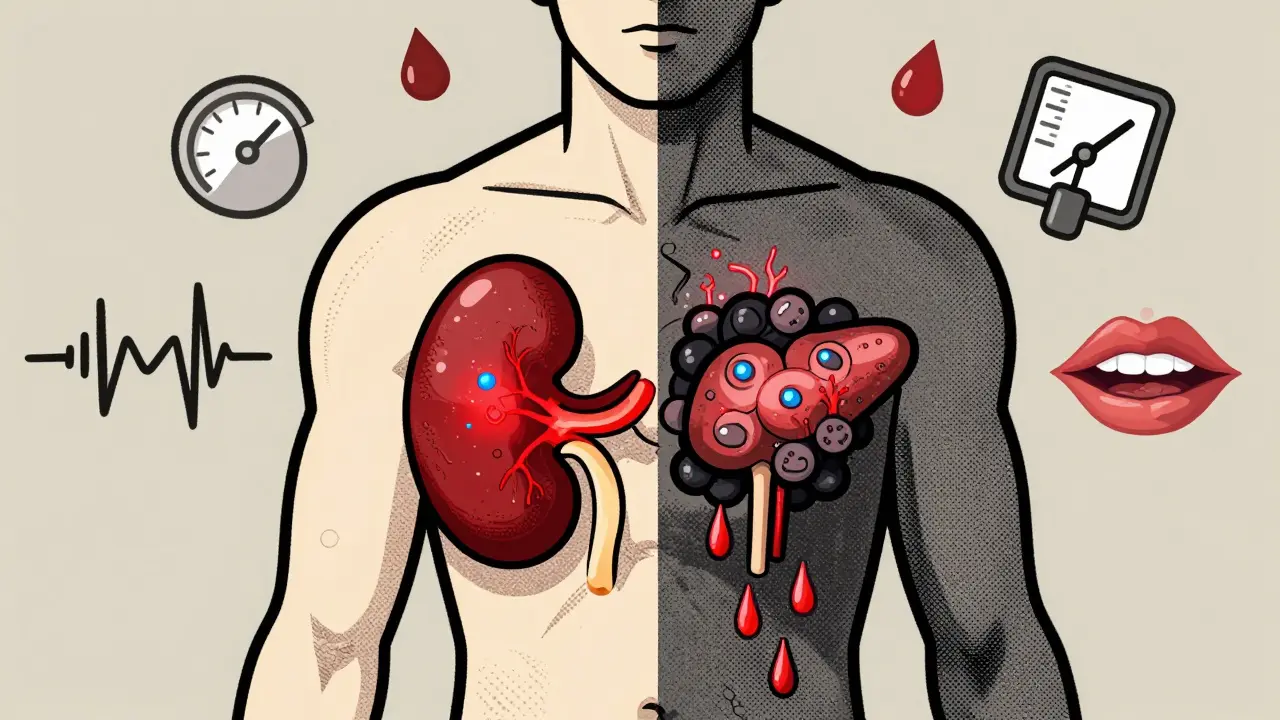
Cyclosporine and tacrolimus are essential for transplant patients but come with serious side effects like kidney damage, tremors, and diabetes. Learn how these drugs compare, what to watch for, and how doctors are now reducing their use to improve long-term health.
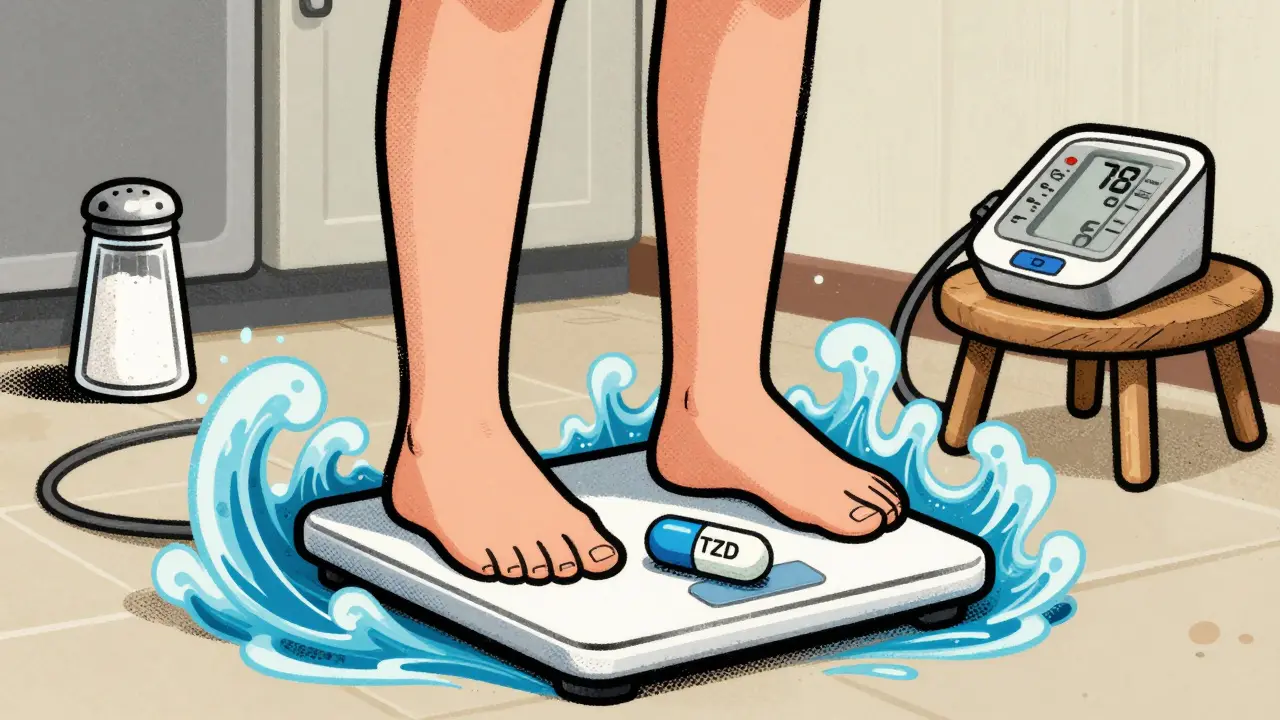
TZDs like pioglitazone help control blood sugar but often cause weight gain and swelling. Learn proven strategies to reduce fluid retention, lower doses safely, and combine with better alternatives like SGLT2 inhibitors.

Warfarin and DOACs are both blood thinners used to prevent clots, but DOACs are now preferred for most patients due to better safety, fewer interactions, and no need for regular blood tests. Learn the key differences and what to do in an emergency.
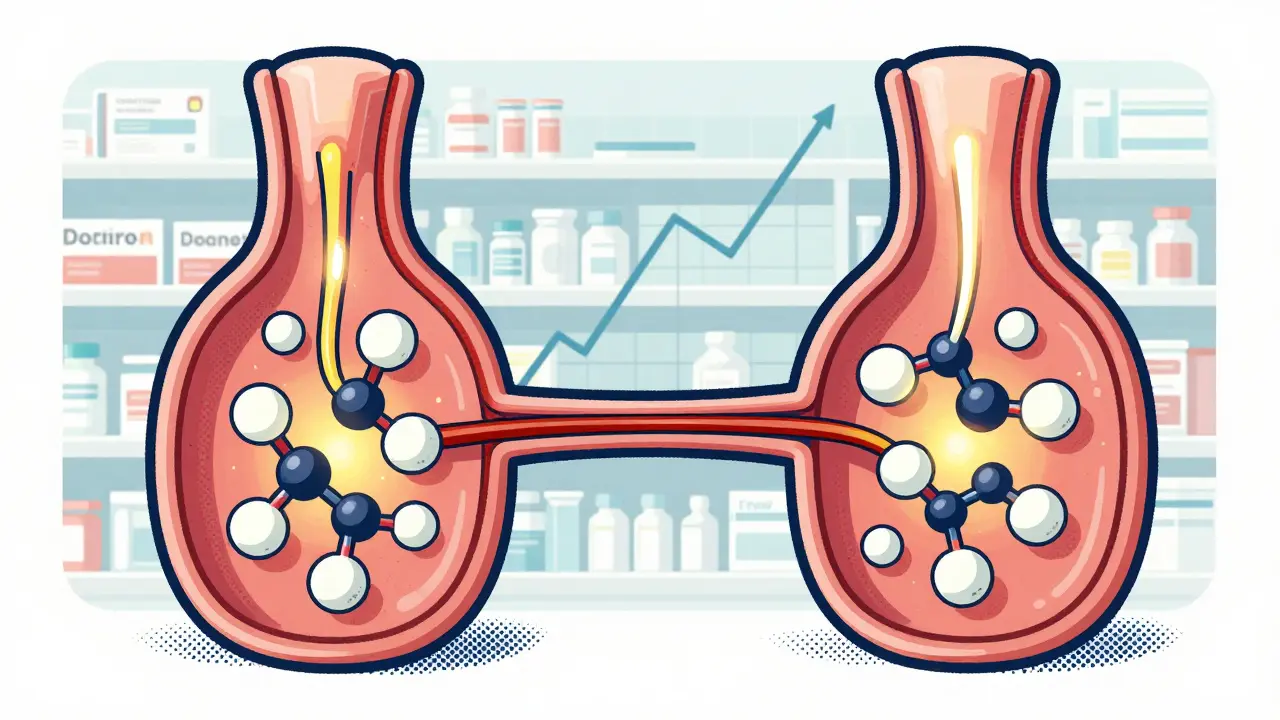
Infographics about generics help patients understand that generic drugs are just as safe and effective as brand-name versions. With clear visuals, they debunk myths, explain FDA approval, and show how generics save money-without sacrificing quality.

Nasal steroid sprays are the most effective treatment for allergic rhinitis, reducing inflammation to relieve congestion, sneezing, and runny nose. Learn how they work, why daily use matters, and how to use them safely.

Learn how drug take-back programs safely dispose of unused medications through permanent drop boxes, mail-back envelopes, and nationwide events. Find out what you can and can’t dispose of, and how to locate the nearest collection site.
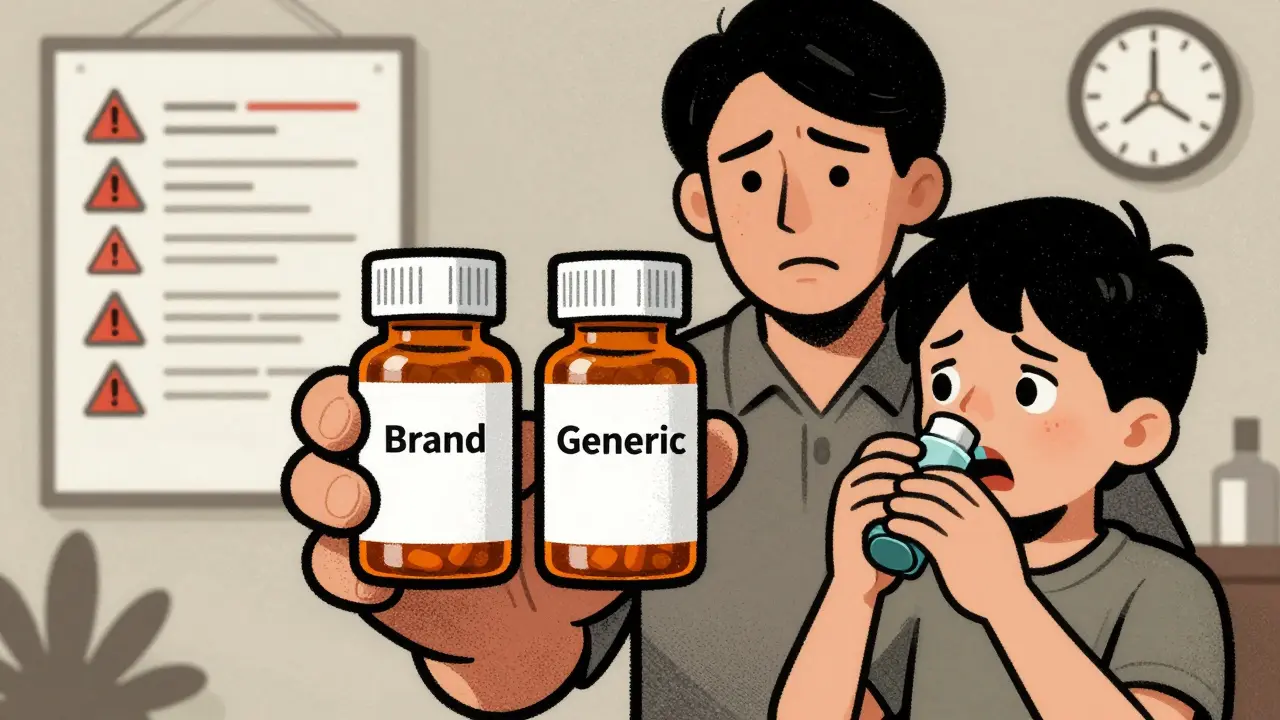
Switching children to generic medications can save money-but it can also risk their health. Learn why pediatric patients are uniquely vulnerable to changes in drug formulations, how insurance policies drive unsafe switches, and what parents and doctors must do to protect kids on chronic meds.
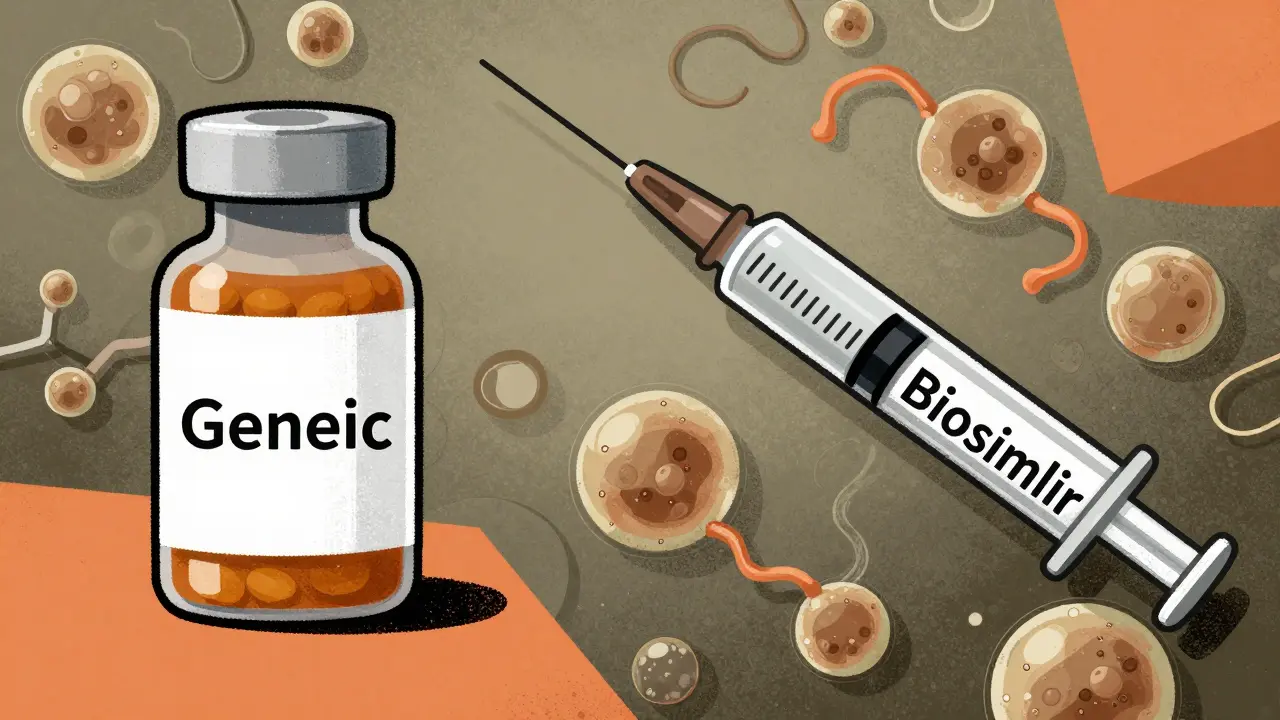
Biosimilars are the closest thing to generics for complex biologic drugs. They're highly similar, FDA-approved, and can save patients up to 60% on costs. Learn how they work, why they're not exact copies, and how to use them safely.
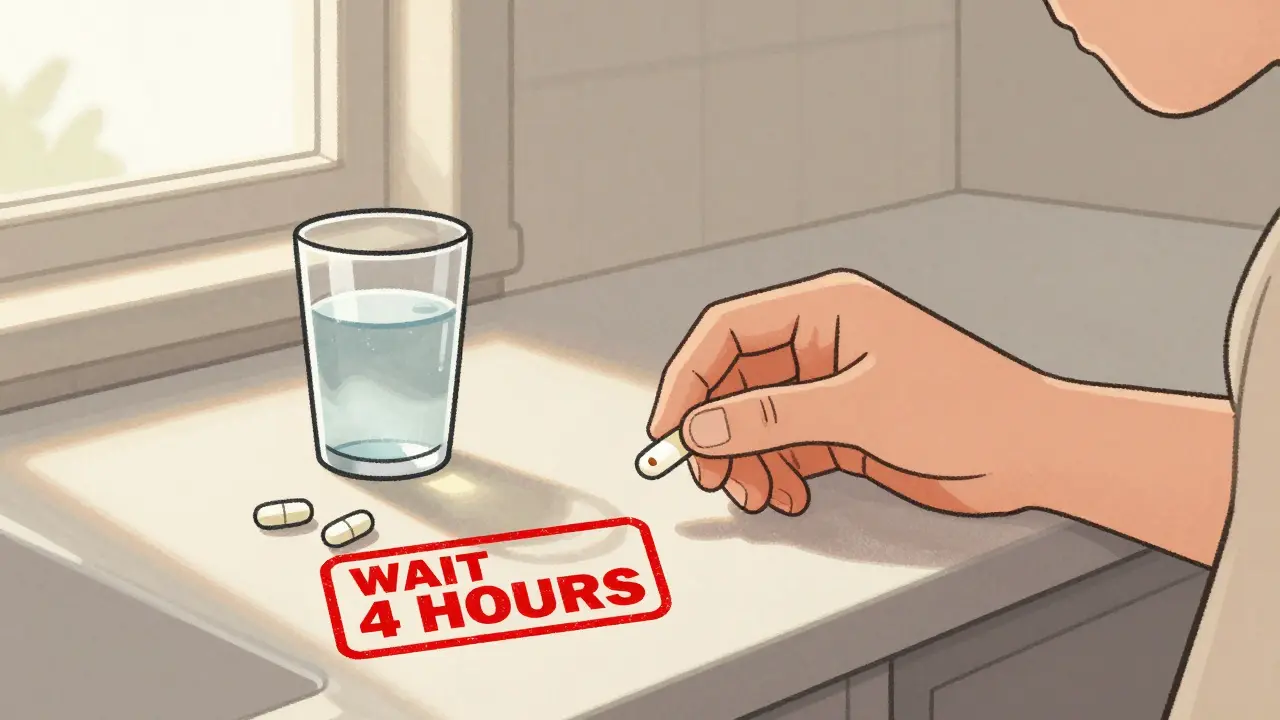
Learn how to properly separate levothyroxine from iron and calcium supplements to ensure your thyroid medication works effectively. Avoid dangerous interactions with clear timing rules and practical tips.

Lithium carbonate generics require careful serum level monitoring due to their narrow therapeutic index. Switching brands can alter blood levels, risking toxicity or relapse. Learn how formulation differences, dosing timing, and kidney function affect safety and effectiveness.
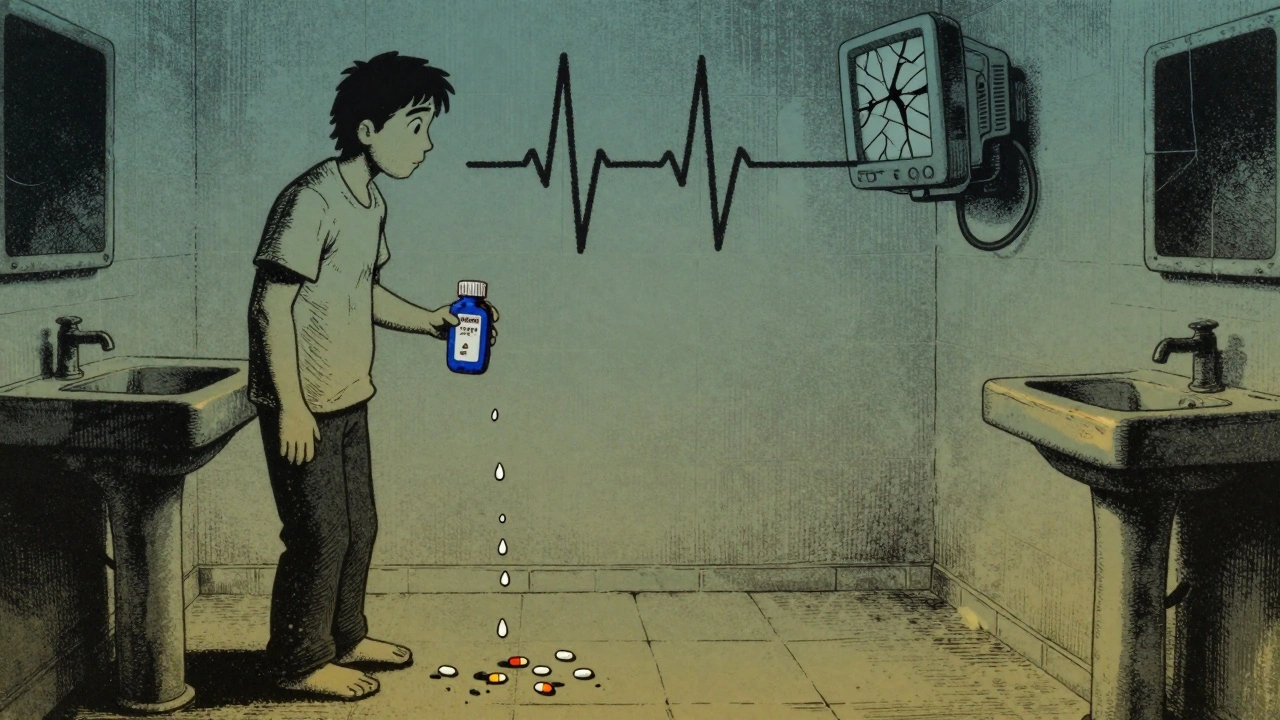
Loperamide, found in OTC antidiarrheals like Imodium, is being misused by people trying to self-treat opioid withdrawal. At high doses, it causes life-threatening heart rhythms and can be fatal. Learn the warning signs and why this isn't just another drug trend.
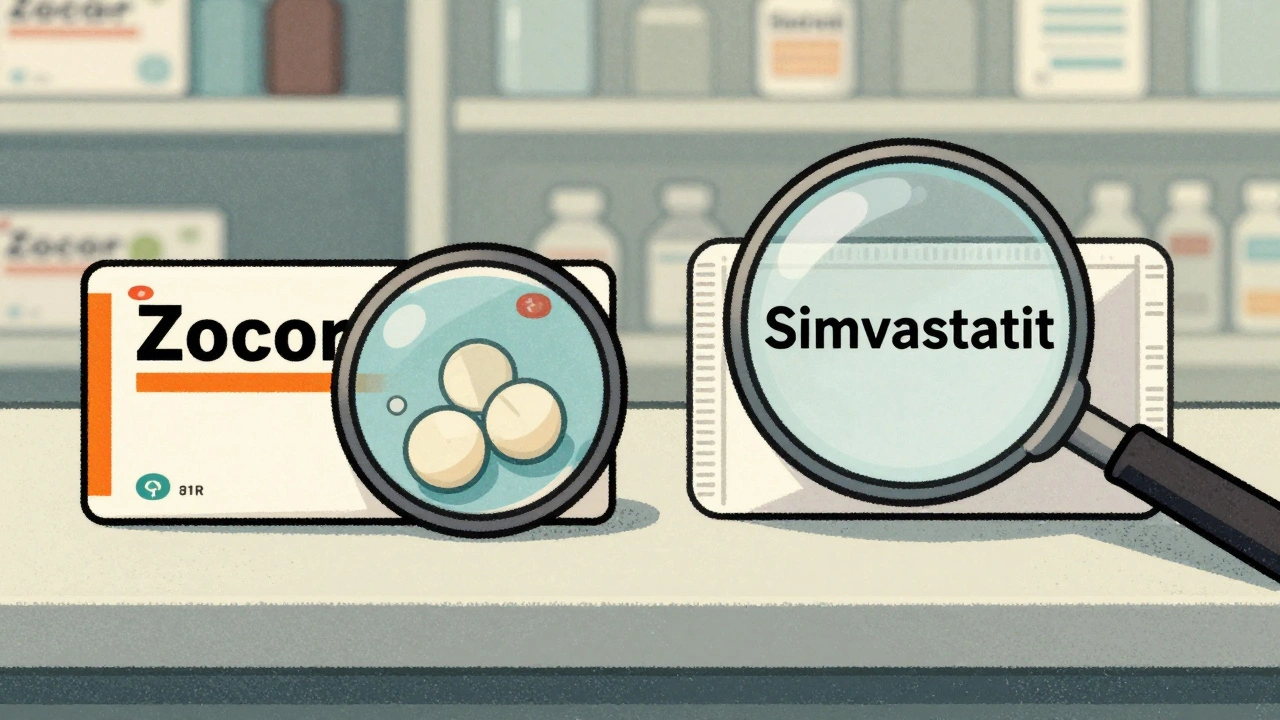
Authorized generics are the exact same drug as the brand-name version, made by the same company, but sold under a generic label. Learn how they work, why they exist, and how to spot them to save money without sacrificing quality.
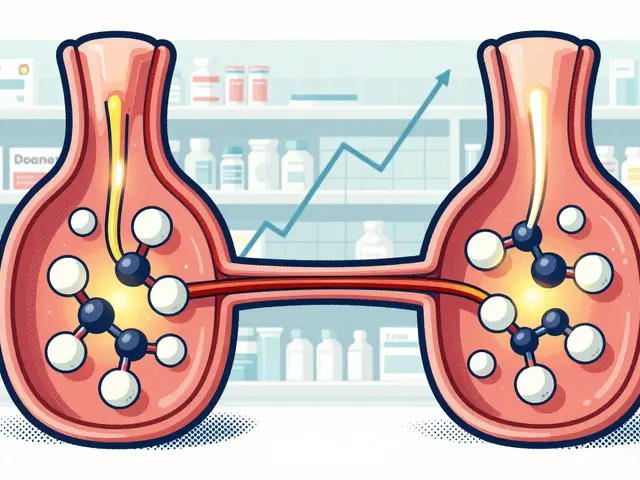
Infographics about generics help patients understand that generic drugs are just as safe and effective as brand-name versions. With clear visuals, they debunk myths, explain FDA approval, and show how generics save money-without sacrificing quality.

Benzodiazepines like Xanax and Valium may help with anxiety during pregnancy, but studies link them to increased risks of birth defects, miscarriage, and preterm birth. Learn what the latest research says and what alternatives exist.
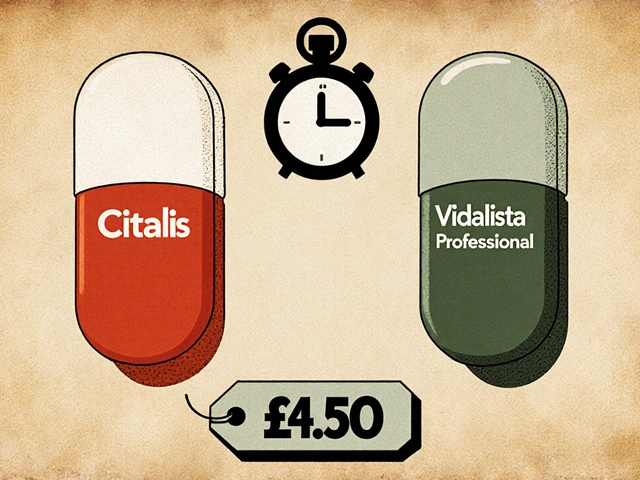
Compare Vidalista Professional with Cialis and other tadalafil generics to find the safest, most cost-effective option for treating erectile dysfunction. Learn what really matters-active ingredients, safety, and where to buy.
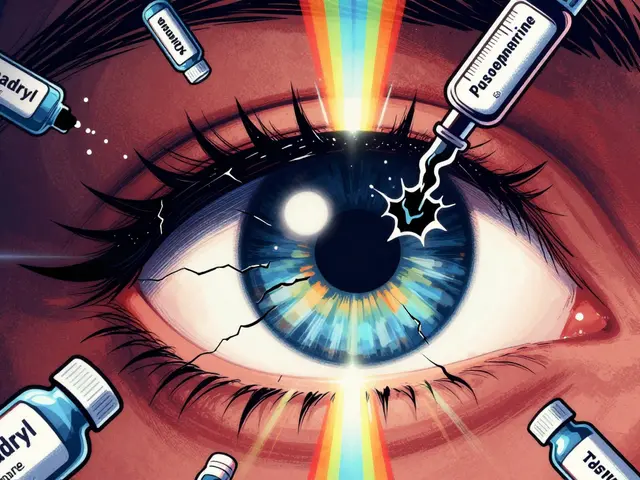
Medication-induced acute angle-closure glaucoma is a sudden, sight-threatening eye emergency triggered by common drugs like decongestants, antihistamines, and antidepressants. Learn who's at risk, which meds cause it, and how to prevent permanent vision loss.
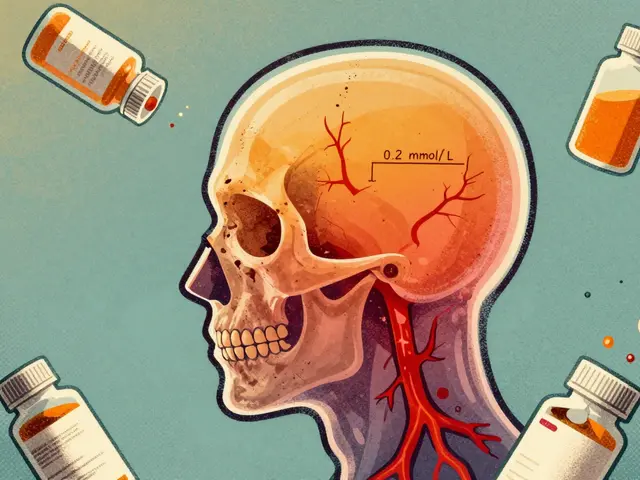
Lithium carbonate generics require careful serum level monitoring due to their narrow therapeutic index. Switching brands can alter blood levels, risking toxicity or relapse. Learn how formulation differences, dosing timing, and kidney function affect safety and effectiveness.