
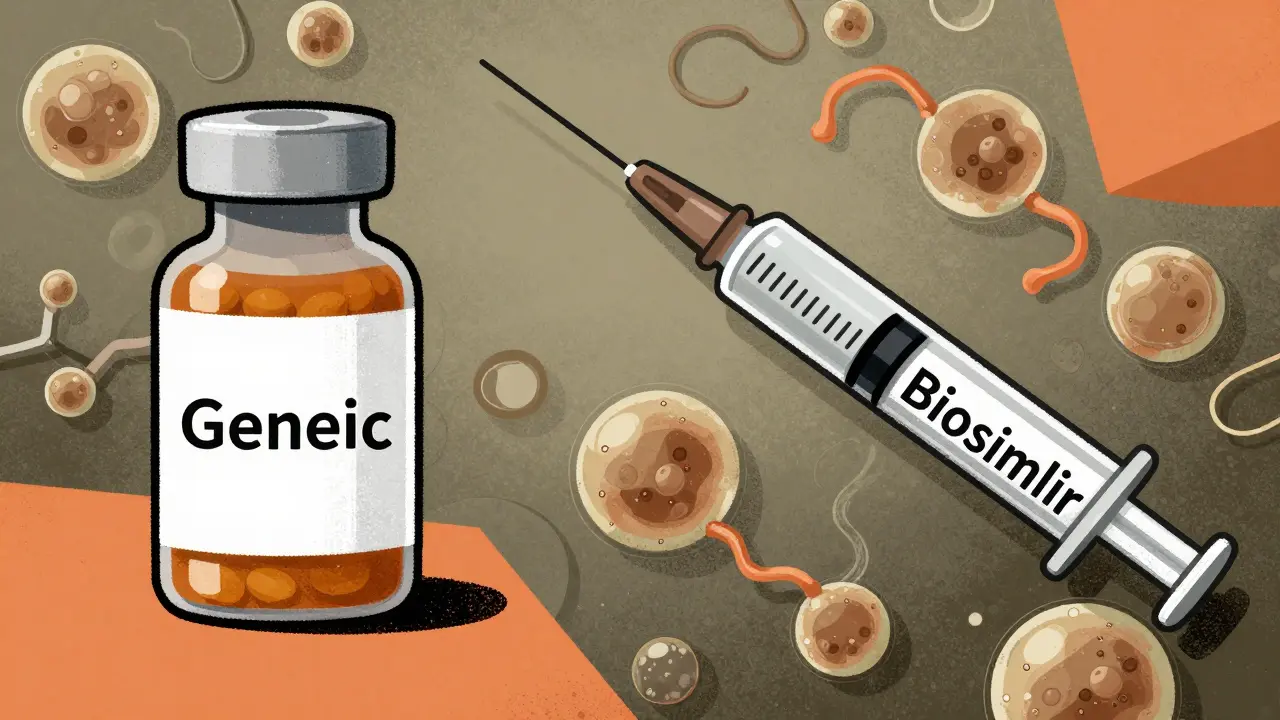
When you walk into a pharmacy and ask for a cheaper version of your brand-name pill, you’re probably getting a generic. These are exact chemical copies, approved quickly, and often cost 80% less. But what if your medicine isn’t a pill? What if it’s an injection for rheumatoid arthritis, cancer, or diabetes? That’s where authorized biologic alternatives-better known as biosimilars-come in. They’re not exact copies. They’re not magic. But they’re the closest thing we have to generics for complex biologic drugs.
Why Biosimilars Aren’t Like Regular Generics
Small molecule drugs, like aspirin or metformin, are made from simple chemicals. You can recreate them perfectly in a lab. That’s why generics exist. They’re identical in active ingredient, dose, and effect. But biologics? They’re made from living cells-yeast, bacteria, or animal cells. Think of them like a handmade sourdough loaf. Even if you follow the same recipe, no two loaves are exactly alike. The yeast, temperature, time, and even the air in the room change the outcome. That’s why you can’t copy a biologic the way you copy a pill. The FDA calls biosimilars “highly similar” to the original biologic, with no clinically meaningful differences in safety or effectiveness. That doesn’t mean identical. It means the tiny variations-like slight changes in protein folding or sugar attachments-are within normal manufacturing limits and don’t affect how the drug works in your body.How the FDA Approves Biosimilars
Getting a biosimilar approved isn’t easy. It’s not a shortcut. Manufacturers must prove:- The biosimilar has the same mechanism of action as the original (how it fights disease)
- It’s given the same way-injection, infusion, etc.
- It has the same strength and dosage form
- It behaves the same in the body (pharmacokinetics and pharmacodynamics)
- It doesn’t cause more immune reactions than the original
- It’s as safe and effective in clinical trials
Interchangeable Biosimilars: The Real Generic Equivalent
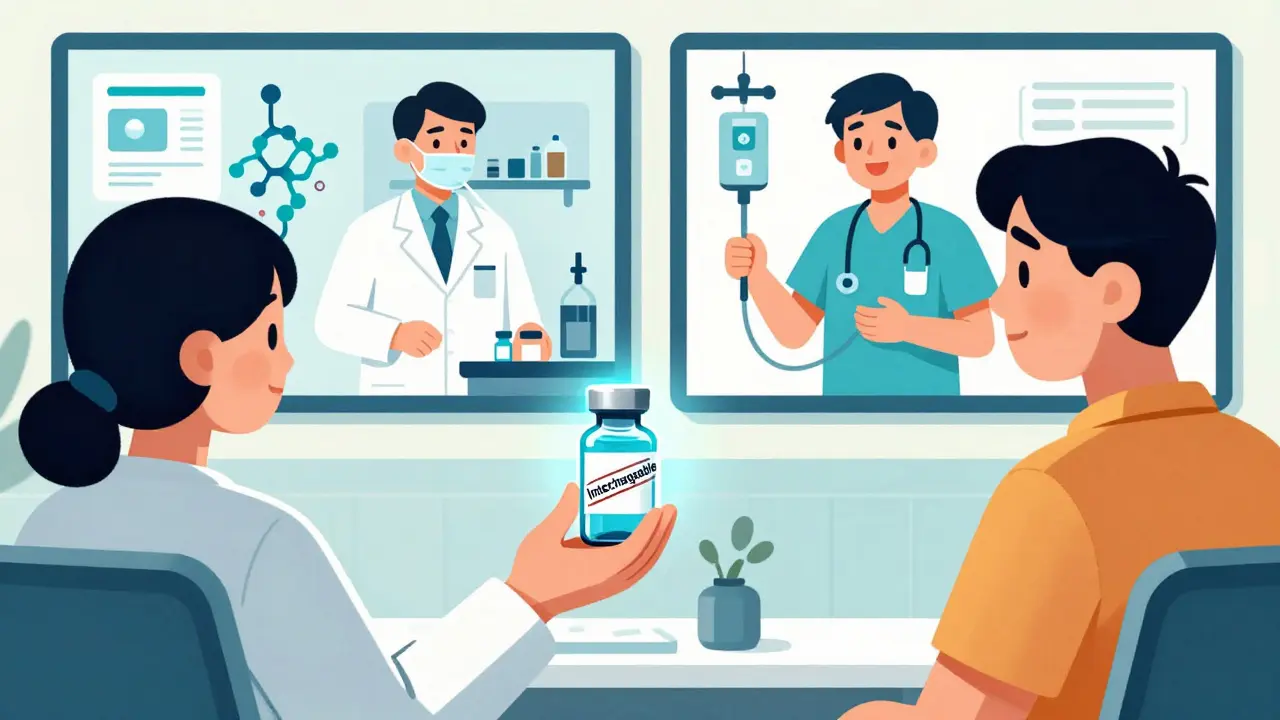
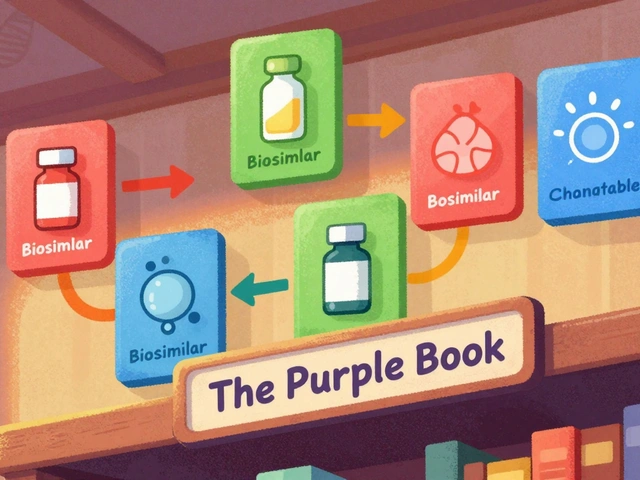
Not all biosimilars are the same. Most require a doctor’s OK to switch. But some-called interchangeable biosimilars-can be swapped at the pharmacy without asking the prescriber. That’s the closest thing to a generic in the biologic world. To get this status, manufacturers must prove:- The biosimilar can be switched back and forth with the original without increased risk
- Multiple switches don’t harm patients
- Outcomes stay the same whether you start with the brand or the biosimilar
Cost Savings: Not as Big as Generics, But Still Huge
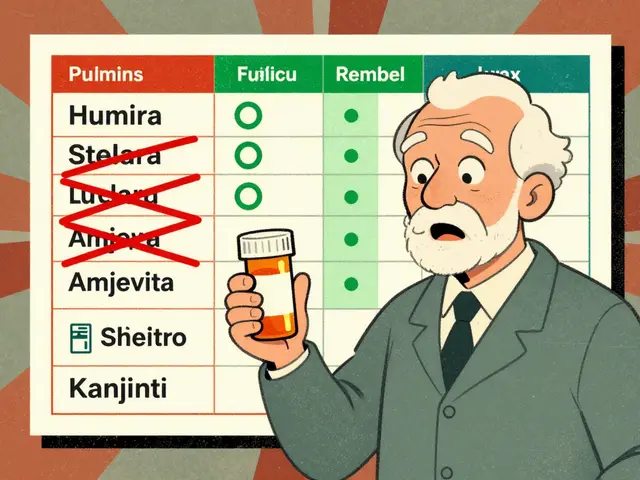
Generics cut costs by 80-85%. Biosimilars? They save 10-50%. Why the difference? Because making a biologic is expensive. You need living cells, sterile labs, complex purification, and strict quality control. You can’t just mix chemicals in a vat. So even though biosimilars are cheaper, the savings aren’t as dramatic. But here’s the real math: A patient on a brand-name biologic for rheumatoid arthritis might pay $1,200 per infusion. Switch to a biosimilar? That drops to $450. That’s a 62% cut. Multiply that across millions of patients, and you’re talking billions saved. The Congressional Budget Office estimates biosimilars could save Medicare $53 billion between 2024 and 2033. The entire U.S. healthcare system could save $314 billion over the next decade.Why Aren’t More People Using Them?
Despite FDA approval of 76 biosimilars, they make up less than 20% of the biologic market. Why?- Doctors are hesitant. Many don’t trust the data. They worry about switching patients, especially in cancer or autoimmune diseases. A 2023 JAMA Oncology study found physician reluctance remains high, even when science says it’s safe.
- Patient fear. People hear “not the same” and panic. One patient on a cancer forum wrote, “I was terrified to switch. But my oncologist explained it. I’ve had zero side effects since.”
- Insurance tricks. Some plans force patients to switch to biosimilars-even if they’re doing fine on the brand. A 2022 Arthritis Foundation survey found 37% of patients had their treatment disrupted by an insurance switch. Only 12% actually got worse.
- State laws. Only 32 states allow pharmacists to substitute interchangeable biosimilars without telling the doctor. In others, you need a new prescription every time.
Real Stories: What Patients Are Experiencing
On Reddit, a pharmacist shared a case: a rheumatoid arthritis patient switched between three different products-brand, biosimilar A, then biosimilar B-and developed new injection site reactions after the third switch. Was it the biosimilar? Maybe. But it could’ve been stress, a cold, or a new soap. No one knows for sure. That’s the problem: we don’t have long-term data on multiple switches. But the good stories are louder. One breast cancer patient switched from Herceptin to a biosimilar. Her out-of-pocket cost dropped from $1,200 to $450 per infusion. No new side effects. Same tumor response. She said, “I’d do it again in a heartbeat.” The Biosimilars Council says biosimilars have added 344 million extra days of therapy that patients wouldn’t have gotten otherwise. That’s not just money saved. That’s lives extended.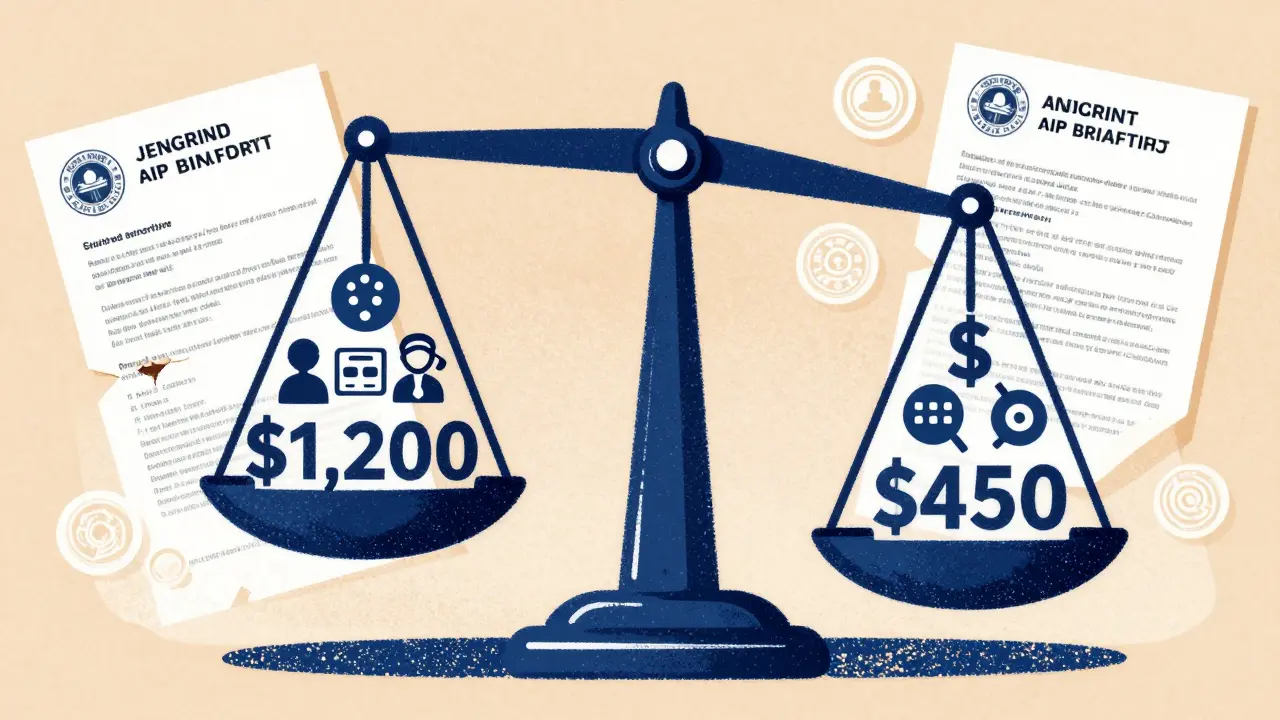
What’s Changing in 2025?
The FDA is pushing hard. In May 2023, they released new guidance to make biosimilar labeling clearer. No more confusing jargon. Now, labels must clearly say: “This is a biosimilar of [Brand Name].” More approvals are coming. By 2025, the FDA aims to approve 15-20 new biosimilars a year. Major patents for drugs like Enbrel, Rituxan, and Avastin are expiring soon. That’s over $115 billion in biologic sales up for grabs. Hospitals are leading the charge. 87% now have formal biosimilar adoption policies. They know the math: if they switch 100 patients from a $10,000/month drug to a $6,000 biosimilar, they save $400,000 a year. That’s a new MRI machine. Or 200 extra patient visits.What You Should Know
If you’re on a biologic:- Ask your doctor: “Is there a biosimilar for my drug?”
- Check your insurance: Are they forcing a switch? Do you have a choice?
- Don’t panic if you’re switched. Most people have no issues.
- If you feel worse after switching, tell your doctor. But don’t assume it’s the biosimilar. Track your symptoms.
- Look for the word “interchangeable” on the label. That’s the closest thing to a generic.
Are biosimilars the same as generics?
No. Generics are exact chemical copies of small molecule drugs. Biosimilars are highly similar-but not identical-to complex biologic drugs made from living cells. You can’t make an exact copy of a biologic because it’s too complex. Biosimilars are approved based on showing no meaningful difference in safety or effectiveness, not chemical sameness.
Can pharmacists substitute biosimilars without my doctor’s approval?
Only if the biosimilar is labeled as “interchangeable” AND your state allows it. As of 2025, 32 states (including California, New York, and Texas) let pharmacists substitute interchangeable biosimilars without telling the prescriber. In other states, you need a new prescription. Always check your local laws and ask your pharmacist.
Are biosimilars safe for cancer treatment?
Yes. The FDA requires the same level of safety and effectiveness data for biosimilars used in cancer as for the original biologic. Multiple studies, including those from the American Cancer Society, show no difference in outcomes for patients using biosimilars like trastuzumab (Herceptin) or bevacizumab (Avastin). Many oncologists now prefer biosimilars because they reduce financial toxicity without compromising care.
Why do biosimilars cost less but not as much as generics?
Biologics are made in living cells, which requires expensive facilities, strict controls, and complex purification. Making a biosimilar still costs hundreds of millions of dollars. Generics are made by mixing chemicals in a lab-it’s far cheaper. So while biosimilars save 10-50%, generics save 80-85%. The savings are real, but the manufacturing barrier is higher.
How many biosimilars are approved in the U.S.?
As of late 2023, the FDA has approved 76 biosimilars. That number is growing fast. By 2025, the agency expects to approve 15-20 new ones each year. The most common targets are drugs for arthritis, cancer, and diabetes, like Humira, Enbrel, and Lantus.
Do biosimilars cause more side effects?
No. The FDA requires manufacturers to prove biosimilars don’t cause more side effects than the original. In fact, the agency looks specifically for any new or worsening reactions. Post-marketing studies since 2015 show no increase in adverse events. Most side effects reported after switching are unrelated to the drug-stress, infections, or coincidental changes.
What’s the difference between a biosimilar and a biologic?
The original biologic is the first version of the drug, developed by the original company. A biosimilar is a later version, made by a different company, that’s highly similar but not identical. Both are biologics. The biosimilar just comes after and costs less. Think of it like two different brands of the same car model-same engine, same safety rating, different factory.
Jane Wei
December 17, 2025 AT 17:56Man, I switched my Humira to a biosimilar last year and my bill dropped from $1,400 to $400. No side effects, no drama. My rheumatoid arthritis hasn’t cared at all. Why are people still scared?
Naomi Lopez
December 18, 2025 AT 08:23It’s fascinating how the regulatory framework for biosimilars reflects a deeper epistemological tension in pharmacology: the insistence on chemical identity as a prerequisite for therapeutic equivalence is fundamentally misapplied to complex biological macromolecules. The FDA’s ‘totality of evidence’ paradigm, while rigorous, remains underutilized in public discourse, perpetuating unnecessary patient anxiety rooted in reductionist thinking.
Martin Spedding
December 18, 2025 AT 10:19lol doctors still dont trust these? bro its 2025. i got my cancer drug switched and im still alive. the pharma companies are just scared of losing cash.
Raven C
December 19, 2025 AT 01:08How dare we suggest that a living-cell-derived therapeutic, subject to inherent micro-variations in glycosylation patterns and conformational folding, could ever be considered ‘equivalent’ to its originator? The very notion undermines the sanctity of biological precision. And yet, we are being coerced into this experiment-on our bodies-without true informed consent.
My oncologist refused to switch me. Good. I’d rather pay $12,000 than risk my life on a ‘highly similar’ approximation.
Donna Packard
December 19, 2025 AT 04:46I’ve been on a biosimilar for my diabetes for two years now. I know it’s not perfect, but it’s been steady. My insurance finally stopped fighting it. I just wanted to be able to afford my meds. If this helps even one person pay less, I’m glad it exists.
Jessica Salgado
December 21, 2025 AT 01:40Wait-so if I’m on a non-interchangeable biosimilar, and my insurance forces me to switch to another biosimilar… is that even legal? I read somewhere that some states require the prescriber to be notified. I’ve been switched twice in 18 months. My skin is breaking out. Is that the drug? Or just my stress? I need answers.
Steven Lavoie
December 22, 2025 AT 01:22As someone who grew up in a country where biosimilars were the norm for over a decade, I can say this: the fear here is cultural, not scientific. In Germany, biosimilars are standard. Patients don’t panic. Doctors don’t hesitate. The system works. The U.S. is stuck in a patent-driven loop that prioritizes profit over access. It’s not about the science-it’s about who controls the narrative.
Patrick A. Ck. Trip
December 23, 2025 AT 15:10While I acknowledge the statistical efficacy and regulatory rigor underpinning biosimilar approval pathways, I remain cautiously optimistic regarding their long-term impact on healthcare equity. The financial savings are undeniable, yet patient trust must be cultivated through transparent communication and consistent clinical outcomes. I encourage all stakeholders to prioritize education over coercion.
Michael Whitaker
December 24, 2025 AT 09:53Actually, I think you’re all missing the point. Biosimilars aren’t the problem-it’s the insurance companies that are gaming the system. They don’t care if you’re stable. They care about their quarterly margins. And they’ll switch you three times just to save a few bucks. You think the FDA cares? They approve the drug. The payers decide your life. That’s the real scandal.