
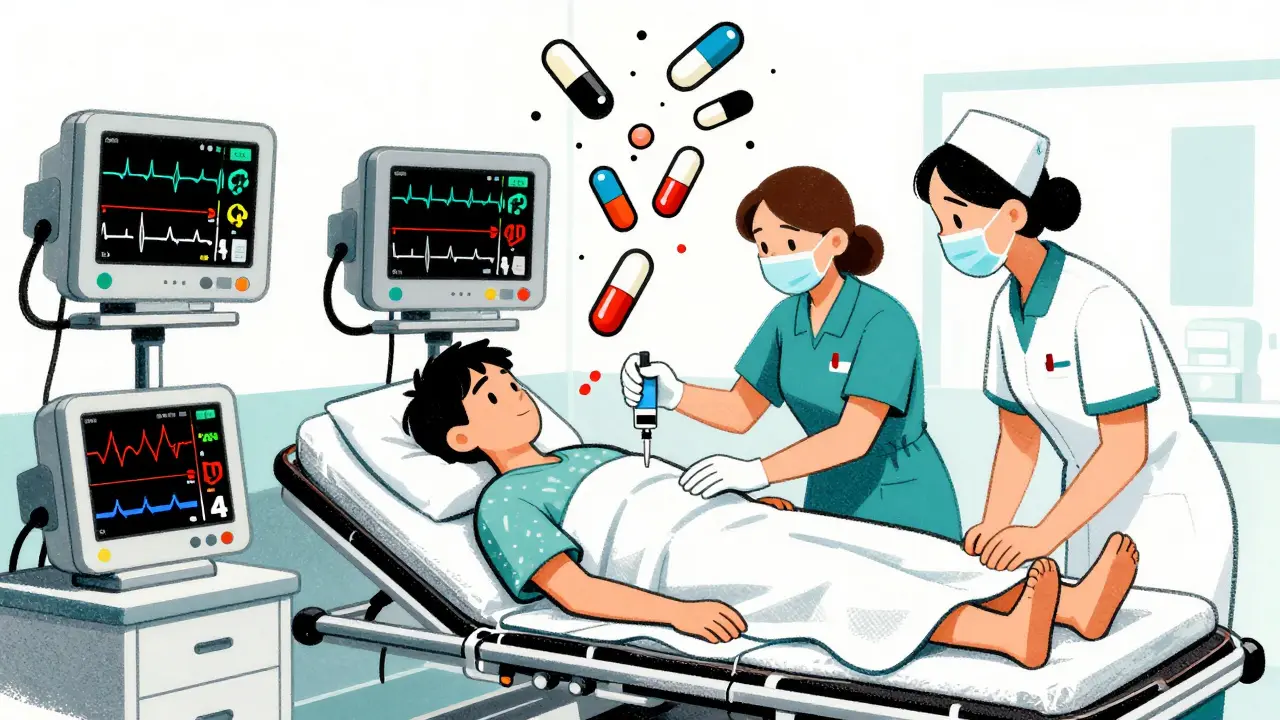
Multiple drug overdoses are deadly because substances interact unpredictably. Learn how naloxone, acetylcysteine, and emergency protocols work together to save lives when opioids, acetaminophen, or benzodiazepines are mixed.
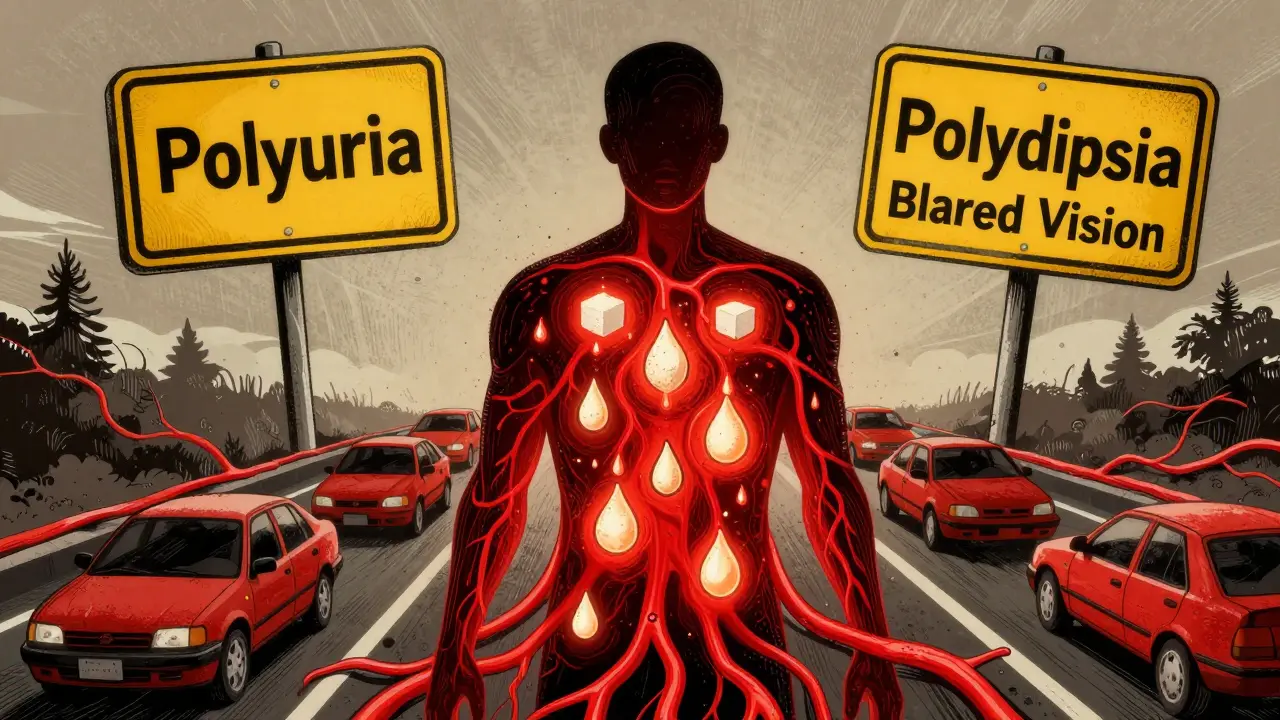
Learn the early and emergency symptoms of hyperglycemia, how to tell the difference between DKA and HHS, and what steps to take when blood sugar spikes dangerously high. This guide gives clear, actionable advice for managing high blood sugar before it becomes life-threatening.

Jet lag and delayed sleep phase disorder disrupt your body's internal clock, leading to chronic fatigue and health risks. Learn how light, melatonin, and consistency can reset your rhythm-backed by science.
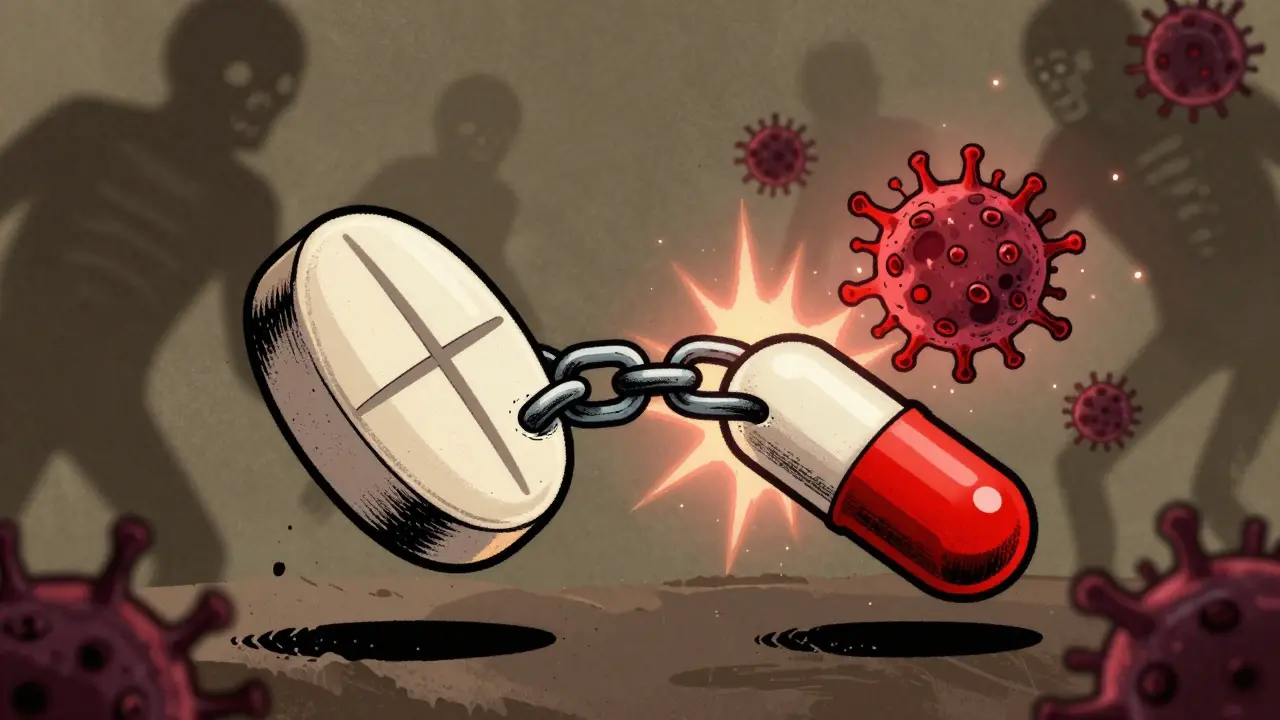
Calcium and iron supplements can block antibiotics, thyroid meds, and heartburn pills from working. Learn how to time your supplements so your medications actually work-and avoid hidden health risks.
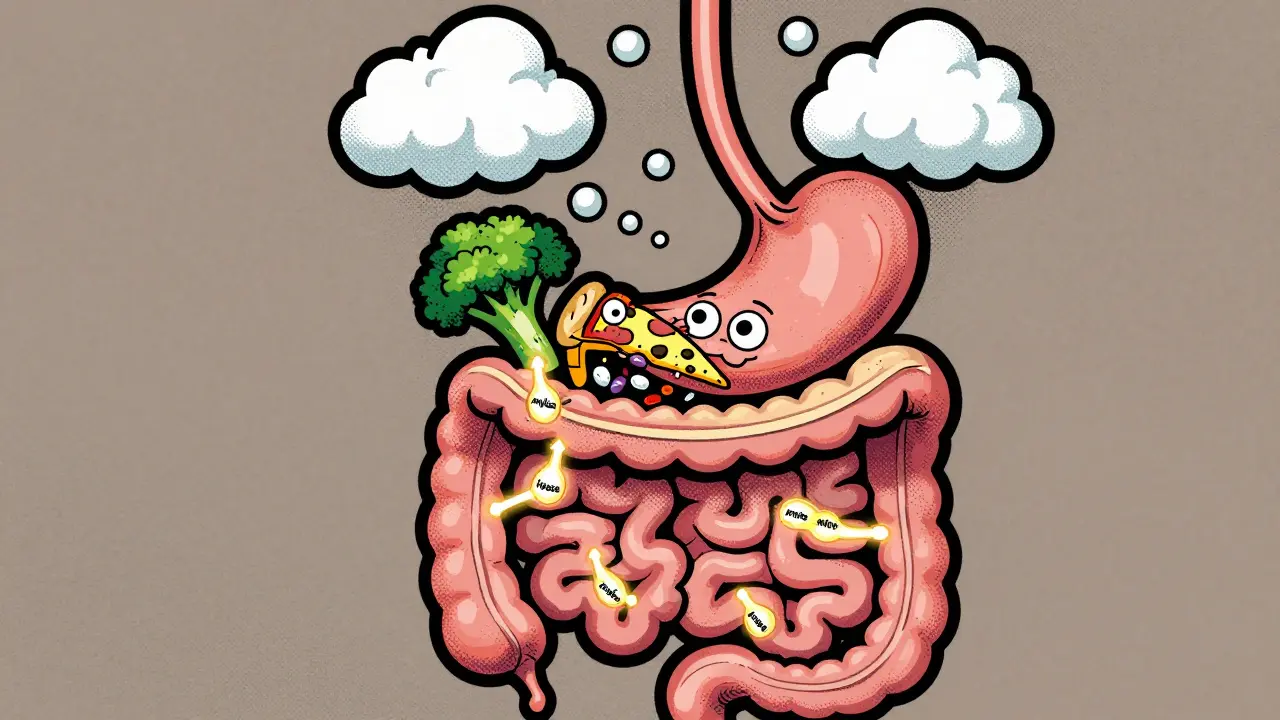
Digestive enzyme supplements can help with specific GI conditions like EPI or lactose intolerance, but aren't a cure-all. Learn when they work, which ones to choose, and when to see a doctor instead.
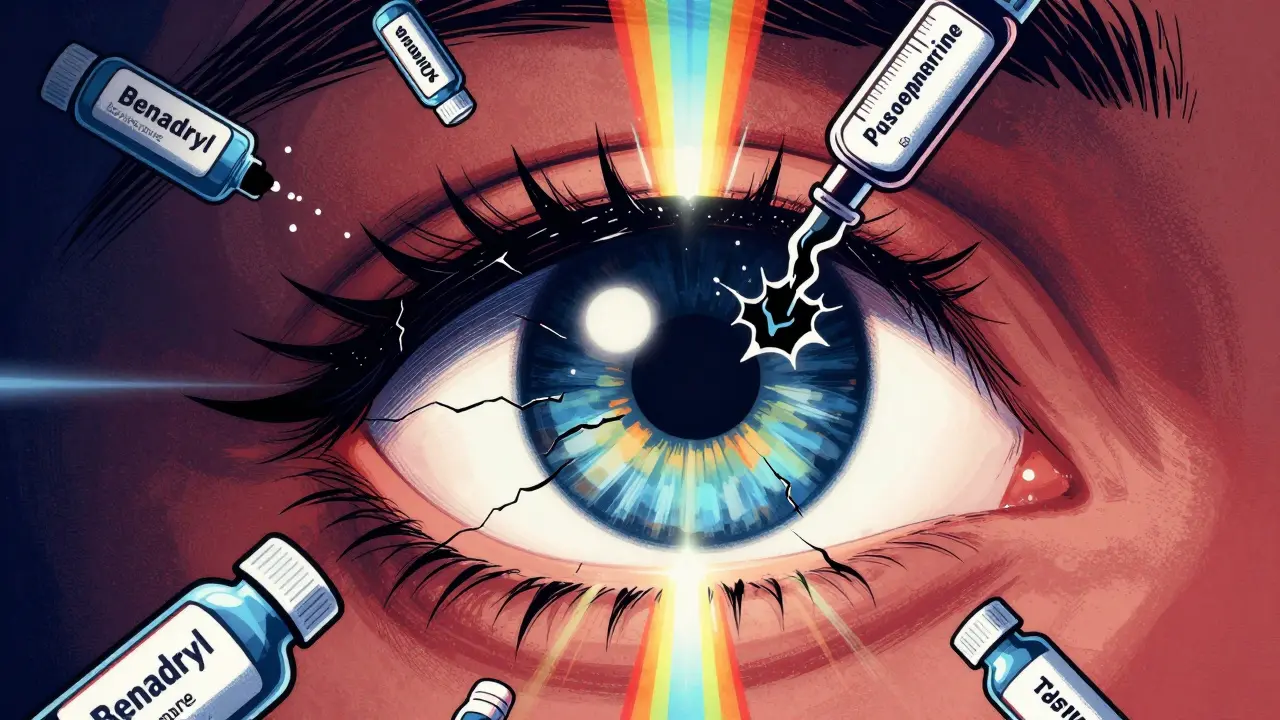
Medication-induced acute angle-closure glaucoma is a sudden, sight-threatening eye emergency triggered by common drugs like decongestants, antihistamines, and antidepressants. Learn who's at risk, which meds cause it, and how to prevent permanent vision loss.
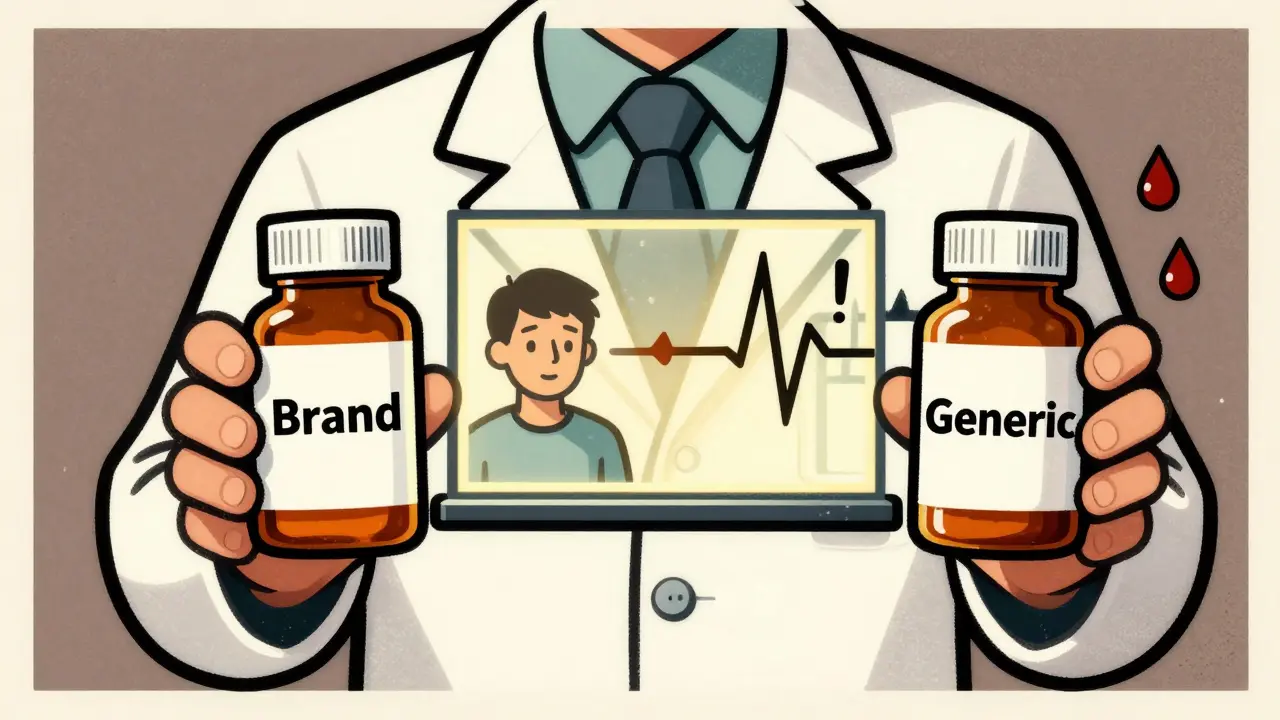
Switching to generic medications can be safe - but for drugs with a narrow therapeutic index, even small changes in absorption can cause serious effects. Learn when dose adjustments are needed and how to protect yourself.
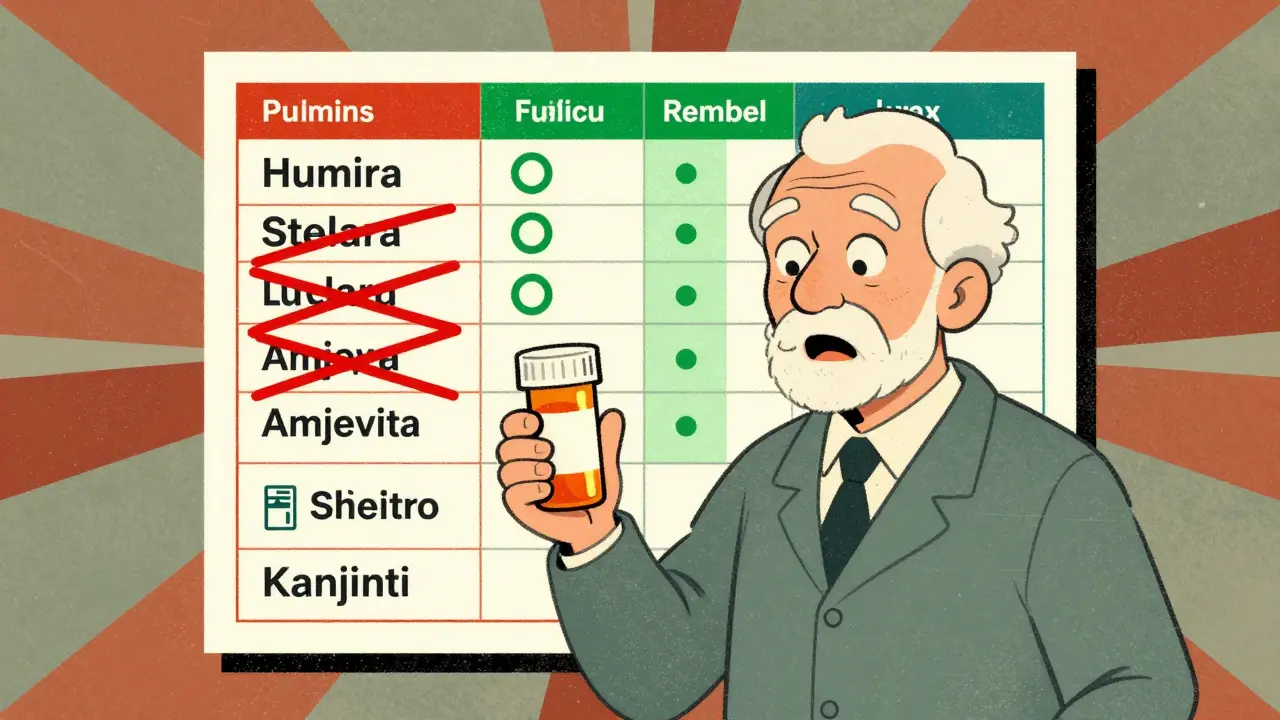
Understand how 2025 Medicare Part D formulary updates are forcing generic and biosimilar switches, what drugs are affected, and how to protect your coverage before January 1.
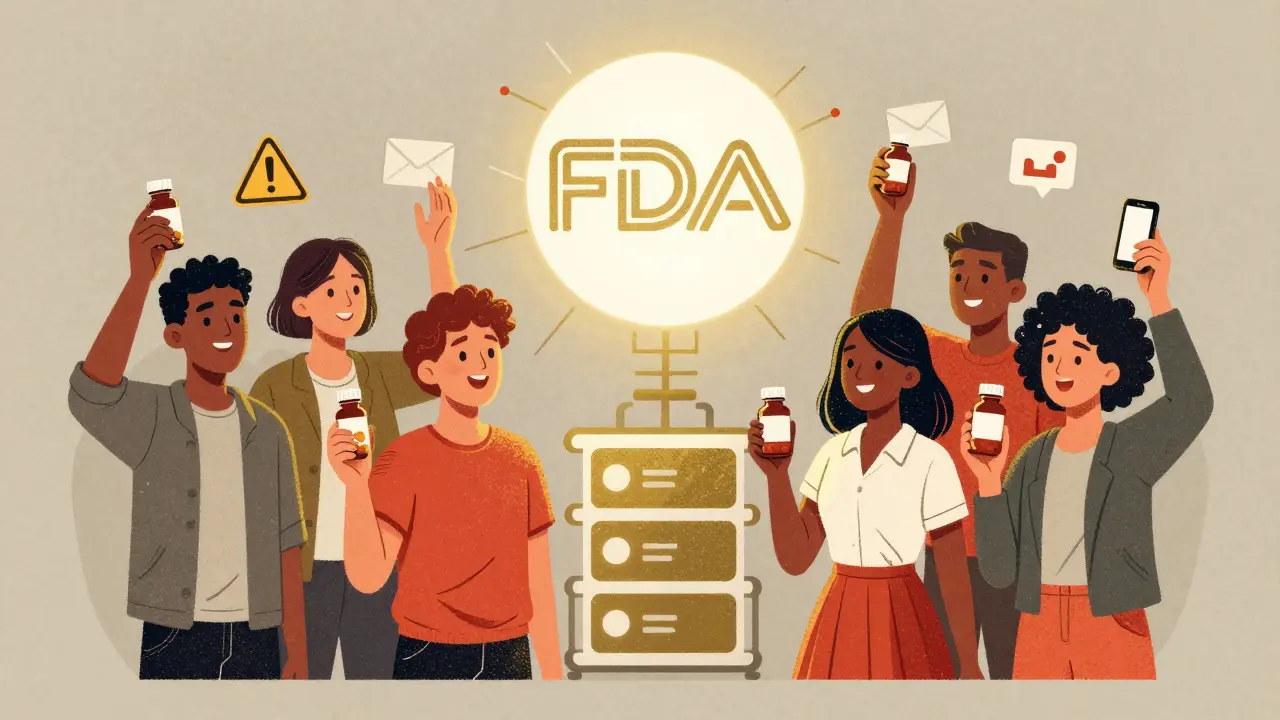
Learn how to stay informed about FDA drug recalls and safety alerts. Get practical steps to sign up for alerts, report side effects, and protect yourself from dangerous medications.
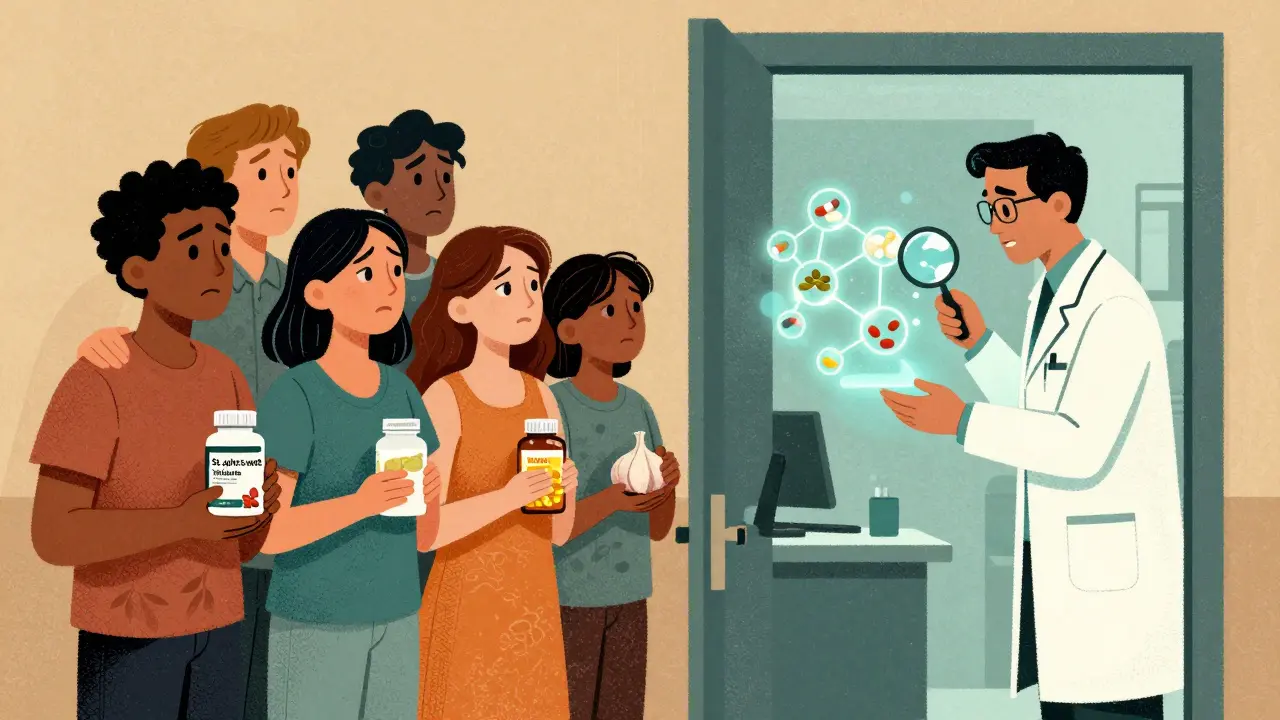
Most people don't tell their doctors about dietary supplements-even though they can interact dangerously with medications. Learn why full disclosure matters, which supplements are riskiest, and how to talk to your care team safely.
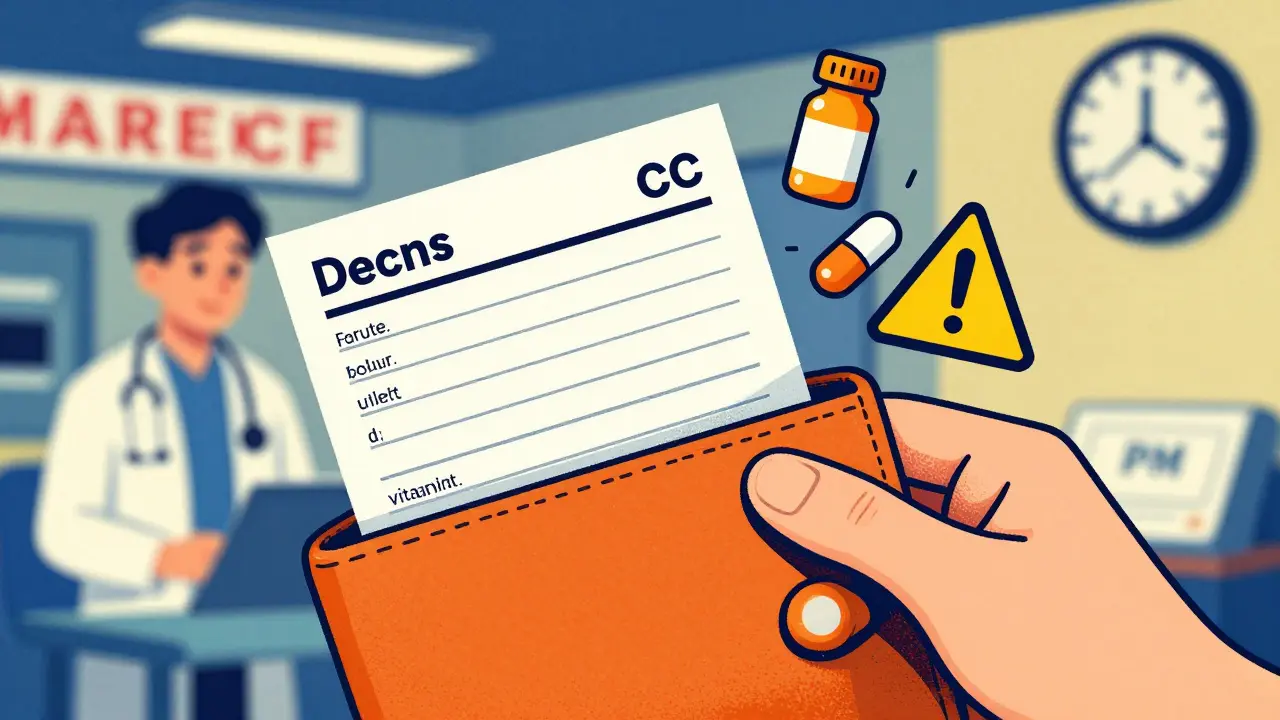
A personal medication list saves lives by preventing dangerous drug interactions. Learn exactly what to include-prescriptions, OTC drugs, supplements, allergies-and how to keep it updated for maximum safety.

Fiber supplements like psyllium help with constipation but can interfere with medications. Learn the safest timing rules to avoid reduced drug effectiveness and side effects.
Learn how to differentiate between generic and authorized generic medications to reduce prescription costs. This guide explains insurance formularies, PBM rebates, and specific questions to ask your pharmacist.

A detailed look at Chloramphenicol, its clinical uses, safety concerns, and how it stacks up against common alternatives such as Azithromycin, Ciprofloxacin, and Doxycycline.
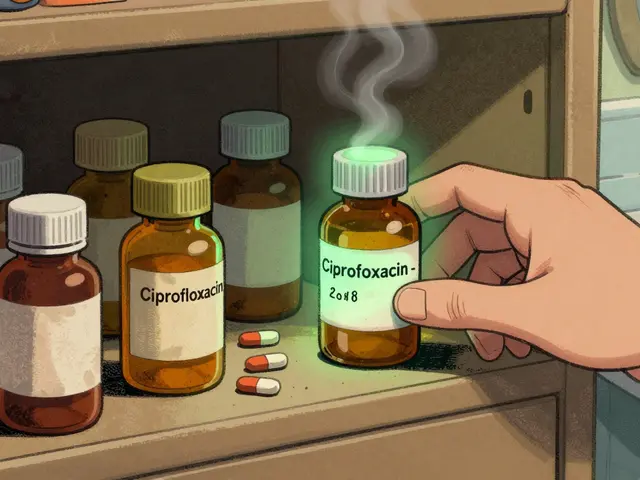
Expiration dates on medications guarantee potency, not safety. Most drugs remain effective years past their label date if stored properly-but some, like insulin and EpiPens, degrade dangerously fast. Know which ones to toss and which are still safe.
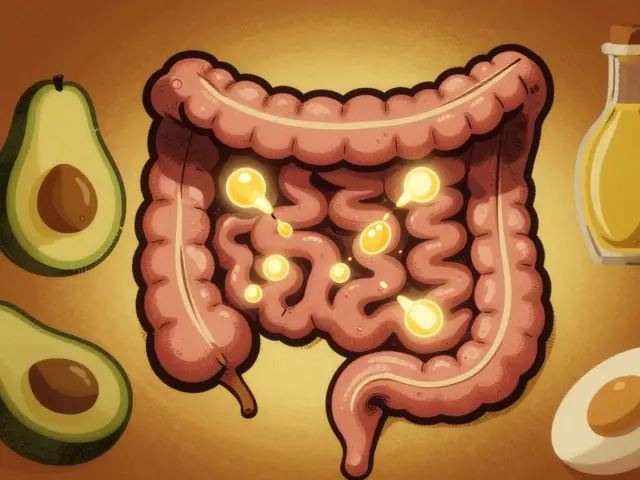
Fatty foods enhance absorption of lipid-based medications by triggering bile release and forming micelles that carry poorly soluble drugs into the bloodstream. This food effect improves bioavailability by up to 300% for certain drugs.

Learn how to buy Naprosyn online in the UK, discover safe pharmacies, current regulations, and key tips for purchasing Naproxen online in 2025.