
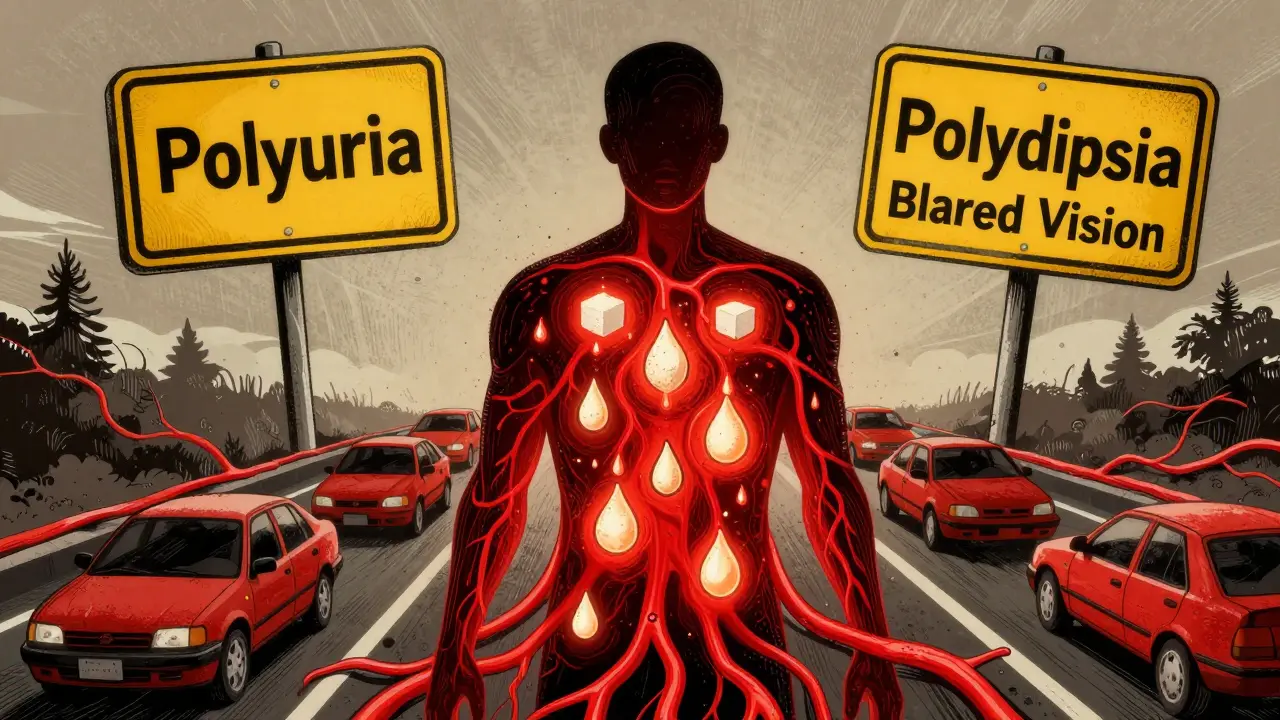
Learn the early and emergency symptoms of hyperglycemia, how to tell the difference between DKA and HHS, and what steps to take when blood sugar spikes dangerously high. This guide gives clear, actionable advice for managing high blood sugar before it becomes life-threatening.

Jet lag and delayed sleep phase disorder disrupt your body's internal clock, leading to chronic fatigue and health risks. Learn how light, melatonin, and consistency can reset your rhythm-backed by science.
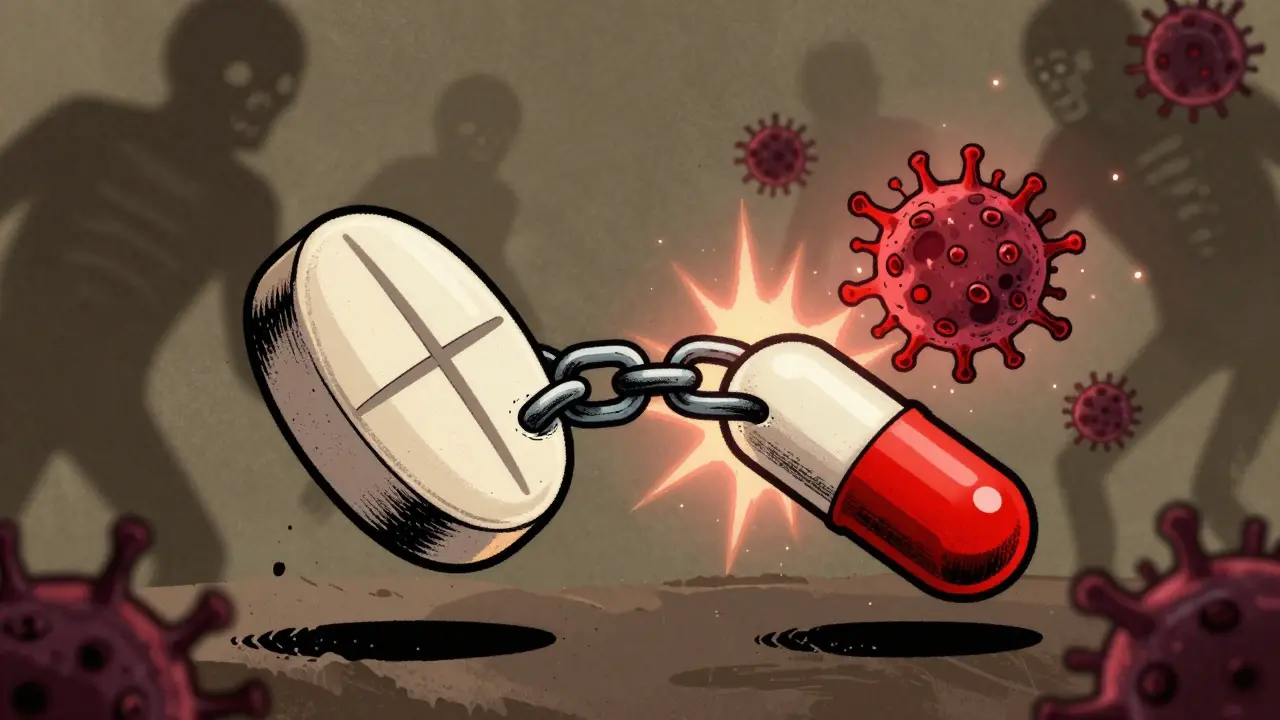
Calcium and iron supplements can block antibiotics, thyroid meds, and heartburn pills from working. Learn how to time your supplements so your medications actually work-and avoid hidden health risks.
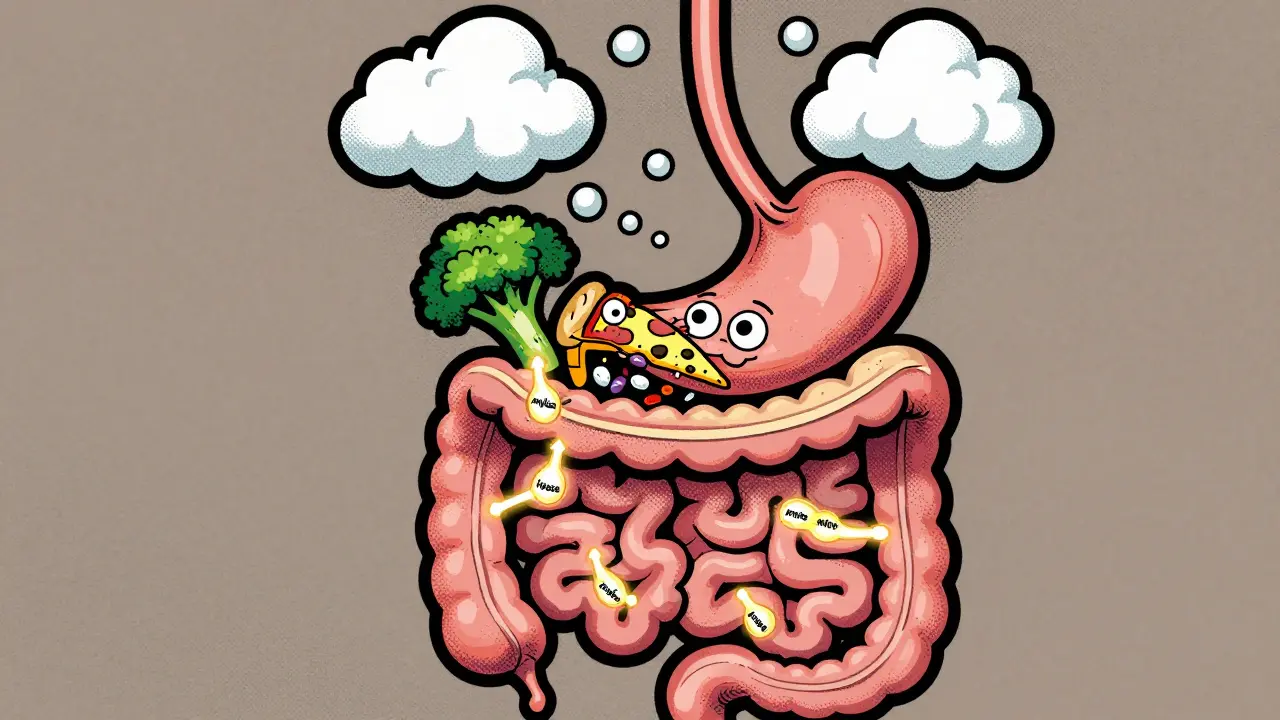
Digestive enzyme supplements can help with specific GI conditions like EPI or lactose intolerance, but aren't a cure-all. Learn when they work, which ones to choose, and when to see a doctor instead.
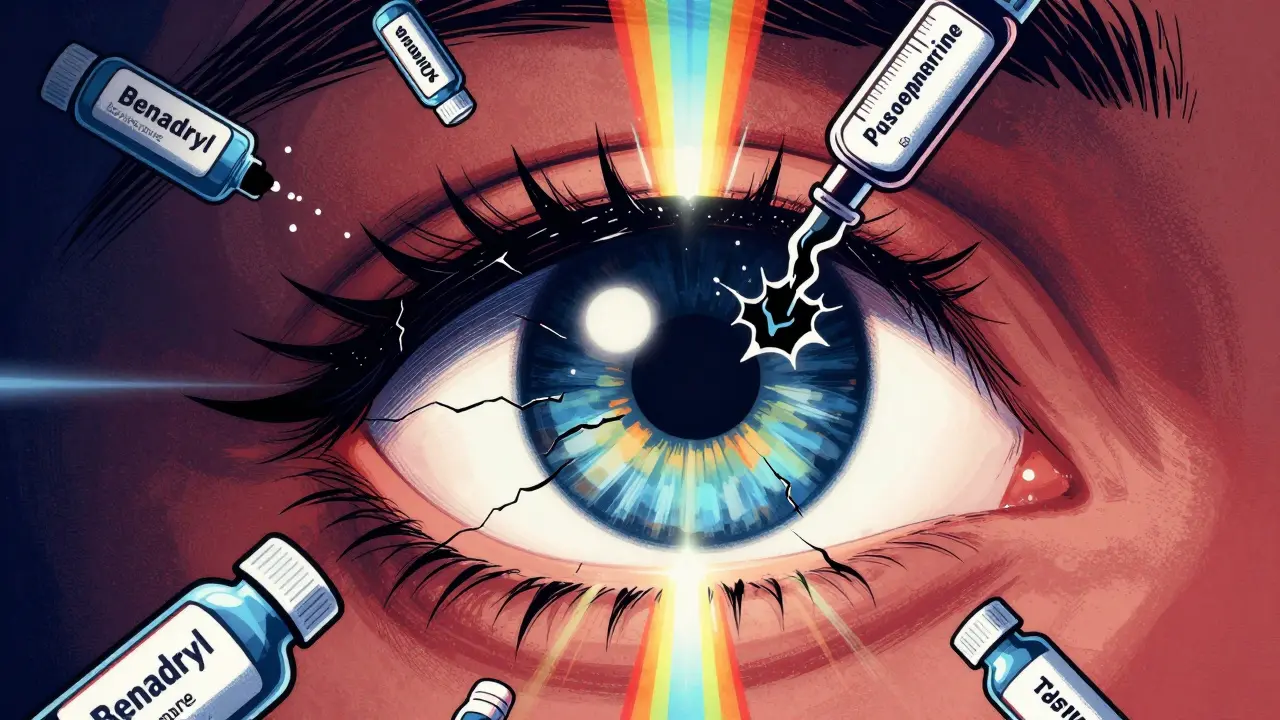
Medication-induced acute angle-closure glaucoma is a sudden, sight-threatening eye emergency triggered by common drugs like decongestants, antihistamines, and antidepressants. Learn who's at risk, which meds cause it, and how to prevent permanent vision loss.
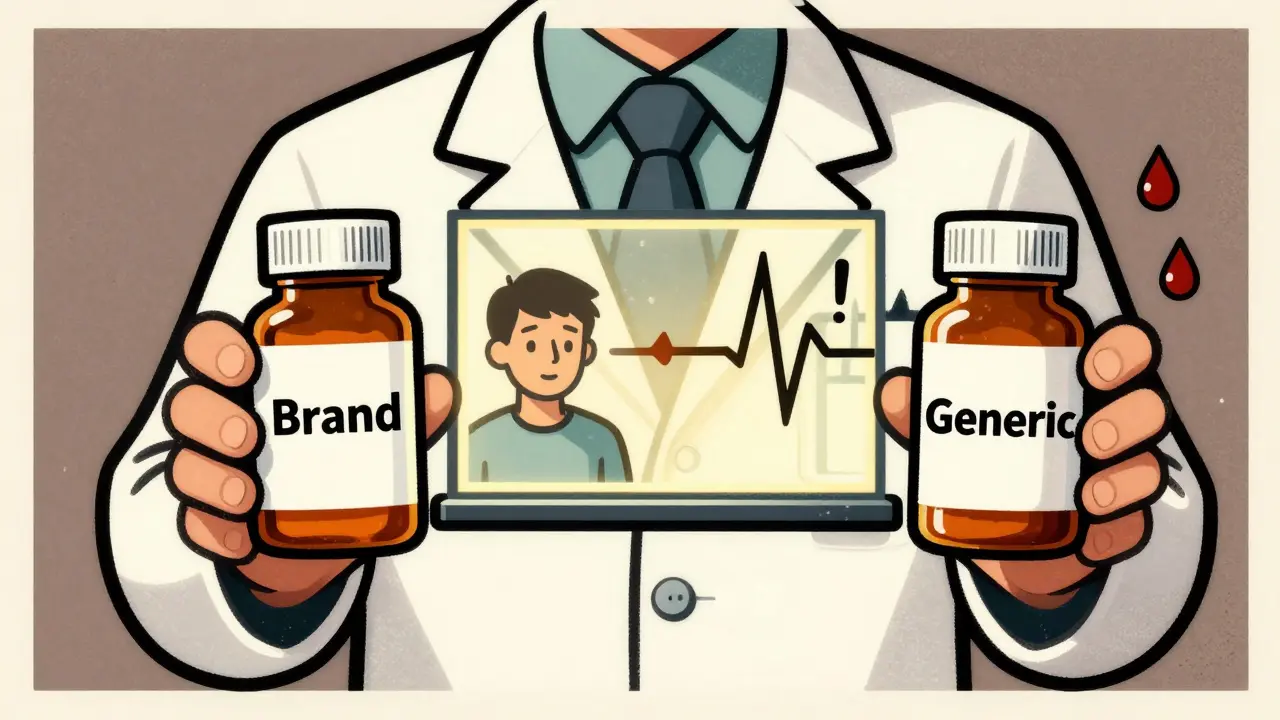
Switching to generic medications can be safe - but for drugs with a narrow therapeutic index, even small changes in absorption can cause serious effects. Learn when dose adjustments are needed and how to protect yourself.
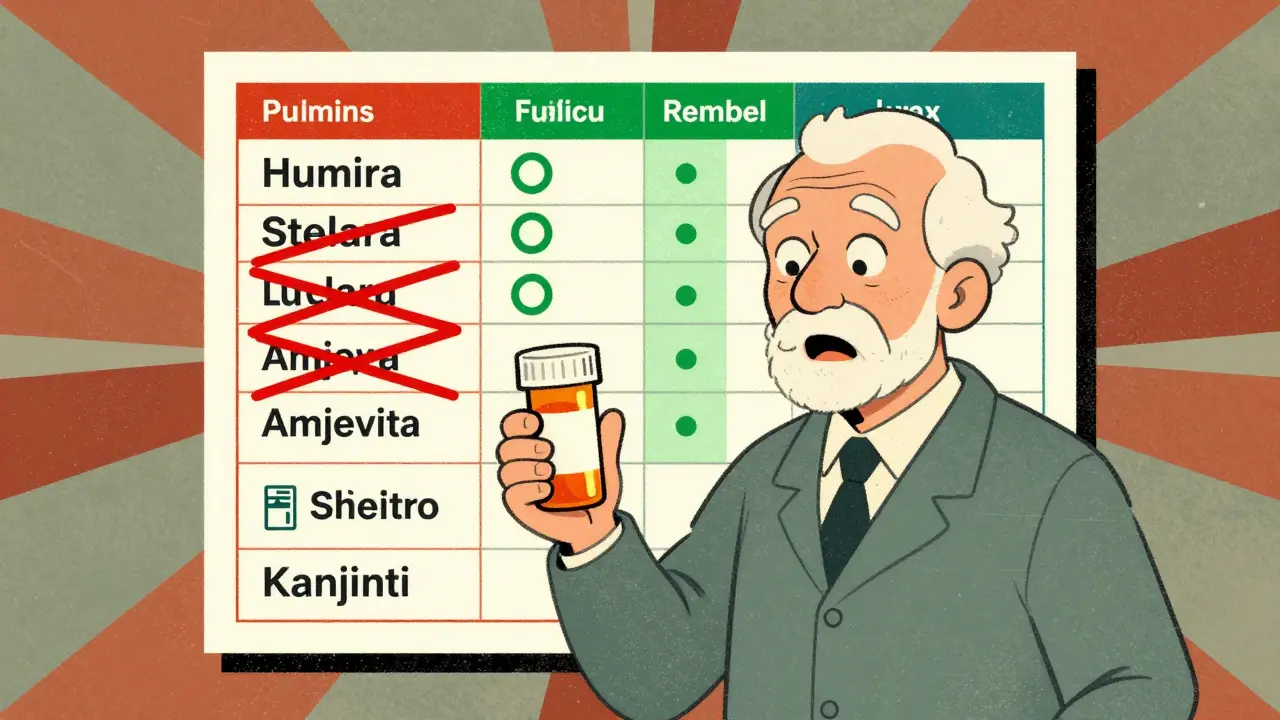
Understand how 2025 Medicare Part D formulary updates are forcing generic and biosimilar switches, what drugs are affected, and how to protect your coverage before January 1.
Learn how to stay informed about FDA drug recalls and safety alerts. Get practical steps to sign up for alerts, report side effects, and protect yourself from dangerous medications.
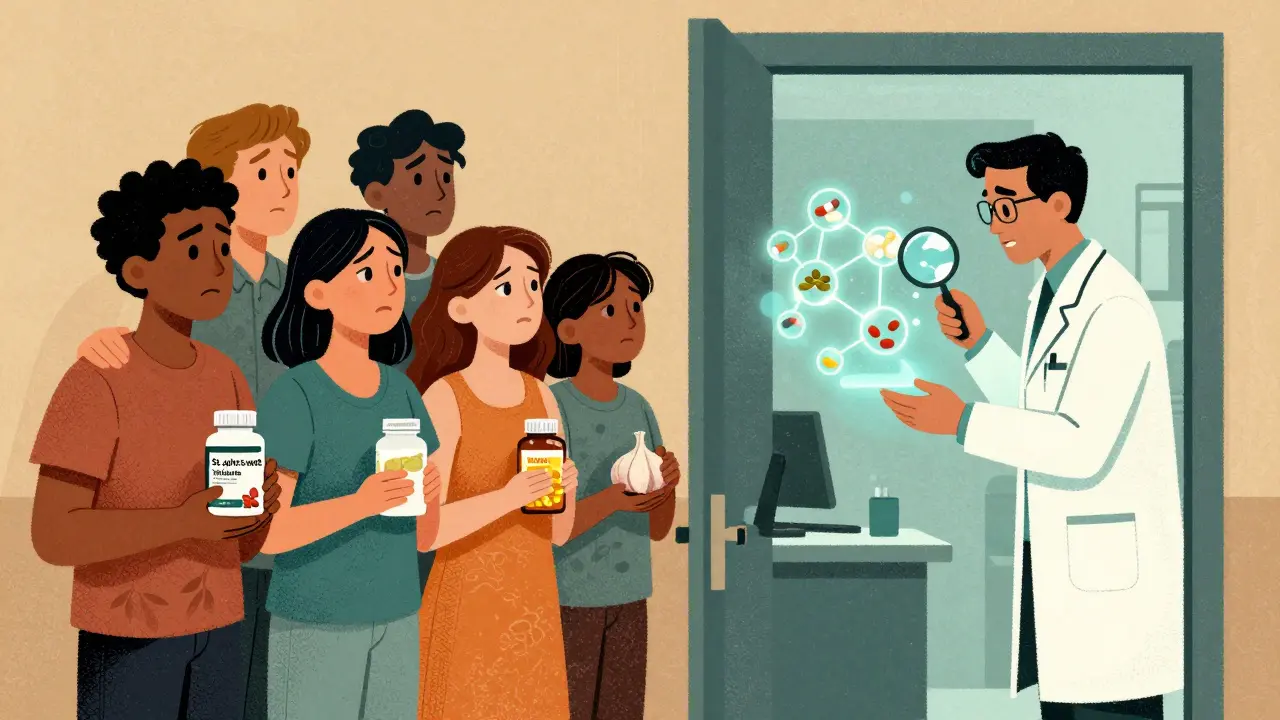
Most people don't tell their doctors about dietary supplements-even though they can interact dangerously with medications. Learn why full disclosure matters, which supplements are riskiest, and how to talk to your care team safely.
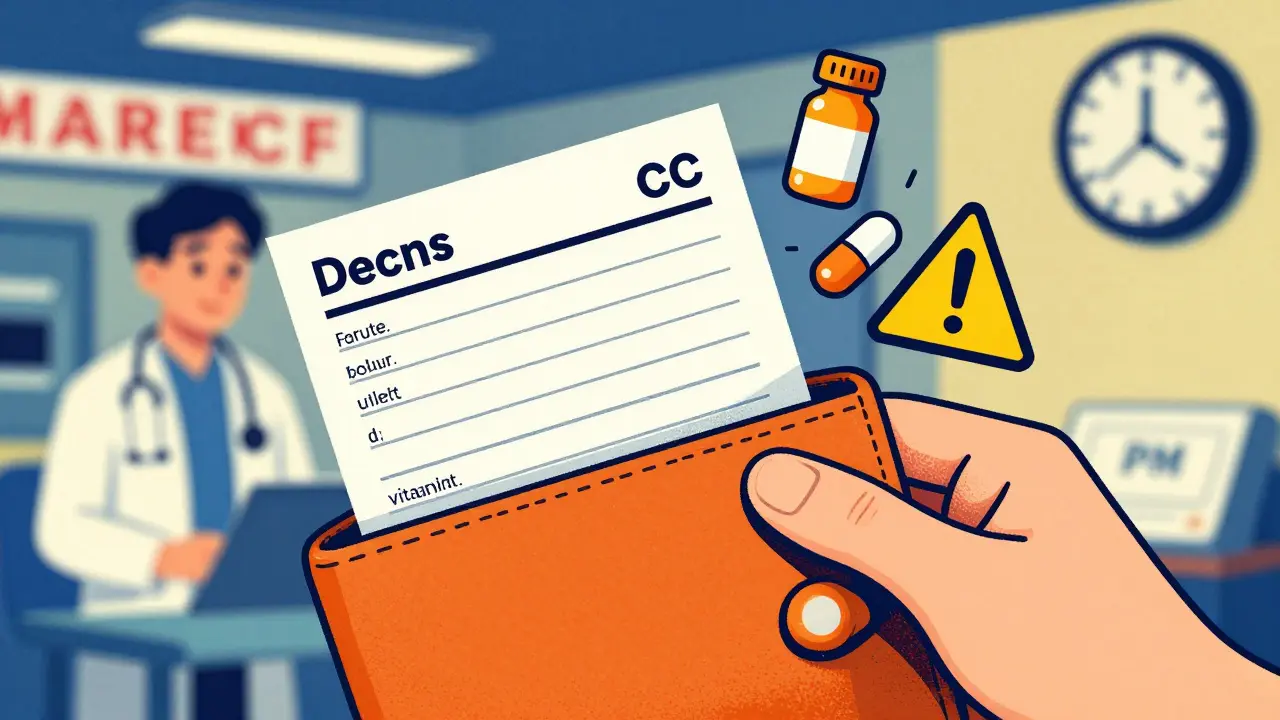
A personal medication list saves lives by preventing dangerous drug interactions. Learn exactly what to include-prescriptions, OTC drugs, supplements, allergies-and how to keep it updated for maximum safety.

Fiber supplements like psyllium help with constipation but can interfere with medications. Learn the safest timing rules to avoid reduced drug effectiveness and side effects.

Learn how to report adverse drug reactions to the FDA's MedWatch program. Understand what counts as reportable, how to fill out the form, and why your report matters for drug safety.

Discover seven effective alternatives to Diclofenac in 2025. Each option is explored in terms of benefits and drawbacks, offering insight into modern pain management methods. Learn the unique features of each alternative, including their impacts on different types of pain and side effects. Whether you're managing chronic pain or seeking a safer medication, this guide provides valuable information for better health decisions.

Learn the early and emergency symptoms of hyperglycemia, how to tell the difference between DKA and HHS, and what steps to take when blood sugar spikes dangerously high. This guide gives clear, actionable advice for managing high blood sugar before it becomes life-threatening.
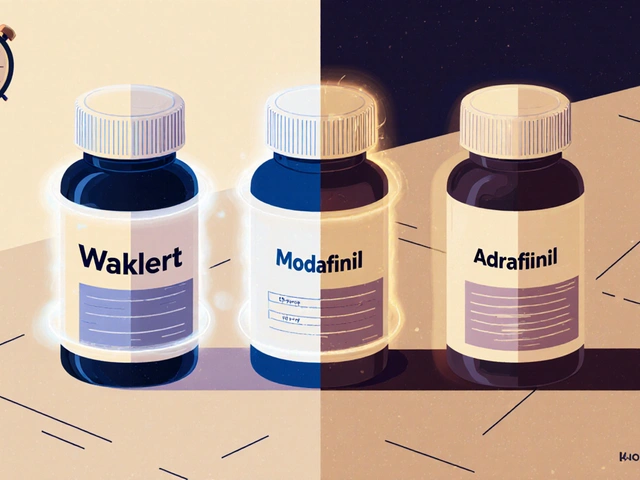
Compare Waklert (armodafinil) with modafinil, Adrafinil, Adderall, and natural alternatives to find the safest, most effective option for focus and alertness. Learn what works, what doesn’t, and why.

Hepatitis A spreads easily through contaminated food, often from infected workers who don’t wash their hands. Learn how it’s transmitted, what to do after exposure, and how vaccines and hygiene can stop outbreaks before they start.
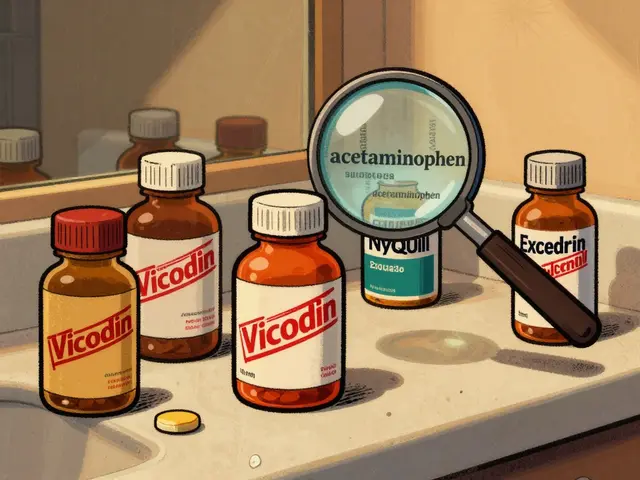
Acetaminophen combination products like Vicodin and Percocet can cause silent liver damage when taken with other meds. Learn how to avoid overdose, recognize risks, and use safer pain management strategies.