

Vascular, frontotemporal, and Lewy body dementia are three distinct brain disorders with different causes, symptoms, and treatments. Knowing the difference can prevent dangerous misdiagnoses and improve care.
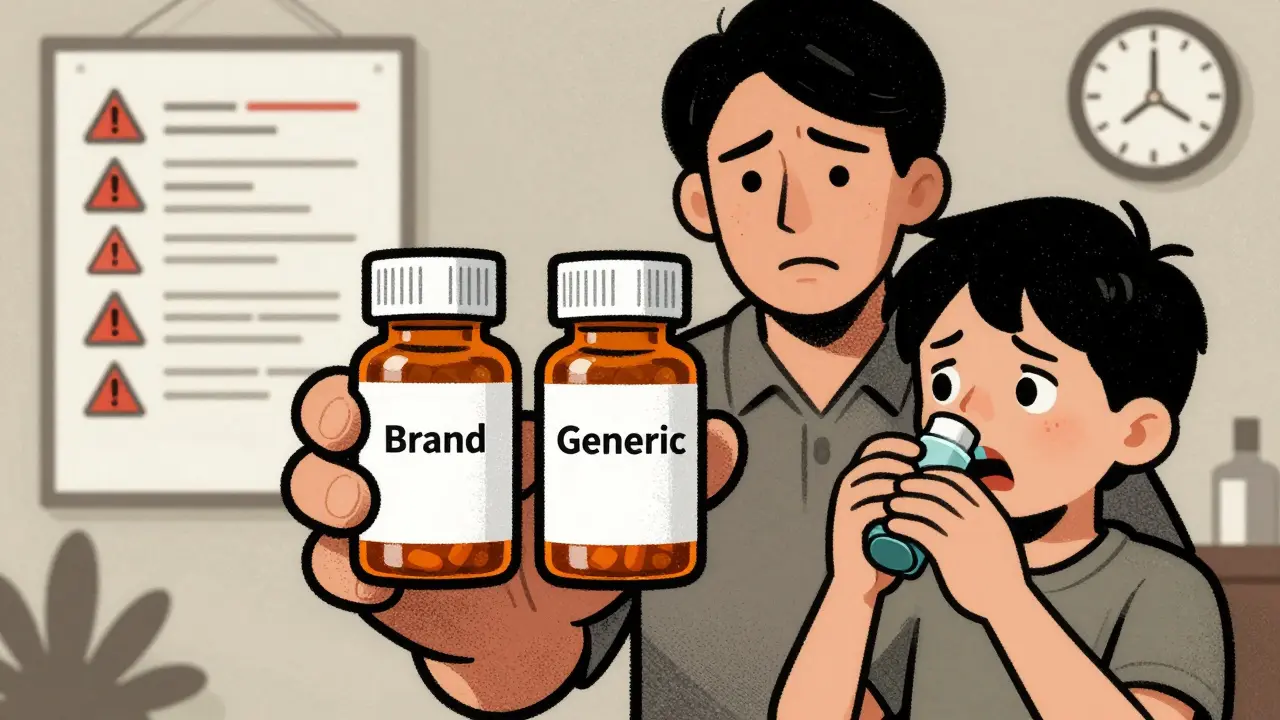
Switching children to generic medications can save money-but it can also risk their health. Learn why pediatric patients are uniquely vulnerable to changes in drug formulations, how insurance policies drive unsafe switches, and what parents and doctors must do to protect kids on chronic meds.
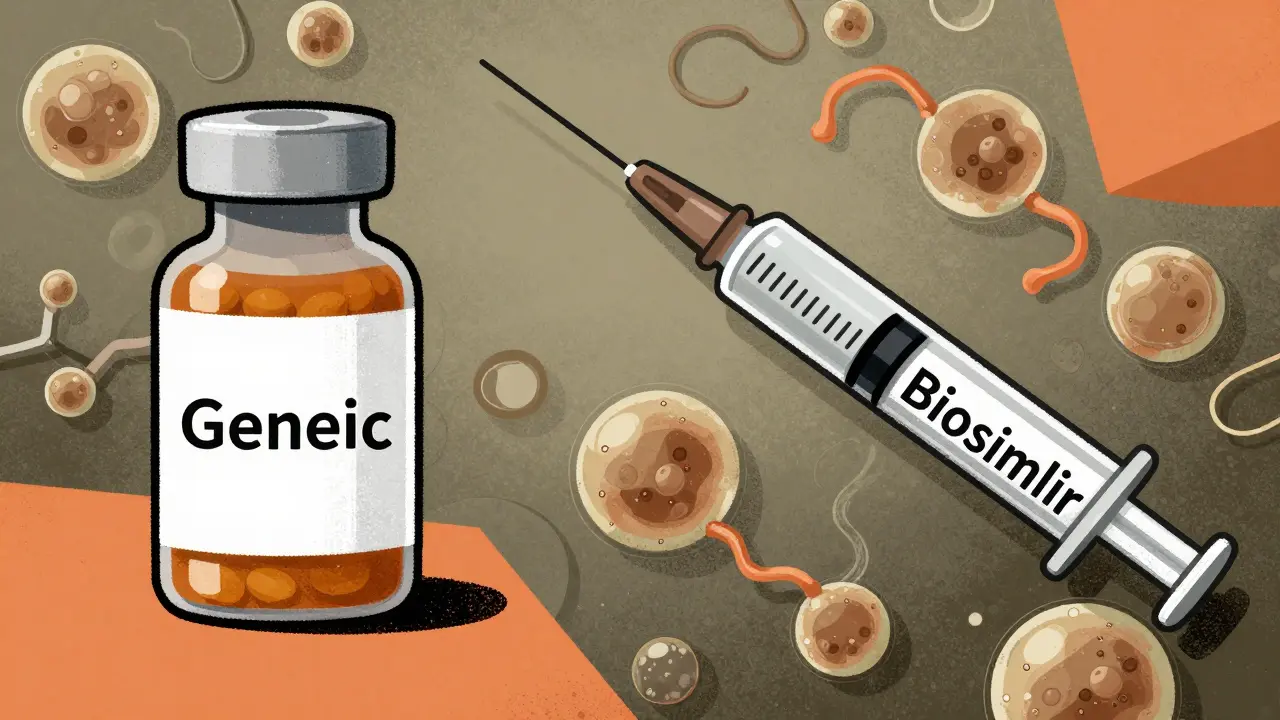
Biosimilars are the closest thing to generics for complex biologic drugs. They're highly similar, FDA-approved, and can save patients up to 60% on costs. Learn how they work, why they're not exact copies, and how to use them safely.
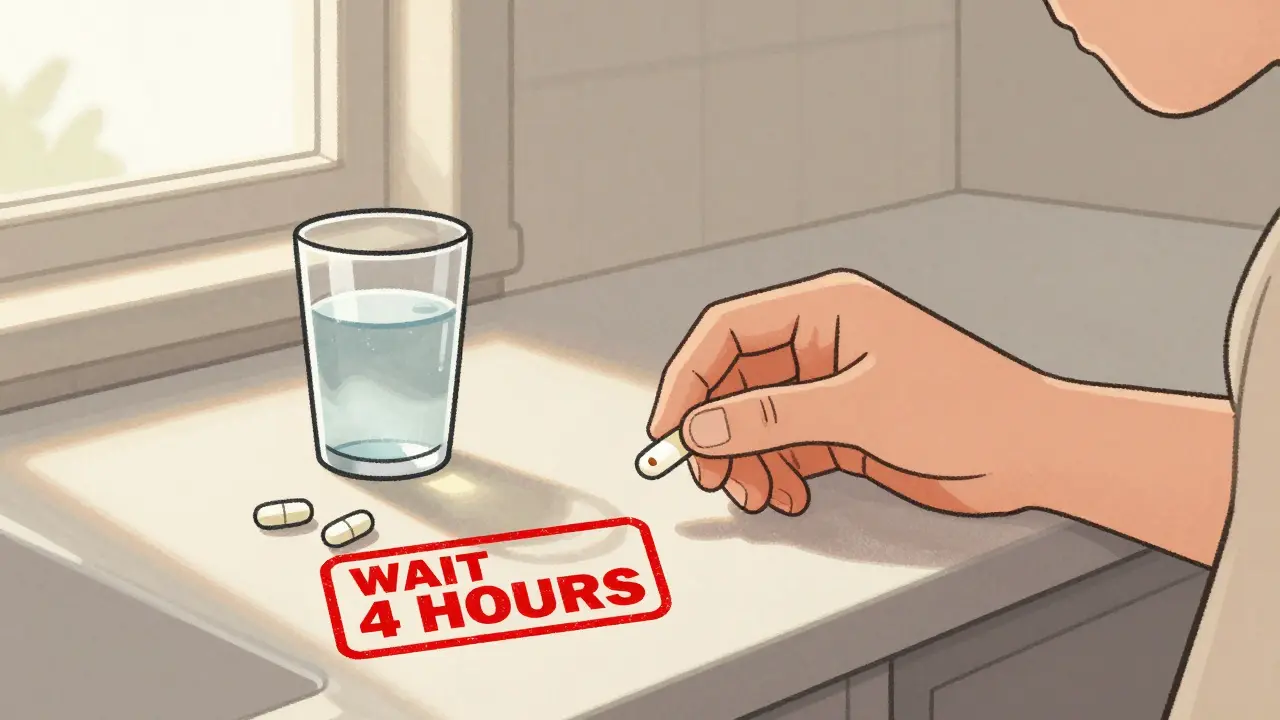
Learn how to properly separate levothyroxine from iron and calcium supplements to ensure your thyroid medication works effectively. Avoid dangerous interactions with clear timing rules and practical tips.

Lithium carbonate generics require careful serum level monitoring due to their narrow therapeutic index. Switching brands can alter blood levels, risking toxicity or relapse. Learn how formulation differences, dosing timing, and kidney function affect safety and effectiveness.

Bronchiectasis causes chronic cough and mucus buildup, leading to frequent infections. Daily airway clearance and targeted antibiotics can break this cycle, slow lung damage, and improve quality of life - even if the condition can't be cured.
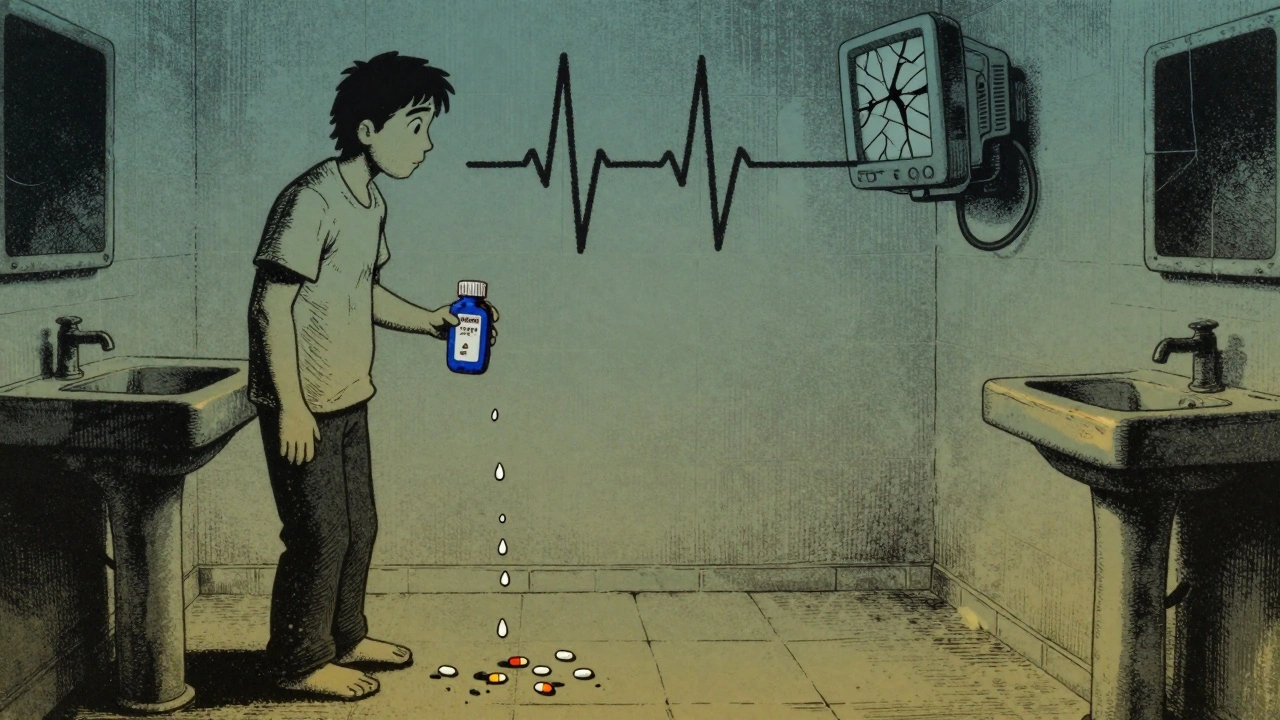
Loperamide, found in OTC antidiarrheals like Imodium, is being misused by people trying to self-treat opioid withdrawal. At high doses, it causes life-threatening heart rhythms and can be fatal. Learn the warning signs and why this isn't just another drug trend.
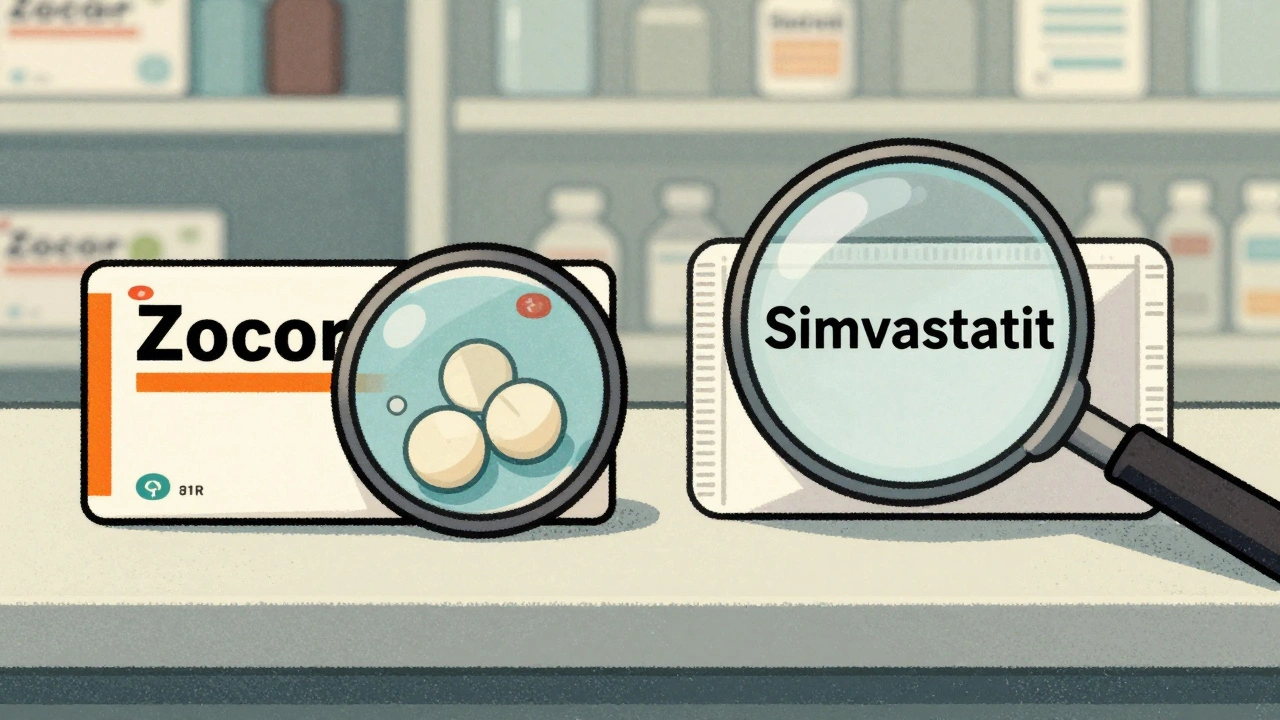
Authorized generics are the exact same drug as the brand-name version, made by the same company, but sold under a generic label. Learn how they work, why they exist, and how to spot them to save money without sacrificing quality.
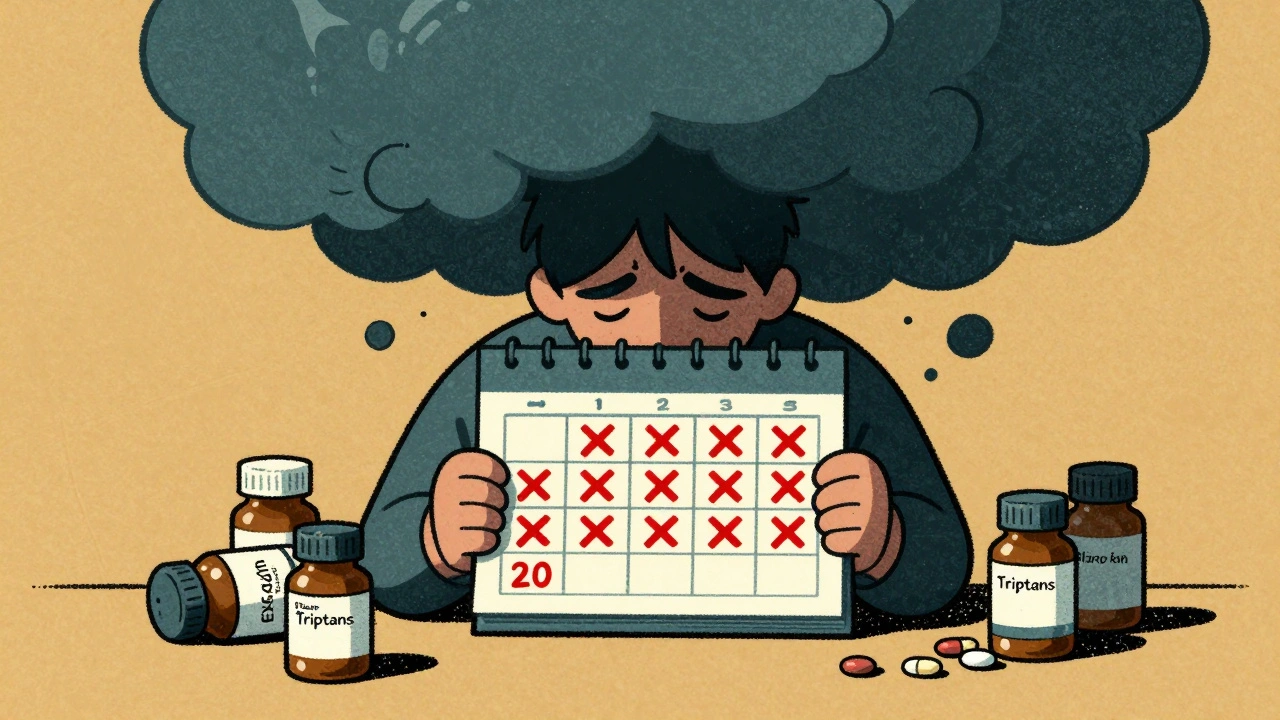
Medication overuse headaches are a hidden cause of chronic pain, triggered by too-frequent use of common painkillers. Learn how to identify them, safely stop the cycle, and find lasting relief with proven treatments.
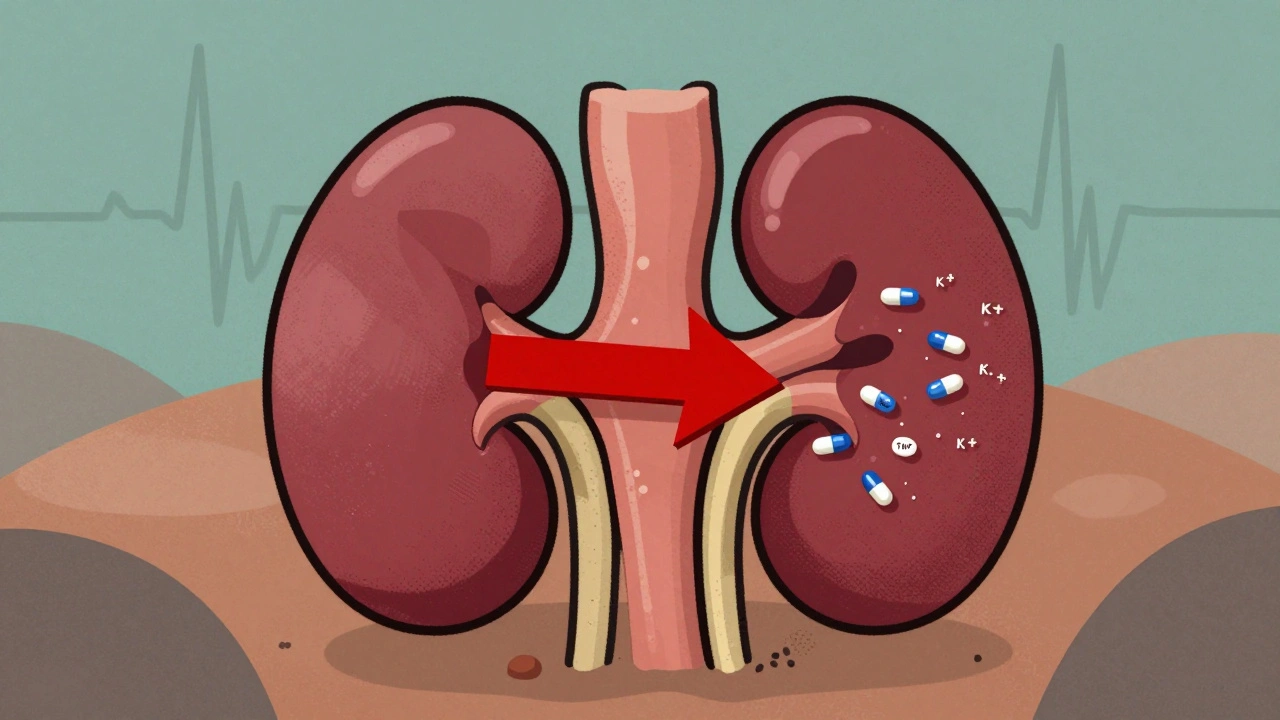
Trimethoprim can cause dangerous spikes in potassium levels, especially in older adults or those on blood pressure meds. Learn who's at risk, how to prevent life-threatening hyperkalemia, and safer antibiotic alternatives.
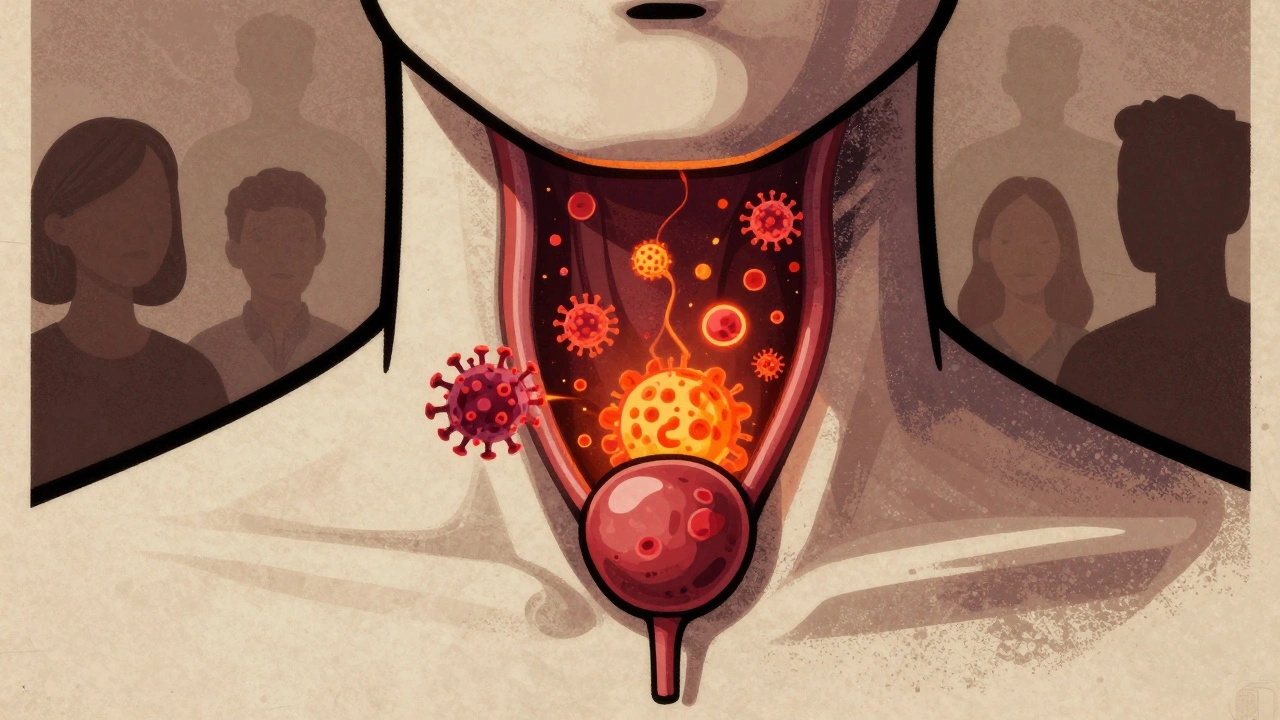
HPV causes thousands of throat and anal cancers each year in the U.S., with rising rates among men. Vaccination is the most effective way to prevent these cancers - yet coverage remains too low. Learn how HPV leads to cancer and what you can do to stop it.
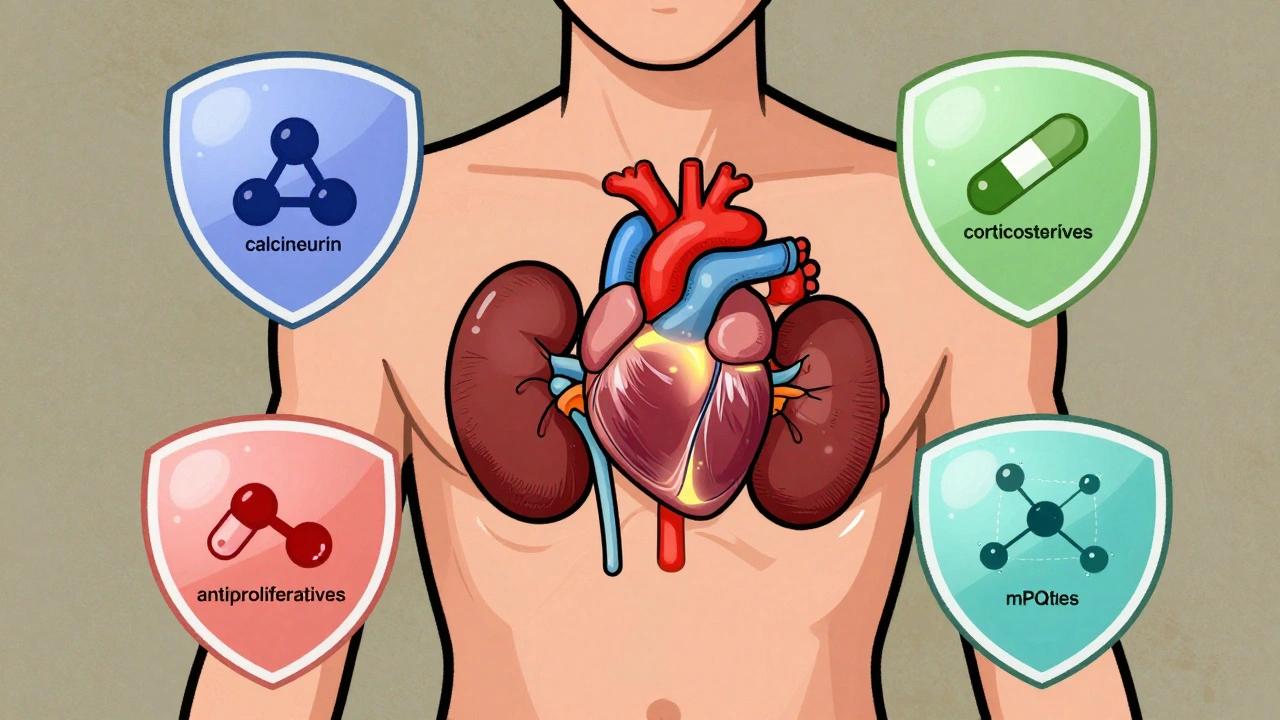
Immunosuppressants prevent organ rejection after transplant but carry serious risks like infection, cancer, and kidney damage. Learn how to manage these drugs safely, avoid missed doses, and reduce long-term side effects.

Current evidence shows gabapentin and pregabalin may increase risks of preterm birth, heart defects, and neonatal withdrawal in pregnancy. Safer alternatives exist, and careful monitoring is essential if these drugs are used.
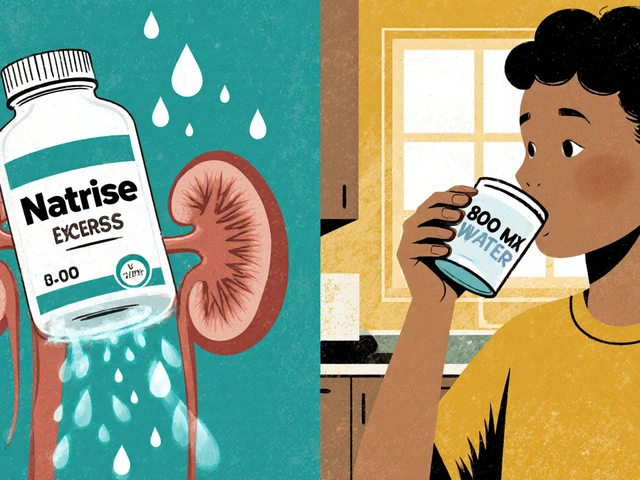
Natrise (tolvaptan) raises sodium levels fast but carries liver risks and high costs. Learn how fluid restriction, urea, demeclocycline, and salt tablets compare as safer, cheaper alternatives for hyponatremia.

Fatty foods enhance absorption of lipid-based medications by triggering bile release and forming micelles that carry poorly soluble drugs into the bloodstream. This food effect improves bioavailability by up to 300% for certain drugs.
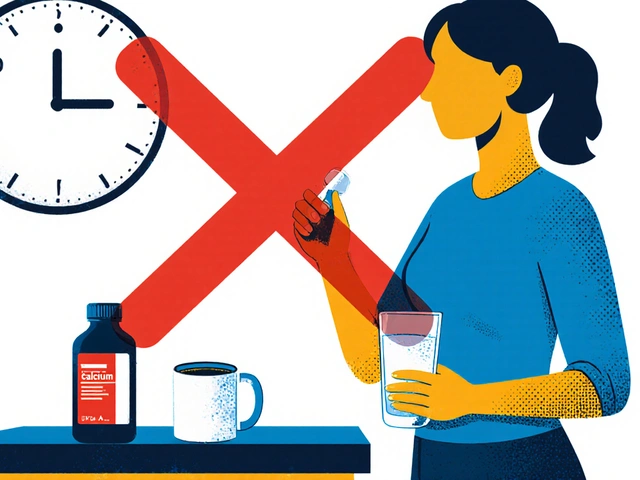
Learn how to take calcium supplements and bisphosphonates correctly to avoid absorption problems. Follow exact timing rules to maximize osteoporosis treatment and prevent fractures.

Explore why genotype 3 hepatitis C often causes stubborn fatigue, the biological reasons behind it, and practical steps to manage and recover from this symptom.