
Over half of patients with chronic conditions skip or forget their medications due to cost, confusion, complex schedules, and fear of side effects. Understanding these barriers is the first step to better health outcomes.
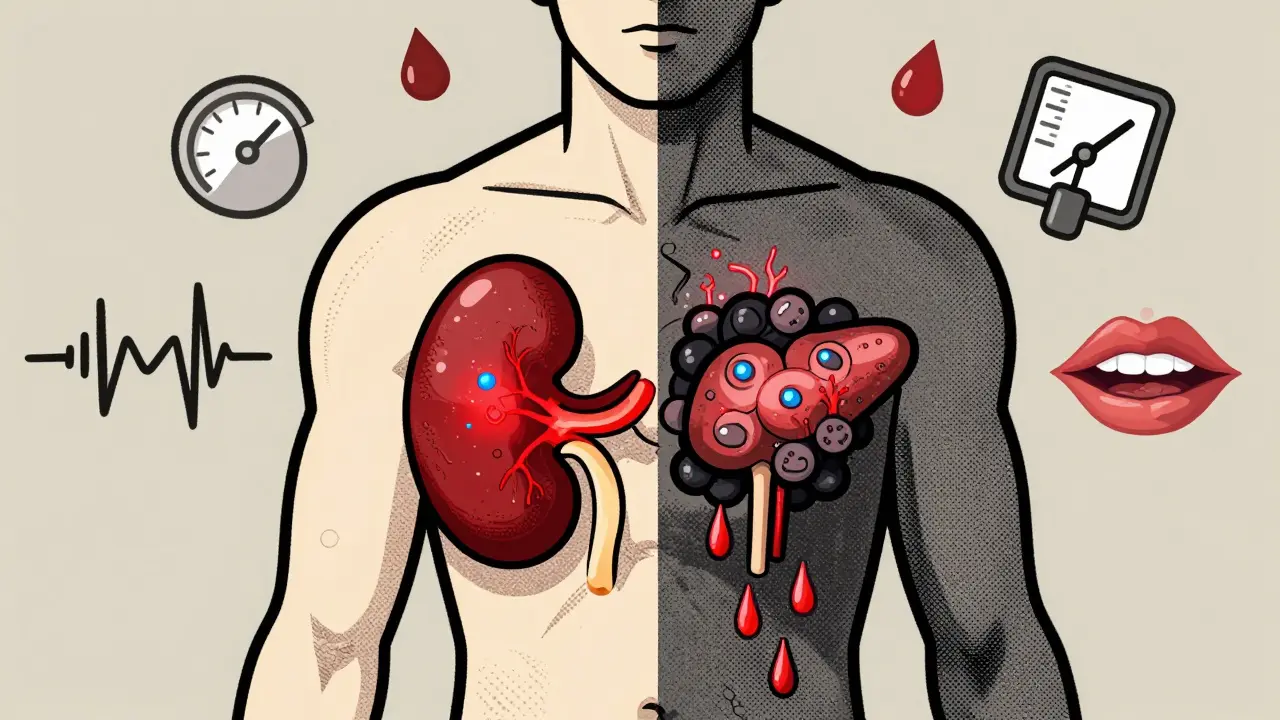
Cyclosporine and tacrolimus are essential for transplant patients but come with serious side effects like kidney damage, tremors, and diabetes. Learn how these drugs compare, what to watch for, and how doctors are now reducing their use to improve long-term health.
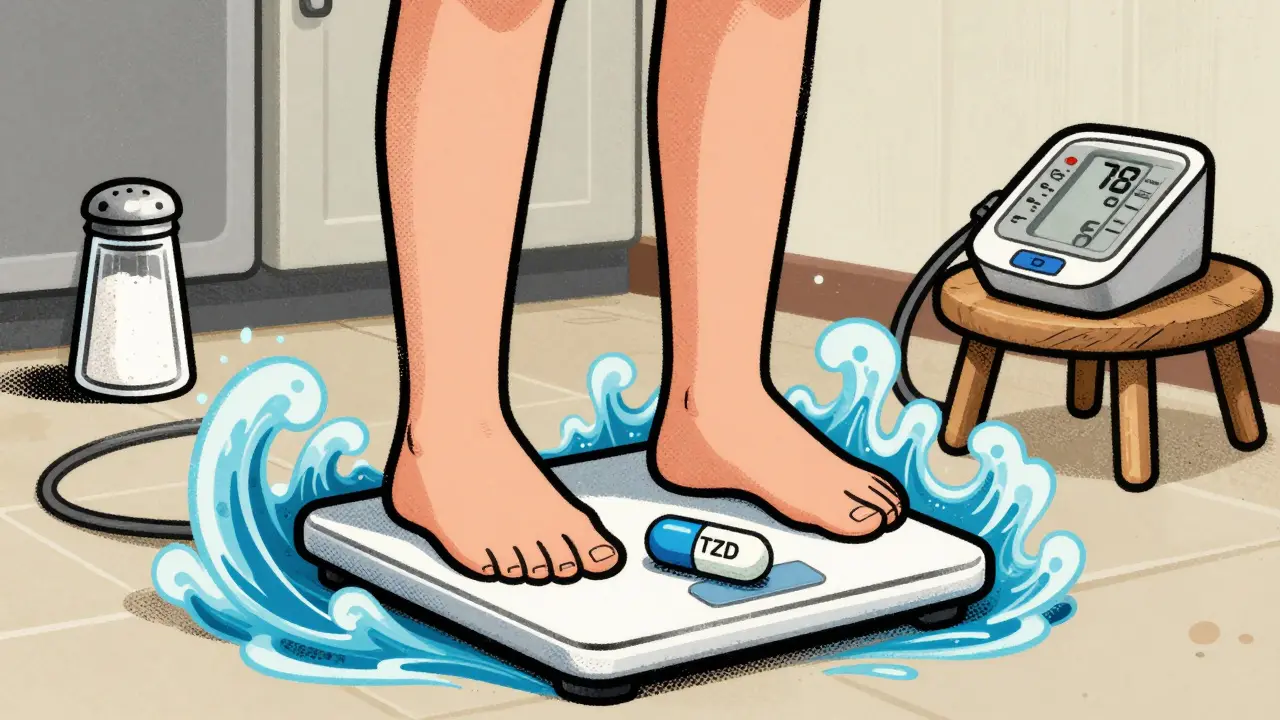
TZDs like pioglitazone help control blood sugar but often cause weight gain and swelling. Learn proven strategies to reduce fluid retention, lower doses safely, and combine with better alternatives like SGLT2 inhibitors.

Warfarin and DOACs are both blood thinners used to prevent clots, but DOACs are now preferred for most patients due to better safety, fewer interactions, and no need for regular blood tests. Learn the key differences and what to do in an emergency.
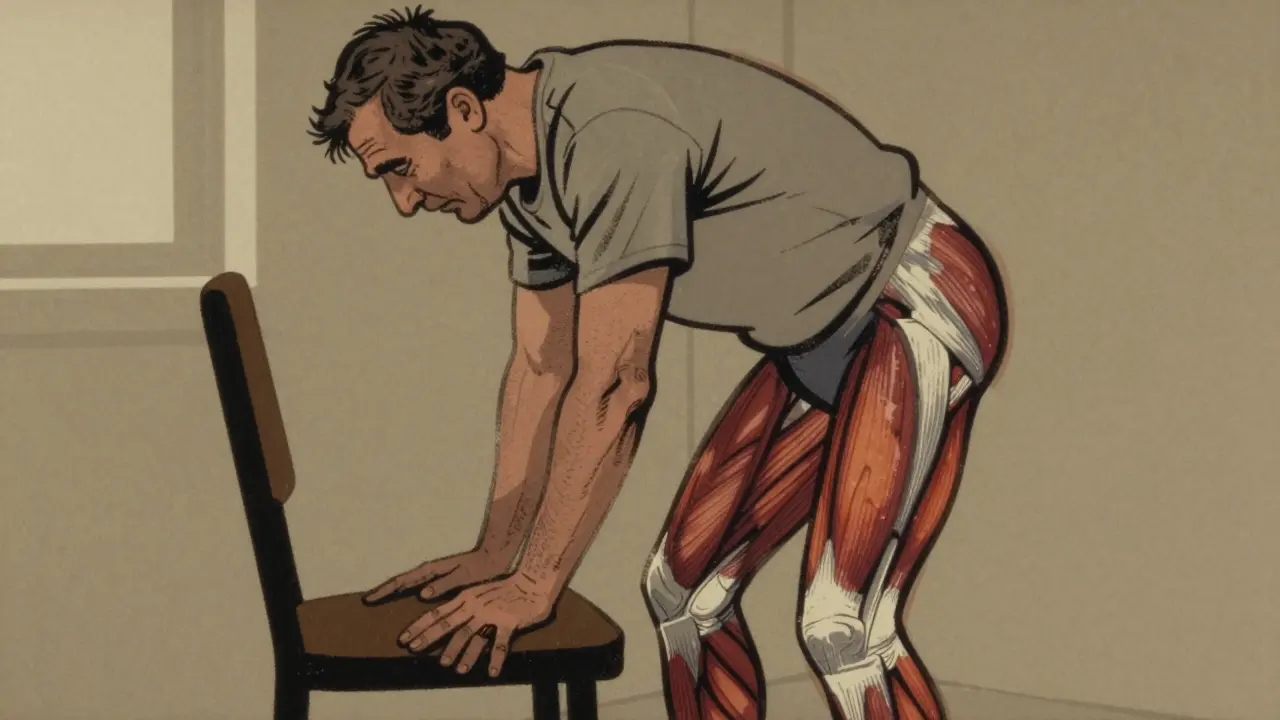
Steroid myopathy causes painless, progressive muscle weakness in people on long-term corticosteroids. Learn how to recognize early signs, avoid misdiagnosis, and start safe, effective physical therapy to regain strength.
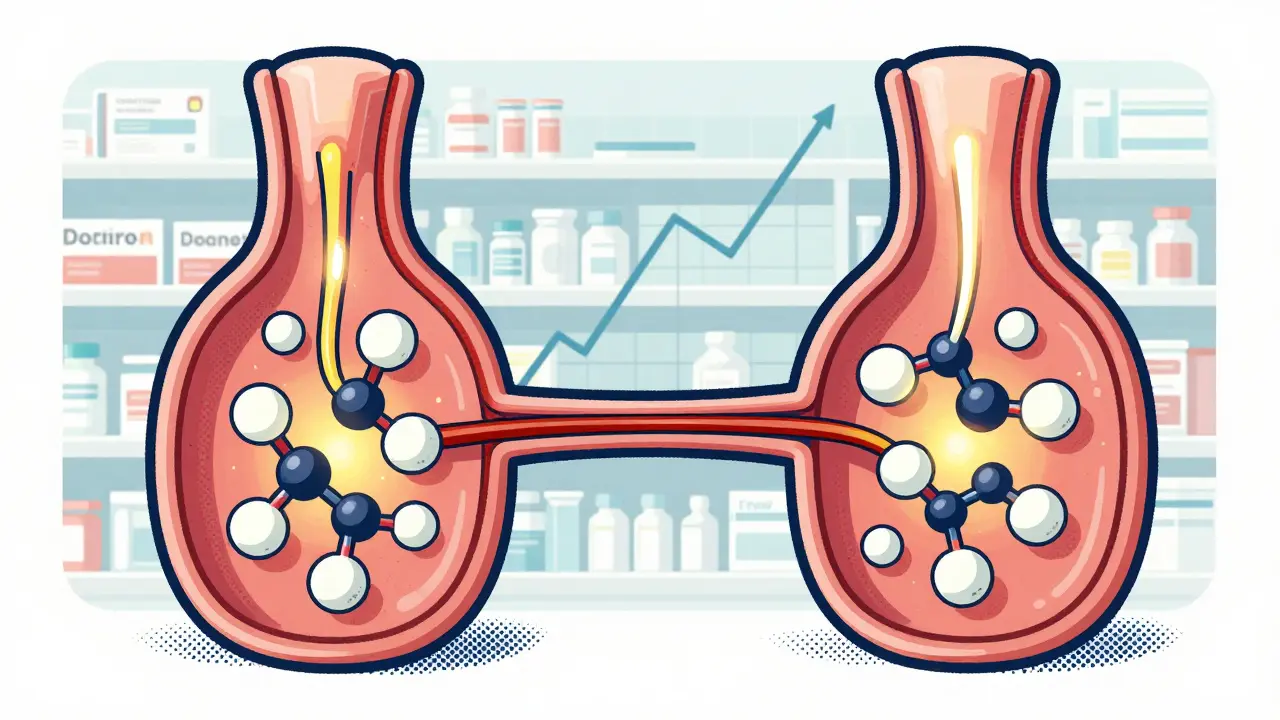
Infographics about generics help patients understand that generic drugs are just as safe and effective as brand-name versions. With clear visuals, they debunk myths, explain FDA approval, and show how generics save money-without sacrificing quality.
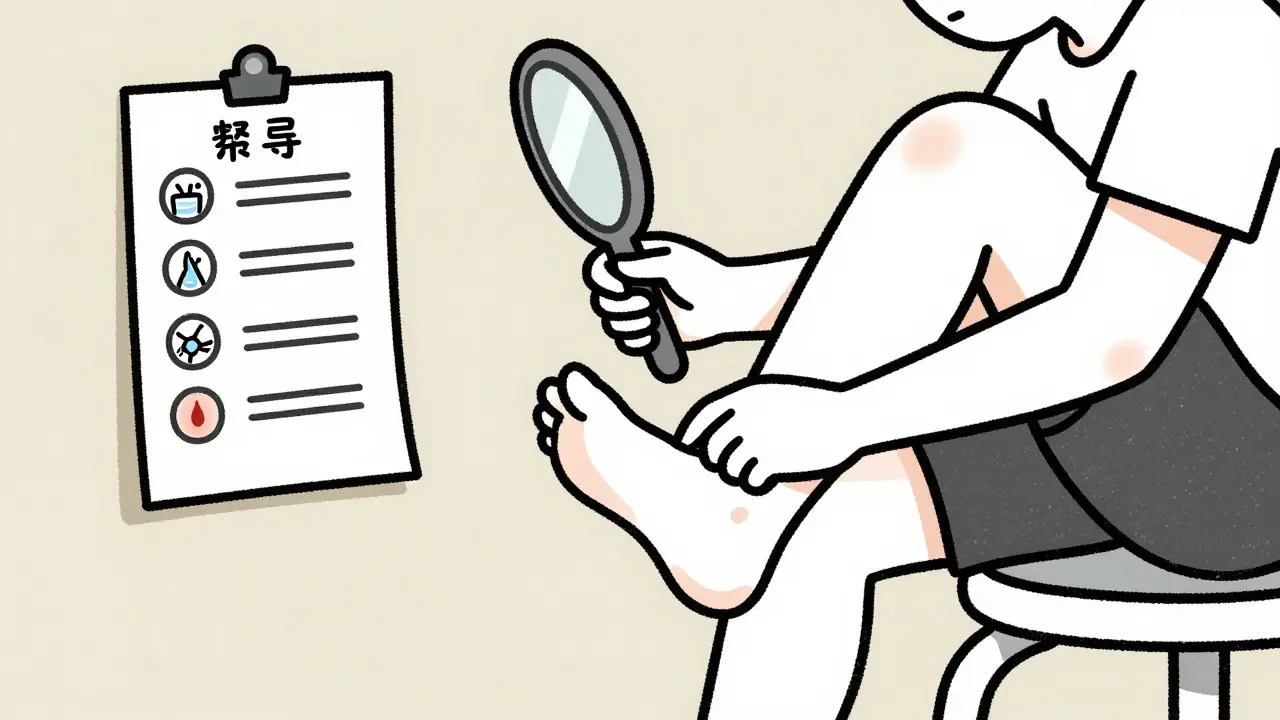
Learn the daily foot inspection checklist proven to prevent diabetic foot ulcers and avoid amputation. Follow evidence-based steps for washing, inspecting, moisturizing, and choosing safe footwear every day.
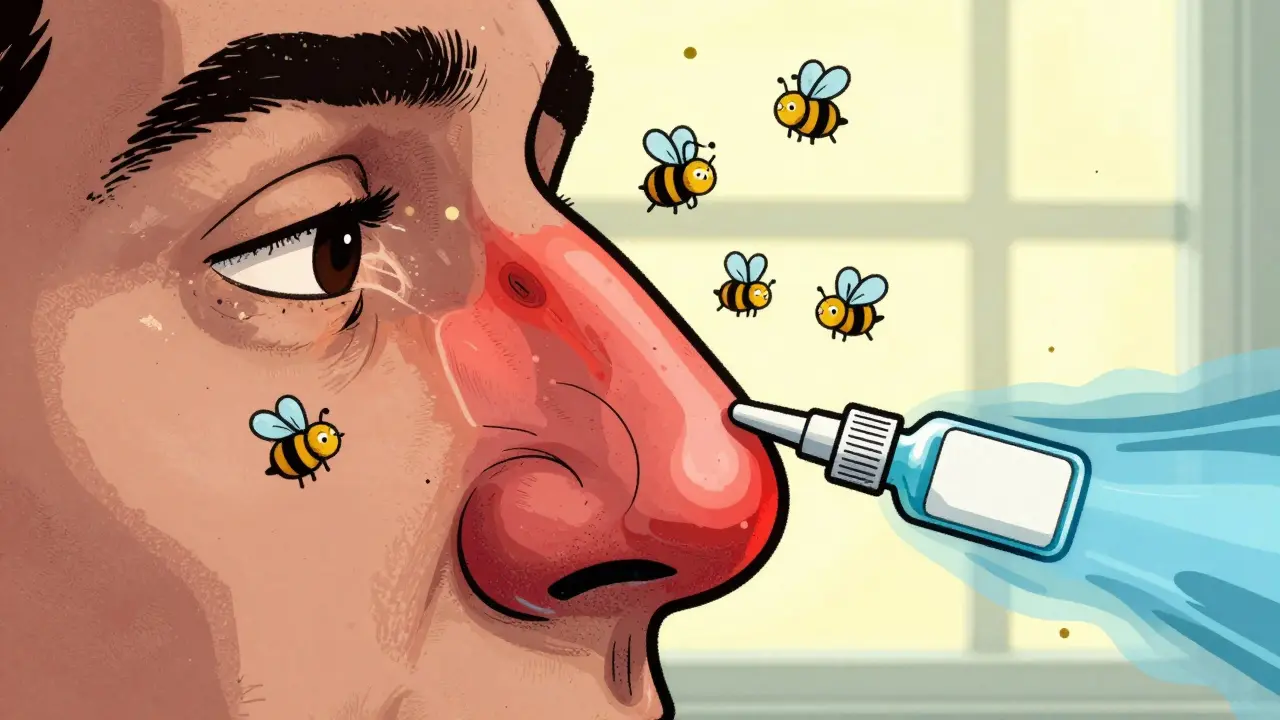
Nasal steroid sprays are the most effective treatment for allergic rhinitis, reducing inflammation to relieve congestion, sneezing, and runny nose. Learn how they work, why daily use matters, and how to use them safely.
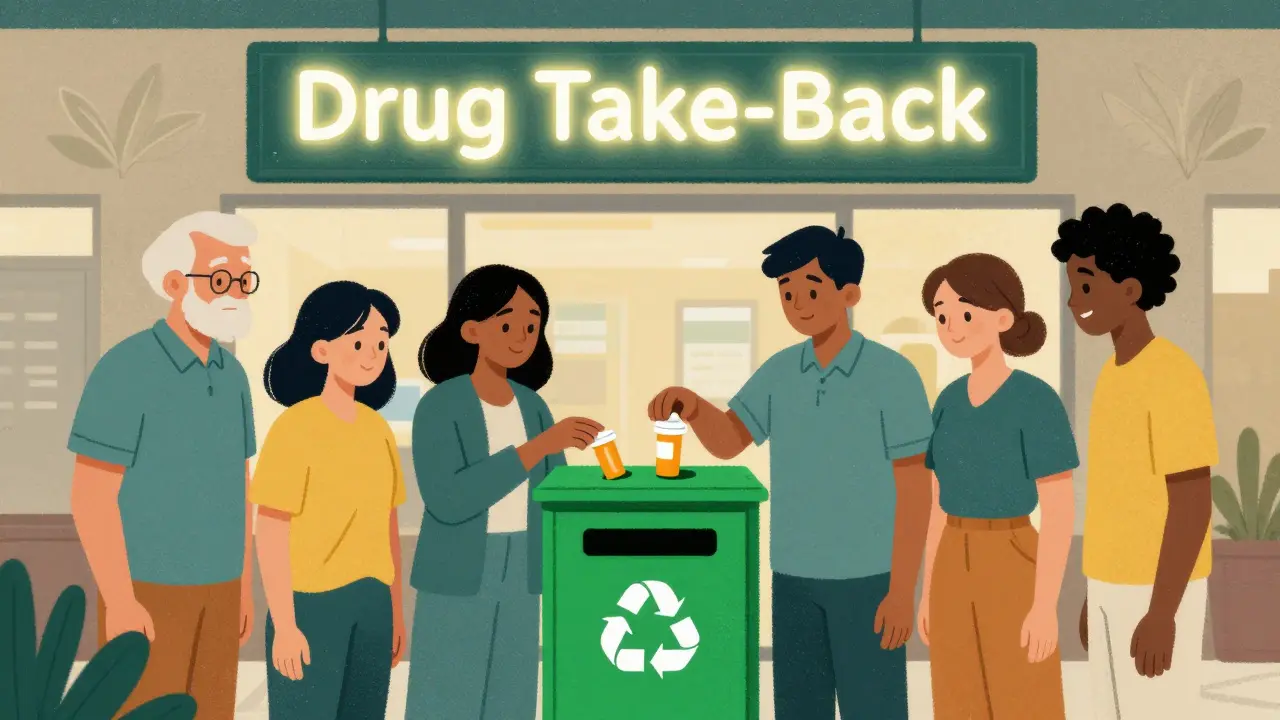
Learn how drug take-back programs safely dispose of unused medications through permanent drop boxes, mail-back envelopes, and nationwide events. Find out what you can and can’t dispose of, and how to locate the nearest collection site.

Vascular, frontotemporal, and Lewy body dementia are three distinct brain disorders with different causes, symptoms, and treatments. Knowing the difference can prevent dangerous misdiagnoses and improve care.
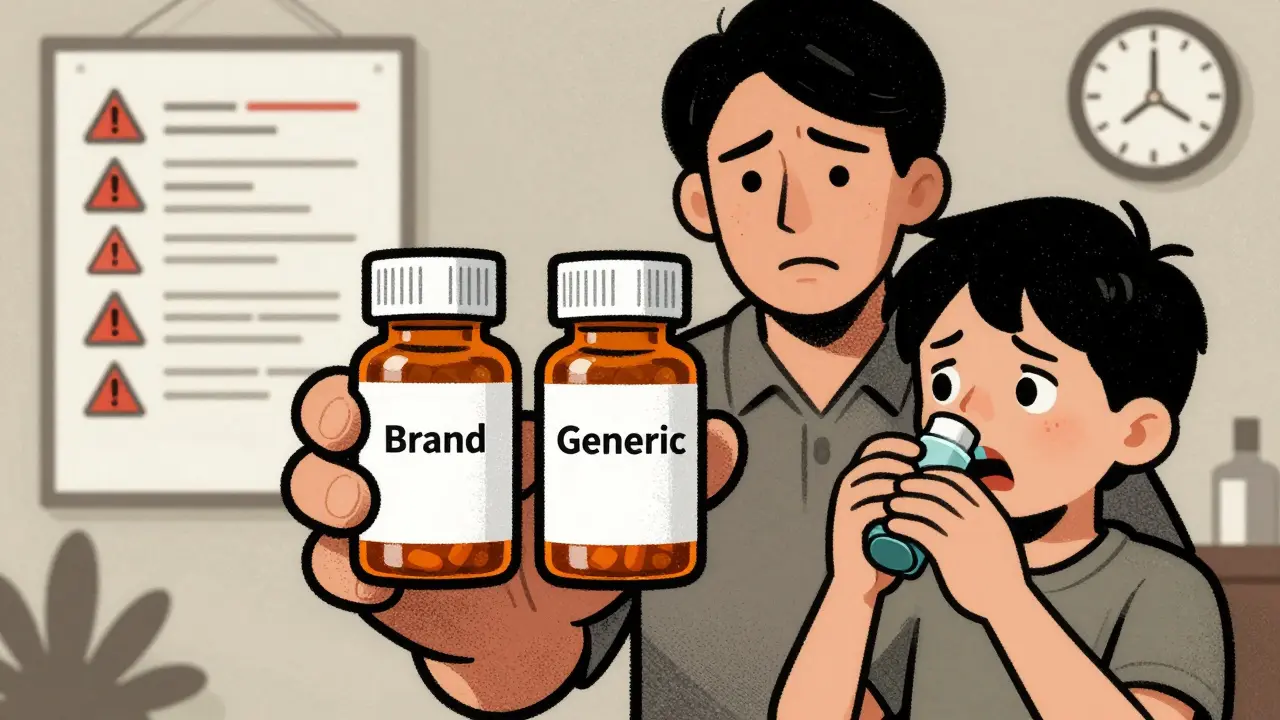
Switching children to generic medications can save money-but it can also risk their health. Learn why pediatric patients are uniquely vulnerable to changes in drug formulations, how insurance policies drive unsafe switches, and what parents and doctors must do to protect kids on chronic meds.
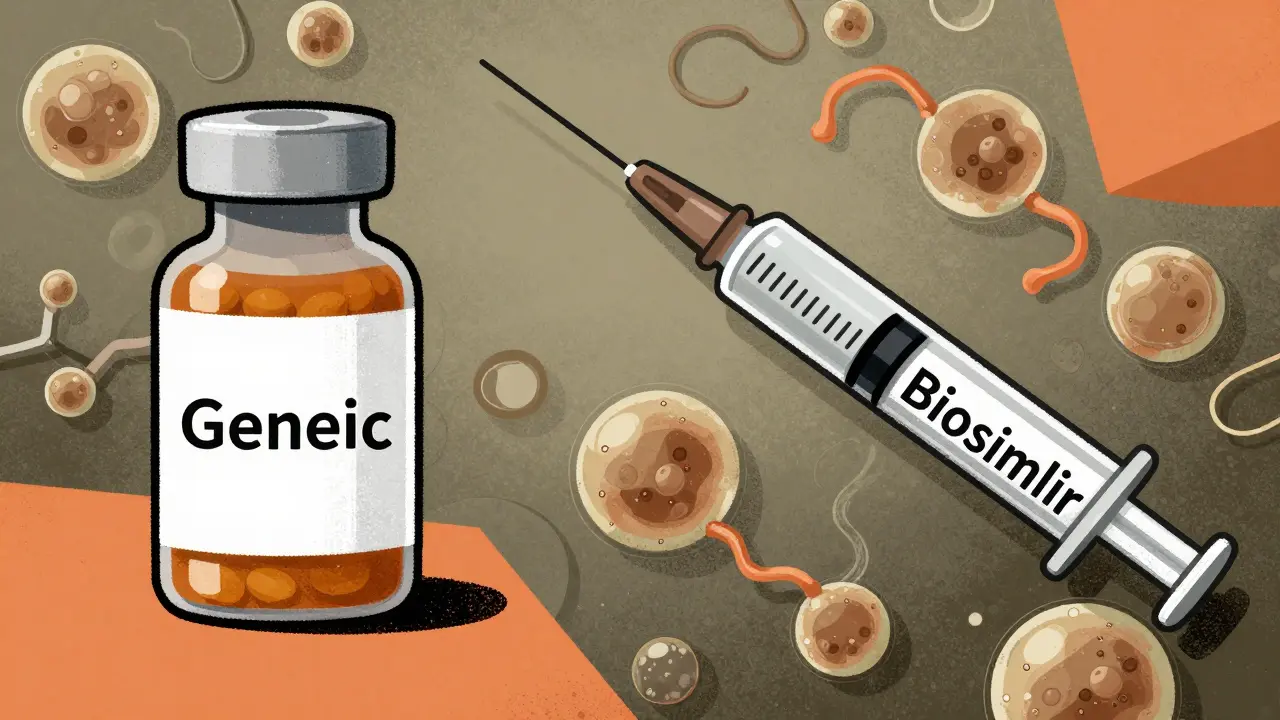
Biosimilars are the closest thing to generics for complex biologic drugs. They're highly similar, FDA-approved, and can save patients up to 60% on costs. Learn how they work, why they're not exact copies, and how to use them safely.
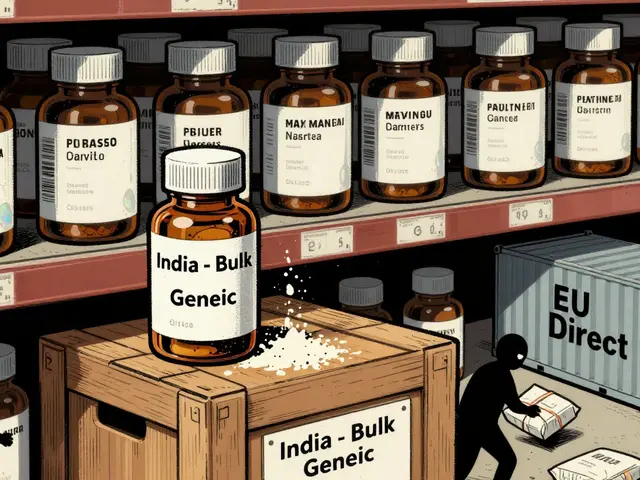
Fake generic drugs are a growing global threat, slipping into supply chains through unregulated distributors, online pharmacies, and weak tracking systems. Learn how they're made, where they come from, and how to protect yourself.

Compare Penegra (sildenafil) with leading ED alternatives like Viagra, Cialis, Levitra, and Stendra. Learn differences in onset, duration, side effects, and price to find the right medication.
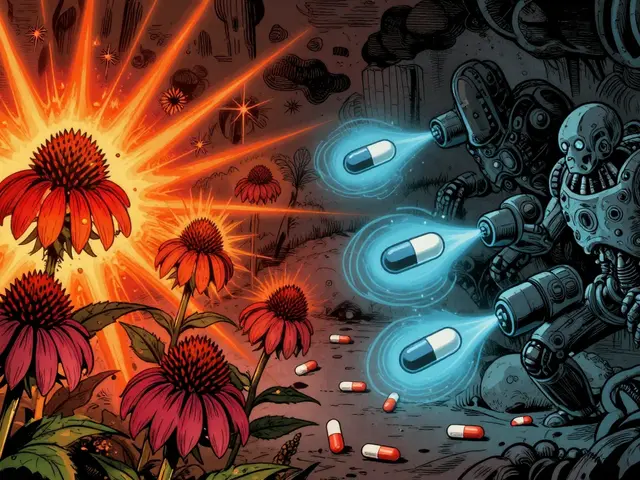
Echinacea may seem like a safe immune booster, but for people on immunosuppressants, it can interfere with life-saving medications. Learn why experts warn against using it after transplants or for autoimmune conditions.

Get real, practical, and up-to-date information about Exelon (rivastigmine), a medication for Alzheimer's and Parkinson's dementia. Learn how it works inside the brain, what results you can actually expect, best use tips, and advice for dealing with possible side effects. Find out who benefits from Exelon, important safety tips, and some lesser-known facts about living with dementia meds today.
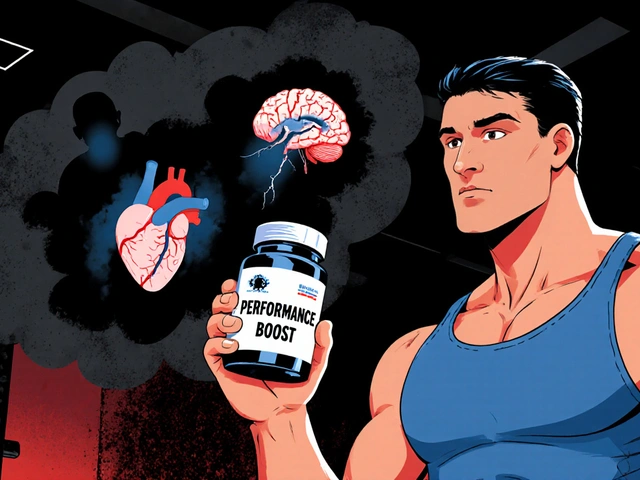
Explore how common performance‑enhancing drugs affect athletes' health, the key side effects, real‑world data, and safe alternatives for optimal performance.