
Summer is a great time to be outside, but the heat and sun can sneak up on you. It’s easy to forget that too much sun or heat can cause serious health problems. So, what’s the best way to enjoy summer without risking your health? Start by staying cool and protected.
First, always protect your skin. Use sunscreen with at least SPF 30—even on cloudy days—and reapply it every two hours if you're swimming or sweating. Wearing a hat and sunglasses adds extra defense against sun damage. Remember, sunburn isn’t just painful; it can increase your risk for skin cancer down the road.
Drinking water is your best friend during the summer. When you sweat, you lose fluids that need to be replaced to keep your body working well. Aim for at least 8 glasses a day, and more if you’re active outdoors. Skip sugary or alcoholic drinks as they actually dehydrate you.
Watch out for heat exhaustion signs: heavy sweating, weakness, dizziness, and nausea. If you or someone you’re with starts feeling this way, move to a cooler place, drink water, and rest. Heat stroke is even more serious and needs immediate medical help—symptoms include confusion, sweating stopping, or loss of consciousness.
Try to plan outdoor activities for early morning or late afternoon when the sun’s less intense. Wearing light-colored, loose clothing can help your body stay cool. Also, take breaks in the shade often if you’re active outside.
Don’t overlook insect protection either. Using bug spray can keep mosquitoes and ticks at bay, which lowers the risk of bites that could spread diseases.
Keeping these simple habits in mind makes your summer safer and more enjoyable. Stay safe and soak up the good vibes without letting the heat get the best of you.

Sunburn and heatstroke often strike during hot days but are not the same thing. This article spotlights key differences, how to recognize early warning signs, and real-life ways to treat each condition if you or someone else gets hit. It covers prevention tips, real facts, and the science behind both sunburn and heatstroke. Whether you're sunbathing, working outdoors, or just enjoying a sunny weekend, you'll find clear guidance to keep yourself safe. Read on to know what to do if the summer heat gets the better of you.
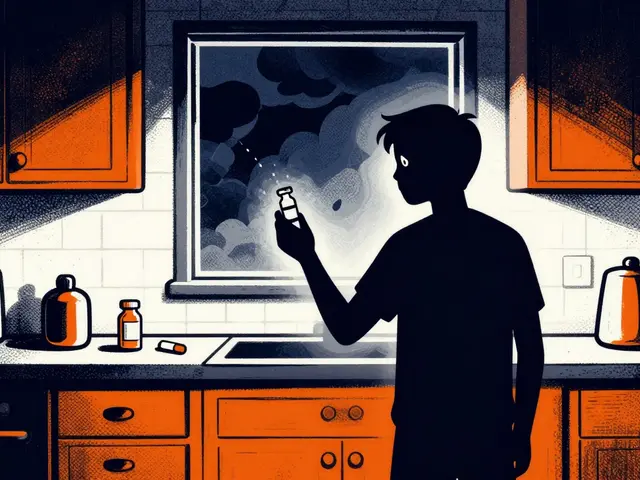
Learn how to safely evaluate and discuss expired medication use during disasters. Understand FDA guidelines, drug stability data, and risk-benefit analysis for critical vs. non-critical medicines.

Ursodeoxycholic acid (UDCA) plays a pivotal role in bile acid metabolism, offering numerous benefits for individuals with liver health concerns. It's fascinating how this substance can improve the breakdown and absorption of dietary fats and vitamins. For those grappling with liver disorders, understanding UDCA's impact is key to better health outcomes. This article explores the science behind UDCA, its practical advantages, and offers tips for maximizing its benefits.
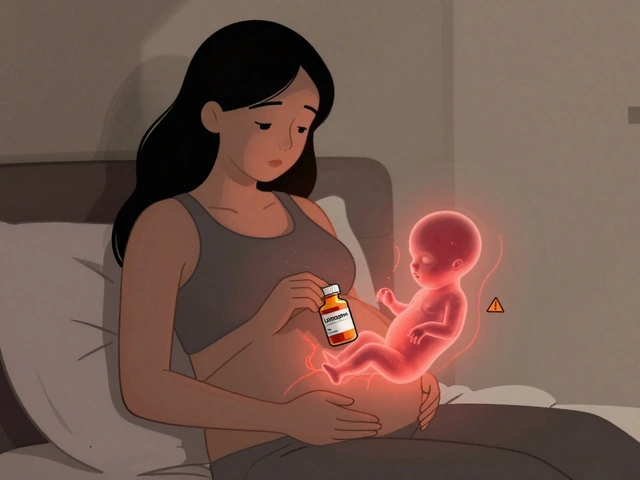
Benzodiazepines like Xanax and Valium may help with anxiety during pregnancy, but studies link them to increased risks of birth defects, miscarriage, and preterm birth. Learn what the latest research says and what alternatives exist.

Discover how specialized rehab and occupational therapy tackle functional impairment in autoimmune diseases. Learn about energy conservation, safe exercise dosing, and overcoming the boom-bust cycle.
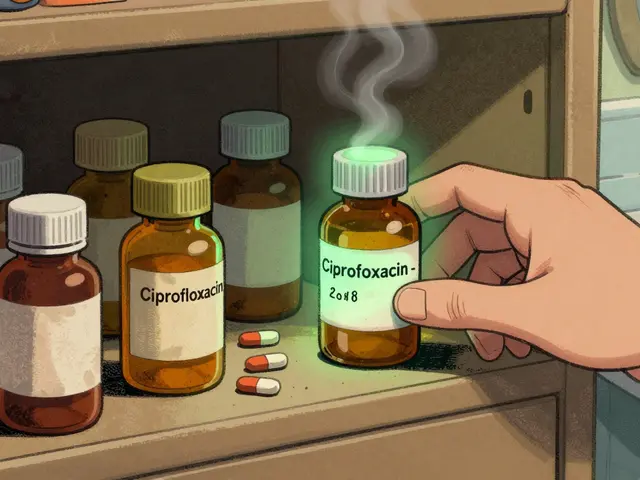
Expiration dates on medications guarantee potency, not safety. Most drugs remain effective years past their label date if stored properly-but some, like insulin and EpiPens, degrade dangerously fast. Know which ones to toss and which are still safe.