

Current evidence shows gabapentin and pregabalin may increase risks of preterm birth, heart defects, and neonatal withdrawal in pregnancy. Safer alternatives exist, and careful monitoring is essential if these drugs are used.
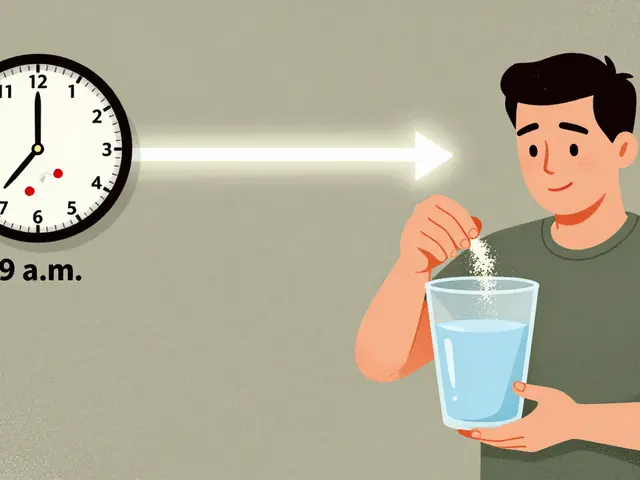
Fiber supplements like psyllium help with constipation but can interfere with medications. Learn the safest timing rules to avoid reduced drug effectiveness and side effects.

A complete guide to buying Verapamil online safely in 2026. Learn where to find affordable generic options, verify pharmacy legitimacy, and compare prices across top platforms.
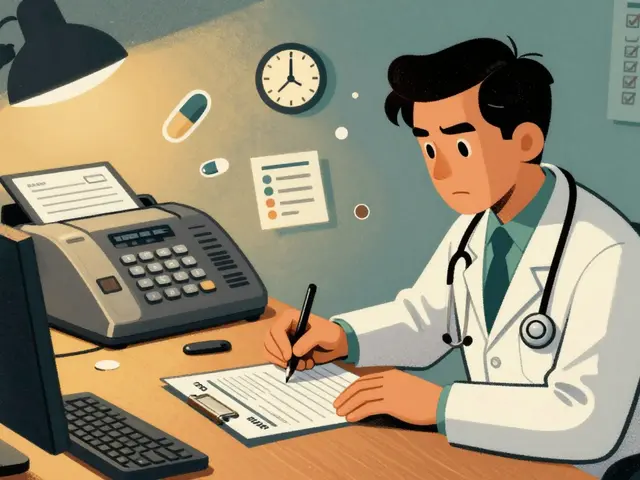
Prior authorization is a common but confusing step in getting your prescription covered by insurance. Learn what drugs require it, how the process works, what to do if it's denied, and how to avoid delays.
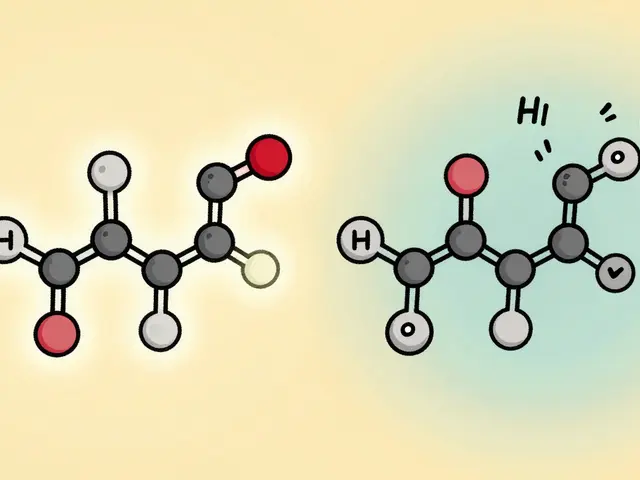
Cetirizine and levocetirizine both treat allergies, but levocetirizine causes less drowsiness. Learn why one might be better for daytime use and how to choose based on your needs.
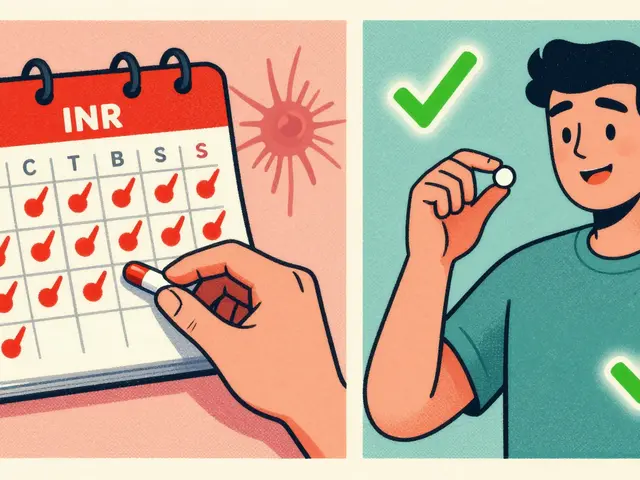
Warfarin and DOACs are both blood thinners used to prevent clots, but DOACs are now preferred for most patients due to better safety, fewer interactions, and no need for regular blood tests. Learn the key differences and what to do in an emergency.