
When it comes to lung cancer screening, a medical process used to find lung cancer before symptoms appear, often using low-dose CT scans. Also known as low-dose CT screening, it's not for everyone—but for those at high risk, it can mean the difference between catching a tumor when it’s treatable and waiting until it’s too late. Unlike routine chest X-rays, which miss early-stage cancers, low-dose CT scans can spot nodules as small as a grain of rice. The U.S. Preventive Services Task Force recommends screening for adults aged 50 to 80 who have a 20 pack-year smoking history and currently smoke or quit within the past 15 years. That’s about one pack a day for 20 years, or two packs a day for 10 years. If you fit that profile, screening isn’t optional—it’s a proven way to reduce your chance of dying from lung cancer by up to 20%.
Screening doesn’t mean you have cancer. Most findings are benign. But false positives happen, and they lead to more tests—sometimes biopsies or follow-up scans. That’s why it’s crucial to get screened at a center with experience. Not all clinics handle these results the same way. A good program will have a team that understands how to interpret scans, manage follow-ups, and avoid unnecessary procedures. It also means knowing your risk beyond smoking. Exposure to radon, asbestos, or secondhand smoke, or having a family history of lung cancer, can raise your risk too. Even people who never smoked can develop lung cancer, and while screening isn’t routinely recommended for them, it’s worth discussing with your doctor if you have other risk factors.
What you’ll find in the articles below isn’t a one-size-fits-all guide. It’s a collection of real, practical advice from people who’ve been through it—whether they’re managing side effects from scans, comparing screening options, or learning how to talk to their doctors about risk. You’ll see how lung cancer screening connects to broader health habits like quitting smoking, avoiding pollutants, and understanding what your test results actually mean. There’s no magic pill, but early detection gives you control. And that’s something no one should ignore.
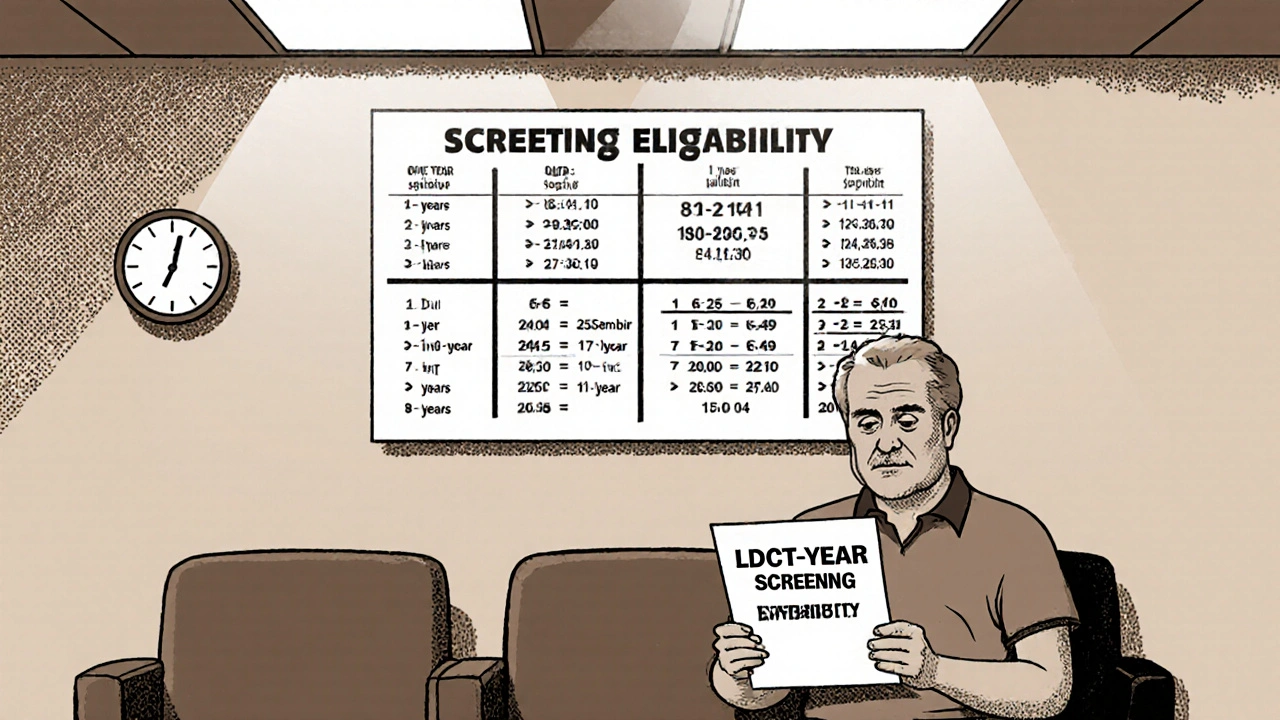
Low-dose CT screening can save lives in smokers by catching lung cancer early. Learn who qualifies, how it works, the real risks, and what to do next.
A personal medication list saves lives by preventing dangerous drug interactions. Learn exactly what to include-prescriptions, OTC drugs, supplements, allergies-and how to keep it updated for maximum safety.

Explore how you can buy Neurontin online affordably. Understand the uses of gabapentin, potential side effects, typical dosages, and vital tip on drug interactions. This guide helps you make informed choices on medication while highlighting practical healthcare considerations.
Learn how to reverse a prior authorization denial for your medication. Follow our step-by-step guide to documentation, appeal letters, and maximizing your 82% success chance.
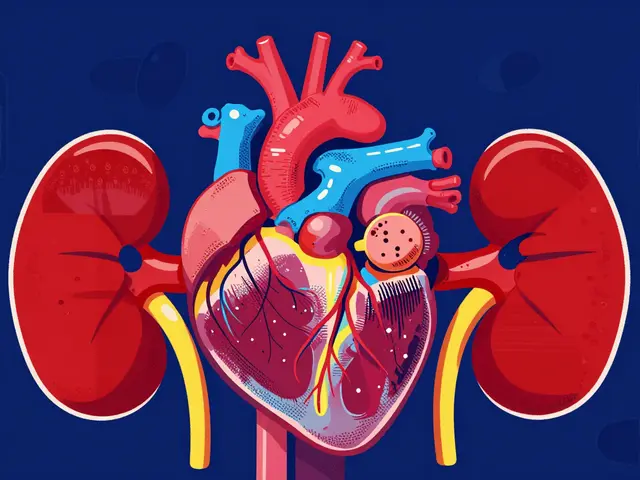
Combining ACE inhibitors and potassium-sparing diuretics increases hyperkalemia risk. Learn how to monitor levels, adjust diet, and use new treatments to stay safe.
Learn how to differentiate between generic and authorized generic medications to reduce prescription costs. This guide explains insurance formularies, PBM rebates, and specific questions to ask your pharmacist.