
Hyperkalemia Risk Assessment Tool
Patient Factors
Indicates reduced kidney function (Chronic Kidney Disease).
Starting potassium level is already elevated.
Type 1 or Type 2 diabetes diagnosis.
Congestive heart failure diagnosis.
Taking Spironolactone, Eplerenone, Amiloride, etc.
Calculated Risk Score
Low Risk
Standard monitoring applies. Maintain regular check-ups.
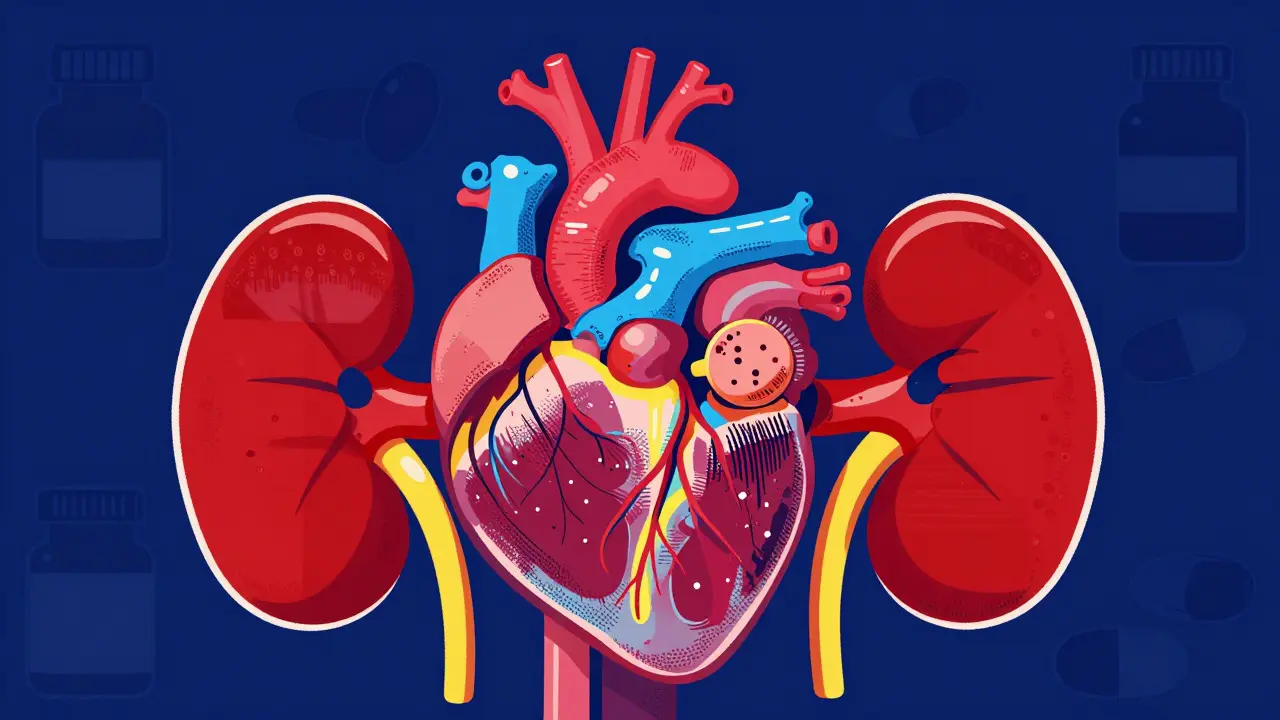
High blood pressure is a silent killer, but the medications we use to fight it can sometimes create their own dangerous side effects. One of the most common-and potentially deadly-interactions happens when you combine ACE inhibitors, a standard treatment for hypertension and heart failure, with potassium-sparing diuretics. This combination creates a perfect storm for hyperkalemia, a condition where potassium levels in your blood rise too high.
You might be taking these drugs because your doctor wants to protect your heart or kidneys. But if those two classes of medicine meet in your bloodstream without careful monitoring, they can stop your heart from beating correctly. It’s not just a theoretical risk; it’s a real danger that affects millions of patients worldwide. Understanding how this interaction works, who is at risk, and what steps you can take to stay safe is crucial for anyone on this regimen.
How These Medications Work Together (and Against You)
To understand why this combination is risky, you have to look at how your body handles potassium. Your kidneys are responsible for filtering out excess potassium from your blood. If potassium builds up, it disrupts the electrical signals that tell your heart to beat. Normally, your body has a system called the renin-angiotensin-aldosterone system (RAAS) that helps regulate this balance.
ACE inhibitors work by blocking the formation of angiotensin II, which leads to lower levels of aldosterone. Aldosterone is a hormone that tells your kidneys to excrete potassium. When you take an ACE inhibitor, you produce less aldosterone, so your kidneys hold onto more potassium. That’s usually manageable on its own.
But then you add Potassium-sparing diuretics. Drugs like spironolactone or eplerenone block the receptors that aldosterone uses, while others like amiloride directly block sodium channels in the kidney. They essentially shut down the door that lets potassium leave your body. When you combine an ACE inhibitor with one of these diuretics, you get a "double hit" on your potassium excretion pathways. The result? Potassium accumulates rapidly.
Who Is Most at Risk?
Not everyone who takes this combination will develop hyperkalemia. However, certain factors make you significantly more vulnerable. A landmark study published in JAMA Internal Medicine by Reardon et al. found that 11% of outpatients using ACE inhibitors developed hyperkalemia. The risk skyrockets when specific conditions are present.
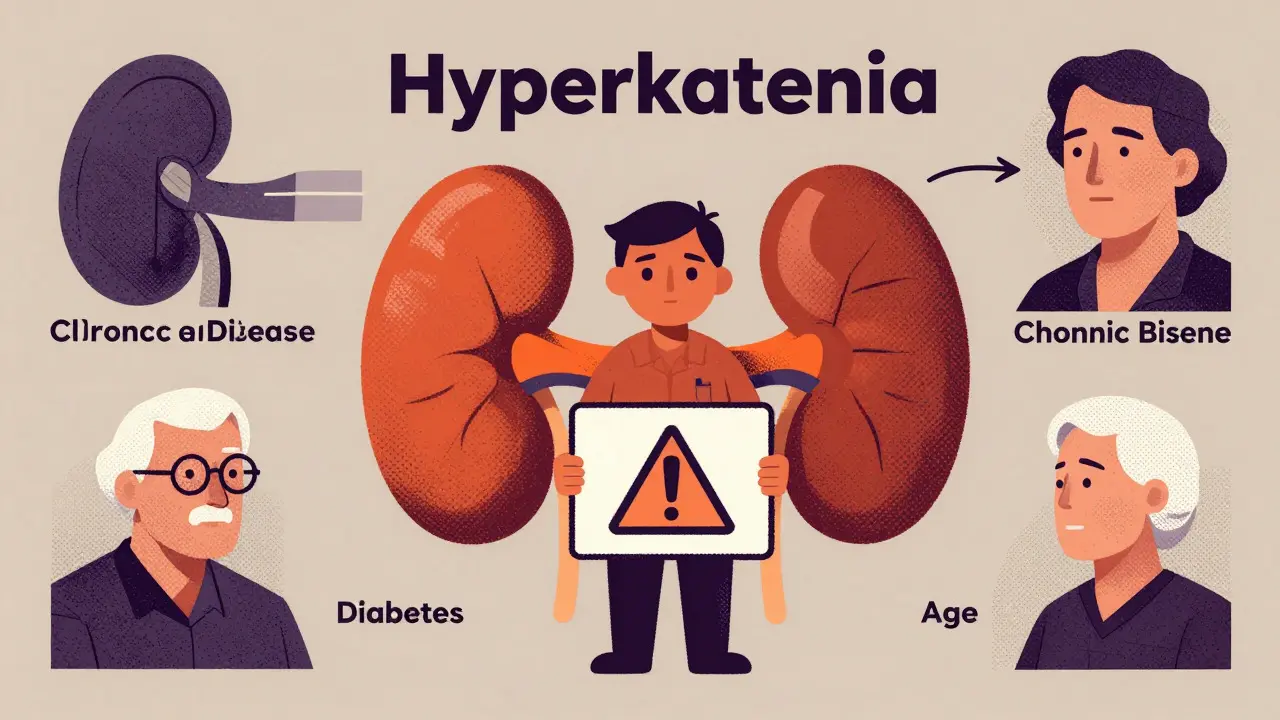
- Chronic Kidney Disease (CKD): If your kidneys aren’t filtering well, they can’t compensate for the reduced potassium excretion. Patients with an estimated glomerular filtration rate (eGFR) below 60 ml/min/1.73 m² are at high risk.
- Diabetes: Diabetes often damages the kidneys over time, reducing their ability to handle electrolyte shifts.
- Heart Failure: People with congestive heart failure often have reduced blood flow to the kidneys, further impairing function.
- Older Age: Kidney function naturally declines with age, making older adults more susceptible.
The Cleveland Clinic Journal of Medicine suggests using a "hyperkalemia susceptibility score." If you have an eGFR under 60, baseline potassium above 4.5 mmol/L, diabetes, heart failure, or are on concurrent potassium-sparing meds, your risk is high. If your score is 4 or higher, you need close monitoring.
Recognizing the Danger Signs
Hyperkalemia is often called a "silent" condition because mild cases may have no symptoms at all. You won’t feel your potassium rising. By the time you notice something is wrong, it could be severe. Severe hyperkalemia is defined as serum potassium levels greater than 6.0 mmol/L.
When levels get dangerously high, the first signs are usually related to muscle weakness or fatigue. You might feel tingling in your limbs, nausea, or an irregular heartbeat. In extreme cases, it can lead to cardiac arrest. Because the symptoms are vague, many people mistake them for general tiredness or aging. This is why regular blood tests are non-negotiable if you’re on this drug combination.
| Risk Factor | Impact on Potassium Levels | Monitoring Frequency |
|---|---|---|
| eGFR < 60 ml/min | Significantly Increased | Weekly initially, then monthly |
| Diabetes Mellitus | Moderately Increased | Every 3-6 months |
| Heart Failure | Increased | Every 3-6 months |
| Age > 65 | Mildly Increased | Annually or as directed |
Managing the Risk: Practical Steps
If your doctor prescribes both an ACE inhibitor and a potassium-sparing diuretic, don’t panic. It’s a common strategy for treating resistant hypertension or advanced heart failure. The key is management. Here’s how you and your healthcare provider can keep things safe.
- Regular Blood Tests: The American College of Cardiology recommends testing potassium within 1-2 weeks of starting or changing doses. After that, check every 3-6 months if stable. If you have kidney disease, you may need weekly checks initially.
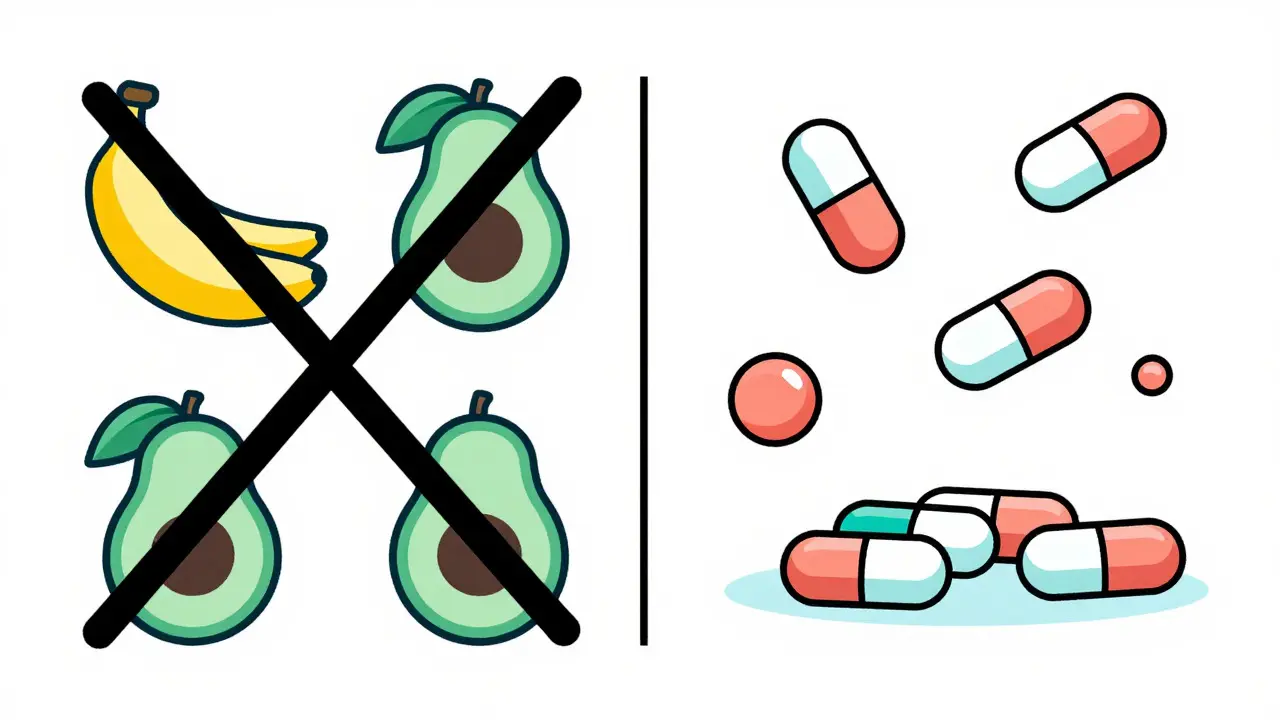
- Dietary Adjustments: You don’t necessarily need to cut out all potassium-rich foods, but you should be mindful. Bananas, oranges, potatoes, tomatoes, and avocados are high in potassium. The European Heart Journal notes that restricting dietary potassium to less than 50-75 mmol/day can lower serum levels by 0.3-0.6 mmol/L. Talk to a dietitian about what’s right for you.
- Avoid Hidden Sources: Many processed foods contain potassium additives. Salt substitutes are a major culprit-they’re often made from potassium chloride instead of sodium chloride. Always read labels carefully.
- Medication Review: Some over-the-counter drugs, like NSAIDs (ibuprofen, naproxen), can worsen kidney function and raise potassium. Check with your pharmacist before taking any new medication.
New Treatments and Strategies
Medicine is moving forward, and there are new tools to help manage this risk. For years, if a patient developed hyperkalemia, doctors had to stop the life-saving ACE inhibitor or diuretic. Now, we have better options.
In 2022, the FDA approved new potassium binders like patiromer (Veltassa) and sodium zirconium cyclosilicate (Lokelma). These medications bind to potassium in the gut and remove it through stool, lowering blood levels quickly. Clinical trials show they reduce serum potassium by 0.8-1.2 mmol/L within 48 hours. This allows patients to continue their essential heart and kidney medications without interruption.
Another breakthrough is the use of SGLT2 inhibitors, such as dapagliflozin. Originally designed for diabetes, these drugs have been shown to reduce hyperkalemia risk by 32% in patients with chronic kidney disease. They also protect the heart and kidneys independently. This "triple therapy" approach-ACE inhibitor, potassium-sparing diuretic, and SGLT2 inhibitor-is becoming a gold standard for high-risk patients.
What To Do If Your Levels Are High
If your blood test shows potassium above 5.0 mmol/L, your doctor will likely take action. First, they’ll check for contributing factors like dehydration or recent dietary changes. They may reduce your ACE inhibitor dose by 50% and retest in 1-2 weeks. If levels remain high (above 5.5 mmol/L), they might add a non-potassium-sparing diuretic like hydrochlorothiazide, which helps flush out potassium.
In severe cases (above 6.0 mmol/L), immediate medical attention is required. Treatment may include intravenous calcium to stabilize the heart, insulin and glucose to shift potassium into cells, and dialysis if kidney function is severely impaired. Don’t wait for symptoms to appear. Trust the numbers.
Can I eat bananas if I’m on ACE inhibitors and spironolactone?
It depends on your current potassium levels. Bananas are high in potassium (about 422 mg per medium banana). If your levels are normal, occasional consumption is usually fine. However, if you have high potassium or kidney disease, your doctor may advise limiting or avoiding them. Always consult your healthcare provider for personalized dietary advice.
Are ARBs safer than ACE inhibitors regarding potassium?
ARBs (Angiotensin Receptor Blockers) work similarly to ACE inhibitors but target a different part of the RAAS pathway. Some studies suggest ARBs may cause slightly less hyperkalemia than ACE inhibitors, but the risk is still significant, especially when combined with potassium-sparing diuretics. Switching from an ACE inhibitor to an ARB is a common strategy if hyperkalemia occurs, but it doesn’t eliminate the risk entirely.
How often should I get my potassium checked?
If you are stable on your medications, checking every 3-6 months is typical. However, if you have kidney disease, diabetes, or heart failure, you may need more frequent checks. Always test within 1-2 weeks of starting a new medication or changing doses. Follow your doctor’s specific schedule based on your individual risk profile.
What foods should I avoid to prevent hyperkalemia?
Foods high in potassium include bananas, oranges, potatoes, tomatoes, spinach, avocados, and salt substitutes. Processed foods often contain hidden potassium additives. Reading nutrition labels is essential. If you need to restrict potassium, ask your doctor for a referral to a renal dietitian who can create a meal plan tailored to your needs.
Can I stop my medication if I feel tired?
Never stop your blood pressure or heart failure medication without talking to your doctor. Fatigue can be a symptom of hyperkalemia, but it can also be caused by other issues. Stopping medication abruptly can lead to a spike in blood pressure or worsening heart failure. Contact your healthcare provider immediately if you experience unusual fatigue, muscle weakness, or palpitations.

Katie Caruthers
July 23, 2026 AT 21:57Megan Crossland
July 25, 2026 AT 16:10Kieran Healy
July 26, 2026 AT 19:33Kevin Burke
July 27, 2026 AT 08:31neal vince
July 29, 2026 AT 04:25Sinead Doyle
July 30, 2026 AT 11:42Samuel Friday
July 30, 2026 AT 12:37Emily Schor
July 31, 2026 AT 14:53