
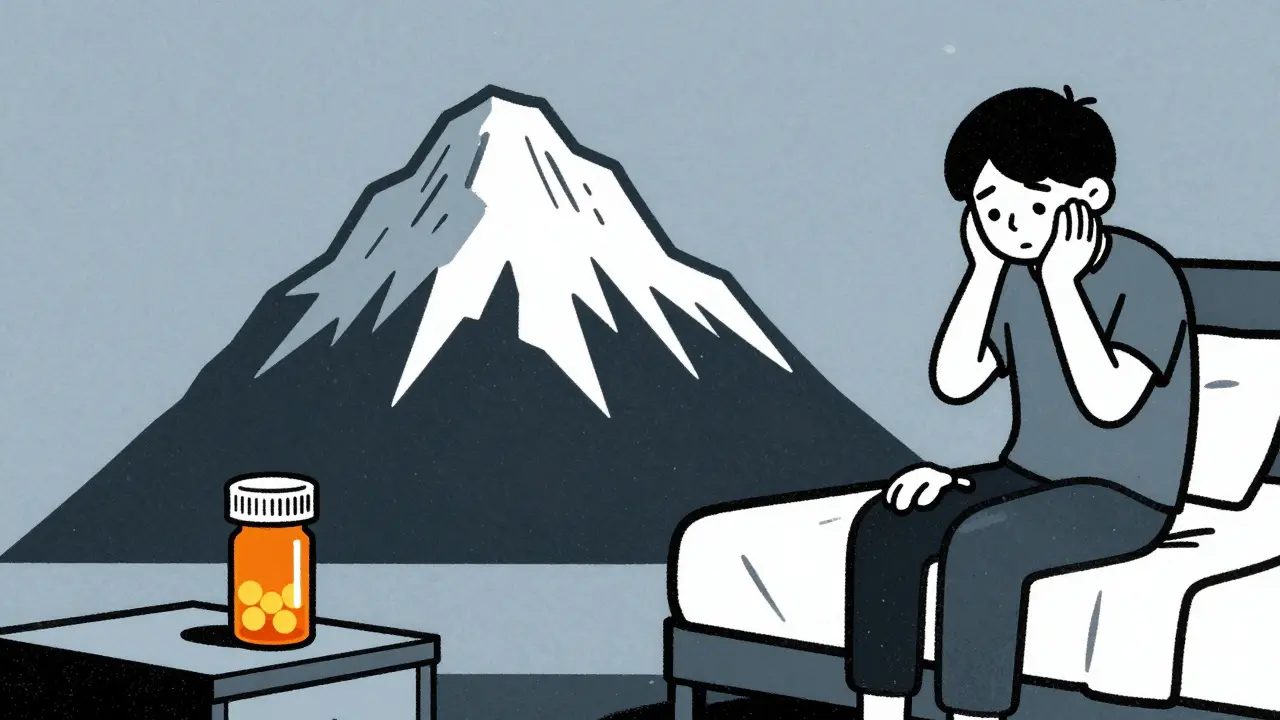
Learn how depression creates cognitive and emotional barriers that lead to medication non-adherence, and discover the tools and signs to identify this risk early.
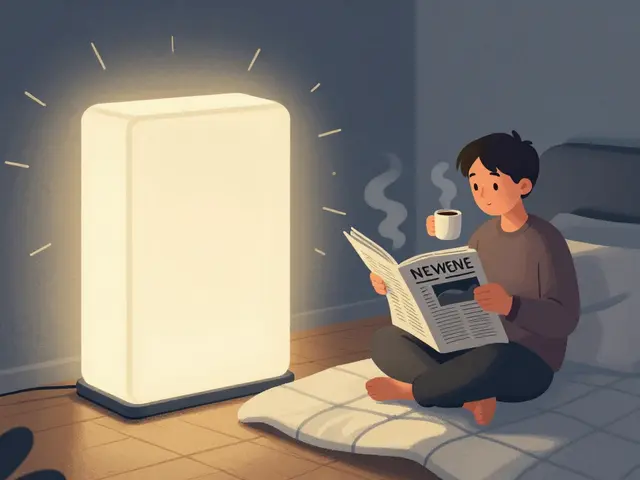
Seasonal affective disorder causes winter depression with fatigue, low mood, and cravings. Bright light therapy is a proven, drug-free treatment that resets your body clock and lifts mood in just days.
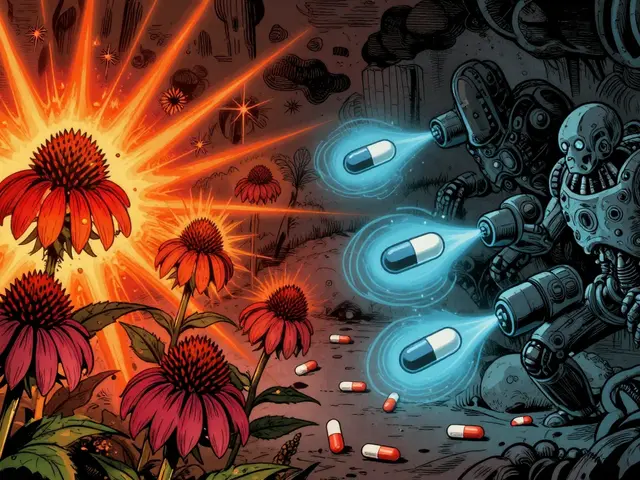
Echinacea may seem like a safe immune booster, but for people on immunosuppressants, it can interfere with life-saving medications. Learn why experts warn against using it after transplants or for autoimmune conditions.
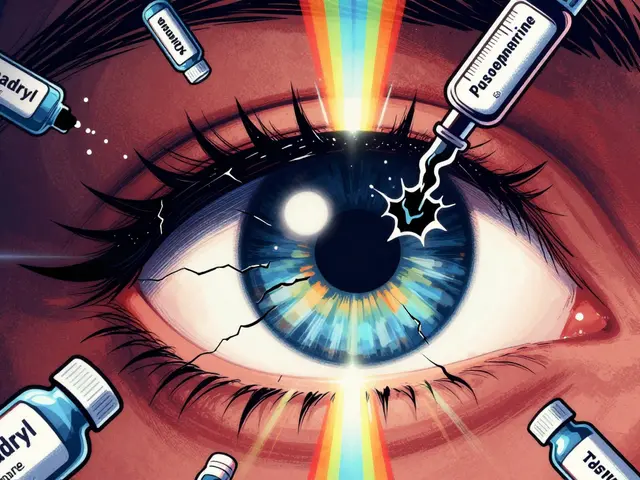
Medication-induced acute angle-closure glaucoma is a sudden, sight-threatening eye emergency triggered by common drugs like decongestants, antihistamines, and antidepressants. Learn who's at risk, which meds cause it, and how to prevent permanent vision loss.
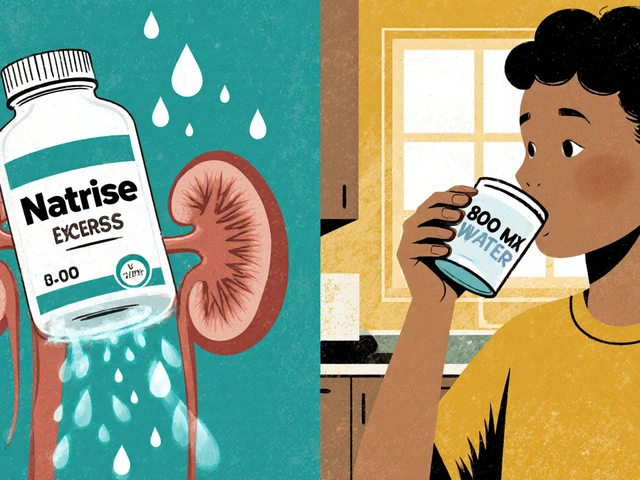
Natrise (tolvaptan) raises sodium levels fast but carries liver risks and high costs. Learn how fluid restriction, urea, demeclocycline, and salt tablets compare as safer, cheaper alternatives for hyponatremia.
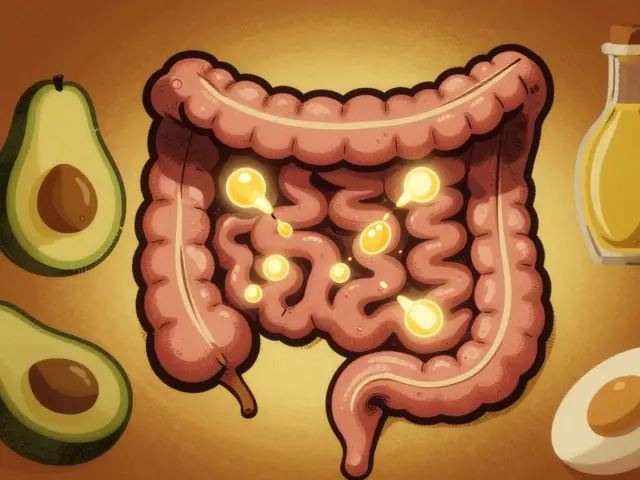
Fatty foods enhance absorption of lipid-based medications by triggering bile release and forming micelles that carry poorly soluble drugs into the bloodstream. This food effect improves bioavailability by up to 300% for certain drugs.