
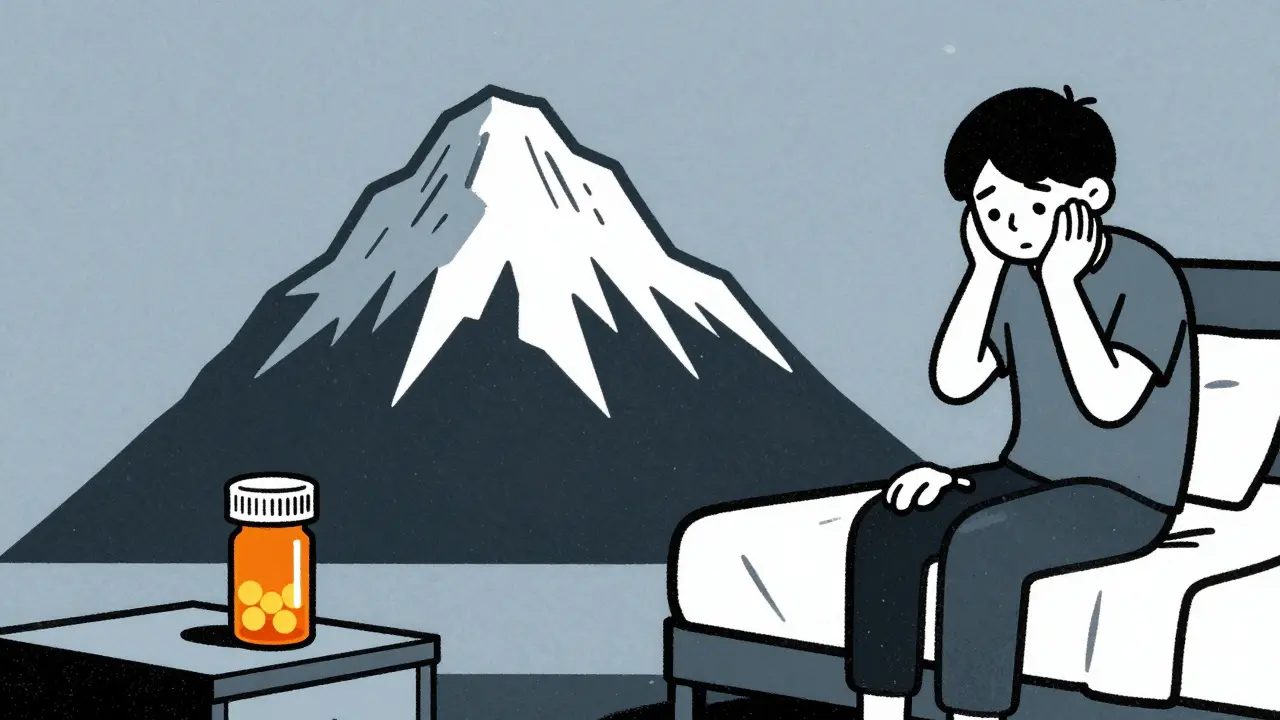
| Symptom Category | How it looks in real life | Impact on Meds |
|---|---|---|
| Cognitive Fog | Struggling to focus or remember simple tasks | Forgetfulness or confusion with dosages |
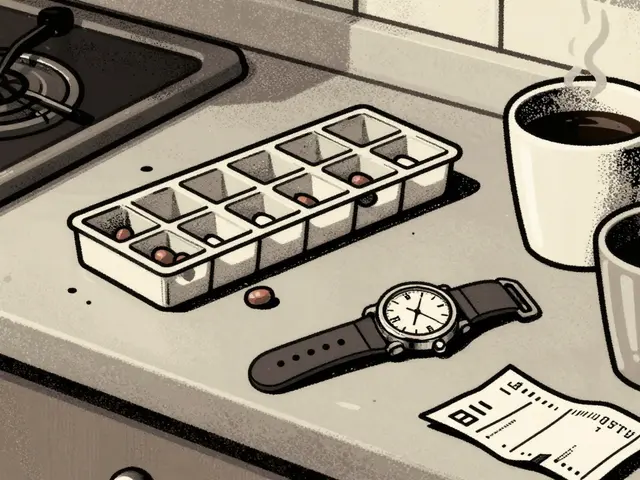
| Energy Depletion | Extreme fatigue; staying in bed for hours | "Too tired" to get out of bed for the pill bottle |
| Hopelessness | Believing the medication "won't work anyway" | Intentional discontinuation due to pessimism |
| Sensory Amplification | Feeling side effects more intensely | Quitting meds because a mild dry mouth feels unbearable |
The Hidden Weight of Depression on the Heart
Depression doesn't just affect the brain; it creates a physical barrier to treating other chronic illnesses. Take heart failure, for example. A systematic review by Pizzolorusso and colleagues found that patients with heart failure who also suffered from depression were 2.3 times more likely to report poor adherence to their meds. This isn't random. When you look at the data, the impact is seen across critical cardiac drugs. We're talking about ACE inhibitors, beta-blockers, and mineralocorticoid receptor antagonists. In these cases, the severity of the depression directly predicts how likely a patient is to miss a dose. If a patient's mood dips, their blood pressure and heart health often follow suit because the biological drive to maintain a strict medical regimen simply evaporates.Why the Brain Stops Following Instructions
Why does this happen? It's not usually a conscious choice to ignore a doctor's orders. According to experts like Dr. Elena Pizzolorusso, depression creates actual cognitive barriers. Your concentration slips, your memory fails, and making a decision-like whether to take a pill now or in an hour-becomes an exhausting mental chore. Then there's the emotional side. Professor John Geddes from the University of Oxford points out that the hallmark of depression is a total drain of energy and a sense of hopelessness. When someone feels that their future is bleak, the motivation required for self-care disappears. Why bother with a pill if you don't believe tomorrow will be any better? Furthermore, depression changes how we perceive physical discomfort. Dr. Maria De las Cuevas has highlighted that people with depression often experience side effects more intensely. A slight bit of nausea or a dry mouth, which a healthy person might ignore, can feel like a catastrophic or unbearable symptom to someone in a depressive episode. This "amplification" often leads them to quit their medication entirely, even if the drug is saving their life.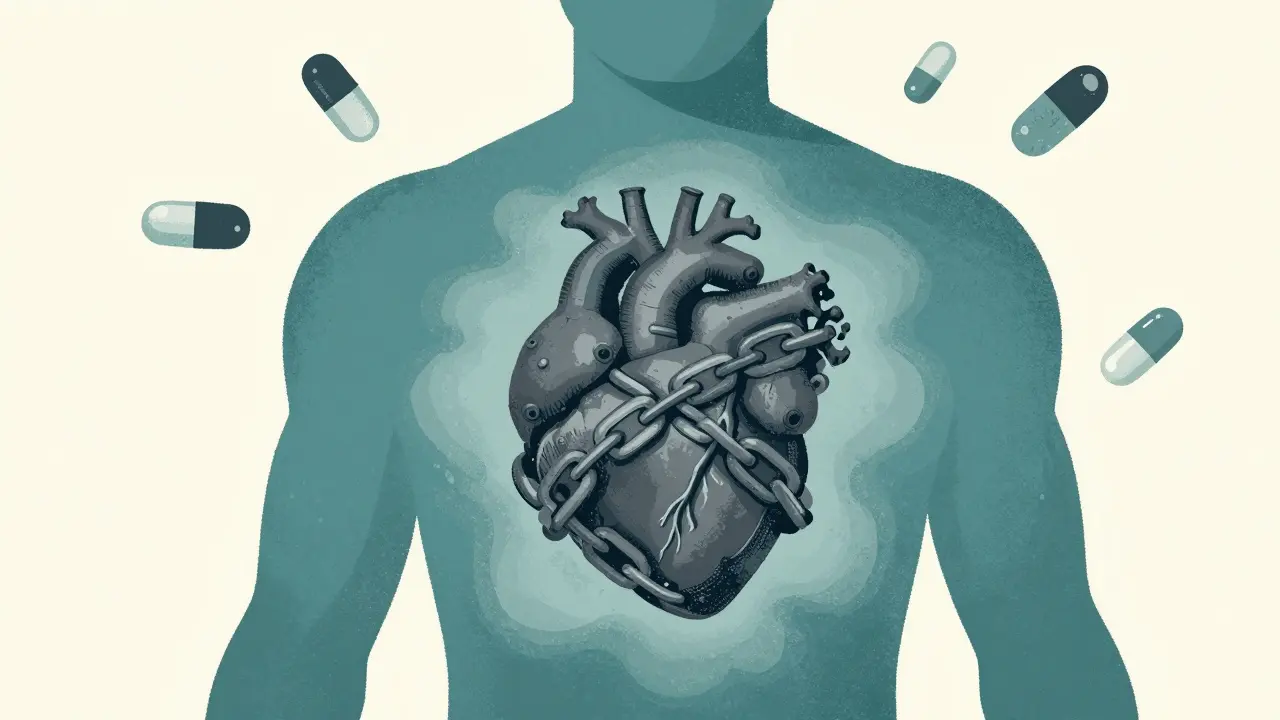
The Red Flags: Recognizing Non-Adherence Patterns
If you're trying to spot this in a patient or loved one, look for specific patterns. It's rarely a sudden stop; it's usually a slow slide.- The Side-Effect Spiral: Watch for patients who complain excessively about minor side effects. If they are taking SSRIs (like sertraline or citalopram) and suddenly become obsessed with slight weight gain or drowsiness, they may be on the verge of quitting.
- The Early Warning Window: Data from the STAR*D trial shows a critical window in the first two weeks of treatment. If a patient misses more than 20% of their doses during this time, they are nearly five times more likely to fail the treatment overall.
- The Mood-Meds Correlation: Notice if medication lapses happen in clusters. If a patient is missing doses during a week where they are also withdrawing from social contact or sleeping excessively, the depression is likely the driver.
Using Validated Tools to Measure the Risk
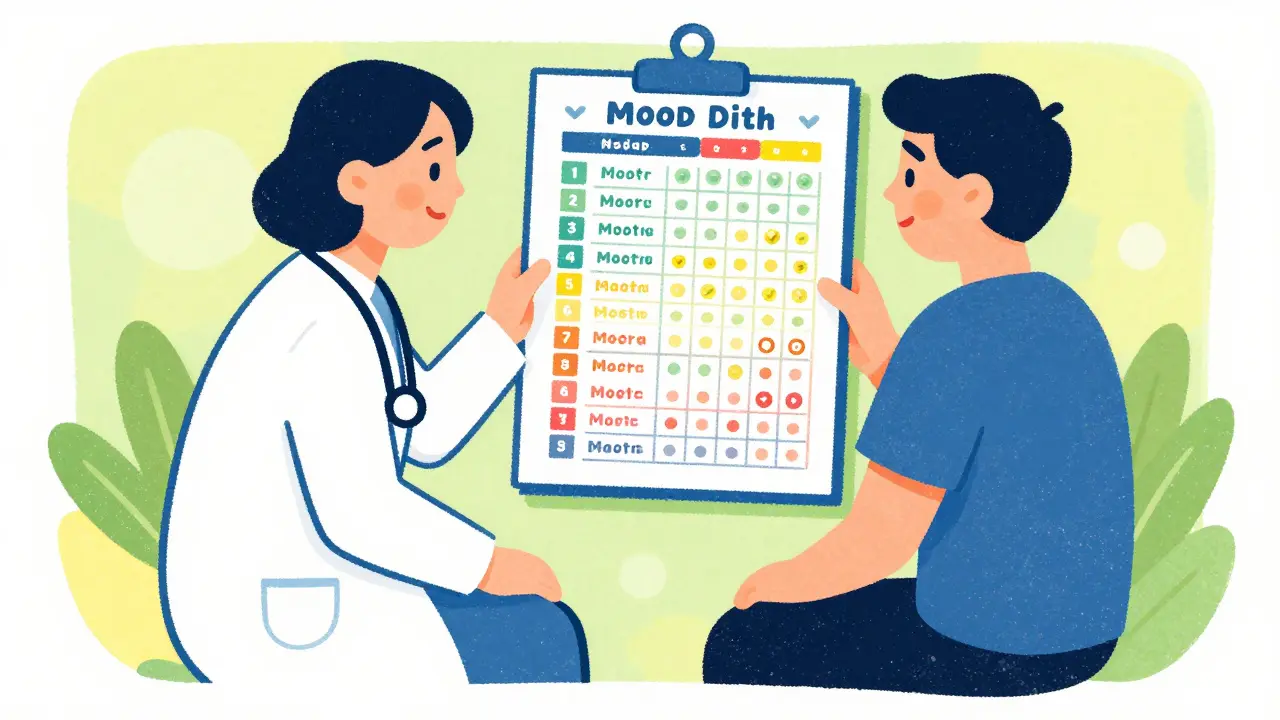
You don't have to guess. There are professional tools that can pinpoint exactly how much depression is messing with a patient's health routine. First, there's the PHQ-9 (Patient Health Questionnaire-9). This is a standard screening tool. If someone scores a 10 or higher, they're in the moderate depression range, which is a major red flag for adherence issues. Then, there's the MMAS-8 (Morisky Medication Adherence Scale). This 8-item scale is the gold standard for measuring adherence. A score below 6 generally indicates non-adherence, while a score of 8 is a perfect record. Combining these two is where the real magic happens. Research from Columbia University shows that using the PHQ-9 and MMAS-8 together increases the accuracy of predicting adherence problems by 37%. If you see a high depression score paired with a low adherence score, you have a clear, data-backed reason to intervene.
Practical Steps for Better Support
Knowing there's a problem is only half the battle. The other half is fixing it. Here are a few evidence-based ways to bridge the gap:- Side Effect Mapping: Instead of asking "How are the meds?", have the patient keep a daily chart. They should track both their mood and any physical side effects. This helps them see that a side effect might be temporary or unrelated to the drug, preventing a knee-jerk reaction to quit.
- Collaborative Monitoring: The MAPDep study showed that when doctors and patients actively monitor adherence together-rather than the doctor just asking "Are you taking your meds?"-adherence improves by nearly 29% over a year.
- The "Rule of Five": Based on NIH data, clinicians should know that for every 5-point jump on the PHQ-9 scale, the probability of the patient sticking to their meds drops by about 23%. This allows for a proactive shift in support before the patient actually fails.
- Digital Safety Nets: While not perfect, some smartphone apps now track both mood and pill intake. New research suggests some can actually predict an adherence lapse 72 hours before it happens by spotting patterns in mood decline.
Why does depression make me forget my medication?
Depression affects the prefrontal cortex of the brain, which is responsible for executive functions like memory, concentration, and decision-making. This "brain fog" makes it physically harder to remember schedules or follow complex dosing instructions, regardless of how much you want to get better.
Is it common to quit antidepressants because of side effects?
Yes, it's very common. Studies show that a huge percentage of people taking SSRIs or other antidepressants report non-adherence due to things like drowsiness, dry mouth, or weight gain. Because depression can amplify the subjective experience of pain or discomfort, these side effects feel more intense and a more valid reason to stop the drug.
What is the PHQ-9 and how does it help?
The PHQ-9 is a 9-question survey used to screen for the severity of depression. A score of 10 or higher typically indicates moderate depression. It helps because it provides a quantifiable metric that often correlates with a higher risk of missing doses of other necessary medications.
Can digital apps really help with medication adherence?
They can. Some modern apps track mood swings and medication intake in real-time. Recent data indicates that these tools can have up to 82% sensitivity in predicting a medication lapse three days before it happens, allowing caregivers to step in early.
Does depression affect adherence to non-psychiatric meds?
Absolutely. It has a huge impact on people with heart failure, diabetes, and other chronic conditions. For instance, depressed heart failure patients are more than twice as likely to struggle with adherence to critical medications like beta-blockers compared to those without depression.
David Snyder
April 14, 2026 AT 03:15It's really heartening to see this connection being highlighted. Understanding that it's a biological struggle rather than a lack of will can change everything for a patient's recovery process.
Billy Wood
April 14, 2026 AT 20:26Keep fighting!!! You got this!!!
Ikram Khan
April 16, 2026 AT 08:27This is absolutely mind-blowing!! 😱 I never realized how much the mind could physically stop us from taking care of our bodies. We need more awareness like this! ✨
rupa das
April 16, 2026 AT 18:46just another way to label people as sick when they might just hate the meds
Randy Ryder
April 18, 2026 AT 01:00The intersection of executive dysfunction and pharmacotherapeutic adherence is a critical area of study. I wonder if integrating cognitive behavioral interventions directly into the medication titration phase could mitigate these prefrontal cortex lapses.
Shaylia Helland
April 19, 2026 AT 23:52i've spent so much time just staring at my pill organizer feeling like the world was too heavy to move an inch and it's honestly a relief to know there's a name for this kind of paralysis because usually people just tell you to get a planner or set an alarm but that doesn't help when you're just completely hollow inside and the distance from the bed to the kitchen feels like a marathon
Clint Humphreys
April 20, 2026 AT 09:35It is quite fascinating how we are told to trust these chemical compounds while the system ignores the deeper roots of why we are depressed in the first place. I find it rather suspicious that we focus so much on the 'adherence' to the drug rather than the industry's profit margins on these lifelong prescriptions, but I suppose the data provided here is a nice little distraction from the actual corporate machinery at play in modern medicine.
S.A. Reid
April 20, 2026 AT 19:27While the data presented is quaint, one must consider if these 'validated tools' are simply instruments of social control designed by the pharmaceutical industrial complex to ensure a steady stream of revenue through forced compliance. It is a delightfully simplistic narrative, is it not?
john chiong
April 22, 2026 AT 09:17absolute garbage science just a way to push more pills on the masses while ignoring the soul
Brooke Mowat
April 23, 2026 AT 10:09this is such a vibe shift in how we look at health!! lets just keep pushin the boundaries of compassion and let the luv flow through the med cabinets!! we can totally turn this around with a little bit of soul and some real human conection!!
Haley Moore
April 24, 2026 AT 21:43Ugh, please. As if a little survey is going to fix a ruined life. These tools are so basic it's actually funny 🙄
Princess Busaco
April 25, 2026 AT 07:12It is truly laughable that people think a digital app can predict a mental breakdown with some magical percentage when the reality is that the medical establishment has spent decades ignoring the spiritual bankruptcy of the patient. I've seen far more 'adherent' patients who are essentially zombies, and frankly, I find the obsession with these metrics to be a desperate attempt by doctors to feel in control of a chaotic human experience that they are wholly unqualified to manage because they treat us like spreadsheets instead of souls!
Milo Tolley
April 26, 2026 AT 17:59The pharmacokinetic profile is completely skewed when the patient is in a state of acute depressive stupor!!! This is a total disaster for the therapeutic index!!!
Clare Elizabeth
April 28, 2026 AT 06:52everything is going to be okay if we just support each other and stay positive and keep talking about it