
If you’ve ever heard a doctor mention "blood thinners" or "anticoagulation" you probably wondered what that actually means. In plain terms, anticoagulation is a way to keep your blood from forming clots when it shouldn’t. Clots can block arteries or veins and cause serious problems like strokes or deep‑vein thrombosis. This guide breaks down the main ideas, how the medicines work, and what you should watch out for.
Most anticoagulant drugs interfere with the body’s clotting cascade – a series of chemical steps that turn liquid blood into a gel‑like clot. Some, like warfarin, reduce the amount of vitamin K‑dependent clotting factors, while newer agents such as apixaban or rivaroxaban block specific proteins (Factor Xa) directly. The result is thinner blood that can still clot when needed, but is less likely to form dangerous plugs. Because these drugs affect different parts of the cascade, they have varied dosing schedules and monitoring needs.
Choosing the right anticoagulant depends on your medical history, other medicines, and how well you can stick to a dosing plan. Warfarin requires regular blood tests (INR) to keep the dose in range, whereas the newer direct oral anticoagulants (DOACs) usually don’t need routine labs. Regardless of the pill you take, always tell your pharmacist about over‑the‑counter meds, herbal supplements, and alcohol use – many of these can boost bleeding risk. If you notice unusual bruising, nosebleeds, or blood in urine, call your doctor right away.
Timing matters too. Some anticoagulants are taken once daily, others twice. Missing a dose can raise clot risk, while taking an extra dose can increase bleeding. Setting a daily alarm or using a pill organizer helps keep you on track. If you need surgery or a dental procedure, your doctor will tell you when to pause the medication and when it’s safe to restart.
Even though the word "anticoagulation" sounds scary, most people on these drugs live normal lives. The key is staying informed, following the prescribed schedule, and staying in touch with your healthcare team. Regular check‑ins let your doctor adjust the dose if your weight changes, you start a new medication, or your kidney function shifts.
Bottom line: anticoagulation reduces the chance of life‑threatening clots, but it requires a bit of attention to safety. With the right information and a simple routine, you can keep your blood flowing smoothly and avoid surprises. Have questions? Talk to your pharmacist or doctor – they’re there to help you stay safe while you benefit from these powerful medicines.

Learn how warfarin interacts with kidney disease, dosing tips, risks, and alternatives to keep you safe and in control of your anticoagulation.

Seasonal affective disorder causes winter depression with fatigue, low mood, and cravings. Bright light therapy is a proven, drug-free treatment that resets your body clock and lifts mood in just days.

A comprehensive side‑by‑side comparison of female Viagra (sildenafil) with Addyi, Vyleesi, generic options and herbal alternatives, covering how they work, dosing, safety and when each is best.
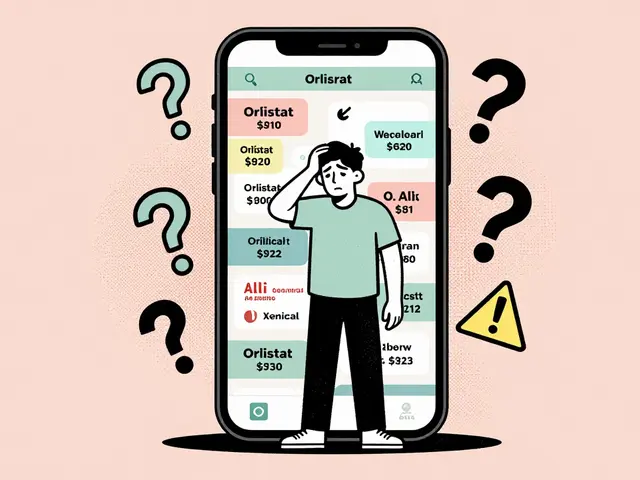
Learn how to safely buy Orlistat online, comparing prices for Alli and Xenical at major retailers like Walmart and Target. Understand the differences between OTC and prescription options.
Discover why your generic medication might feel different from the brand name. Learn about inactive ingredients, bioequivalence, and how to manage sensitivities safely.

This article dives into exploring norxshop.com, an online pharmacy that offers medications at competitive prices. It includes insider information on active promo codes, customer experiences, and usability insights. Whether you're new to online pharmacies or a seasoned pro, you'll find practical tips on leveraging discounts and a thorough review of their services. Notably, the article addresses the site relocation to a new domain.