
If you’ve switched to a plant‑based diet, you’ve probably heard the word "absorption" tossed around. It’s not just about eating veggies; it’s about making sure your body actually pulls the good stuff out of them. In this guide we’ll break down the biggest nutrients that can trip up vegetarians, why they matter, and easy ways to keep your body happy.
Plants are full of vitamins, minerals and protein, but they also contain compounds that can block absorption. For example, phytates in beans and whole grains bind to iron and zinc, making them harder for your gut to pick up. Oxalates in spinach and kale can limit calcium uptake. Knowing where the roadblocks are lets you plan around them instead of getting stuck.
Iron: Plant iron (non‑heme) isn’t absorbed as efficiently as the kind in meat. Pair iron‑rich foods like lentils, chickpeas or fortified cereals with vitamin C sources—think orange slices, bell peppers or a squeeze of lemon on your salad. The acid helps convert iron into a form your gut can grab.
Calcium: Dark leafy greens are great, but oxalates can limit how much calcium you actually get. Mix in low‑oxalate options such as bok choy, kale (steam it to reduce oxalates) or fortified plant milks. Adding a little magnesium‑rich food, like almonds or pumpkin seeds, also supports calcium balance.
Vitamin B12: This one doesn’t naturally occur in plants, so vegans and many vegetarians need fortified foods (nutritional yeast, plant milks, breakfast cereals) or a reliable supplement. Aim for 2‑3 µg daily; most supplements provide 25‑100 µg, which is safe and easier to remember.
Omega‑3s: ALA from flaxseeds, chia and walnuts converts to EPA/DHA, but the conversion rate is low. Include a daily spoonful of ground flax or chia, and consider an algae‑derived EPA/DHA supplement if you want to boost brain and heart health.
Protein: Plant proteins are often incomplete, meaning they miss one or two essential amino acids. Combine different sources throughout the day—beans with rice, hummus with whole‑grain pita, or tofu stir‑fry with quinoa—to get a complete amino acid profile without counting grams.
Another practical tip: soak, sprout or ferment beans, nuts and grains. These processes break down phytates and make minerals more bioavailable. A quick overnight soak for beans or a few days of sprouting almonds can make a noticeable difference.
Finally, don’t forget the role of gut health. A diverse microbiome helps break down fiber and release nutrients. Include fermented foods like kimchi, sauerkraut, miso or a daily probiotic if you’re not already getting them.
Switching to a vegetarian lifestyle doesn’t have to mean compromising on nutrition. By pairing foods wisely, using simple preparation tricks, and supplementing where needed, you can keep your nutrient absorption on point and feel great every day.
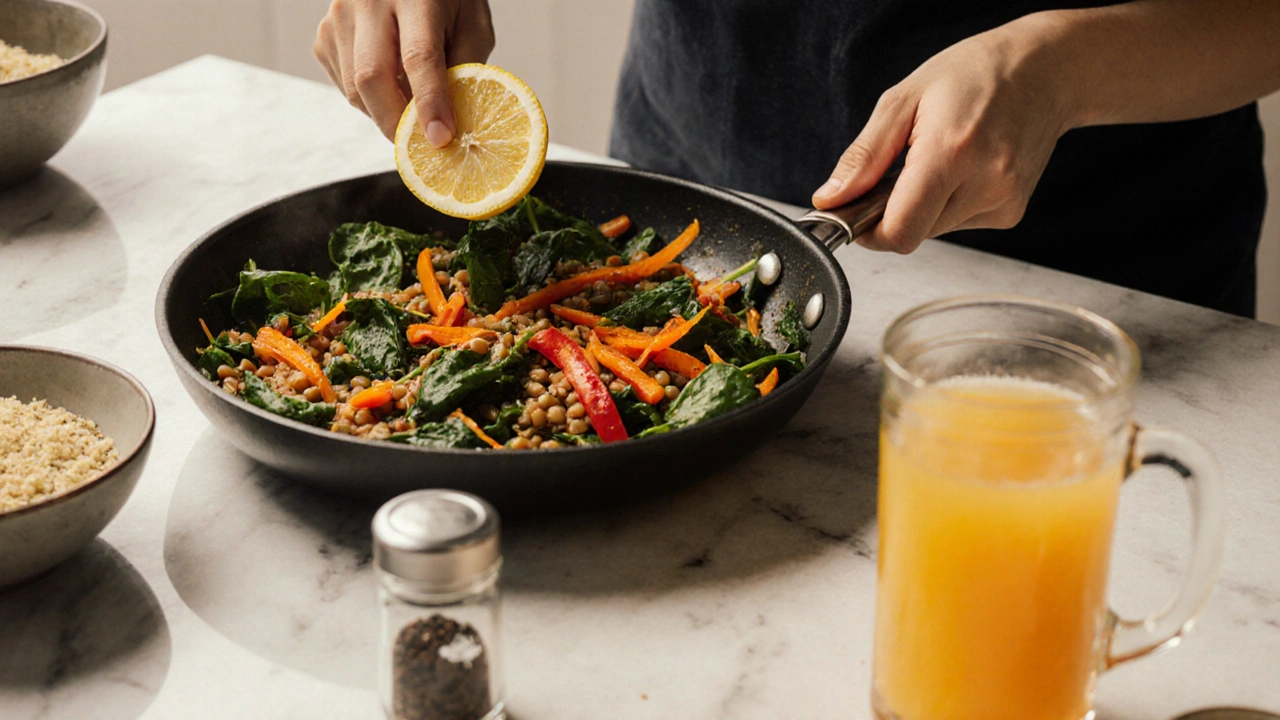
Learn practical ways to boost iron, B12, calcium, vitamin D and zinc absorption on vegetarian and vegan diets with food combos, cooking hacks, and gut‑health tips.

Learn how to buy Glyset (miglitol) online safely. We cover verified pharmacies, cost-saving tips with GoodRx, and steps to avoid counterfeit drugs.
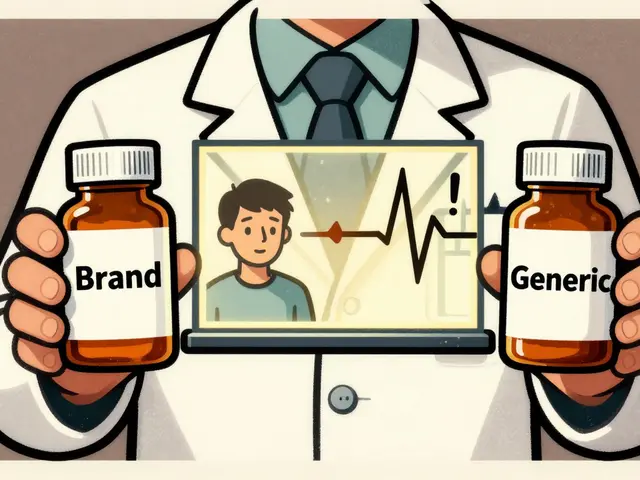
Switching to generic medications can be safe - but for drugs with a narrow therapeutic index, even small changes in absorption can cause serious effects. Learn when dose adjustments are needed and how to protect yourself.

Learn how to reverse a prior authorization denial for your medication. Follow our step-by-step guide to documentation, appeal letters, and maximizing your 82% success chance.
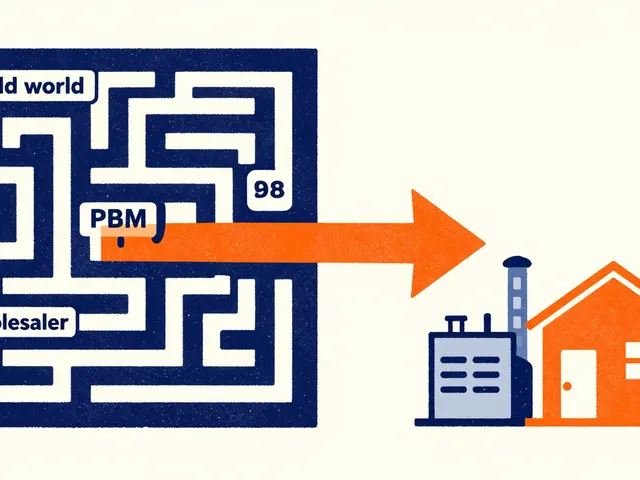
Explore the rise of direct-to-consumer generic pharmacies and how new business models are bypassing PBMs to lower drug prices and improve patient access.

Discover the hidden dangers of mixing alcohol with prescription drugs. Learn how interactions affect your liver, increase overdose risks, and what steps you can take to stay safe.