
When working with transplant medication, drugs designed to stop the immune system from attacking a transplanted organ. Also known as anti‑rejection therapy, it plays a critical role in keeping a new liver, kidney, or heart functional. Transplant medication isn’t a single pill—it’s a mix of drug classes that work together to balance immune suppression and side‑effect risk.
One of the main families is immunosuppressants, agents that lower immune activity to prevent organ rejection. These include calcineurin inhibitors like cyclosporine, a drug that blocks T‑cell activation and its newer sibling tacrolimus, antimetabolites such as mycophenolate, and steroids like prednisone. The relationship is clear: transplant medication encompasses immunosuppressants, and immunosuppressants require precise dosing to avoid infections.
Calcineurin inhibitors (cyclosporine and tacrolimus) influence kidney function, so doctors monitor blood levels closely—this is a classic example of a drug‑drug interaction that shapes treatment plans. Antimetabolites help reduce the dose needed for calcineurin inhibitors, which can lower the risk of kidney toxicity. Steroids add a quick‑acting backup but bring long‑term concerns like bone loss. Understanding these connections helps patients and clinicians pick the right combination for each transplant type.
Beyond the core drugs, newer agents such as mTOR inhibitors (everolimus, sirolimus) offer alternatives when standard regimens cause side effects. The choice often depends on the organ transplanted, the patient’s health history, and the risk of rejection episodes. All these pieces—drug classes, dosing strategies, monitoring protocols—form a web that defines successful transplant medication management.
Below you’ll find articles that break down each medication class, compare popular alternatives, and share practical tips for staying on top of your therapy. Dive in to see how the right mix can protect your new organ and improve your everyday life.
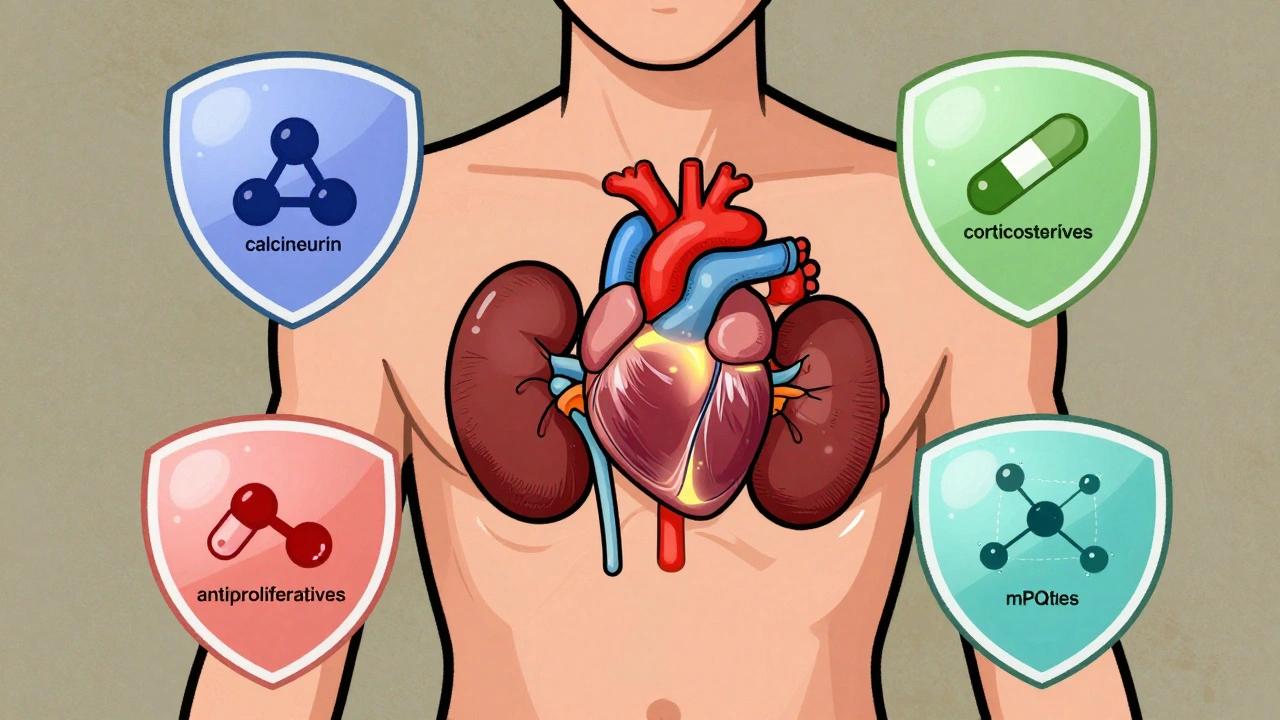
Immunosuppressants prevent organ rejection after transplant but carry serious risks like infection, cancer, and kidney damage. Learn how to manage these drugs safely, avoid missed doses, and reduce long-term side effects.

A detailed side‑by‑side comparison of Neoral (Cyclosporine) with Tacrolimus, Sirolimus, Mycophenolate, and Azathioprine, covering mechanisms, dosing, side effects, cost and monitoring.

Cold sores and pimples look alike but are caused by completely different things. Learn how to tell them apart, what treatments actually work, and how to avoid making common mistakes that make things worse.

Want generic Clomid cheap online? Here’s how to do it safely and legally in 2025-prices, telehealth, legit pharmacies, red flags, and smarter alternatives.

Learn how to create a home medication storage checklist that prevents accidents, keeps drugs effective, and protects children and seniors. Includes expert-backed storage rules, disposal tips, and a printable checklist.
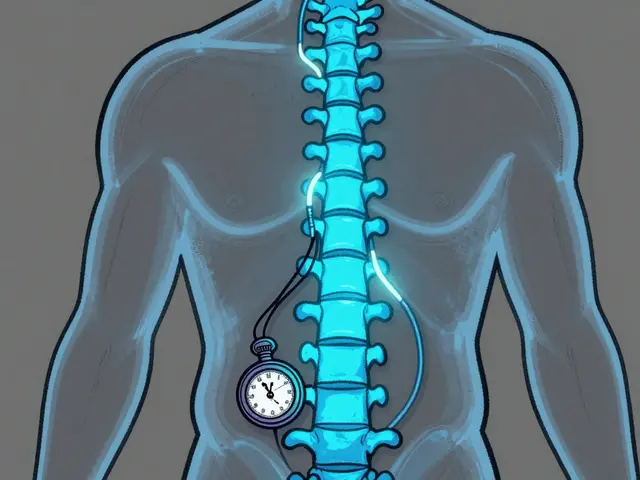
Explore spinal cord stimulation for chronic pain. Learn who qualifies, how the technology works, trial processes, costs, and real-world risks to decide if SCS is right for you.
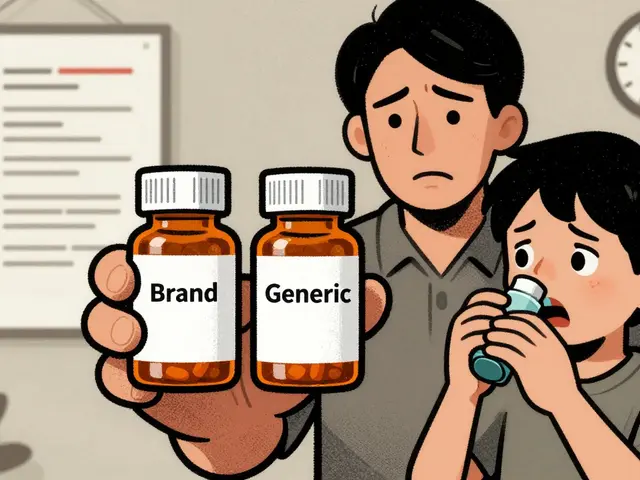
Switching children to generic medications can save money-but it can also risk their health. Learn why pediatric patients are uniquely vulnerable to changes in drug formulations, how insurance policies drive unsafe switches, and what parents and doctors must do to protect kids on chronic meds.