
Learn how to interpret the FDA's Pregnancy and Lactation Labeling Rule (PLLR). This guide explains Section 8, risk summaries, and how to make informed decisions for pregnant and breastfeeding patients.

A side‑by‑side look at Cyclogyl (cyclopentolate) versus other mydriatic eye drops, covering onset, duration, safety, cost and best‑use scenarios.
A personal medication list saves lives by preventing dangerous drug interactions. Learn exactly what to include-prescriptions, OTC drugs, supplements, allergies-and how to keep it updated for maximum safety.
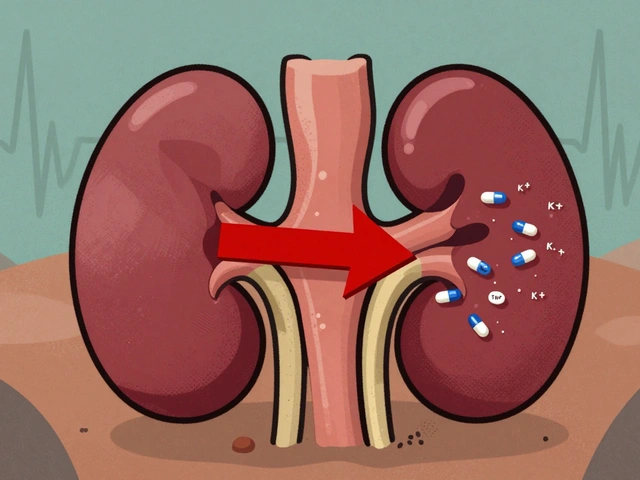
Trimethoprim can cause dangerous spikes in potassium levels, especially in older adults or those on blood pressure meds. Learn who's at risk, how to prevent life-threatening hyperkalemia, and safer antibiotic alternatives.
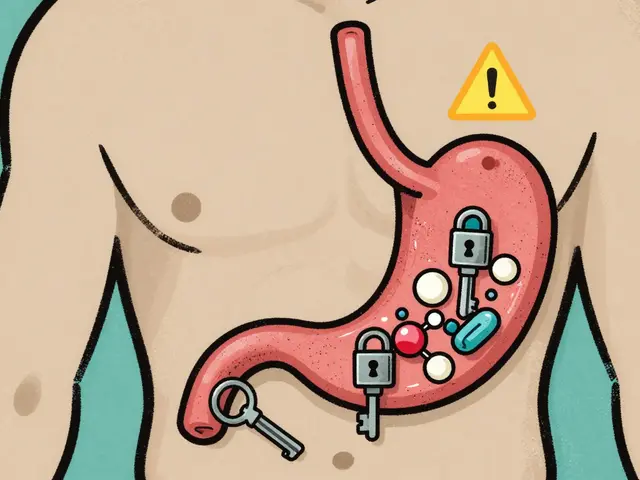
Medicines work through precise chemical interactions in your body. Understanding their mechanism of action helps you use them safely, avoid dangerous interactions, and recognize early warning signs of side effects.
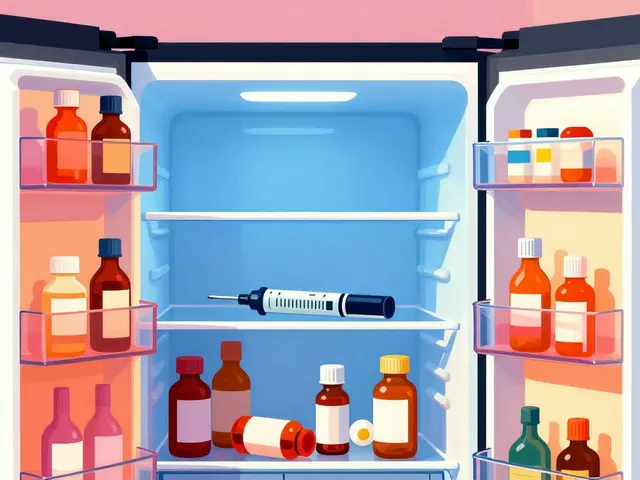
Learn how to safely store refrigerated medications at home. Discover the correct temperature ranges, common mistakes to avoid, and essential tools for keeping biologics and insulin effective.