
When you take a sugar pill and feel better, it’s not magic—it’s the placebo effect, a measurable change in symptoms caused by belief rather than active ingredients. Also known as psychogenic response, it’s one of the most powerful forces in medicine, even when no drug is involved. This isn’t about being gullible. Brain scans show real changes in pain centers, dopamine levels, and stress hormones when people believe they’re getting treatment. The body responds to expectation like it’s responding to a real drug.
The placebo control, the gold standard in clinical trials that isolates true drug effects from belief-driven improvements is why every new medication must prove it works better than a sugar pill. Without it, we couldn’t tell if a drug actually helps—or if people just feel better because they think it should. That’s why the clinical trials, rigorous studies that test drugs against placebos to measure real effectiveness are non-negotiable. Companies spend billions on them because a drug that only works as a placebo isn’t worth selling.
But here’s the twist: the placebo effect isn’t just a research tool. It’s active in everyday medicine. A patient who trusts their doctor and believes their prescription will work often has better results—even if the drug itself has minimal impact. That’s why side effects like nausea or dizziness sometimes show up in placebo groups too. Your brain expects them, so your body delivers. Even open-label placebos—where patients know they’re getting a sugar pill—can still work if framed right.
It’s not just about pills. The way a treatment is delivered matters. A shot feels more powerful than a pill. A branded pill feels more effective than a generic. A doctor who spends time listening triggers stronger placebo responses than one who rushes. These aren’t tricks—they’re biological realities shaped by culture, experience, and trust.
And it’s not just for pain or depression. Studies show the placebo effect plays a role in asthma, Parkinson’s, IBS, and even immune responses. In one trial, patients with eczema improved just as much with a placebo cream labeled "expensive" as they did with the real treatment labeled "cheap." The mind doesn’t care about cost—it cares about meaning.
That’s why the posts below matter. You’ll find real-world examples of how the placebo effect hides in plain sight: in generic drug reactions, in how patients respond to different pill colors, in why some people swear by supplements that science says shouldn’t work. You’ll see how drug manufacturers design packaging and dosing to maximize belief. And you’ll learn why a pill that works for one person might fail for another—not because of chemistry, but because of context.
This isn’t about dismissing real medicine. It’s about understanding the full picture. The placebo effect doesn’t make drugs fake—it makes human biology more complex, more powerful, and more personal than we often admit. What you believe can change how your body heals. And that’s something every patient, doctor, and drug developer needs to understand.
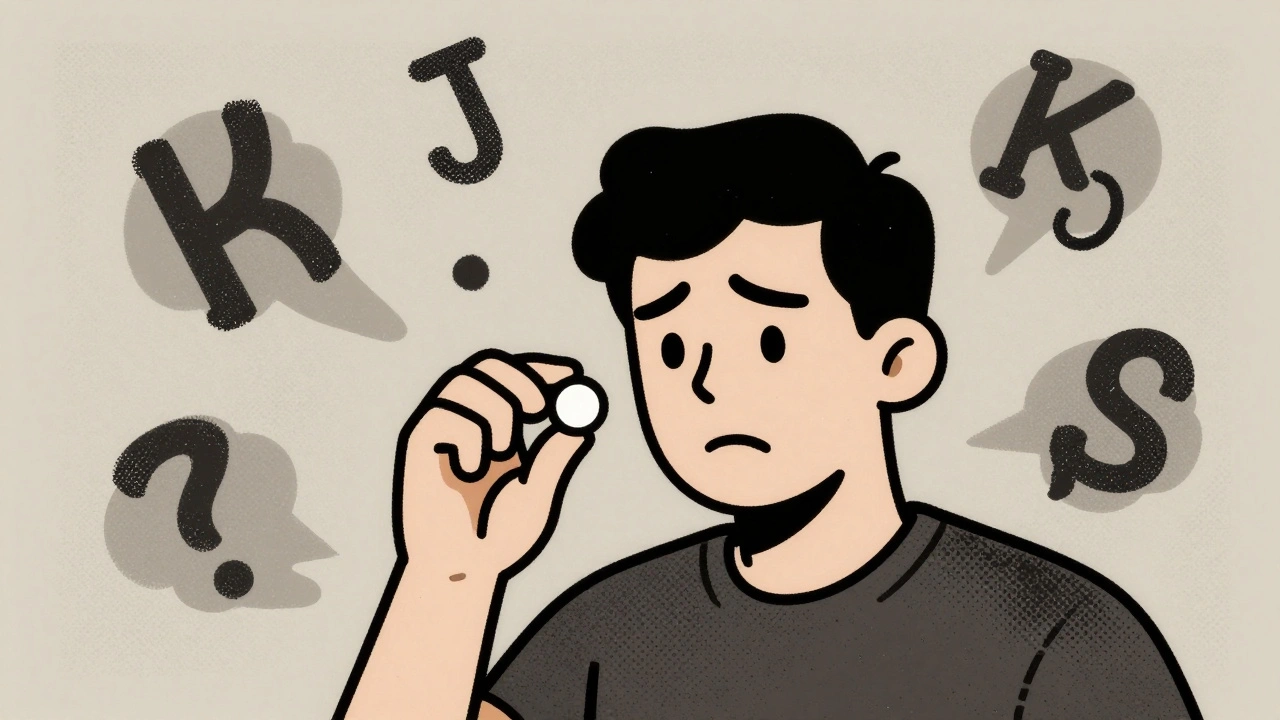
The nocebo effect explains why people feel side effects from medications even when the drug has no active ingredient. Expectations, not chemistry, often drive these reactions - and they're more common than you think.
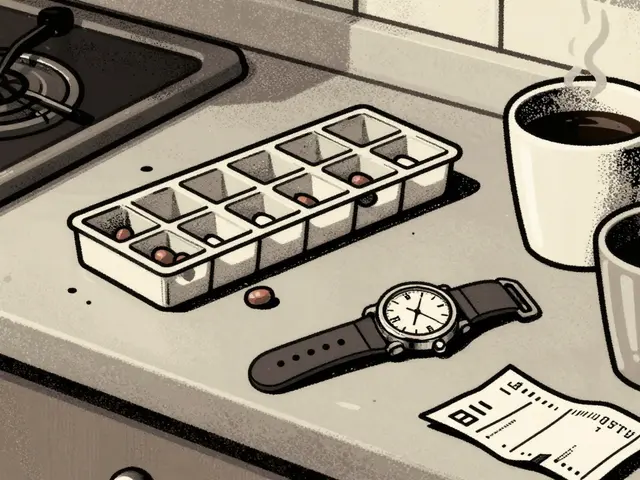
Over half of patients with chronic conditions skip or forget their medications due to cost, confusion, complex schedules, and fear of side effects. Understanding these barriers is the first step to better health outcomes.
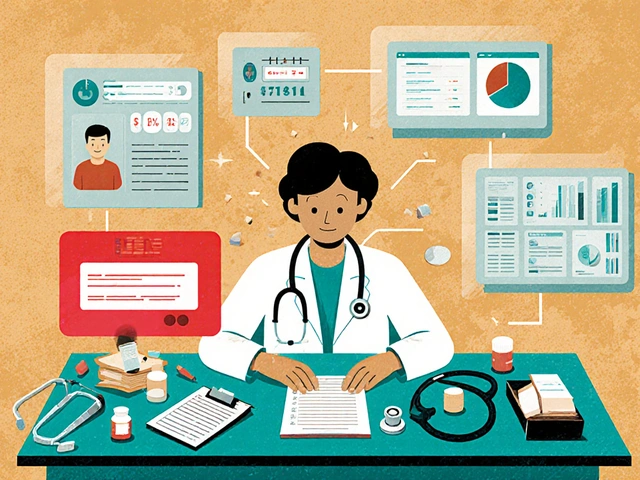
Learn how clinician portals and apps help healthcare providers detect adverse drug reactions in real time. Discover which tools work best for hospitals, clinical trials, and low-resource settings-and how to use them without burnout.
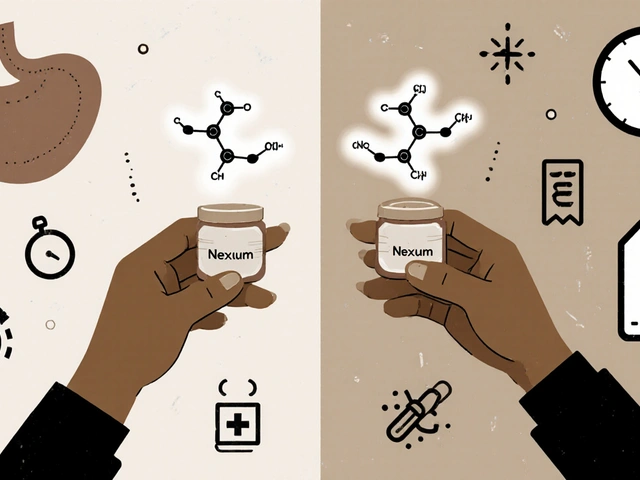
Compare Nexium (esomeprazole) with generic alternatives like omeprazole, lansoprazole, and pantoprazole. Learn which PPI works best for acid reflux, how to switch safely, and when lifestyle changes can replace medication.
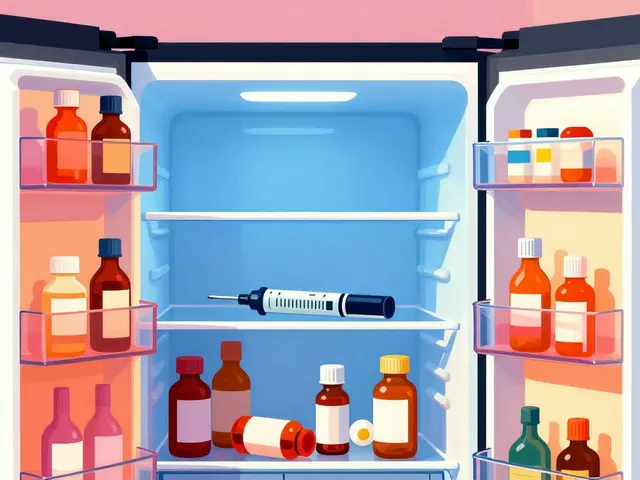
Learn how to safely store refrigerated medications at home. Discover the correct temperature ranges, common mistakes to avoid, and essential tools for keeping biologics and insulin effective.
Discover how specialized rehab and occupational therapy tackle functional impairment in autoimmune diseases. Learn about energy conservation, safe exercise dosing, and overcoming the boom-bust cycle.