
When you believe a medicine will make you feel worse, it often does—even if it’s a sugar pill. This isn’t imagination. It’s the nocebo effect, the negative counterpart to the placebo effect, where harmful expectations trigger real physical symptoms. Also known as negative placebo response, it’s behind why some people report side effects from generic drugs that don’t match the brand, or why others feel dizzy after reading the warning label. The nocebo effect doesn’t need chemicals to work—just belief, fear, or a bad experience.
This isn’t just about anxiety. Studies show people given inert pills but told they might cause nausea, fatigue, or sexual dysfunction often report those exact symptoms. In one trial, patients told their new blood pressure pill could cause dizziness had twice the dropout rate compared to those told it was safe—even though both groups got the same inactive pill. The placebo effect, the well-known phenomenon where positive expectations improve health outcomes gets all the attention, but the nocebo effect, its dark twin that turns worry into physical pain is just as powerful—and way more common in real-world prescribing.
It shows up in unexpected places. People switching from brand-name to generic levothyroxine sometimes report new side effects, even though the active ingredient is identical. Why? Because they’ve heard generics aren’t as good. Patients on statins who read online forums about muscle pain are far more likely to report it themselves—even if their blood tests show no damage. The medication side effects, the list of possible harms printed on every drug label becomes a self-fulfilling prophecy. And when doctors skip explaining how expectations shape outcomes, they’re leaving patients vulnerable to this invisible force.
It’s not about being weak-minded. The brain and body are wired to anticipate harm. If you’ve had a bad reaction before, your nervous system remembers—and can replay it, even without the drug. That’s why the psychological symptoms, physical sensations triggered by belief rather than chemistry you feel from a nocebo response are just as real as those from a chemical reaction. Your headache, your nausea, your fatigue—they’re not fake. They’re your body responding to what you think is happening.
But here’s the good news: understanding the nocebo effect gives you power. Knowing that your expectations shape your experience helps you question them. It’s why some doctors now use "framing"—telling you, "Most people don’t feel anything from this, but if you do, it’s usually mild and temporary"—instead of reading off a scary list. It’s why reading patient forums before starting a new med can backfire. And it’s why the same pill can feel different depending on who hands it to you and how they say, "This will help."
Below, you’ll find real stories and research on how expectations shape treatment outcomes—from generic drug reactions to anxiety meds and beyond. These aren’t just about pills. They’re about how your mind talks to your body, and how you can take back control.
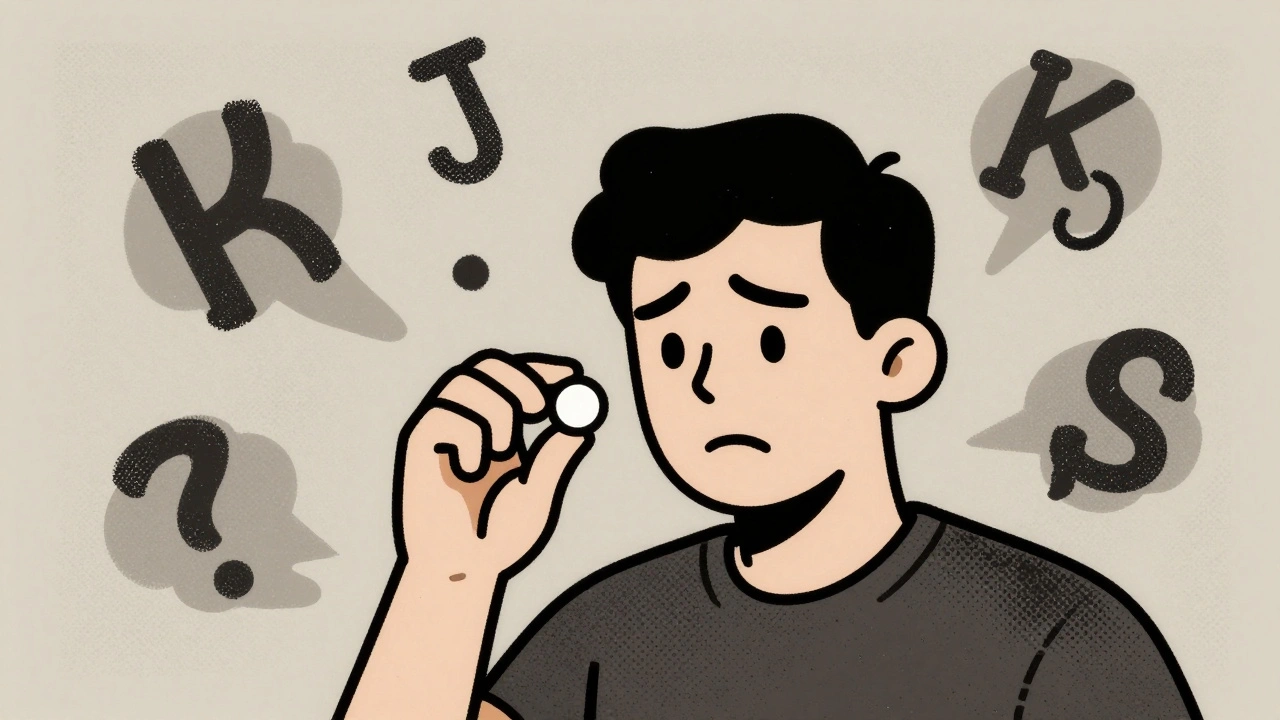
The nocebo effect explains why people feel side effects from medications even when the drug has no active ingredient. Expectations, not chemistry, often drive these reactions - and they're more common than you think.
Learn how to buy Glyset (miglitol) online safely. We cover verified pharmacies, cost-saving tips with GoodRx, and steps to avoid counterfeit drugs.
Military deployment exposes medications to extreme heat, storage failures, and access delays that can render life-saving drugs ineffective. From vaccines to insulin, improper storage threatens soldier readiness-and the military is racing to fix it.

Sunburn and heatstroke often strike during hot days but are not the same thing. This article spotlights key differences, how to recognize early warning signs, and real-life ways to treat each condition if you or someone else gets hit. It covers prevention tips, real facts, and the science behind both sunburn and heatstroke. Whether you're sunbathing, working outdoors, or just enjoying a sunny weekend, you'll find clear guidance to keep yourself safe. Read on to know what to do if the summer heat gets the better of you.

Explore the real evidence behind probiotics. Learn how to match specific strains like LGG to your digestive needs and avoid common supplement pitfalls.
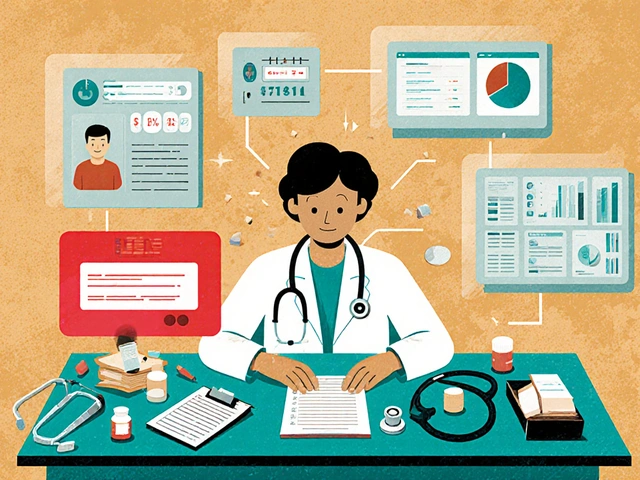
Learn how clinician portals and apps help healthcare providers detect adverse drug reactions in real time. Discover which tools work best for hospitals, clinical trials, and low-resource settings-and how to use them without burnout.