
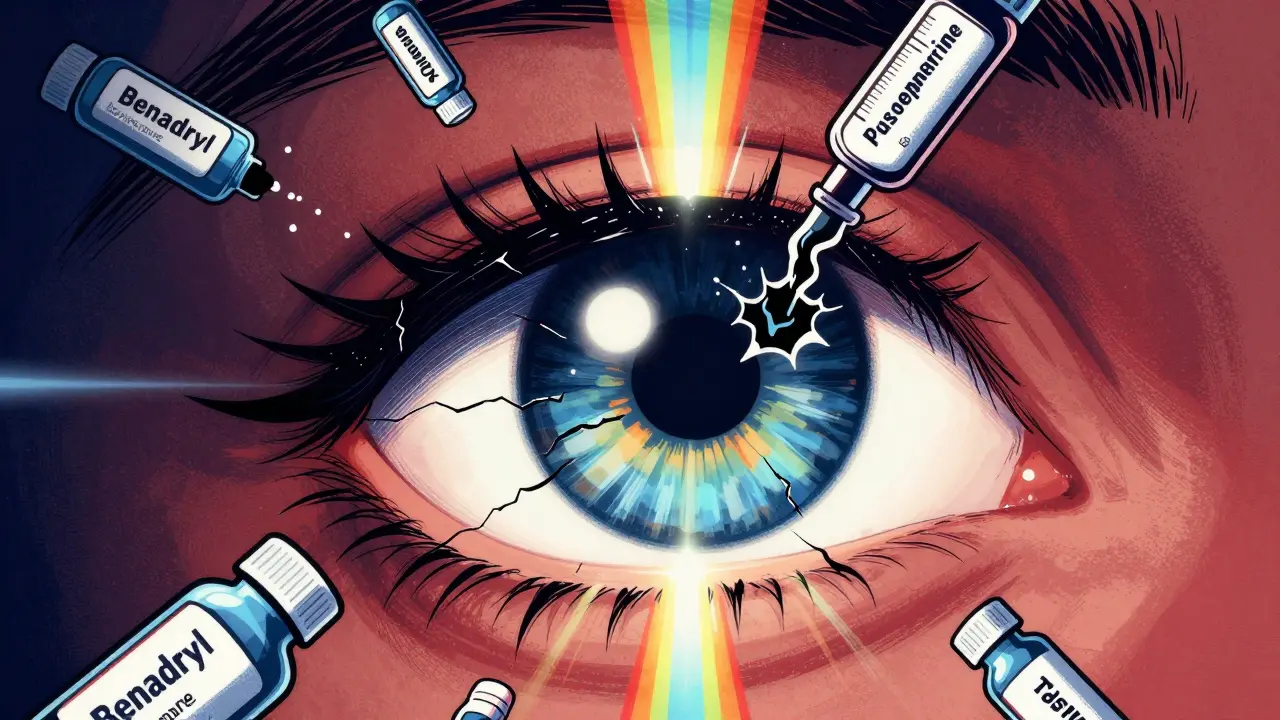
Medication-induced acute angle-closure glaucoma is a sudden, sight-threatening eye emergency triggered by common drugs like decongestants, antihistamines, and antidepressants. Learn who's at risk, which meds cause it, and how to prevent permanent vision loss.
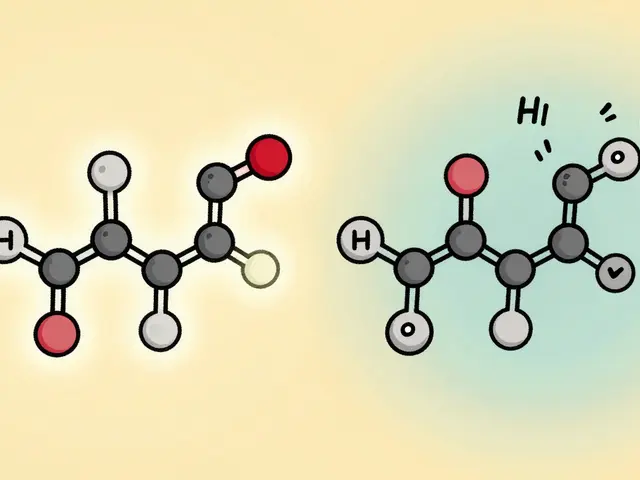
Cetirizine and levocetirizine both treat allergies, but levocetirizine causes less drowsiness. Learn why one might be better for daytime use and how to choose based on your needs.
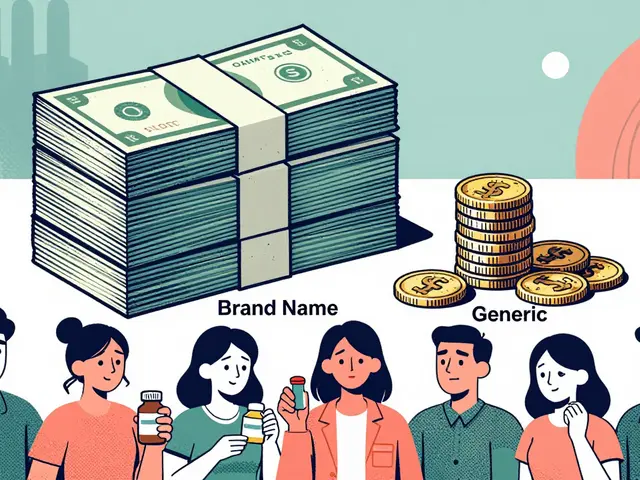
Learn how to buy generic Yasmin online safely and cheaply in 2026. Compare prices from RedBox Rx, Pandia Health, and GoodRx, and discover safe telemedicine options for affordable birth control.
Discover how time-to-onset patterns vary by drug class. Learn when to expect side effects for antibiotics, statins, and ACE inhibitors, and why timing is key to accurate diagnosis.

Learn practical ways to boost iron, B12, calcium, vitamin D and zinc absorption on vegetarian and vegan diets with food combos, cooking hacks, and gut‑health tips.

Vascular, frontotemporal, and Lewy body dementia are three distinct brain disorders with different causes, symptoms, and treatments. Knowing the difference can prevent dangerous misdiagnoses and improve care.