
When it comes to catching lung cancer before it spreads, LDCT, a low-dose computed tomography scan designed specifically for lung cancer screening. Also known as low-dose CT scan, it uses far less radiation than a standard CT and is the only test proven to reduce lung cancer deaths in high-risk groups. Unlike regular X-rays, LDCT takes detailed cross-sectional images of your lungs, letting doctors spot tiny nodules—some as small as a grain of rice—that might be early signs of cancer.
LDCT isn’t for everyone. It’s recommended for people aged 50 to 80 who have a 20-pack-year smoking history and either still smoke or quit within the last 15 years. That’s about two packs a day for ten years, or one pack a day for twenty. The U.S. Preventive Services Task Force and the American Cancer Society both back this guideline because studies like the National Lung Screening Trial showed LDCT cuts lung cancer deaths by 20% compared to chest X-rays. It’s not a perfect tool—false positives happen, and not every nodule is cancer—but for those at risk, the benefit outweighs the risk.
What you find with LDCT matters just as much as getting the scan. If a nodule shows up, your doctor will track its size and shape over time. Some disappear on their own. Others grow slowly and may need a biopsy. A few turn out to be cancer—and catching them early means surgery alone can often cure it. That’s why LDCT isn’t just a test; it’s a lifeline for people who’ve been exposed to smoking or secondhand smoke for years. It’s also changing how we think about prevention: instead of waiting for symptoms like coughing, weight loss, or chest pain, we’re now scanning before anything feels wrong.
LDCT also connects to other health factors. People who get screened often have other risks—high blood pressure, COPD, or a family history of cancer. That’s why many clinics pair LDCT with smoking cessation programs. Quitting smoking after a scan still lowers your risk, even if you’ve smoked for decades. And while LDCT focuses on lungs, the scan sometimes picks up other issues: enlarged heart, liver spots, or even early signs of emphysema. It’s not just about cancer. It’s about your whole lung health.
What you’ll find in the posts below are real stories and clear guides on how LDCT fits into everyday health decisions. You’ll see how it compares to other screening tools, what happens after an abnormal result, how to talk to your doctor about getting screened, and why some people still avoid it despite the evidence. There’s no fluff here—just what works, what doesn’t, and what you need to know to protect yourself or someone you care about.
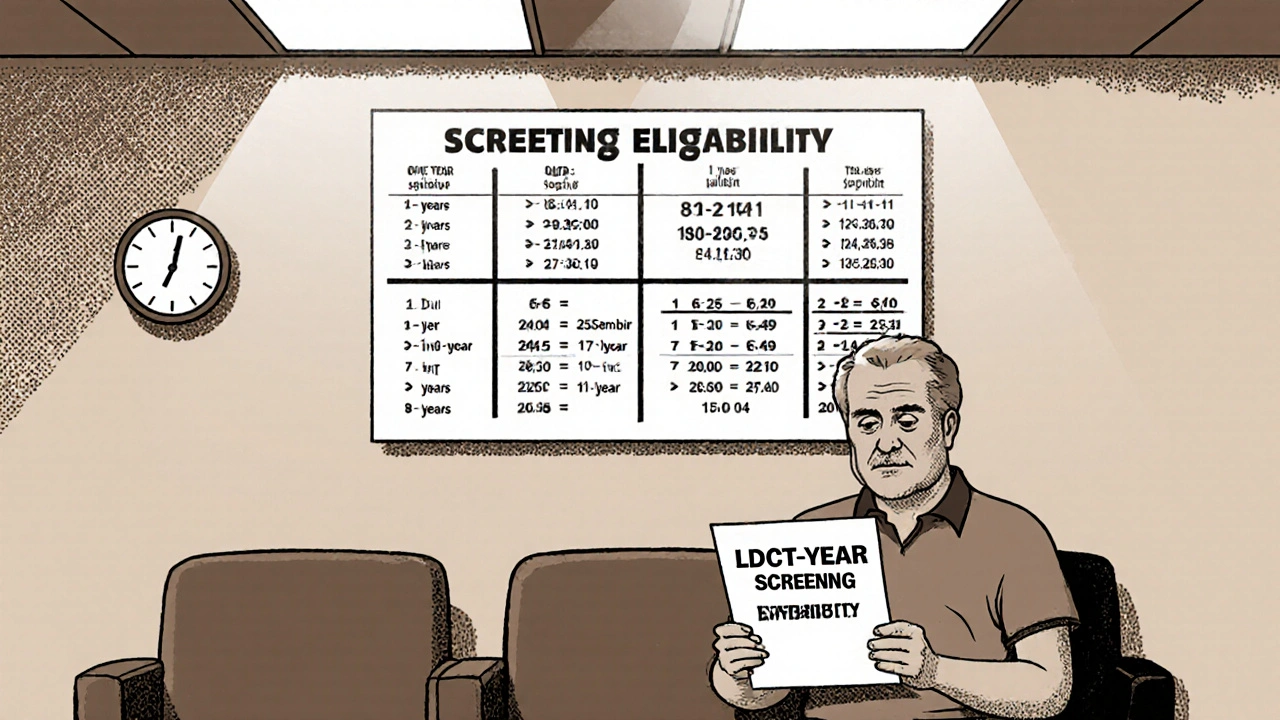
Low-dose CT screening can save lives in smokers by catching lung cancer early. Learn who qualifies, how it works, the real risks, and what to do next.
Learn how to maximize savings on generic drugs with Medicare Part D. Explore the $2,000 out-of-pocket cap, copay structures, and the Inflation Reduction Act's impact.
Explore how genetics, therapeutic monitoring, and new delivery methods can personalize ethambutol therapy, reduce eye toxicity, and boost TB treatment success.
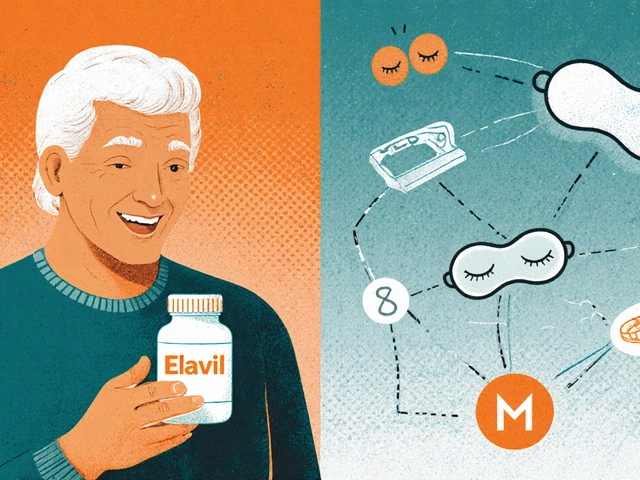
Elavil (amitriptyline) is still used for pain, sleep, and depression, but many patients seek alternatives due to side effects. Compare duloxetine, pregabalin, mirtazapine, SSRIs, and non-drug options to find what works best for you.
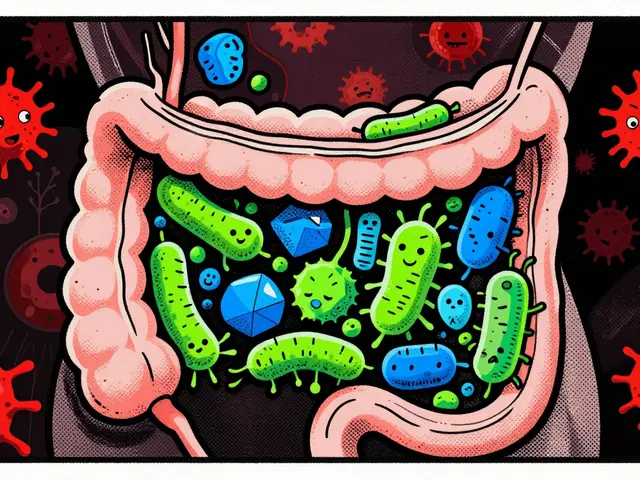
Learn how antibiotics trigger C. diff colitis and why fecal transplants are now the gold standard for recurrent infections. Understand risks, treatments, and prevention strategies.

Learn how progesterone affects gut motility, bile flow, and microbiome health, recognize deficiency signs, and discover natural and medical ways to improve digestion.