
When you take certain medications, your body’s ability to handle heat changes—sometimes dangerously. These are called heat exposure drugs, medications that impair your body’s cooling mechanisms or increase sensitivity to high temperatures. Also known as thermoregulatory-interfering drugs, they don’t just cause discomfort—they can lead to heat exhaustion, heat stroke, or even death if ignored. It’s not just about sweating more. These drugs interfere with how your body regulates temperature, slows down fluid loss, or blocks the signals that tell you you’re overheating.
Many of these drugs fall into common categories. anticholinergics, medications that block acetylcholine, a key neurotransmitter for sweat production, are a big one. Think diphenhydramine in allergy pills or amitriptyline for pain and sleep. They stop your sweat glands from working, so your body can’t cool down. Then there are diuretics, drugs like hydrochlorothiazide that make you pee more to lower blood pressure. They drain your fluids, and when it’s hot, that dehydration hits faster. Even some antidepressants, blood pressure meds like ramipril, and stimulants used for focus can mess with your body’s heat response. You might not realize it until you’re dizzy, nauseous, or confused.
Heat exposure drugs don’t act alone. They often team up with other risks—like being over 65, having heart disease, or spending time outside without water. A 70-year-old on a diuretic for high blood pressure who takes an antihistamine for allergies? That’s a recipe for trouble on a 90-degree day. The problem isn’t the drug itself—it’s the combination of the drug, the weather, and your body’s reduced ability to adapt. Many people think, "I’ve taken this pill for years," but heat changes everything. Your body’s limits shrink when the temperature rises.
What can you do? First, know your meds. Check your pill bottles. If you’re on anything for blood pressure, depression, allergies, or bladder control, ask your doctor if it affects heat tolerance. Second, stay hydrated—not just with water, but with electrolytes if you’re sweating a lot. Third, avoid the sun during peak hours. Wear light clothes. Use fans or AC. If you feel lightheaded, nauseous, or unusually tired in the heat, get indoors immediately. Don’t wait for a heat stroke to happen.
Below, you’ll find real-world guides on how specific medications interact with heat, what alternatives exist, and how to manage your health safely when temperatures climb. Whether you’re on a diuretic, an anticholinergic, or just worried about your meds in summer, these posts give you the facts—not guesses. No fluff. Just what you need to protect yourself.

Military deployment exposes medications to extreme heat, storage failures, and access delays that can render life-saving drugs ineffective. From vaccines to insulin, improper storage threatens soldier readiness-and the military is racing to fix it.
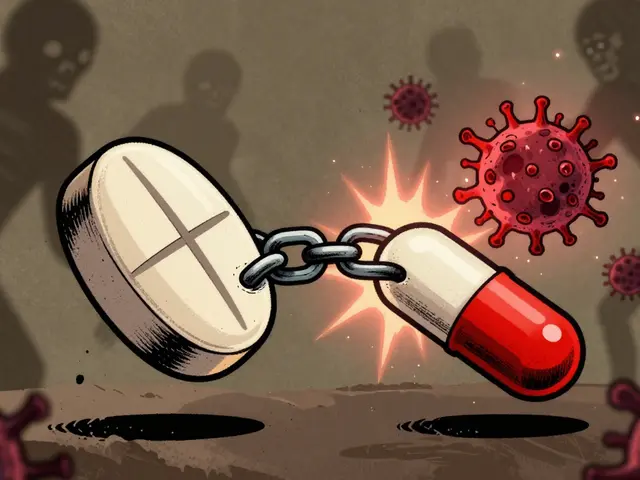
Calcium and iron supplements can block antibiotics, thyroid meds, and heartburn pills from working. Learn how to time your supplements so your medications actually work-and avoid hidden health risks.

Detailed guidance on how to buy cimetidine online safely, including tips on reputable sources, avoiding scams, and key facts about this popular medication.
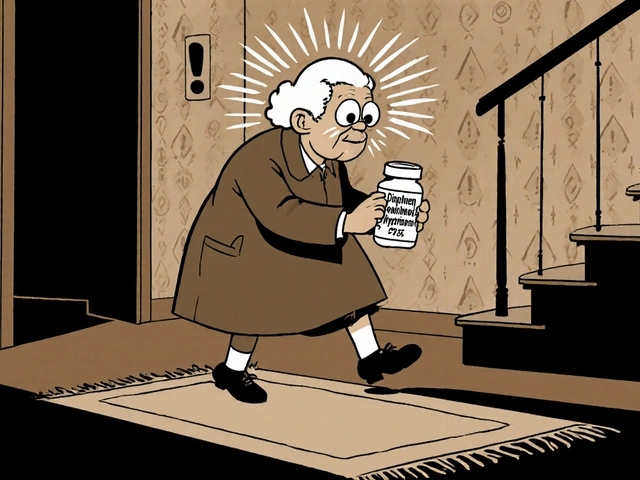
Sedating antihistamines like diphenhydramine significantly increase fall risk in older adults. Learn why first-generation options are dangerous, which safer alternatives exist, and practical steps to prevent falls through medication changes and home safety.

Ursodeoxycholic acid (UDCA) plays a pivotal role in bile acid metabolism, offering numerous benefits for individuals with liver health concerns. It's fascinating how this substance can improve the breakdown and absorption of dietary fats and vitamins. For those grappling with liver disorders, understanding UDCA's impact is key to better health outcomes. This article explores the science behind UDCA, its practical advantages, and offers tips for maximizing its benefits.
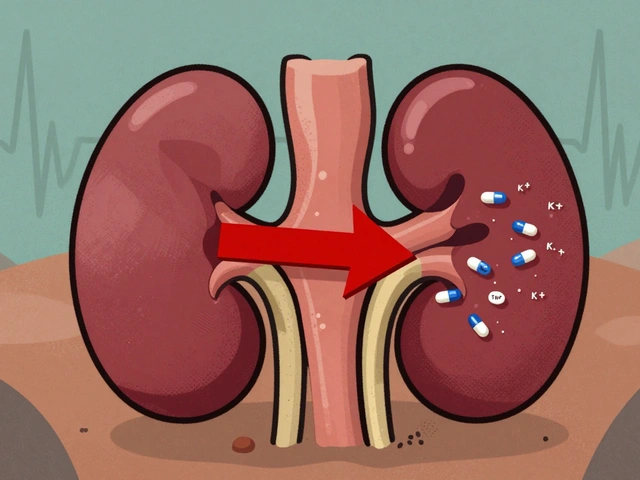
Trimethoprim can cause dangerous spikes in potassium levels, especially in older adults or those on blood pressure meds. Learn who's at risk, how to prevent life-threatening hyperkalemia, and safer antibiotic alternatives.