
Living with epilepsy means finding the right balance to manage seizures without too many side effects. Treatment isn't one-size-fits-all—what helps one person might not work for another. The first step often involves anti-epileptic drugs (AEDs) which aim to reduce how often seizures happen or stop them completely.
Medications like gabapentin, levetiracetam, and phenytoin are common choices. They work by calming brain activity to prevent seizures. Your doctor will look closely at your type of seizures and personal health before recommending a drug. It's normal to try a few options until you find the right fit because side effects and effectiveness differ among individuals.
Medicine is vital, but lifestyle changes can also make a big difference. Regular sleep, managing stress, and sticking to your medication schedule help keep seizures under control. Some people explore dietary approaches like the ketogenic diet, which has shown promise in reducing seizures for certain cases.
If meds and lifestyle tweaks aren't enough, other treatments like surgery or nerve stimulation might be options. Surgery aims to remove the seizure source if it's in a confined area of the brain. Nerve stimulation devices send electrical pulses to prevent seizures. These are usually for cases where drugs alone don’t cut it.
Epilepsy treatment is rarely instant. It takes time to find what works best while managing side effects. Open communication with your healthcare team is essential so they can adjust your plan as needed. Don’t hesitate to share how your seizures change or if medications cause issues like dizziness or mood shifts.
Remember, controlling epilepsy goes beyond just stopping seizures. It's about helping you live a full, active life with as little disruption as possible. With the right support and treatment, many people with epilepsy lead healthy, normal lives.

This easy-to-read guide explains in plain language how levetiracetam controls seizures, making it accessible for patients and caregivers. It covers what levetiracetam does in the brain, how it helps people with epilepsy, what side effects to look for, and tips to get the most out of the medication. You'll learn what to expect and get practical advice, plus a helpful resource for understanding how levetiracetam works.

Fake generic drugs are a growing global threat, slipping into supply chains through unregulated distributors, online pharmacies, and weak tracking systems. Learn how they're made, where they come from, and how to protect yourself.

Ursodeoxycholic acid (UDCA) plays a pivotal role in bile acid metabolism, offering numerous benefits for individuals with liver health concerns. It's fascinating how this substance can improve the breakdown and absorption of dietary fats and vitamins. For those grappling with liver disorders, understanding UDCA's impact is key to better health outcomes. This article explores the science behind UDCA, its practical advantages, and offers tips for maximizing its benefits.
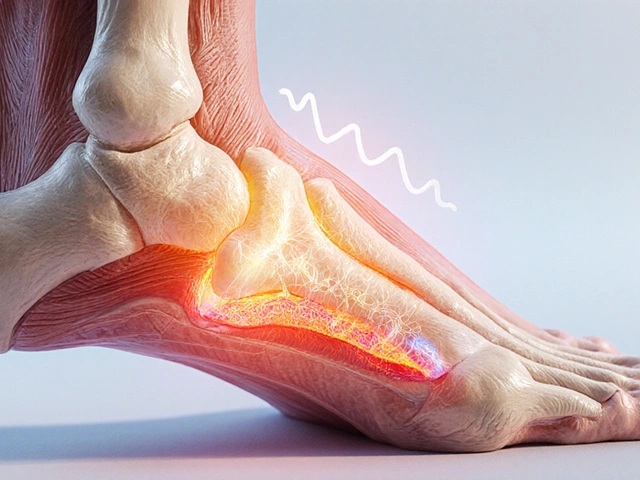
Discover how to soothe tendonitis pain naturally with ice, heat, stretches, strengthening exercises, and anti‑inflammatory herbs for lasting relief.
FDALabel is the FDA's free, searchable database of over 149,000 drug labels. Learn how to search by section, pharmacologic class, and MedDRA terms to find accurate drug safety information for research, compliance, and clinical use.
Ceramides restore the skin barrier in eczema by replacing missing lipids. Proper bathing-short, lukewarm soaks followed by immediate moisturizing-boosts results. Learn how to use ceramides effectively for lasting relief.