
If you’ve ever walked down the supplement aisle, you’ve probably seen bright green packets labeled chlorella or spirulina. Both claim to boost energy, support immunity, and even help with weight loss. But are they really the same thing? Let’s break down the basics so you can decide which one fits your routine.
Chlorella is a single‑cell freshwater algae. It packs a lot of protein – about 60 % by weight – and is rich in chlorophyll, which gives it a deep green color. It also contains a good dose of vitamin B12 (though the form is debated), iron, and omega‑3 fatty acids in the form of alpha‑linolenic acid.
Spirulina, on the other hand, is a blue‑green cyanobacterium that grows in salty water. Its protein content is similar, around 55‑60 %. Spirulina shines with phycocyanin, a pigment that acts as an antioxidant, and it has higher levels of beta‑carotene, vitamin K, and essential minerals like magnesium and potassium.
Both provide a full set of essential amino acids, making them complete proteins. If you’re looking for a boost in iron, chlorella edges out spirulina. If you want more antioxidants, spirulina takes the lead.
Taste matters. Chlorella has a strong, grassy flavor that some people find hard to mask. Spirulina tastes a bit milder, with a hint of seaweed, which blends easier into smoothies or juices.
Price can also tip the scales. Because chlorella needs a more controlled environment to grow, it often costs a bit more per gram than spirulina. If you’re on a tight budget, spirulina might be the safer bet.Health goals guide the choice too. If you’re chasing better digestion, chlorella’s cell wall is tough but can be broken down with a “broken‑cell” process, making nutrients more accessible. Spirulina’s phycocyanin has been linked to reduced inflammation, so it’s a good pick for joint comfort.
Both are safe for most adults when taken at recommended doses (usually 1‑3 g per day). Start with a small amount to see how your body reacts, especially if you have a thyroid condition – both algae contain iodine.
In summary, chlorella and spirulina share many strengths but differ in iron content, antioxidant mix, taste, and price. Pick chlorella if iron and chlorophyll are top priorities, or reach for spirulina if you prefer a milder flavor and a stronger antioxidant punch. Either way, adding a daily scoop can give you a solid protein boost and a host of vitamins without the hassle of a multivitamin.

Curious about chlorella? Get an evidence-based look at its nutrition, real benefits, safe dosage, side effects, and how to choose a clean, quality supplement.

Medication-induced acute angle-closure glaucoma is a sudden, sight-threatening eye emergency triggered by common drugs like decongestants, antihistamines, and antidepressants. Learn who's at risk, which meds cause it, and how to prevent permanent vision loss.

Digestive enzyme supplements can help with specific GI conditions like EPI or lactose intolerance, but aren't a cure-all. Learn when they work, which ones to choose, and when to see a doctor instead.

A complete guide to buying Verapamil online safely in 2026. Learn where to find affordable generic options, verify pharmacy legitimacy, and compare prices across top platforms.
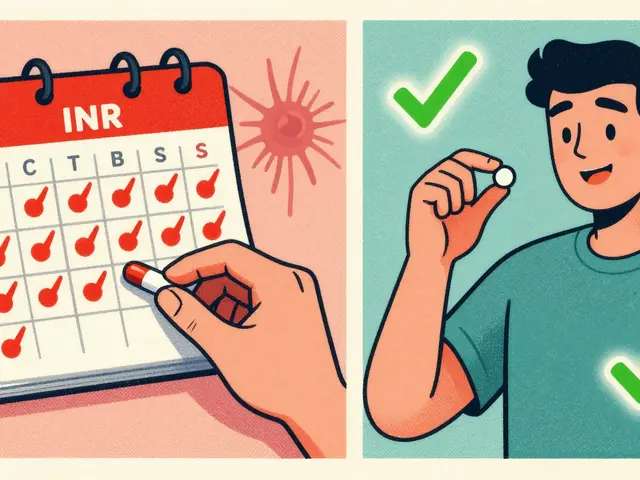
Warfarin and DOACs are both blood thinners used to prevent clots, but DOACs are now preferred for most patients due to better safety, fewer interactions, and no need for regular blood tests. Learn the key differences and what to do in an emergency.

Learn how to safely buy erythromycin online in 2026. Discover trusted pharmacies, save money with discount tips, and avoid fake drug scams with this comprehensive guide.