
Stopping Benzodiazepines is a process that requires careful planning and medical supervision to avoid severe withdrawal symptoms. If you have been taking these medications for anxiety or sleep for more than a few weeks, your body has likely adapted to their presence. Suddenly cutting off the supply can trigger a cascade of physical and psychological reactions, ranging from intense anxiety to life-threatening seizures. This isn't about willpower; it's about neurochemistry. The goal of benzodiazepine tapering is the gradual reduction of dosage to allow the brain to regain its natural balance without shock.
In 2024, a coalition of ten major professional societies released a Joint Clinical Practice Guideline on Benzodiazepine Tapering. This document represents the most comprehensive consensus yet on how to safely discontinue these drugs. It emphasizes that while benzodiazepines are effective for short-term relief, long-term use carries significant risks, especially for older adults who face higher chances of falls, cognitive decline, and accidents. The guideline stresses that tapering should begin when the risks of continuing outweigh the benefits, but it must be done with patience, flexibility, and individualized care.
Understanding the Risks of Long-Term Use
To understand why tapering is necessary, we need to look at what benzodiazepines do in the brain. These drugs enhance the effect of the neurotransmitter GABA, which calms nerve activity. Over time, your brain compensates by reducing its own GABA production and sensitivity. When you stop taking the drug abruptly, the brakes fail, and the nervous system goes into overdrive.
The risks vary significantly by age and health status. For older adults, the Beers Criteria lists benzodiazepines as potentially inappropriate medications due to their impact on cognition and balance. A fall caused by dizziness or confusion can lead to hip fractures or head trauma, which are often devastating for seniors. Additionally, there is a well-documented link between long-term benzodiazepine use and an increased risk of dementia. While the causal relationship is still being studied, the correlation is strong enough that many clinicians now prioritize tapering for patients over 65 unless there are compelling reasons to continue.
For younger patients, particularly those with post-traumatic stress disorder (PTSD) or chronic pain, benzodiazepines can interfere with the effectiveness of other treatments like cognitive behavioral therapy (CBT). The Department of Veterans Affairs identifies continuing benzodiazepine prescriptions for PTSD patients as a high-risk practice because it reduces the efficacy of evidence-based therapies and increases mortality rates. Recognizing these hidden costs is the first step toward deciding to taper.
Core Principles of a Safe Taper
There is no one-size-fits-all schedule for tapering. However, the 2024 Joint Guideline provides clear structural recommendations. The core principle is slow and steady. A common starting point is a reduction of 5-10% of the total daily dose every two to four weeks. This might sound agonizingly slow, but it respects the biology of your brain receptors, which take time to readjust.
The speed of your taper should depend on how long you have been taking the medication. Here is a general framework based on guidelines from the Oregon Health Authority:
- 2-8 weeks of use: Taper over at least 2 weeks.
- 8 weeks to 6 months of use: Taper over at least 4 weeks.
- 6 months to 1 year of use: Taper over at least 8 weeks.
- More than 1 year of use: Taper over 6 to 18 months.
If you experience significant withdrawal symptoms during a reduction, pause the taper. Stay at the current dose until you stabilize, then try again with a smaller reduction. The goal is not just to get off the drug, but to get off it in a way that allows you to function and feel relatively normal. Pushing through severe distress often leads to relapse or unnecessary suffering.
Choosing Your Tapering Method
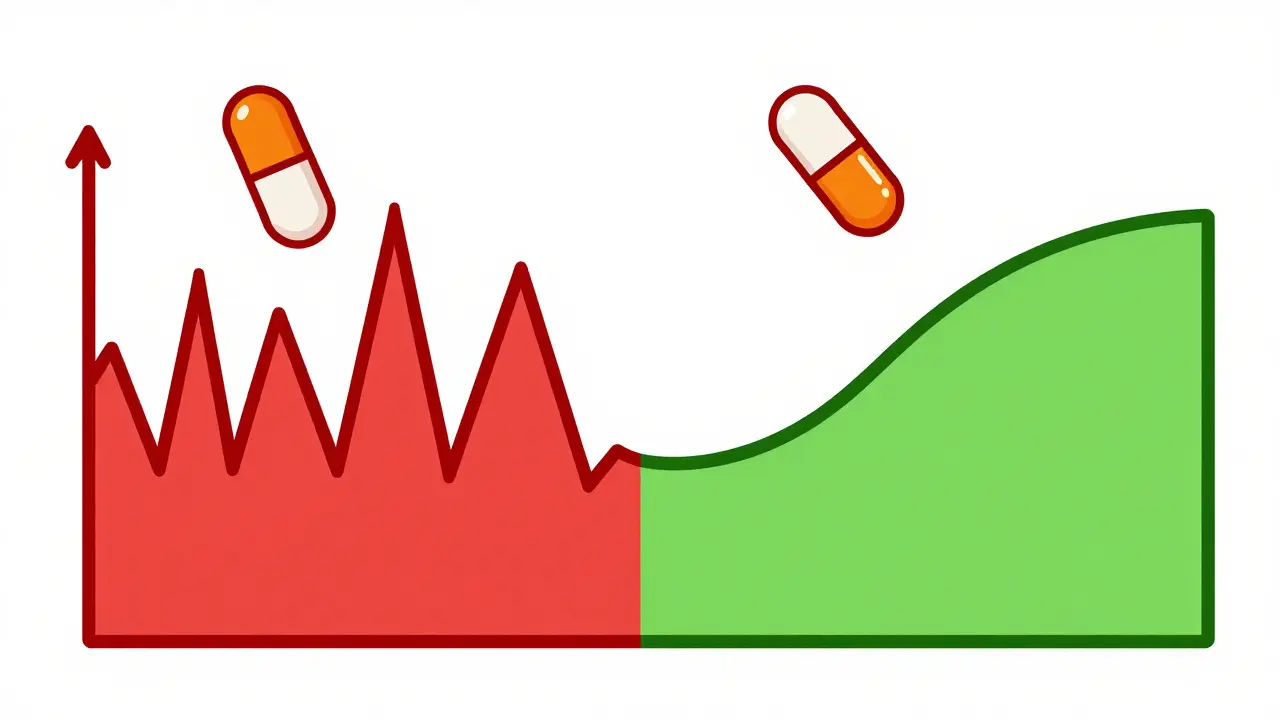
Not all benzodiazepines are created equal when it comes to tapering. Some have short half-lives, meaning they leave your system quickly. Others last longer. Short-acting drugs like Alprazolam (Xanax) can cause sharper withdrawal peaks because the levels in your blood drop rapidly. Longer-acting drugs like Diazepam (Valium) provide a smoother decline, making them easier to taper for many people.
Here are the three main technical approaches clinicians use:
- Direct Taper: You stay on your current medication and simply reduce the dose gradually. This works well if you are already on a long-acting benzodiazepine like clonazepam or diazepam.
- Cross-Titration: If you are on a short-acting drug like alprazolam, your doctor might switch you to an equivalent dose of diazepam. Diazepam has a predictable metabolism and long half-life, which smooths out the withdrawal curve. Once stabilized on diazepam, you begin the gradual reduction.
- Adjunctive Support: In some cases, doctors may add non-benzodiazepine medications to help manage specific withdrawal symptoms, such as insomnia or muscle tension, though this is used cautiously to avoid replacing one dependency with another.
Conversion tables are essential here. For example, 1 mg of alprazolam is roughly equivalent to 20 mg of diazepam. Precise calculations ensure you aren't accidentally increasing your dose during the switch. Always rely on a pharmacist or prescriber to handle these conversions.
| Medication | Half-Life | Taper Difficulty | Best For |
|---|---|---|---|
| Alprazolam (Xanax) | 11-15 hours | High | Short-term panic attacks |
| Lorazepam (Ativan) | 10-20 hours | Moderate | Anxiety, nausea |
| Clonazepam (Klonopin) | 18-50 hours | Moderate | Panic disorder, seizures |
| Diazepam (Valium) | 20-100 hours | Low | Tapering, muscle spasms |
The Role of Psychological Support
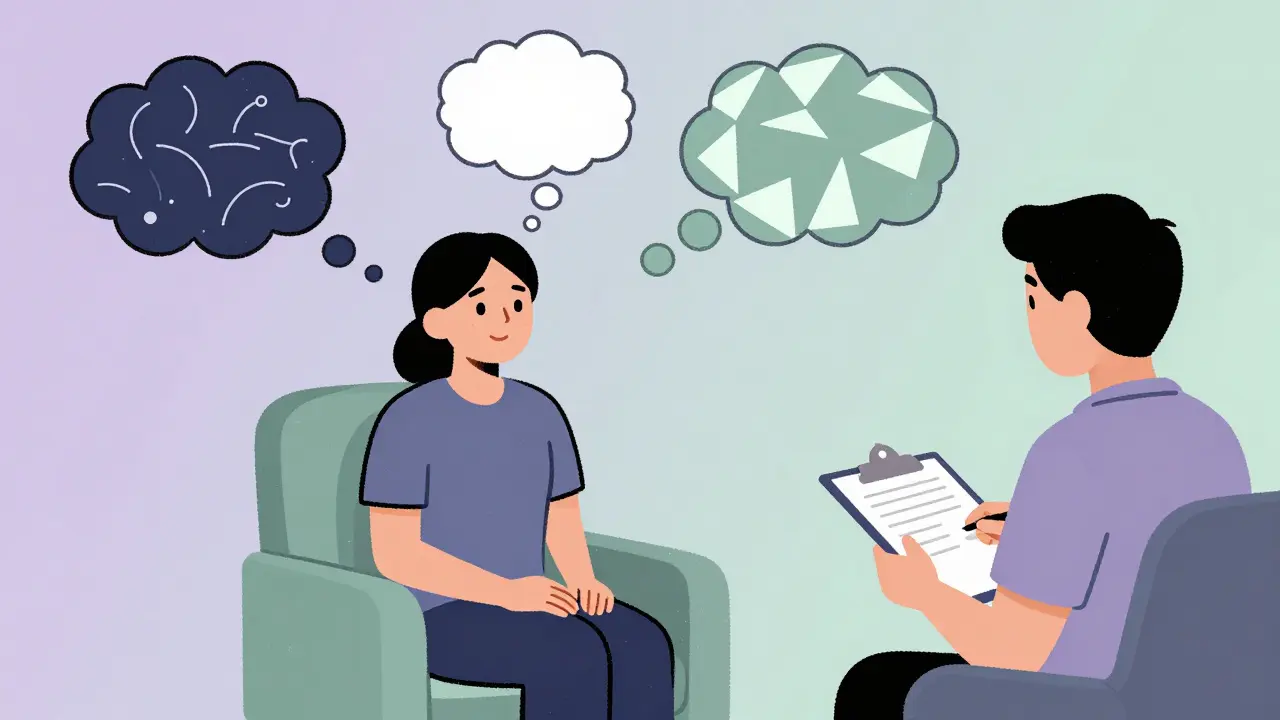
Medication management is only half the battle. The other half is addressing the underlying anxiety or sleep issues that led to the prescription in the first place. Without new coping mechanisms, the fear of withdrawal itself can become a source of immense stress, creating a vicious cycle.
Cognitive Behavioral Therapy (CBT) is the gold standard for supporting patients during a taper. Studies show that combining CBT with medical tapering results in a 68.3% successful discontinuation rate, compared to just 42.1% with medical management alone. CBT helps you identify and challenge the catastrophic thoughts that arise during withdrawal, such as "I won't be able to sleep ever again" or "My heart is stopping." It also teaches practical relaxation techniques and sleep hygiene strategies.
Peer support is another valuable resource. Connecting with others who have successfully tapered can provide hope and practical tips. The VA recommends team-based approaches that include peer-support providers-individuals with lived experience of overcoming behavioral health challenges. They understand the unique frustration and fear of the process in a way that even empathetic doctors sometimes cannot.
Navigating Withdrawal Symptoms
Withdrawal symptoms can be uncomfortable, but knowing what to expect can reduce fear. Common symptoms include:
- Rebound Anxiety: A temporary increase in anxiety levels as the brain adjusts.
- Insomnia: Difficulty falling or staying asleep, often worse than before treatment.
- Sensory Sensitivity: Heightened awareness of sounds, lights, or touch.
- Physical Tremors: Shaking hands or muscles, usually mild to moderate.
- Gastrointestinal Issues: Nausea or stomach upset.
It is crucial to distinguish between normal withdrawal and a medical emergency. Severe symptoms like hallucinations, delirium, or seizures require immediate medical attention. These are rare with a proper taper but more common with abrupt cessation, especially after long-term use of short-acting agents.
If symptoms become unmanageable, do not resume your previous high dose. Instead, contact your provider. They may advise holding at your current dose for a few weeks to let your nervous system settle. Sometimes, a tiny "micro-reduction" (like 1-2%) is needed instead of the standard 5-10%. Flexibility is key.
Practical Steps for Success
Implementing a taper requires organization and consistency. Here are some practical steps to set yourself up for success:
- One Prescriber, One Pharmacy: Consolidate your care. Using multiple providers or pharmacies increases the risk of errors and diversion. It also ensures everyone has a clear picture of your progress.
- Regular Check-ins: Schedule appointments every 2-4 weeks. These visits are essential for monitoring symptoms, adjusting the taper speed, and providing encouragement.
- Track Your Symptoms: Keep a daily journal noting your mood, sleep quality, and any physical symptoms. This data helps your doctor make informed decisions about the next dose reduction.
- Prepare Your Environment: Reduce stressors where possible. Inform family or close friends about your taper so they can offer support rather than judgment. Create a calming bedtime routine to aid sleep.
- Avoid Alcohol and Other Depressants: Alcohol interacts dangerously with benzodiazepines and can worsen withdrawal symptoms. Staying sober supports your nervous system's recovery.
Remember that setbacks are part of the process. If you miss a dose or have a bad week, it doesn't mean you've failed. It means you need to adjust your pace. The journey to independence from benzodiazepines is a marathon, not a sprint. With the right medical guidance, psychological support, and patience, most people can successfully taper and reclaim their lives without these medications.
How long does it take to taper off benzodiazepines?
The duration depends heavily on how long you have been taking the medication. For use under 6 months, a taper might take 4-8 weeks. For use exceeding one year, guidelines recommend a taper lasting 6 to 18 months. The key is to go slowly enough to minimize withdrawal symptoms, typically reducing the dose by 5-10% every 2-4 weeks.
Can I taper off benzodiazepines on my own?
No, you should never attempt to taper off benzodiazepines without medical supervision. Abrupt discontinuation can lead to severe withdrawal symptoms, including seizures and psychosis, which can be life-threatening. A healthcare provider can create a personalized plan, monitor your progress, and adjust the schedule if necessary to ensure safety.
What are the signs of benzodiazepine withdrawal?
Common signs include rebound anxiety, insomnia, tremors, sweating, irritability, and sensory sensitivity. More severe symptoms, though less common with proper tapering, can include hallucinations, confusion, and seizures. If you experience severe symptoms, seek immediate medical attention.
Is it better to taper with the same medication or switch to diazepam?
Many clinicians prefer switching to diazepam (Valium) for tapering because of its long half-life, which provides a smoother withdrawal curve. However, if you are already on a long-acting benzodiazepine like clonazepam, direct tapering may be appropriate. The decision should be made with your doctor based on your specific medication history and tolerance.
How can therapy help during a benzodiazepine taper?
Cognitive Behavioral Therapy (CBT) helps address the underlying anxiety or sleep issues that led to the prescription. It provides tools to manage withdrawal-related anxiety, challenge catastrophic thinking, and develop healthy coping mechanisms. Studies show that combining CBT with medical tapering significantly increases the success rate of discontinuation.