
When we talk about anal cancer HPV, a type of cancer triggered by certain strains of the human papillomavirus that affects the anal canal. Also known as HPV-associated anal carcinoma, it’s not as widely discussed as cervical cancer, but it’s just as preventable—and just as serious if ignored. The same viruses that cause genital warts can also lead to abnormal cell growth in the anal area, especially in people with weakened immune systems or those who engage in receptive anal sex. It’s not rare, and it’s not inevitable.
HPV vaccination, a preventive shot that protects against the high-risk strains of human papillomavirus linked to cancer. Also known as Gardasil or Cervarix, it’s recommended for teens and young adults, but even older adults can benefit if they haven’t been exposed yet. The vaccine doesn’t just stop cervical cancer—it cuts the risk of anal cancer too. Studies show it reduces precancerous anal lesions by over 75% in vaccinated groups. And while screening for anal cancer isn’t as routine as Pap smears, high-risk groups—including people with HIV, those who’ve had anal warts, or men who have sex with men—are increasingly being offered anal Pap tests and HPV DNA tests. These aren’t perfect, but they catch changes early, when treatment is simple and effective.
Human papillomavirus, a group of over 200 related viruses, with types 16 and 18 being the most dangerous for cancer development. Also known as HPV strains, it spreads through skin-to-skin contact, not just sexual intercourse. Many people clear it naturally, but in some, the virus hides and causes changes in cells over years. That’s why timing matters: getting vaccinated before exposure is the best defense. Once cancer develops, treatment gets harder—often involving radiation, chemotherapy, or surgery. You don’t need to be a doctor to understand this: if you’ve had anal warts, or you’re HIV-positive, or you’re over 30 and sexually active, you should know your risk. You don’t need to panic, but you do need to be informed.
What you’ll find in the articles below isn’t theory—it’s real-world insight. From how immunosuppressants can raise your risk of HPV-related cancers, to how drug safety tools help track side effects in vulnerable groups, these posts connect the dots between viruses, medications, and long-term health. You’ll learn what steps actually work, what myths to ignore, and how to talk to your doctor about screening without feeling awkward. This isn’t about fear. It’s about control.
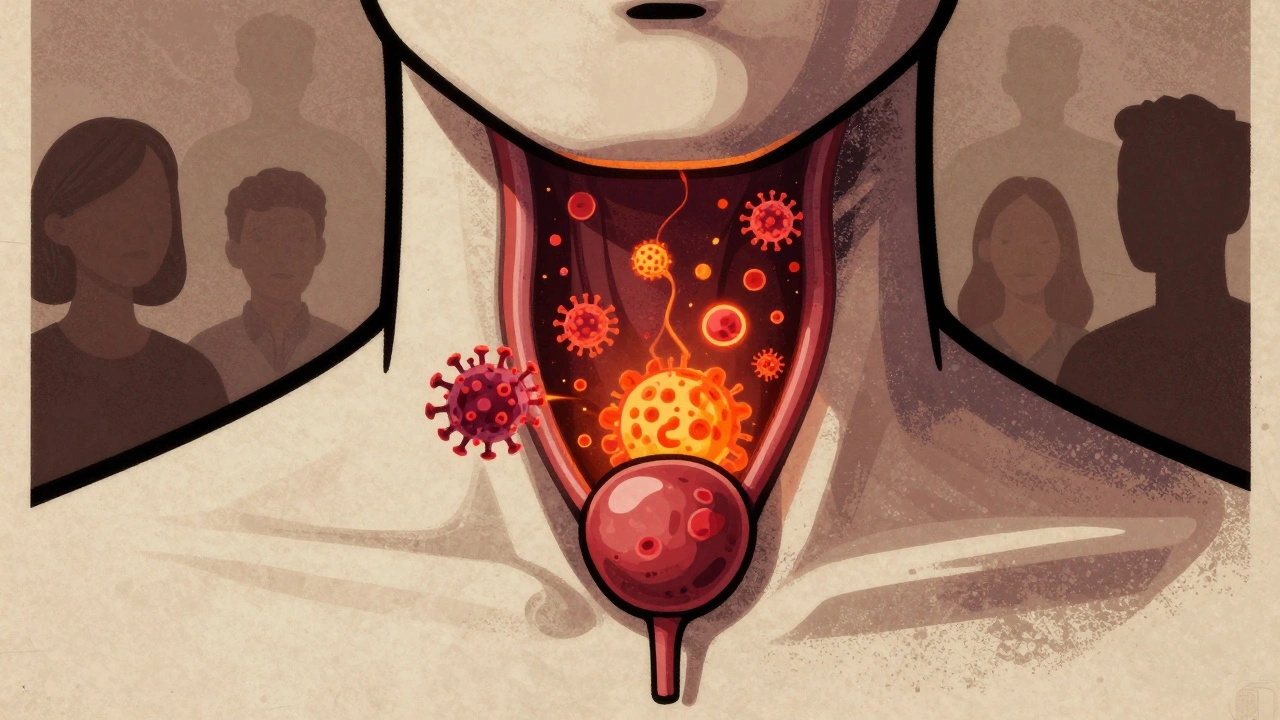
HPV causes thousands of throat and anal cancers each year in the U.S., with rising rates among men. Vaccination is the most effective way to prevent these cancers - yet coverage remains too low. Learn how HPV leads to cancer and what you can do to stop it.
Low-dose CT screening can save lives in smokers by catching lung cancer early. Learn who qualifies, how it works, the real risks, and what to do next.
Dizziness after surgery can be a common yet disorienting experience. This piece explores practical ways to manage dizziness effectively, delving into causes and offering helpful tips for recovery. Understanding how to navigate these post-surgery effects is key to a smoother healing process. Learn what to expect and how to ease this sensation in everyday life.

Scabies and lice are common, contagious skin infestations that require precise treatment to prevent reinfection. Learn how permethrin, ivermectin, and spinosad work-and why treating everyone at once is critical.

A practical guide comparing Duricef (cefadroxil) with common oral antibiotics, covering effectiveness, dosing, side‑effects, costs, and when to choose each option.
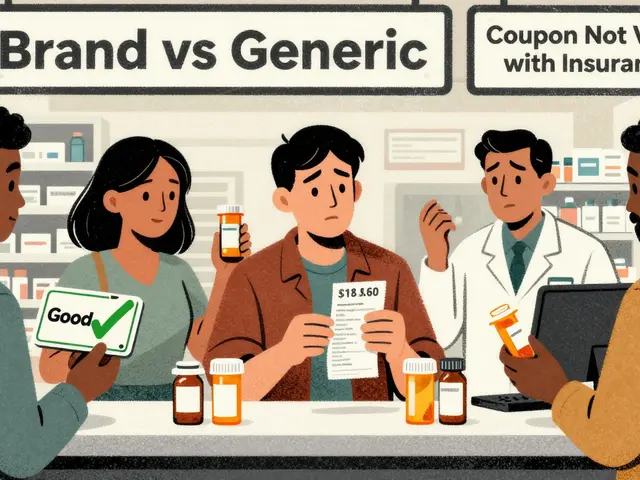
Prescription discount programs like GoodRx and manufacturer coupons can slash medication costs - but only if you use them right. Learn who saves the most, when they backfire, and how to avoid costly mistakes.