
Allergic rhinitis, also called hay fever, is the stuff that makes your nose run, eyes water, and throat itch when you’re exposed to pollen, dust, or pet dander. It’s not a cold, and antibiotics won’t help. Most people get it in spring or fall, but it can flare up any time if you’re sensitive to something.
Typical triggers include tree pollen, grass pollen, mold spores, dust mites, and animal dander. If you notice sneezing fits, a runny nose, or that constant “post‑nasal drip” feeling, you’re probably dealing with allergic rhinitis. Other signs are itchy eyes, congestion, and a sore throat from breathing dry air.
Symptoms show up shortly after exposure and can last as long as the allergen is around. Kids often complain about a “stuffy head,” while adults might just blame a cold. The key is the pattern – symptoms that pop up year after year with the same season or environment.
The first step is to avoid what you can. Keep windows closed on high‑pollen days, use air filters, and wash bedding in hot water weekly to kill dust mites. If you have pets, keep them out of the bedroom and groom them often.
Over‑the‑counter antihistamines like loratadine or cetirizine can curb sneezing and itching without making you drowsy. Nasal steroid sprays such as fluticasone work well for congestion, but they need a few days to kick in. A saline rinse once or twice a day clears mucus and irritants from your nasal passages.
For tougher cases, doctors may prescribe a stronger antihistamine, a leukotriene blocker, or a combination of a nasal spray and oral medication. Immunotherapy (allergy shots or tablets) is an option if you want a long‑term fix, but it takes months to see results.
Don’t ignore symptoms that won’t improve. Persistent blockage can lead to sinus infections, and chronic inflammation may affect sleep. If you’re using several OTC products and still feel miserable, schedule a visit with an allergist. They can run a simple skin or blood test to pinpoint exactly what’s bothering you.
Quick home tips: drink plenty of water, use a humidifier in dry rooms, and elevate your head while sleeping to reduce post‑nasal drip. A warm shower in the morning can also loosen mucus and make breathing easier.
Feeling overwhelmed? Check out our related guides on antihistamine safety, nasal spray usage, and natural remedies that can complement your medical plan. With the right mix of avoidance, medication, and simple habits, you can keep allergic rhinitis from ruling your day.
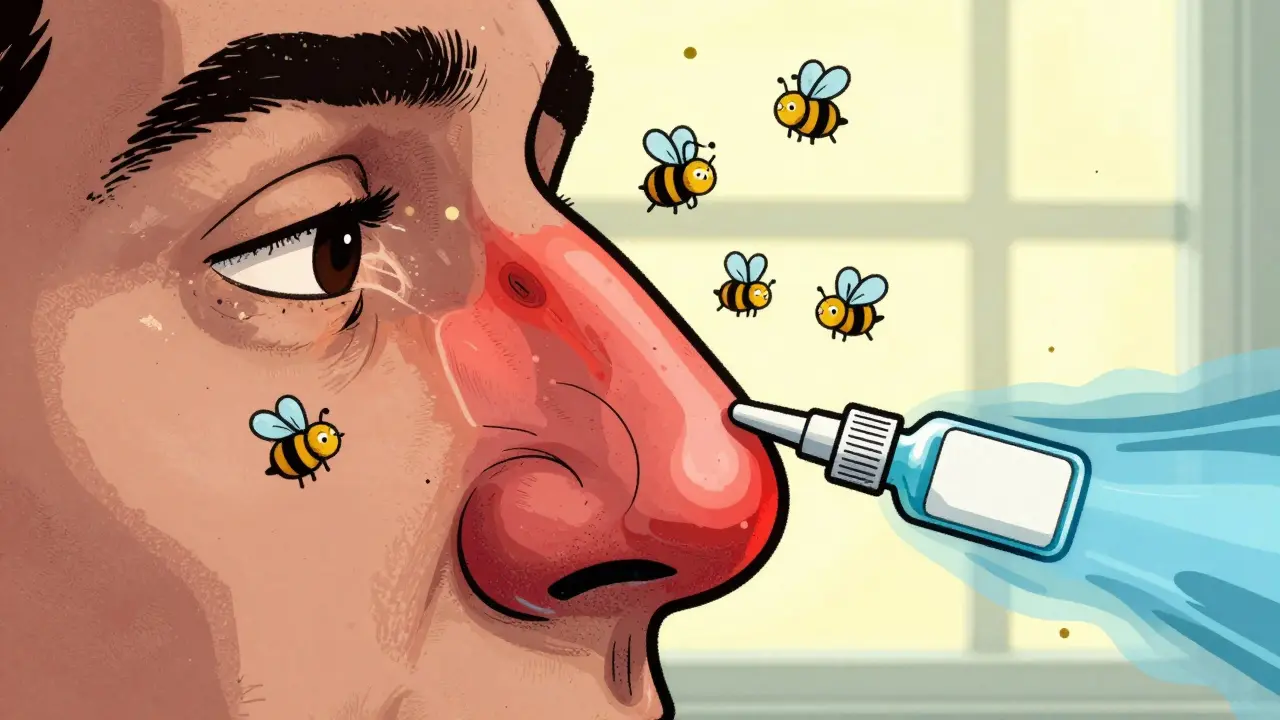
Nasal steroid sprays are the most effective treatment for allergic rhinitis, reducing inflammation to relieve congestion, sneezing, and runny nose. Learn how they work, why daily use matters, and how to use them safely.

Learn what Rhinocort does, how to spray it correctly, dosage guidelines, common side effects and alternatives for allergy relief.

Explore clinical outcomes data comparing generic and brand-name drugs. Learn about bioequivalence, real-world study results, and best practices for providers.

Benzodiazepines like Xanax and Valium may help with anxiety during pregnancy, but studies link them to increased risks of birth defects, miscarriage, and preterm birth. Learn what the latest research says and what alternatives exist.

Discover how to safely purchase cheap generic Premarin online in the UK, compare costs, verify pharmacy legitimacy, and save up to 70% on hormone therapy.

A practical guide for families on preparing for and conducting discussions with medical teams about elderly drug regimens to prevent adverse events.

A detailed comparison of Sinemet with other Parkinson's medications, covering benefits, drawbacks, costs, and when to switch for optimal symptom control.