
When you're pregnant, your body changes how it handles pregnancy glucose control, the process of managing blood sugar levels during pregnancy to prevent complications like gestational diabetes. This isn't just about avoiding sweets—it's about how your hormones, diet, and activity levels work together to keep your blood sugar in a safe range. About 1 in 10 pregnant women develop gestational diabetes, a type of diabetes that starts during pregnancy and usually goes away after birth. But even if you don’t get diagnosed, keeping glucose levels steady reduces risks like preterm birth, large baby size, and future type 2 diabetes for both you and your child.
What drives glucose spikes during pregnancy? It’s mostly hormones—especially those made by the placenta—that block insulin from doing its job. That means even if you eat the same foods you always did, your body might not handle them the same way. blood sugar during pregnancy, the level of glucose in your bloodstream, should ideally stay between 70 and 95 mg/dL before meals and under 120 mg/dL after eating. Most doctors check this with a glucose tolerance test around week 24, but if you’re high-risk, they might test earlier. The good news? You don’t need to go on a strict diet. You need smart, consistent choices: lean proteins, high-fiber carbs like oats and beans, and healthy fats. Skip sugary drinks, white bread, and processed snacks—they cause quick spikes and crashes.
Some women need insulin during pregnancy, a safe, injectable medication used when diet and exercise alone can’t keep blood sugar in range. It’s not a failure—it’s just your body asking for extra help. Many women manage just fine with meal planning and walking after meals. Others need medication. Either way, monitoring is key: checking your glucose levels at home with a simple finger prick test gives you real-time feedback. If your numbers are high after breakfast, maybe swap oatmeal for eggs and avocado. If your afternoon snack spikes you, try nuts instead of crackers. What works for one person doesn’t always work for another. That’s why personalized advice matters more than generic rules.
You’ll find real stories and practical guides below—from how to build a pregnancy-friendly plate to what to do when your glucose readings jump unexpectedly. Some posts cover the science behind insulin use in pregnancy, others give you simple meal plans that actually fit into a busy day. There’s no one-size-fits-all fix, but there are proven steps that work for most. Whether you’re newly diagnosed, just curious, or helping someone else, this collection gives you the facts without the fluff.

Learn how to manage gestational diabetes with diet, exercise, and blood sugar monitoring to reduce risks during pregnancy and protect long-term health for both mother and baby.

Learn how to properly separate levothyroxine from iron and calcium supplements to ensure your thyroid medication works effectively. Avoid dangerous interactions with clear timing rules and practical tips.

A detailed look at Chloramphenicol, its clinical uses, safety concerns, and how it stacks up against common alternatives such as Azithromycin, Ciprofloxacin, and Doxycycline.
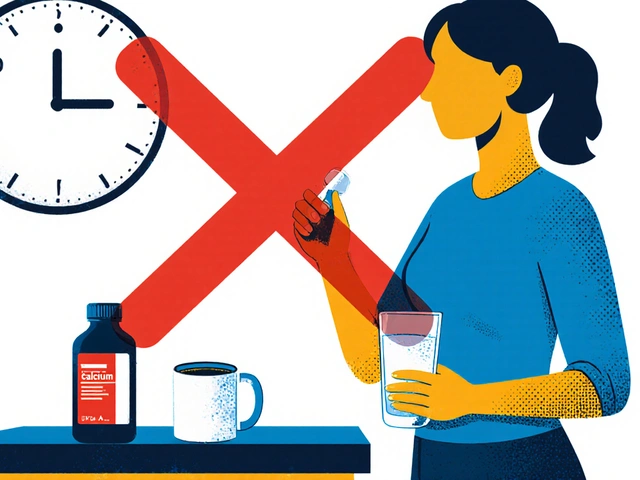
Learn how to take calcium supplements and bisphosphonates correctly to avoid absorption problems. Follow exact timing rules to maximize osteoporosis treatment and prevent fractures.

Benzodiazepines like Xanax and Valium may help with anxiety during pregnancy, but studies link them to increased risks of birth defects, miscarriage, and preterm birth. Learn what the latest research says and what alternatives exist.
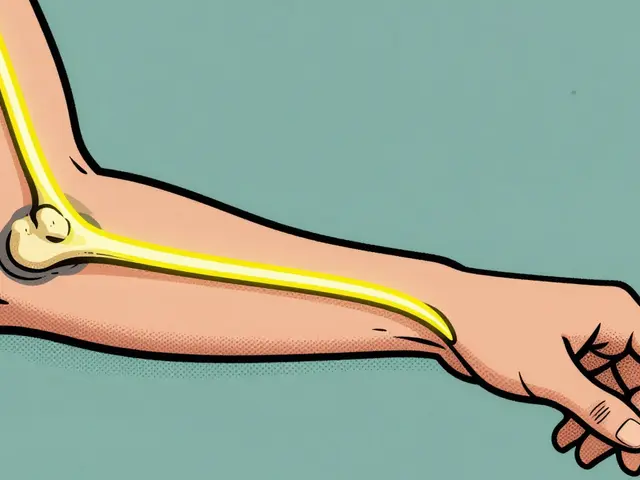
Learn about ulnar neuropathy, its causes like cubital tunnel syndrome, and effective therapies from bracing to surgery. Understand symptoms and prevention strategies.