
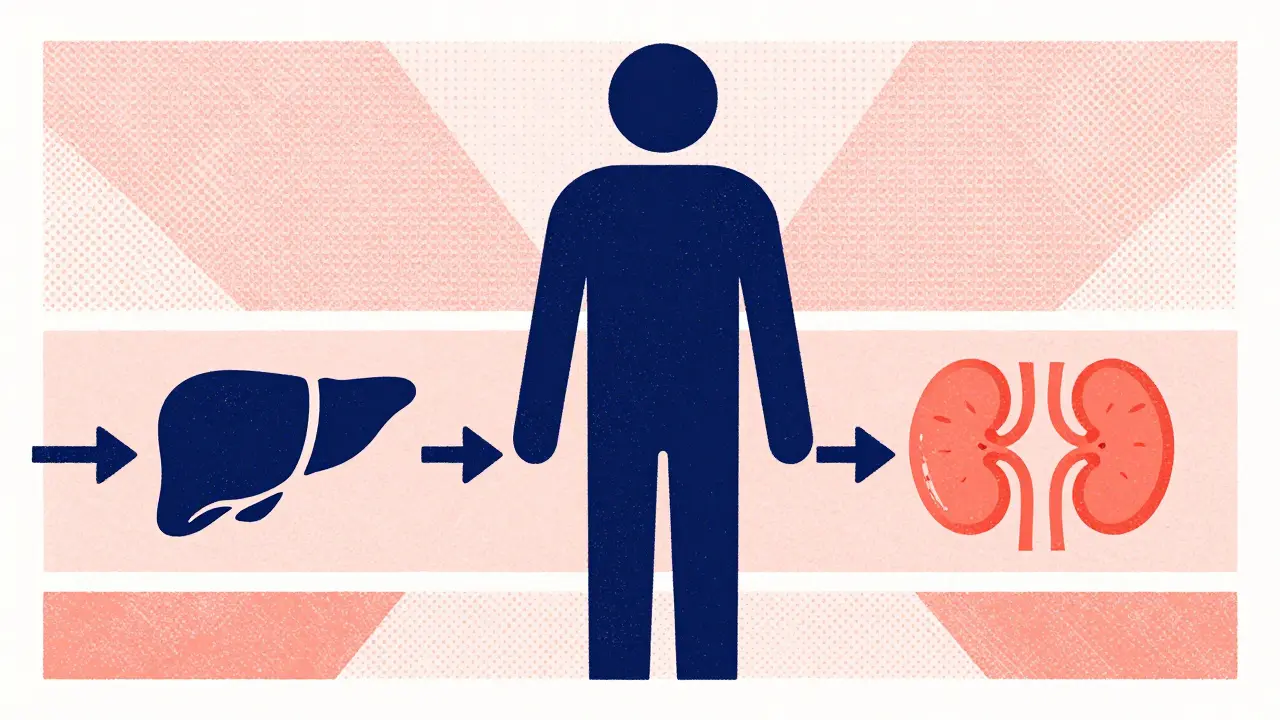
Pitavastatin is a cholesterol-lowering drug with a lower risk of increasing diabetes compared to other statins. Research shows it's a safer option for people with prediabetes, though cost and access can be barriers. Learn how it stacks up against common alternatives and what experts recommend.

Medicaid substitution rules prevent public insurance from replacing affordable private coverage. States vary widely in how they enforce these rules - some use waiting periods, others use real-time data. Learn how your state handles it and what changes came in 2024.
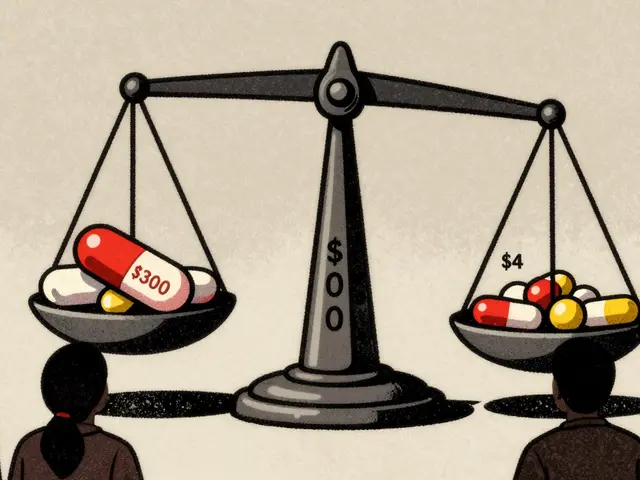
Buyers like Medicare use the presence of generic drugs to negotiate lower prices for brand-name medications. Generic competition drives prices down by over 90% in many cases, making it a key tool for controlling drug costs.

What androstenedione does, what studies show, real risks, and 2025 legal status. Clear, science-based guide with safer alternatives and a quick checklist.

Digestive enzyme supplements can help with specific GI conditions like EPI or lactose intolerance, but aren't a cure-all. Learn when they work, which ones to choose, and when to see a doctor instead.

Steroid myopathy causes painless, progressive muscle weakness in people on long-term corticosteroids. Learn how to recognize early signs, avoid misdiagnosis, and start safe, effective physical therapy to regain strength.