
When it comes to statin timing, the time of day you take your cholesterol-lowering medication can impact how well it works and how many side effects you experience. Also known as HMG-CoA reductase inhibitors, statins like atorvastatin, simvastatin, and rosuvastatin block cholesterol production in the liver—but that production peaks at night. That’s why for decades, doctors told patients to take them at bedtime.
But not all statins are the same. simvastatin, a short-acting statin with a half-life of about 3 hours, works best at night because your liver makes the most cholesterol while you sleep. Same goes for lovastatin, which also has a short window of effectiveness. If you take these in the morning, you’re missing the peak production window. On the other hand, atorvastatin and rosuvastatin, long-acting statins with half-lives over 14 hours, work just as well anytime—morning, noon, or night. The key isn’t the clock, it’s consistency. Missing doses matters more than the hour you take them.
Side effects like muscle pain or weakness are another reason timing matters. Some studies suggest nighttime dosing may reduce muscle-related complaints, possibly because liver enzyme activity and muscle repair cycles align better with evening intake. But there’s no solid proof it prevents myopathy across the board. What we do know: if you’re on a short-acting statin and still have high LDL, switching from morning to night could help. And if you’re on a long-acting one and forget your pill every morning, taking it at night might be your best bet for adherence.
What about food? Simvastatin and lovastatin absorb better with food, so if you take them at night, pair them with dinner. Atorvastatin and rosuvastatin don’t care—take them with or without meals. The real win? Finding a time that sticks. If you’re more likely to remember your pill after brushing your teeth at night, go with that. If you’re a morning person and hate taking meds before bed, stick with morning on a long-acting statin. Your liver doesn’t care what time it is—it cares that you show up every day.
Below, you’ll find real-world insights from patients and doctors on statin timing, side effects, and how to make your medication work better without guessing. Some posts dig into why generic versions might feel different. Others explain how sleep patterns, liver enzymes, and even your diet can change how statins behave in your body. Whether you’re struggling with muscle aches, high LDL, or just tired of forgetting your pill, there’s something here that fits your situation.

The best time to take statins isn't about night or morning-it's about consistency. Learn how statin timing affects side effects and cholesterol lowering, and why adherence beats clock time.
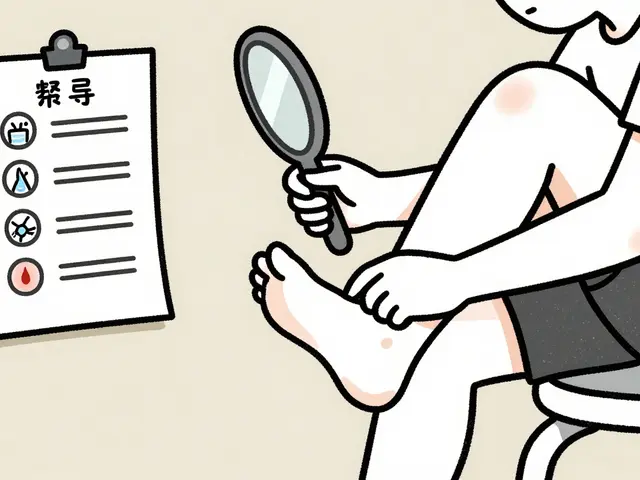
Learn the daily foot inspection checklist proven to prevent diabetic foot ulcers and avoid amputation. Follow evidence-based steps for washing, inspecting, moisturizing, and choosing safe footwear every day.
A side‑by‑side look at Glucovance versus Metformin alone, sulfonylureas, DPP‑4, SGLT2 and GLP‑1 drugs, covering efficacy, safety, cost and when to switch.
Learn how to ethically obtain free medication samples from trusted platforms and track expiration dates to avoid health risks. Save money on prescriptions without compromising safety or integrity.

Learn how to buy Naprosyn online in the UK, discover safe pharmacies, current regulations, and key tips for purchasing Naproxen online in 2025.
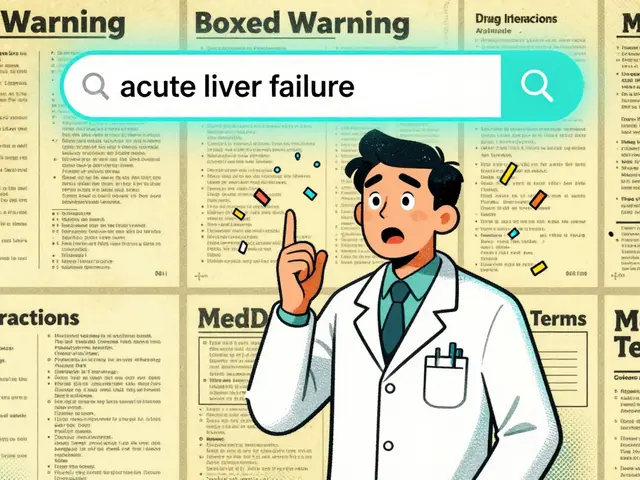
FDALabel is the FDA's free, searchable database of over 149,000 drug labels. Learn how to search by section, pharmacologic class, and MedDRA terms to find accurate drug safety information for research, compliance, and clinical use.