
If you’ve been Googling "naproxen UK" you probably want a quick answer on where to buy it, how much it costs, and whether it’s safe. Good news – the drug is widely available across Britain, but not all sources are equal. Below we break down the basics: dosing, buying options, price‑hacks, and red flags to watch out for.
Naproxen is a non‑steroidal anti‑inflammatory drug (NSAID) that tackles pain, swelling, and fever. Typical over‑the‑counter tablets come in 220 mg or 250 mg strengths; prescription forms can be higher. For most adults the standard dose is one tablet every 8‑12 hours, never exceeding 1250 mg per day unless a doctor says otherwise.
Take it with food or milk to avoid stomach upset. If you have asthma, ulcers, kidney disease, or are on blood thinners, check with a pharmacist first – the combo can be risky.
1. High street pharmacies: Boots, Superdrug and independent chemists stock naproxen OTC. Prices range £3‑£6 for a pack of 12.
2. Online UK pharmacies: Websites like LloydsPharmacy.com, ChemistDirect.co.uk and the official NHS repeat prescription service often give bulk discounts (up to 30%). Look for the “registered pharmacy” badge and a valid address in England, Scotland, Wales or Northern Ireland.
3. Prescription apps: Apps such as Push Doctor or Livi let you get a digital GP consult and have the script sent straight to a licensed online pharmacy. This can shave off a few pounds compared with a face‑to‑face visit.
4. Avoid shady sites: Any site that asks for payment via crypto, offers “no prescription needed” for high doses, or has a generic domain (e.g., .ru, .biz) is likely illegal and unsafe.
- Buy in bulk: 30‑day packs are cheaper per tablet than weekly boxes. Just make sure you’ll finish them before the expiry date.
- Use discount codes: Some UK pharmacy sites run seasonal promos – search “naproxen discount code UK” before checkout.
- Check NHS prescription exemption: If you qualify for free prescriptions (e.g., over 60, low income), you can get naproxen at no cost through a standard NHS script.
- Compare price‑check tools: Websites like Pharmacy2U.com or GoodRx (UK version) let you compare prices across multiple retailers instantly.
The most common complaints are stomach pain, heartburn, or mild headache. If you notice black stools, sudden swelling in the legs, or shortness of breath, stop taking naproxen and seek medical help right away – those could be signs of serious bleeding or heart issues.
Never mix naproxen with other NSAIDs (ibuprofen, aspirin) unless a doctor says it’s okay. Alcohol can increase stomach irritation, so keep drinks low while you’re on the medication.
Following these steps will help you get naproxen in the UK without overpaying or risking your health. Got more questions? Drop a comment below or chat with a licensed pharmacist – they’re just a click away.

Learn how to buy Naprosyn online in the UK, discover safe pharmacies, current regulations, and key tips for purchasing Naproxen online in 2025.
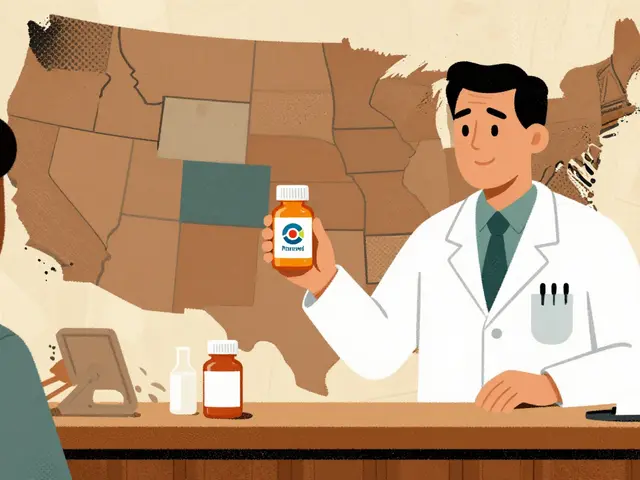
Explore how generic substitution laws vary across US states, impacting patient access, pharmacist liability, and drug costs. Learn key differences in mandatory vs permissive rules, biosimilar restrictions, and practical steps for navigating these regulations.

Detailed guidance on how to buy cimetidine online safely, including tips on reputable sources, avoiding scams, and key facts about this popular medication.
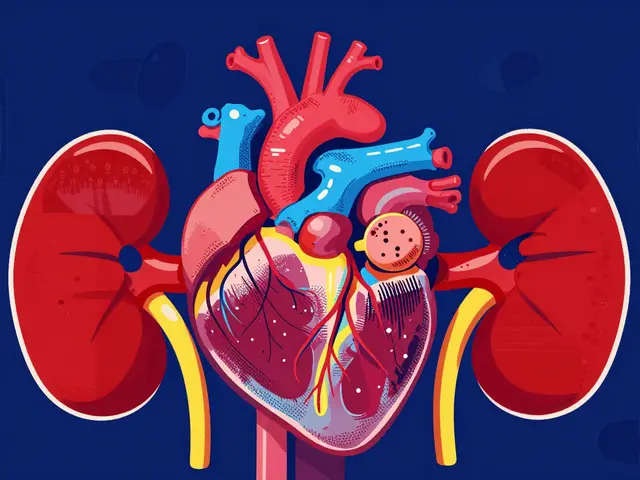
Combining ACE inhibitors and potassium-sparing diuretics increases hyperkalemia risk. Learn how to monitor levels, adjust diet, and use new treatments to stay safe.

Sunburn and heatstroke often strike during hot days but are not the same thing. This article spotlights key differences, how to recognize early warning signs, and real-life ways to treat each condition if you or someone else gets hit. It covers prevention tips, real facts, and the science behind both sunburn and heatstroke. Whether you're sunbathing, working outdoors, or just enjoying a sunny weekend, you'll find clear guidance to keep yourself safe. Read on to know what to do if the summer heat gets the better of you.
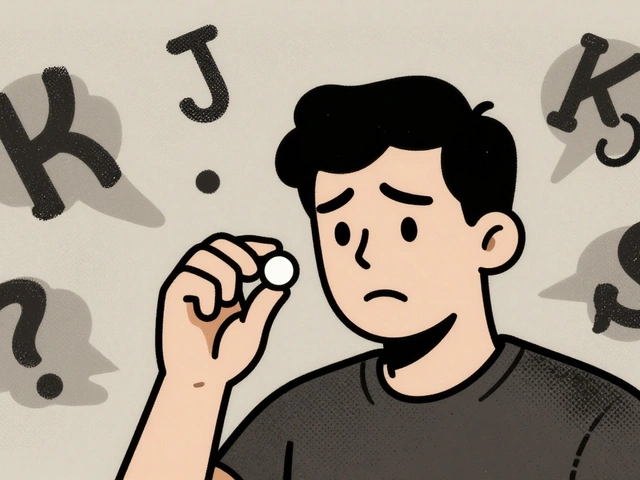
The nocebo effect explains why people feel side effects from medications even when the drug has no active ingredient. Expectations, not chemistry, often drive these reactions - and they're more common than you think.