
Myo-inositol is a substance that many people use to support various health needs. You might have heard of it as a supplement that can help with conditions related to metabolism, mood, or even fertility. But what exactly does it do? Simply put, myo-inositol is a type of sugar alcohol involved in important cellular processes, especially related to how your body manages insulin and brain signaling.
Since it naturally occurs in the body and in foods like fruits, beans, and grains, myo-inositol is generally safe when taken as a supplement. People often turn to it for help with conditions like polycystic ovary syndrome (PCOS), anxiety, and sometimes for better metabolic health. But beyond these, it’s also being explored for its role in improving cell health and nerve function.
A lot of attention around myo-inositol focuses on its impact on reproductive health. Women with PCOS sometimes experience better ovulation and hormone balance after using myo-inositol supplements. This is probably because it helps improve insulin resistance, which is a big factor in PCOS symptoms.
Another popular use is supporting mental health. Some studies show that myo-inositol might reduce symptoms of anxiety and depression by affecting neurotransmitters in the brain. While it’s not a replacement for prescribed medication, it can be part of a broader approach to wellness.
If you’re thinking about trying myo-inositol, it’s good to chat with a healthcare provider first, especially if you’re on medication or have existing health conditions. Although side effects are generally mild, like nausea or headache, everyone’s body is different. Dosage can vary widely depending on why you’re taking it, so getting personalized advice is key.
In daily life, you can boost your intake by eating foods rich in myo-inositol, such as citrus fruits, nuts, or beans. Supplements are more concentrated but not always necessary unless recommended by a professional. Keeping track of how you feel and any changes after starting it helps you understand if it’s working for you.
Overall, myo-inositol offers promising benefits for certain health issues, mainly related to hormone balance and brain function. With thoughtful use and the right guidance, it can be a helpful part of maintaining your wellbeing.

If you're trying to expand your family, natural supplements like myo-inositol, CoQ10, and DHEA might give you that extra edge. This article digs deep into how these supplements may help, dosage tips, and the science behind their popularity. You'll find relatable, concrete insights for both women and men. Plus, learn how these options stack up against popular fertility drugs and discover practical tips that you can use right now.

Discover why switching to generic medications can cause unexpected side effects. Learn which drugs are high-risk, how PBMs drive frequent changes, and actionable steps to protect your health.

This easy-to-read guide explains in plain language how levetiracetam controls seizures, making it accessible for patients and caregivers. It covers what levetiracetam does in the brain, how it helps people with epilepsy, what side effects to look for, and tips to get the most out of the medication. You'll learn what to expect and get practical advice, plus a helpful resource for understanding how levetiracetam works.
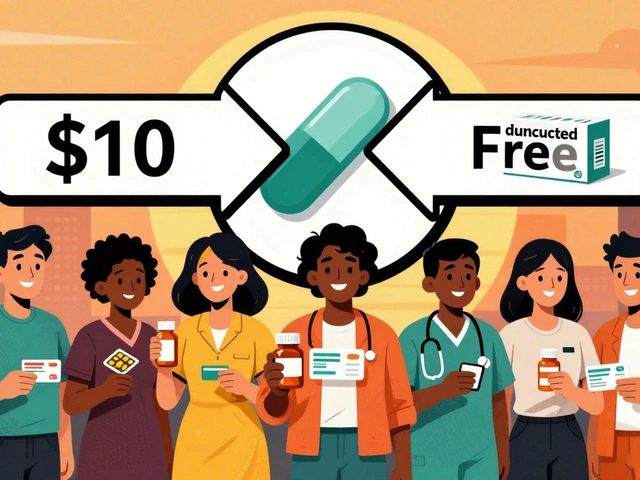
Prescription assistance programs from drug manufacturers help millions afford costly medications. Learn how copay cards and PAPs work, who qualifies, what you can save, and the hidden rules that could block your help.

Learn how to legally and safely order prescription medications through international mail-order in 2026 after major U.S. customs changes. Avoid seizures, scams, and unexpected fees with this practical guide.

Learn how drug take-back programs safely dispose of unused medications through permanent drop boxes, mail-back envelopes, and nationwide events. Find out what you can and can’t dispose of, and how to locate the nearest collection site.