
If you’ve been following HIV news, you’ve probably heard about the next generation of drugs that promise fewer pills and smoother life. These modern HIV drugs aren’t just a tweak of older meds – they’re built on better science, longer lasting action, and fewer side effects. Below we break down the key players, how they work, and what you should ask your doctor.
The biggest shift in recent years is the rise of two‑drug and long‑acting regimens. Instead of taking three or four pills a day, many patients now stay covered with just two pills or a monthly injection. Bictegravir (part of Biktarvy) and Dolutegravir are integrase inhibitors that lock the virus out of the cell’s DNA. They’re praised for strong resistance barriers and low toxicity.
Another breakthrough is long‑acting cabotegravir + rilpivirine. The combo comes as an injection every 4 or 8 weeks, turning daily pill fatigue into a quick office visit. Studies show similar viral suppression rates to daily pills, plus a big boost in adherence.
Two‑drug regimens like Dolutegravir + Lamivudine (Dovato) cut the pill count while keeping the virus suppressed. This option works best for people without prior resistance and who have stable viral loads.
Before you switch, ask your provider about your current viral load, any past resistance, and other meds you take. Drug‑drug interactions can still happen, especially with cholesterol pills, antidepressants, or hormonal contraceptives. Most modern drugs have fewer interactions, but a quick check saves headaches later.
Watch for side effects early on. While many patients report mild headaches or fatigue, serious reactions are rare. If you notice persistent nausea, rash, or mental health changes, reach out right away – early management keeps you on track.
Keep your appointments for lab tests. Even with long‑acting shots, doctors need to see your viral load every few months to confirm the treatment is working. Missing a test can delay adjustments and affect long‑term health.
Finally, consider cost and insurance coverage. Some newer drugs have higher list prices, but many insurers treat them as first‑line therapy. Ask your pharmacist about patient assistance programs – they can shave off a lot of the out‑of‑pocket cost.
Modern HIV drugs are changing the game by simplifying daily life and improving outcomes. Whether you’re starting treatment or thinking about a switch, the right regimen can make a huge difference in health and confidence. Talk to your doctor, stay on top of lab checks, and enjoy the smoother path these newer meds offer.

Trace the journey of HIV from its 1980s discovery to today’s advanced antiretroviral treatments, highlighting key milestones, scientists, and breakthroughs.

Learn the daily foot inspection checklist proven to prevent diabetic foot ulcers and avoid amputation. Follow evidence-based steps for washing, inspecting, moisturizing, and choosing safe footwear every day.

Explore how you can buy Neurontin online affordably. Understand the uses of gabapentin, potential side effects, typical dosages, and vital tip on drug interactions. This guide helps you make informed choices on medication while highlighting practical healthcare considerations.

Detailed guidance on how to buy cimetidine online safely, including tips on reputable sources, avoiding scams, and key facts about this popular medication.
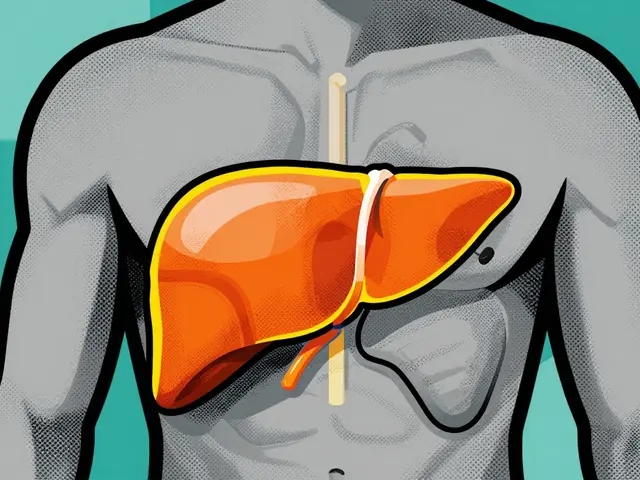
Explore how GLP-1 agonists like semaglutide are transforming the treatment of Metabolic-Associated Fatty Liver Disease (MASLD). Learn about weight loss targets, drug comparisons, and real-world challenges.

Fatty foods enhance absorption of lipid-based medications by triggering bile release and forming micelles that carry poorly soluble drugs into the bloodstream. This food effect improves bioavailability by up to 300% for certain drugs.