
When you hear Metformin, the first‑line biguanide used to lower blood‑sugar in type 2 diabetes. Also known as Glucophage, it works by reducing liver glucose production and improving insulin sensitivity. While Metformin fits many patients, its gastrointestinal side effects, kidney‑function limits, or personal preference can push doctors and patients to look for other options. That’s where type 2 diabetes, a chronic condition characterized by insulin resistance and high blood glucose becomes the central health issue that drives the search for alternatives. Understanding the drug classes that sit alongside Metformin helps you make informed choices about blood‑sugar control, safety, and cost.
The landscape of diabetes treatment now includes several powerful drug families that can replace or complement Metformin. GLP‑1 agonists, injectable agents that mimic the gut hormone GLP‑1 to boost insulin secretion, slow gastric emptying, and promote weight loss are popular for patients needing additional glucose lowering and weight control. SGLT2 inhibitors, oral pills that block renal glucose reabsorption, causing excess sugar to be expelled in urine not only lower blood sugar but also reduce cardiovascular risk and protect kidney function. DPP‑4 inhibitors such as sitagliptin increase endogenous GLP‑1 levels, offering modest glucose reduction with a low side‑effect profile. Thiazolidinediones like pioglitazone improve insulin sensitivity in muscle and fat, useful when Metformin isn’t tolerated. Each class has distinct mechanisms, dosing schedules, and side‑effect patterns, so the choice hinges on factors like renal health, weight goals, cardiovascular risk, and budget. In practice, “Metformin alternatives encompass GLP‑1 agonists, SGLT2 inhibitors, DPP‑4 inhibitors, and thiazolidinediones,” creating a toolbox that clinicians can mix and match. Selecting the right tool requires assessing kidney function, heart health, and patient preferences—essential steps that ensure safety while achieving glycemic targets.
Beyond the drug classes, lifestyle changes, nutrition counseling, and regular activity remain the backbone of diabetes care. Some patients eventually need basal or prandial insulin when oral or injectable options no longer keep glucose in range, making insulin therapy the last‑resort alternative. Cost considerations also matter; generic Metformin is cheap, but many newer agents carry higher price tags, though insurance coverage and patient assistance programs can offset expenses. The decision matrix—balancing efficacy, side‑effects, affordability, and personal goals—empowers you to pick a regimen that works for your life. Below you’ll find a curated collection of articles that break down each alternative, compare them side‑by‑side, and offer practical tips for doctors and patients alike. Dive in to see how these options stack up and discover the best path forward for your diabetes journey.

A side‑by‑side look at Glucovance versus Metformin alone, sulfonylureas, DPP‑4, SGLT2 and GLP‑1 drugs, covering efficacy, safety, cost and when to switch.
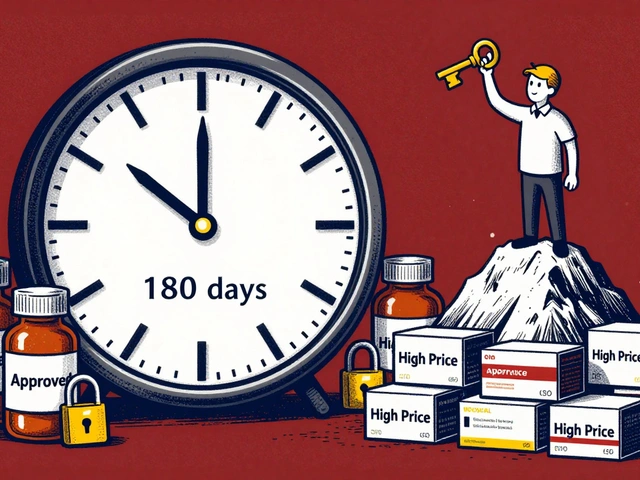
The 180-day exclusivity rule under the Hatch-Waxman Act was meant to speed up generic drug entry-but now it often delays it. Learn how patent challenges, FDA rules, and corporate strategy keep prices high and patients waiting.

A detailed side‑by‑side comparison of Neoral (Cyclosporine) with Tacrolimus, Sirolimus, Mycophenolate, and Azathioprine, covering mechanisms, dosing, side effects, cost and monitoring.
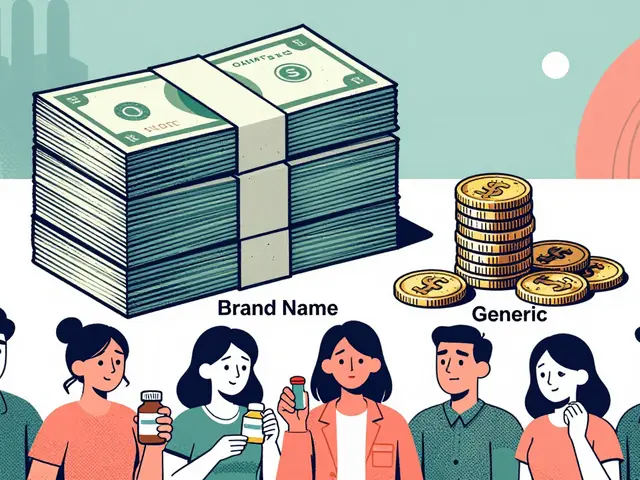
Learn how to buy generic Yasmin online safely and cheaply in 2026. Compare prices from RedBox Rx, Pandia Health, and GoodRx, and discover safe telemedicine options for affordable birth control.

Ceramides restore the skin barrier in eczema by replacing missing lipids. Proper bathing-short, lukewarm soaks followed by immediate moisturizing-boosts results. Learn how to use ceramides effectively for lasting relief.

Scabies and lice are common, contagious skin infestations that require precise treatment to prevent reinfection. Learn how permethrin, ivermectin, and spinosad work-and why treating everyone at once is critical.