
When talking about mefenamic acid side effects, a non‑steroidal anti‑inflammatory drug (NSAID) used for pain and inflammation. Also known as Mefenamic, it works by blocking prostaglandin production, which eases aches but can also trigger unwanted reactions.
One of the biggest companions of mefenamic acid is the broader class of NSAIDs, drugs that reduce pain, fever, and swelling by inhibiting COX enzymes. Like its peers, mefenamic acid can irritate the stomach lining, leading to gastrointestinal bleeding, a serious bleed that may show up as black stools, vomiting blood, or sudden abdominal pain. If you combine the pill with alcohol or take it on an empty stomach, the risk jumps dramatically.
The kidneys act as the body’s filtration system, and they’re sensitive to NSAID exposure. Renal impairment, a condition where the kidneys can’t clear waste efficiently can develop when mefenamic acid reduces blood flow to renal tissue. This effect is especially common in older adults, people with hypertension, or anyone already taking diuretics. In practice, you might notice swelling, reduced urine output, or a rise in blood pressure – all signs that the drug is taxing the kidneys.
Because the drug’s chemistry influences both stomach and kidney health, the relationship can be summed up as: m efenamic acid side effects often involve a trade‑off between pain relief and organ safety. Managing that trade‑off means monitoring lab values, staying hydrated, and avoiding other nephrotoxic agents.
Another thread that ties everything together is drug interactions, instances where two or more medications affect each other's effectiveness or toxicity. When mefenamic acid mixes with anticoagulants like warfarin, the bleeding risk multiplies. Pairing it with other NSAIDs, corticosteroids, or selective serotonin reuptake inhibitors (SSRIs) can also amplify stomach irritation. Even over‑the‑counter supplements such as omega‑3 fatty acids or high‑dose vitamin E may nudge the bleeding odds higher.
In short, the safety profile of mefenamic acid is shaped by three core factors: the drug class (NSAIDs), the organ systems most at risk (GI tract and kidneys), and the other substances you’re taking. Understanding each factor helps you predict which side effects might appear and when.
For patients who need short‑term relief, the best approach is a low dose for the briefest period. Take the pill with food, avoid alcohol, and check in with your clinician if you have a history of ulcers, kidney disease, or are on blood thinners. If you’re already on a regimen that includes multiple NSAIDs or blood‑thinners, ask your doctor whether a different pain reliever—like acetaminophen or a COX‑2 selective agent—might be safer.
From a clinician’s perspective, the decision‑making process follows a simple triple: mefenamic acid requires risk assessment, influences gastrointestinal and renal outcomes, and interacts with common cardiovascular medications. By tracking each link, providers can tailor dosing, schedule lab checks, and offer protective strategies such as proton‑pump inhibitors for high‑risk stomachs.
Below you’ll find a curated collection of articles that dive deeper into each of these areas. Whether you’re curious about how mefenamic acid compares to other NSAIDs, looking for guidance on managing GI bleeding risks, or need tips on spotting early signs of renal trouble, the posts ahead cover practical advice, real‑world examples, and the latest research findings. Dive in to get the full picture and make an informed choice about using mefenamic acid safely.
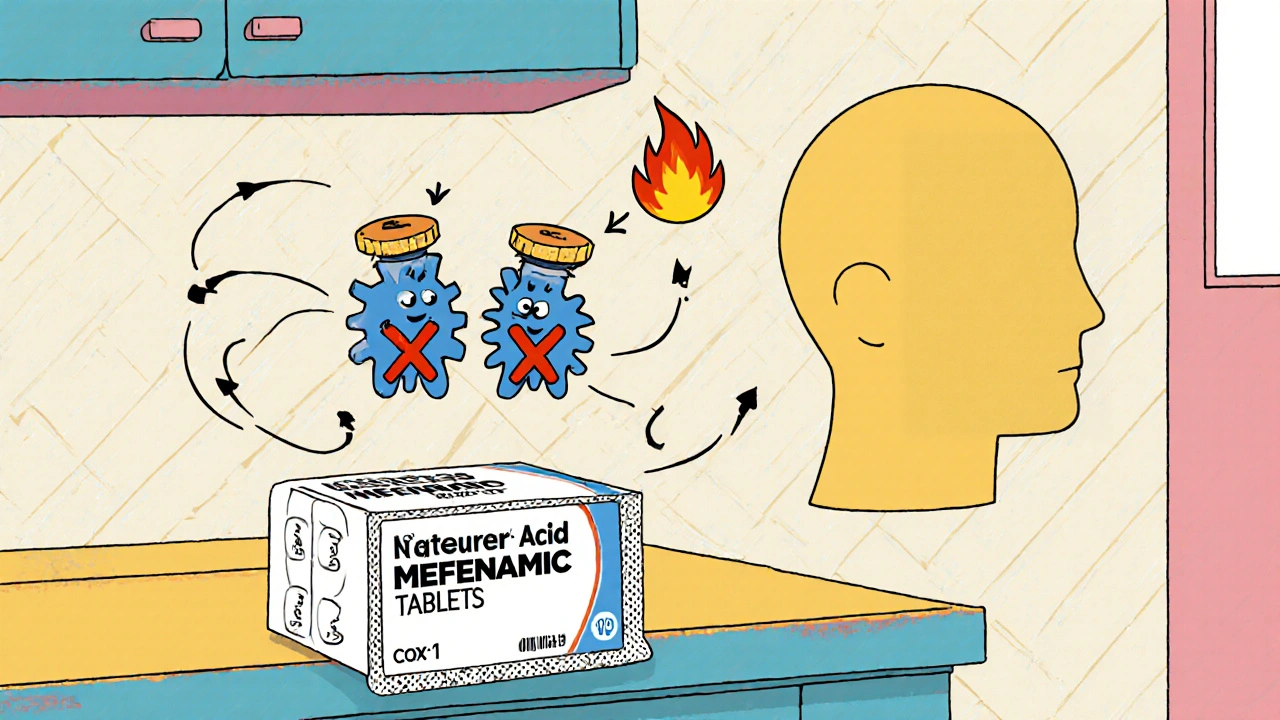
Explore how mefenamic acid influences bone mineral density, review clinical evidence, compare it with other NSAIDs, and get practical tips for patients and prescribers.

Explore how support groups improve life for those with partial onset seizures, covering benefits, types, finding options, and tips for active participation.

Explore how medication helps manage fibromyalgia pain, the main drug classes, their benefits, side effects, and tips for choosing the right regimen.
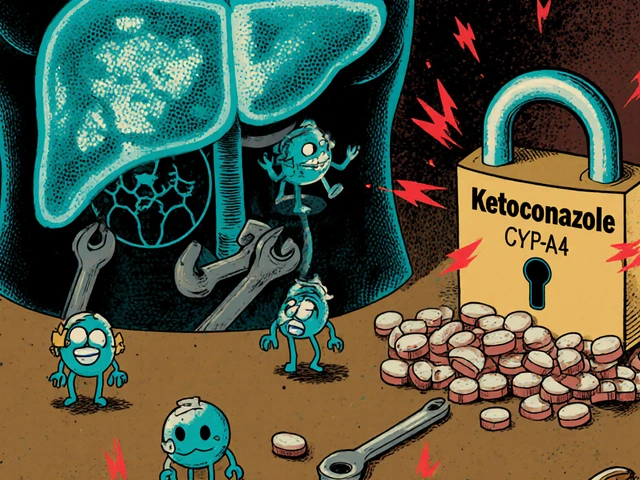
Drug-drug interactions can cause serious harm when medications clash in your body. Learn how liver enzymes, transporters, and genetics affect drug safety, and what you can do to avoid dangerous combinations.
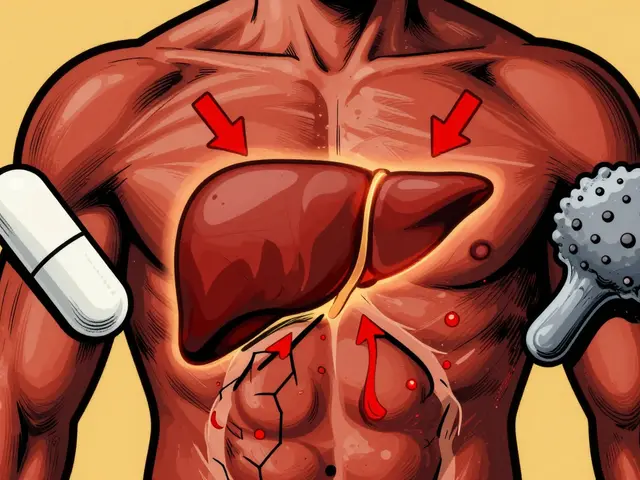
Statins and antifungal medications can dangerously interact, increasing the risk of rhabdomyolysis-a severe muscle breakdown condition. Learn which statins are safest, which antifungals to avoid, and what to do if you're on both.
Learn how to buy generic ivermectin safely and cheaply. Discover real pricing, avoid counterfeit scams, and use legitimate discount cards like GoodRx to save up to 80% on your prescription.